Newsletters




Films written or directed by women have posted higher median profits than those made exclusively by men over the past three decades, according to a new academic study, even though they received smaller production budgets.
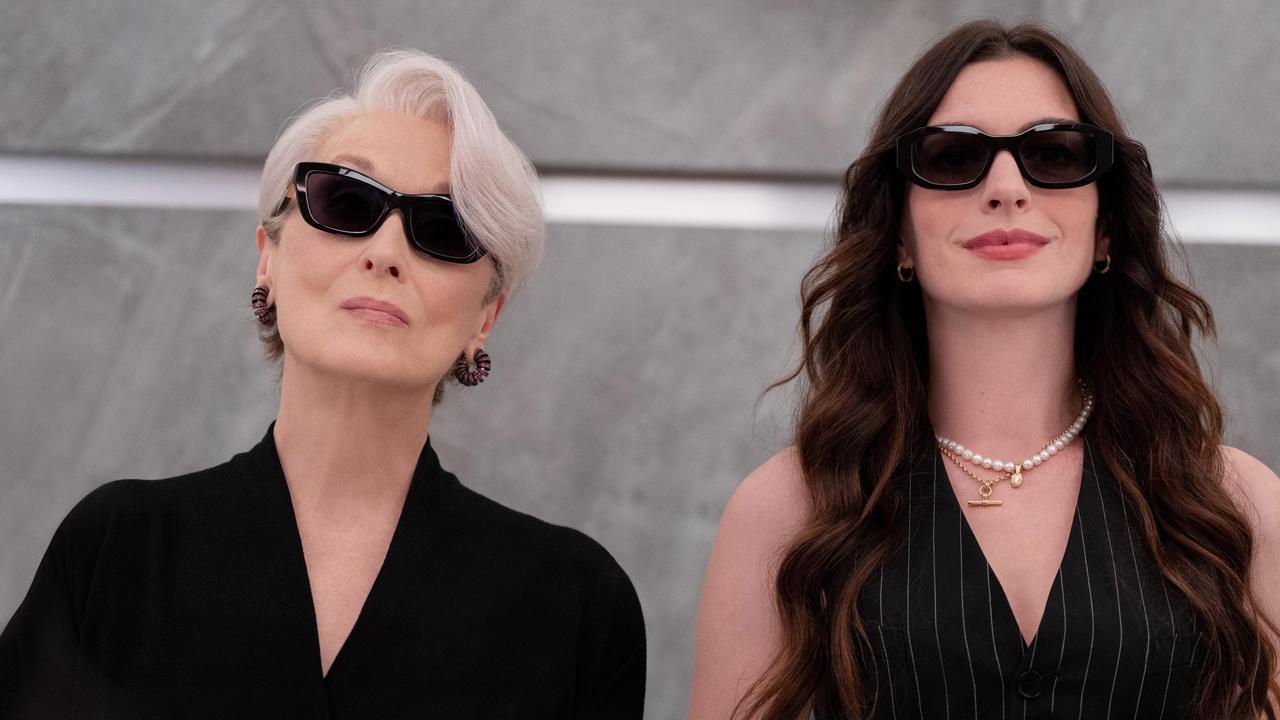
Several such films have performed strongly at the box office in recent years. "The Devil Wears Prada 2," written by Aline Brosh McKenna, was among this year's highest-grossing releases.
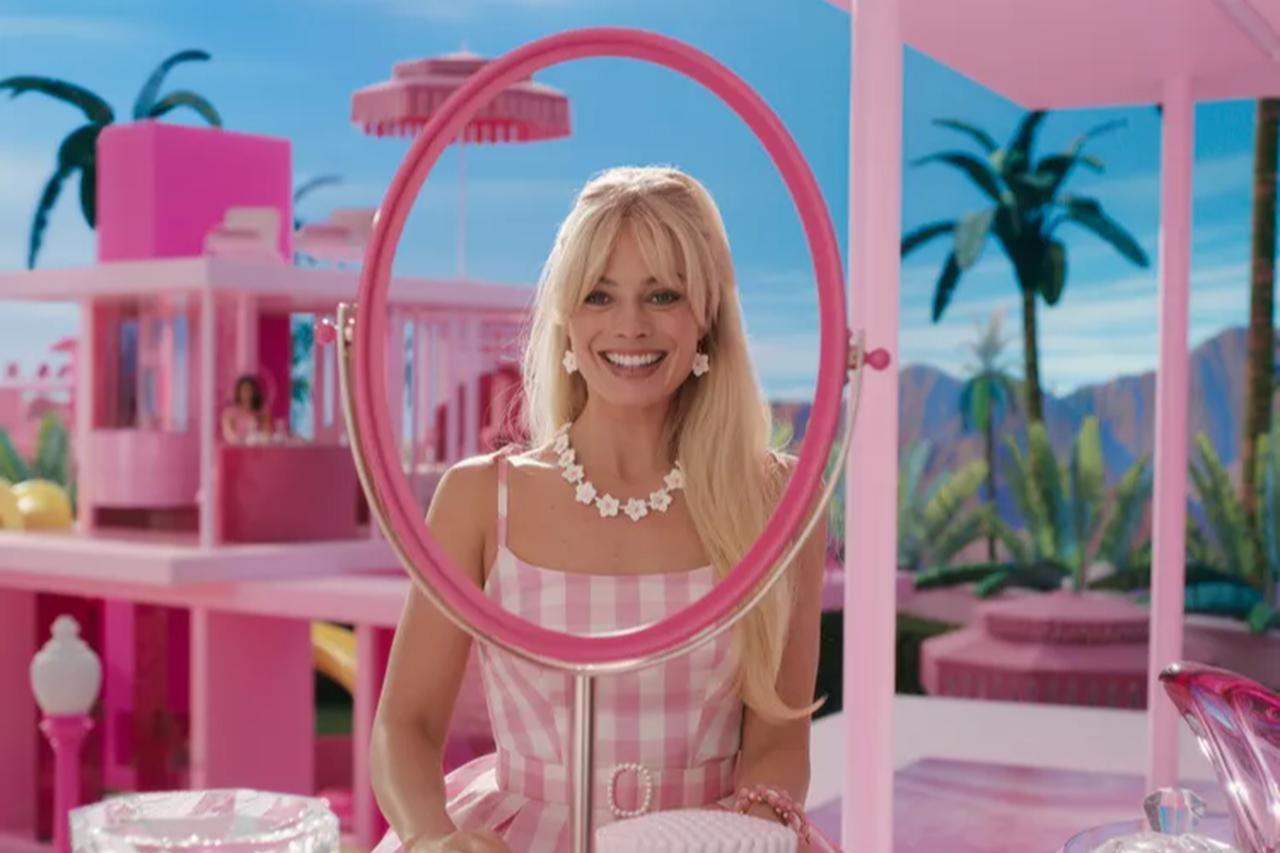
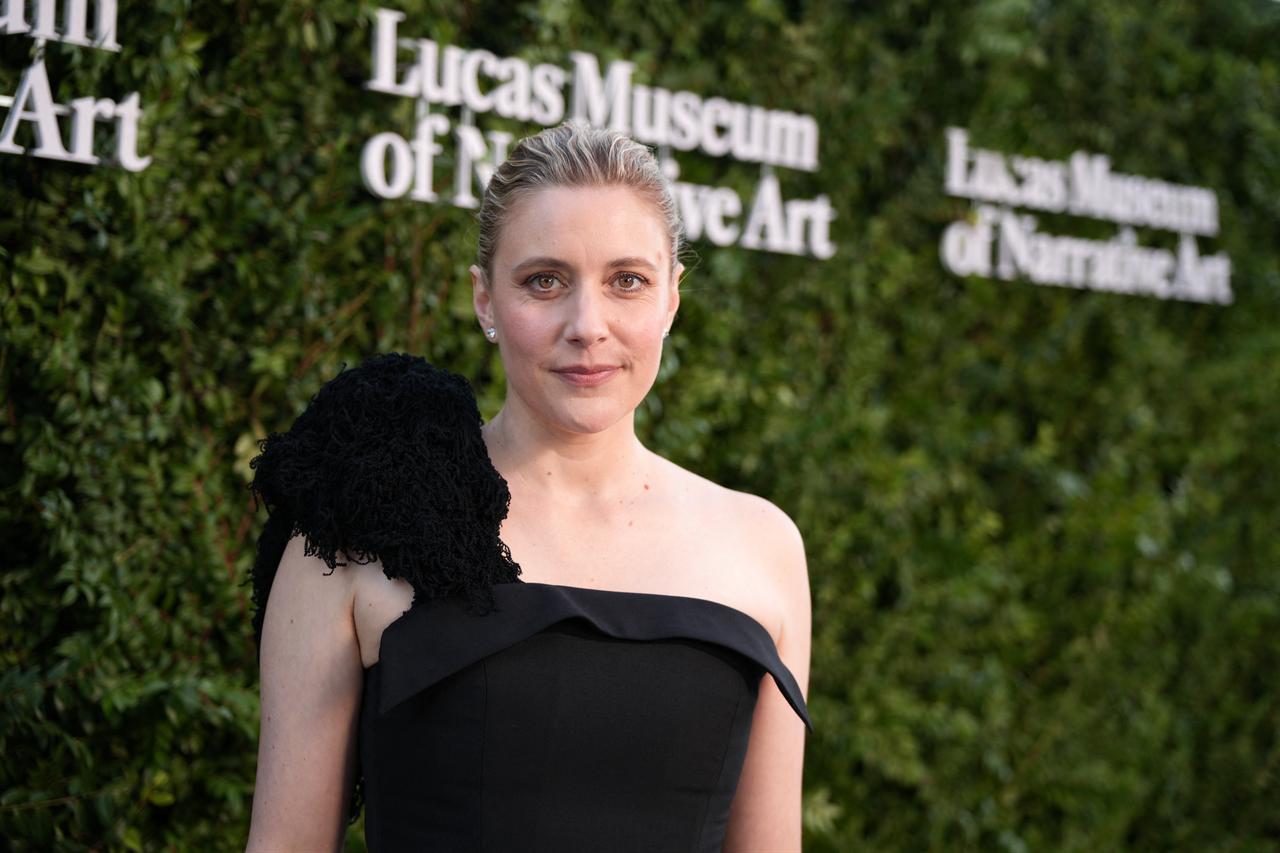
"Barbie," co-written by Greta Gerwig, took in more than £1 billion ($1.3 billion) when it was released in 2023.

The study, published in the journal Frontiers in Communication, examined nearly 200,000 films released between 1994 and 2023.
Films with a woman writer but no woman director recorded a median profit 34% higher than films made entirely by men. Films with both a woman writer and a woman director had a median return on investment 25% higher
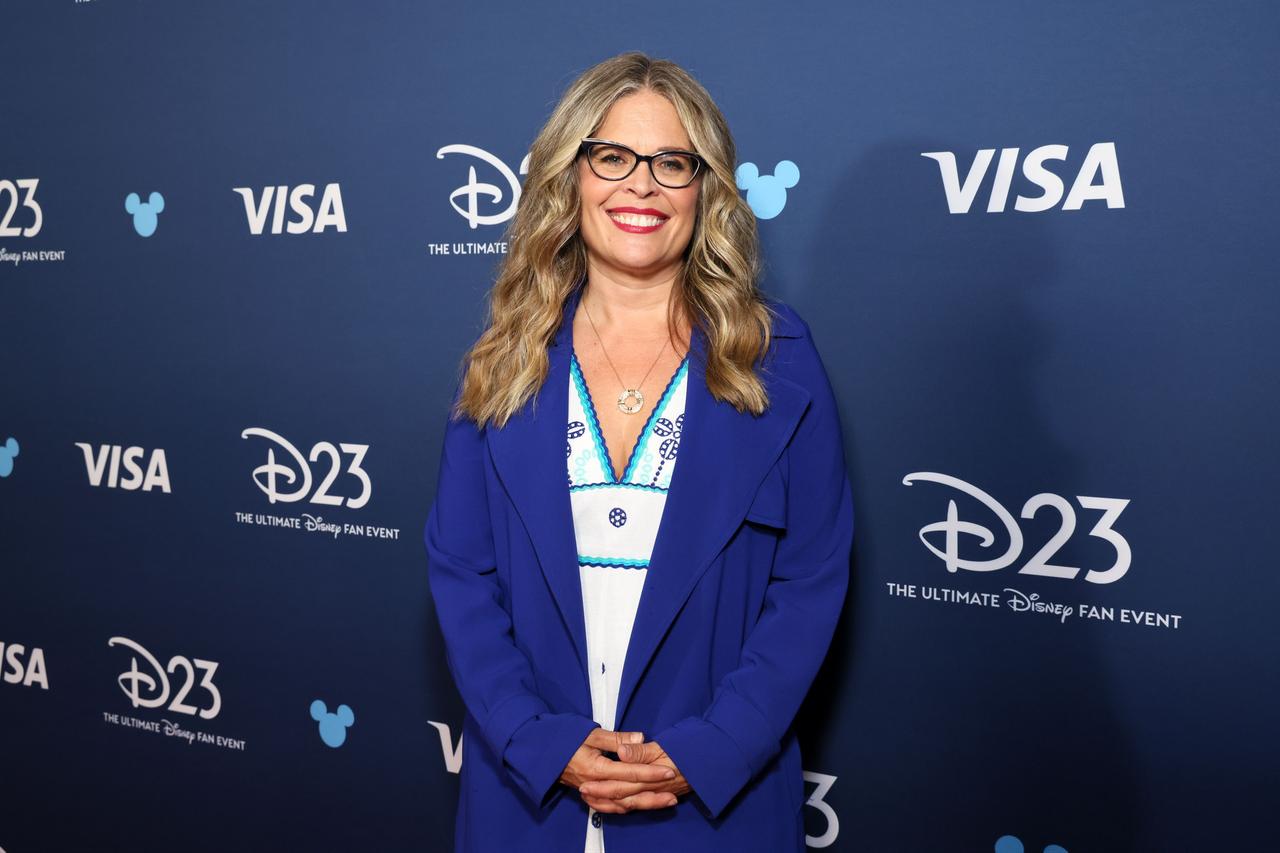
Films by women among the top performers include "Frozen" and "Frozen II," both written by Jennifer Lee, and "Captain Marvel," co-written by Geneva Robertson-Dworet, Anna Boden and Ryan Fleck, which grossed more than $1 billion at the box office.
The study found that over the past 30 years, every film in the top 1% by production budget was directed by a man. Among those 44 films, the five with a woman writer but no woman director posted a median profit about £85.3 million higher than films made entirely by men.
Among films in the top 5% by budget, those with a woman writer but no woman director had a median profit of £420 million, roughly £65 million above films made entirely by men.
In the top 10% budget bracket, films written by women grossed a median £342 million, about £101 million more than films made entirely by men.
The study did not examine why studios have not allocated larger budgets to women directors, according to reporting by The Times. Anja Huwiler, the study's author at Johannes Gutenberg University in Mainz, Germany, said her findings align with earlier research.
According to Huwiler, decision-makers seek to avoid uncertainty and risk, leading them toward familiar choices.
She said the high level of uncertainty in film financing makes familiar names and established working methods appear safer to risk-averse decision-makers, which can reinforce existing patterns even when financial data points in another direction.
The #MeToo movement, which gained momentum in 2017, led to a visible increase in women's participation in the film industry. Researchers say significant gaps remain.
Chloe Zhao, who co-wrote the Oscar-nominated adaptation "Hamnet" with the source novel's author, Maggie O'Farrell, has previously said the film industry was not built to support "feminine leadership."
Zhao is only the second woman to win the best director Oscar, which she received in 2020 for "Nomadland." She has said this style of leadership draws on intuition, relationships, community and interdependence, which she said does not fit the industry's existing model.
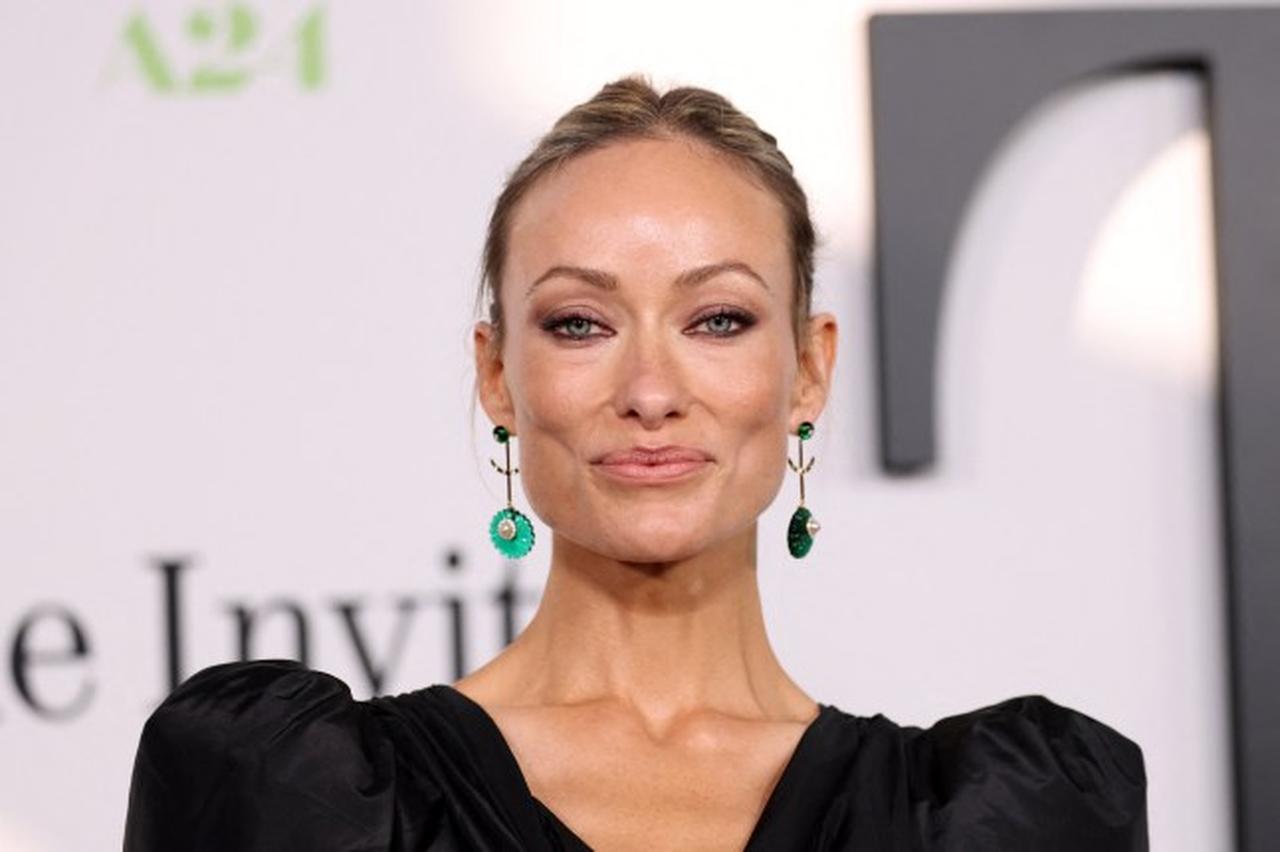
Olivia Wilde, director of "Booksmart" and this year's "The Invite," among other well-received films, has spoken of what she described as an industry culture of "misogyny."
Katie Bailiff, chair of Women in Film & TV UK, said the findings were not surprising. According to Bailiff, the research highlights a disconnect between the proven success of films involving women and the industry's failure to invest in them at the highest levels.
Bailiff said investing in women is not only the right thing to do but also makes commercial sense, adding that the question is no longer whether women can succeed creatively and commercially but why the industry continues to hold them back.


 Set as preferred source
 Set as preferred source


 2 min read