Newsletters


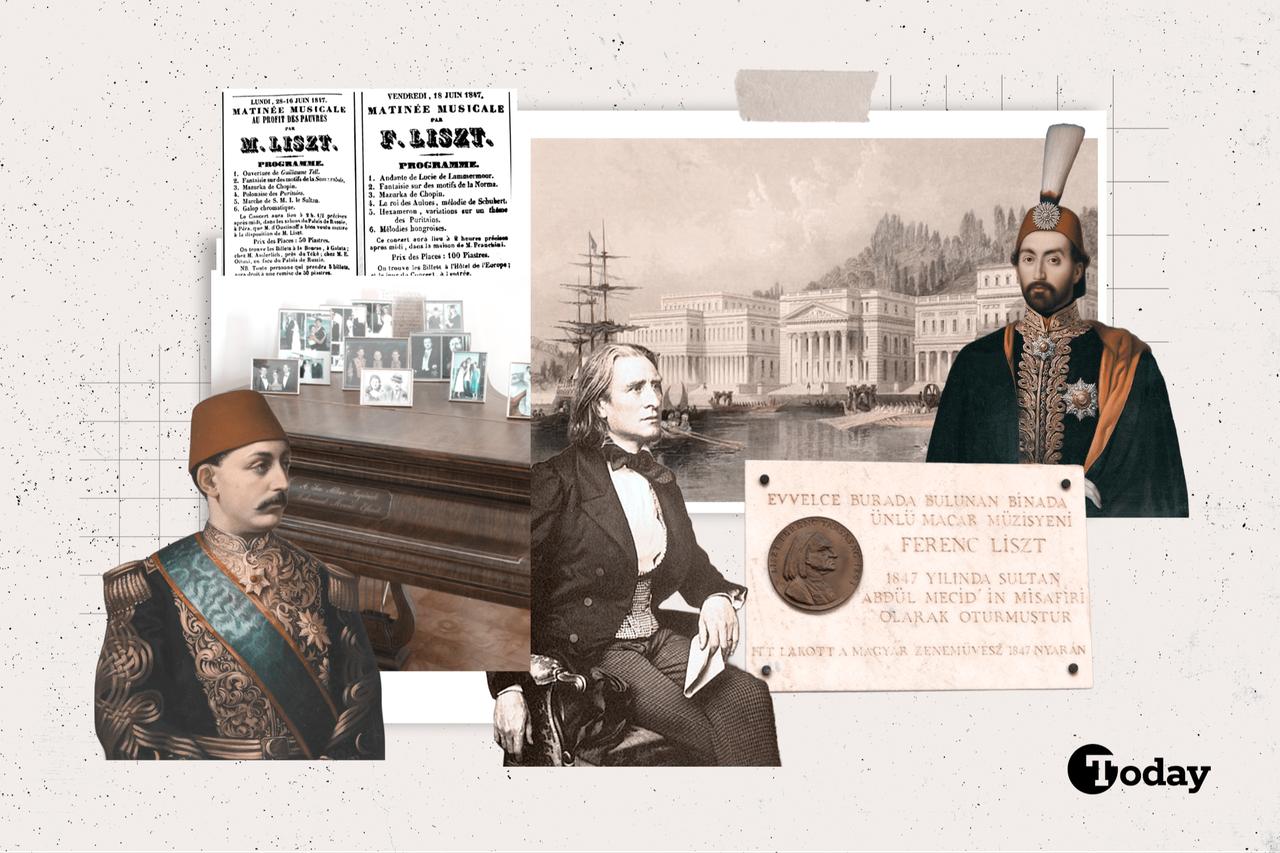


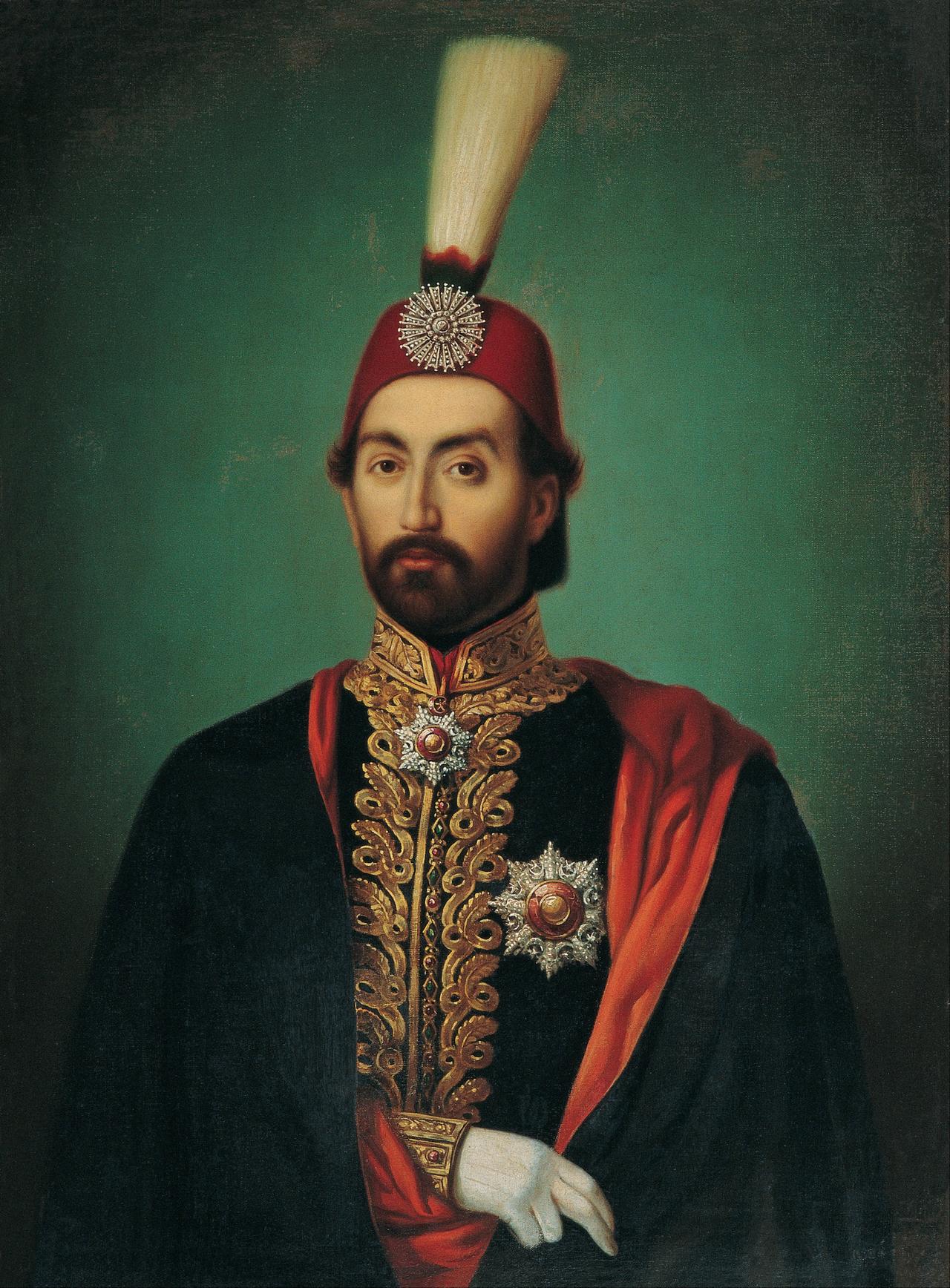
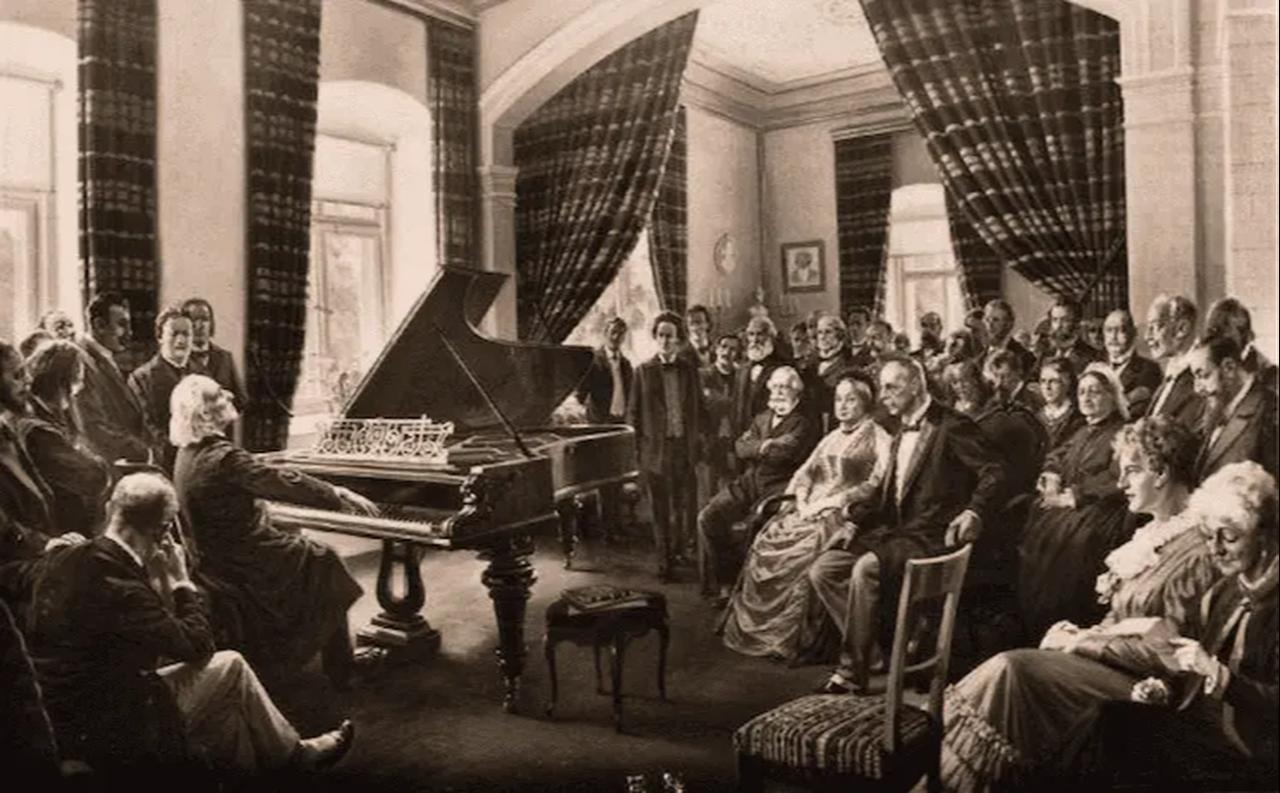
A lively melody filled the reception hall of the old Ciragan Palace. Crystal chandeliers shimmered overhead, their candlelight catching the sultan’s diamond-encrusted orders pinned to a frock coat heavy with gold embroidery. The assembled guests sat mesmerized as the Hungarian virtuoso played, his long, elegant fingers dancing across the ivory keys.
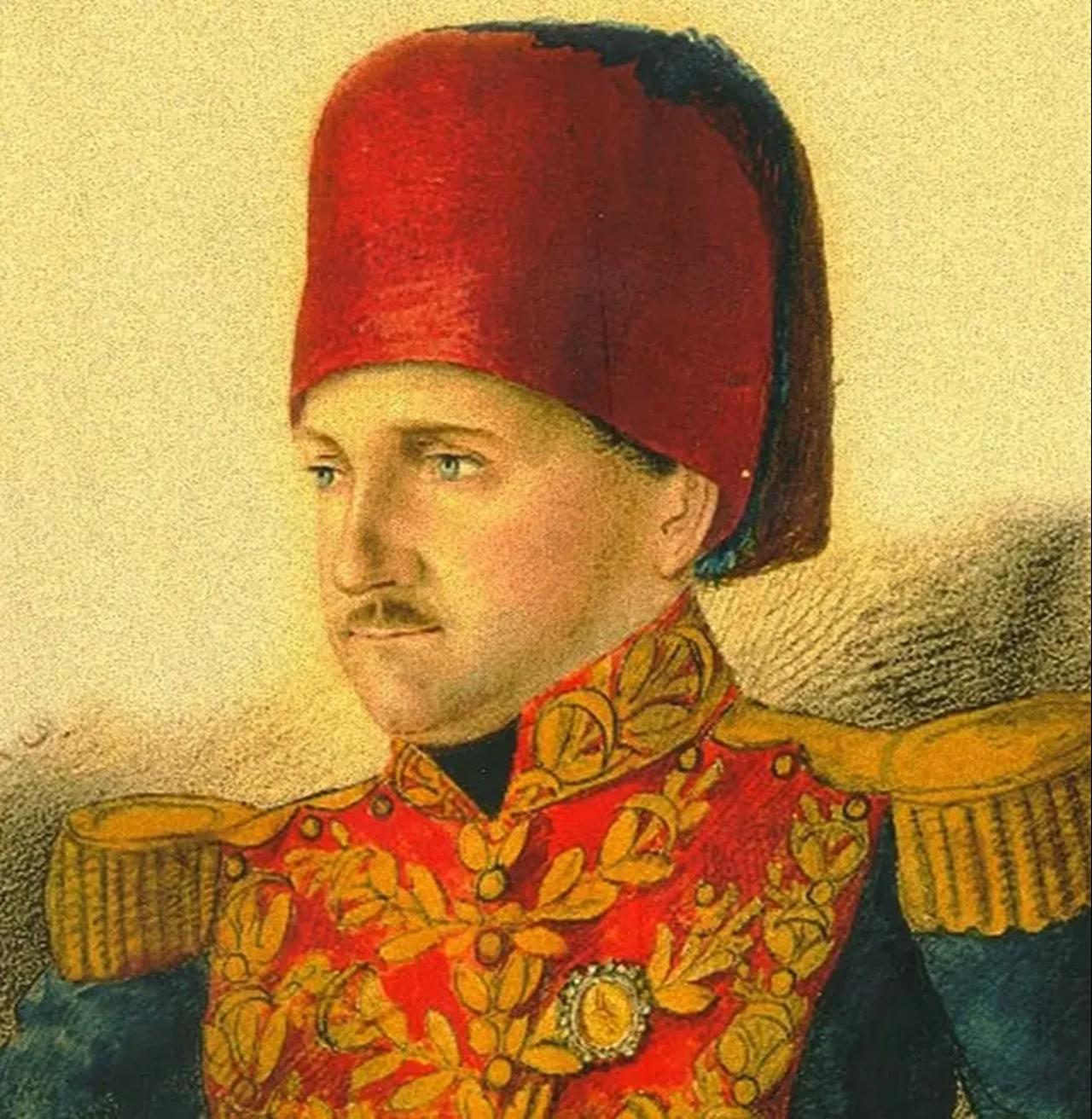
No one listened more intently than Sultan Abdulmecid and his eldest son. The young Prince Murad, not yet 7 years old, sat at his father’s side, his eyes fixed on the pianist, his body gently swaying in time with the music, his feet not quite touching the parquet floor.

The sultan drew on his narguile. A soft, rhythmic bubbling threaded its way into the music, and a plume of perfumed smoke rose slowly into the air, drifting toward the piano.
For the briefest instant, the pianist faltered, striking a wrong note.
The unfamiliar sound, the sweet-smelling smoke, the honor of the occasion—they had all conspired to break his concentration. Most did not notice, but the sultan did. The corner of his mouth lifted slightly beneath his neatly trimmed moustache. Had he known it was his own narguile that had caused the distraction, he would have been mortified.
The music continued, regaining its momentum, building toward its close. Murad leant forward, willing the performance to last just a little longer, his hands clasped tightly in his lap. When the final note was played, there was a moment of silence—and then Sultan Abdulmecid rose, leading the rapturous applause.
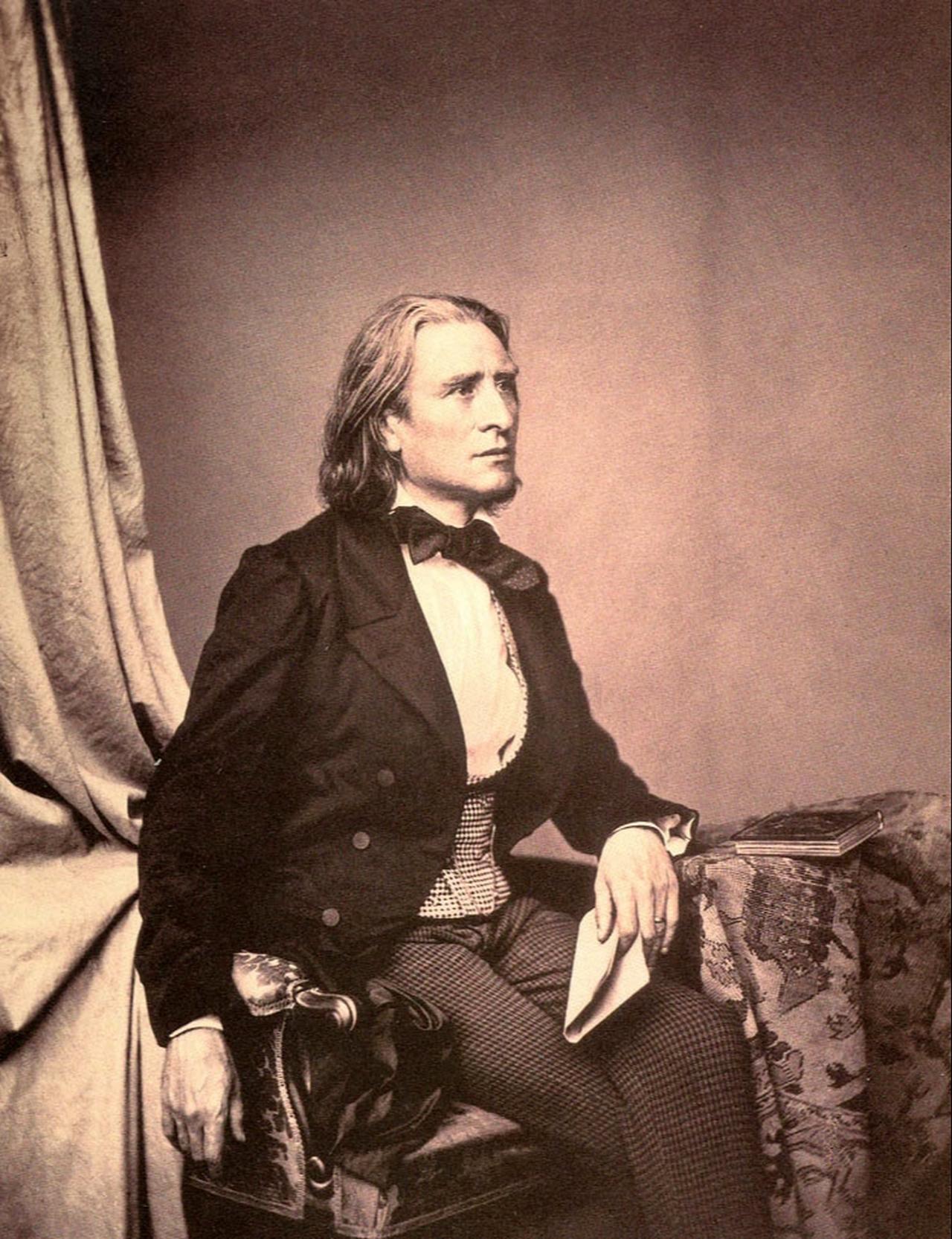
Franz Liszt, already the toast of Europe’s royal salons, had found acclaim at the Imperial Ottoman Court.
And for one young prince in particular, it was a performance he would never forget.
Liszt arrived by ship in Istanbul on June 8, 1847, at the height of his fame. He was personally greeted by Giuseppe Donizetti Pasha, the sultan’s master of music, who had arranged the visit. Donizetti Pasha had modernized the Ottoman military bands under Sultan Mahmud II and played a pivotal role in introducing European-style music to the Imperial Court.
Soon after his arrival, Liszt was granted an audience with Sultan Abdulmecid. “I was greatly surprised that His Majesty was so aware of my fame,” he later wrote. The sultan presented him with the Order of Glory (Nisn-i Iftihar), along with a jewelled snuffbox as a mark of his esteem.
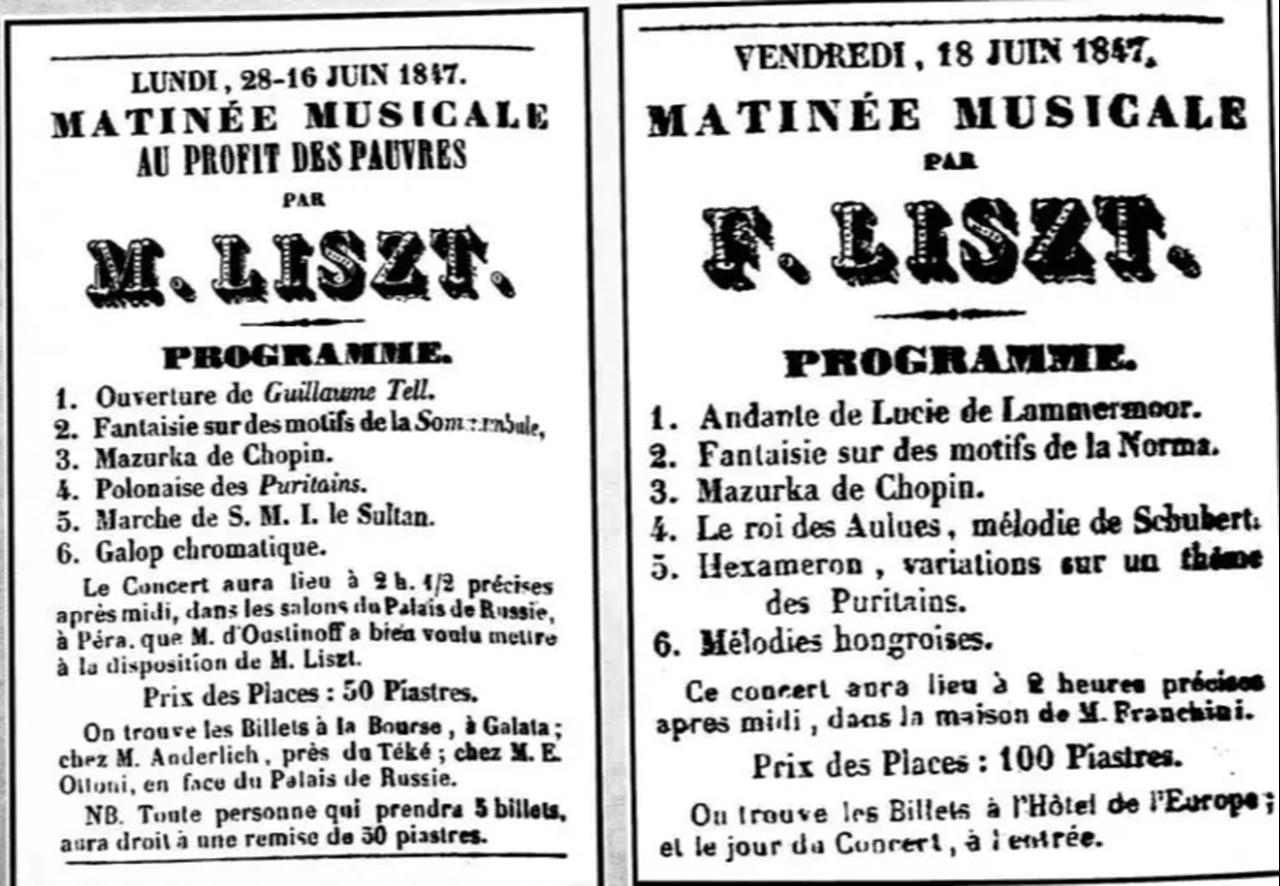
Liszt performed twice at the Ciragan Palace. Aware of Abdulmecid’s fondness for Italian opera, he chose his program with care, including the Andante from Lucia di Lammermoor by Gaetano Donizetti, the brother of the sultan’s master of music, Casta Diva from Bellini’s opera Norma, and concluding with Rossini’s rousing William Tell Overture. The selection was both diplomatic and dazzling.
During his five-week stay in Istanbul, he also performed at the Russian Embassy in Pera, at the Hotel d’Europe, and at the Franchini mansion in Buyukdere. Tickets were priced at 100 kurus, and, in keeping with his reputation, the proceeds were given to charitable causes.
In addition to performing in the imperial capital, Liszt worked on a variation of the Mecidiye March, composed by Donizetti Pasha. He entitled the piece Grande Paraphrase de la Marche de Giuseppe Donizetti, and played it at his second concert before the Sultan. Offered as a tribute, it was received with great appreciation.
In the winter of 1846, Sultan Abdulmecid commissioned a piano from the Parisian maker Erard, one of the most celebrated manufacturers of the time. The arrangements were overseen by Donizetti Pasha, who conducted a detailed correspondence with the workshop regarding the instrument’s design. One of these letters, now preserved in the Topkapi Palace Museum archives, records that it was purchased for 4,000 French francs.
By the time Liszt arrived in Istanbul, the piano had been installed at the Ciragan Palace, where it would be used for his performances before the Sultan. Writing on Aug. 5, 1847, Liszt thanked Pierre Erard for the instrument, describing it as “truly powerful and exceptional.”
Unusually, soon after the concerts at the Ciragan Palace, the piano was sold to a young Ottoman man as a gift for his fiancee, for the sum of ₺160. Liszt reflected on its fate as “a truly romantic destiny,” one he added, that “it richly deserves it for its classical qualities.”
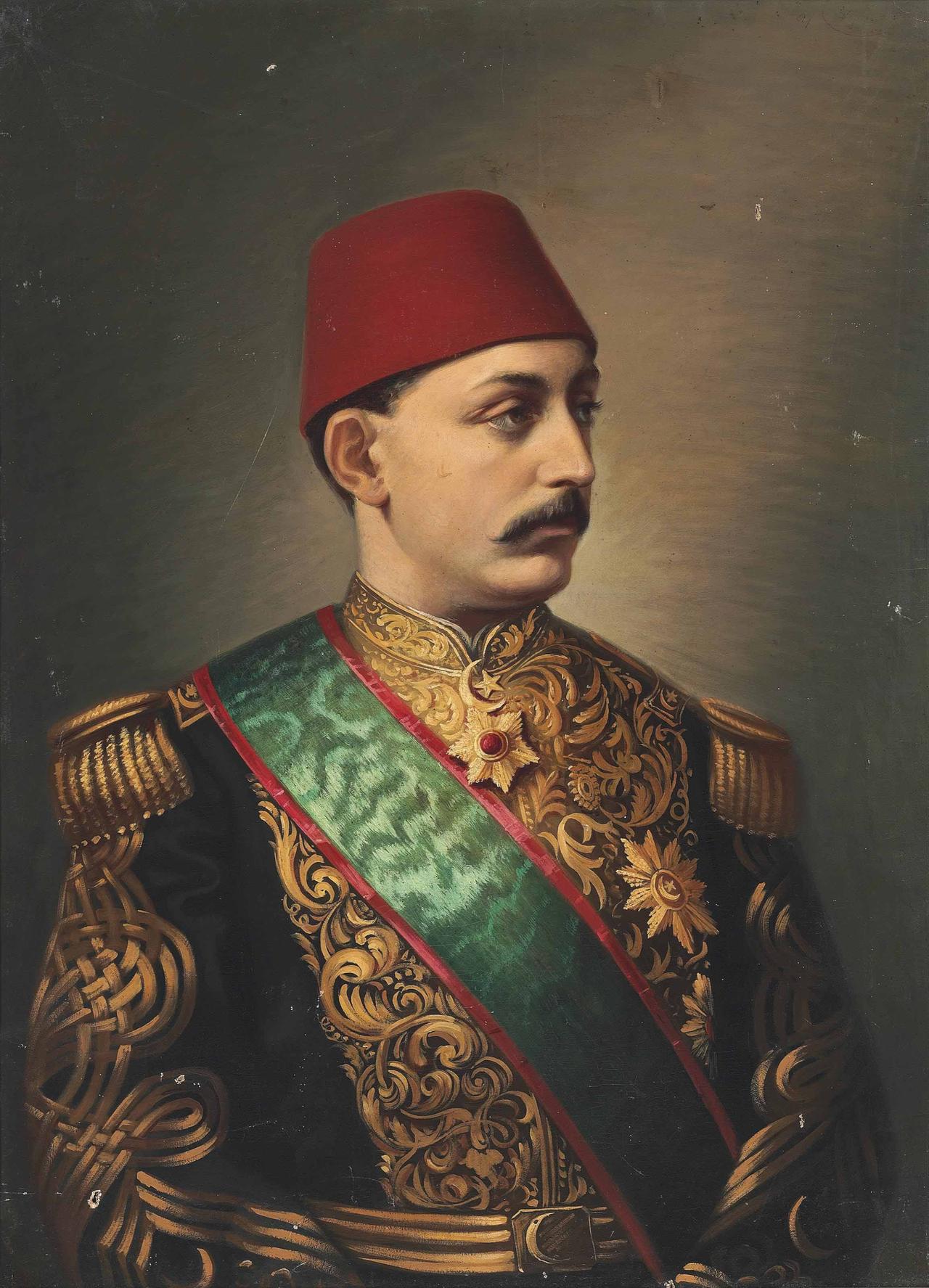
Sultan Abdulmecid was, in many ways, the embodiment of a changing empire. Continuing the reforms of his father, Sultan Mahmud II, he presided over a period of profound transformation known as the Tanzimat, a program of westernization that sought to bring the Ottoman state into closer alignment with Europe. This spirit of reform extended beyond law and administration into culture, taste, and daily life. The embrace of Western music at Court was not incidental, but part of a broader vision of modernization.
For his eldest son, Prince Murad, the visit of Franz Liszt to Istanbul would prove life-altering. Listening to the Hungarian virtuoso that night became the catalyst for a lifelong devotion to music. And since Liszt had performed on an Erard piano, Murad dreamt of playing one himself. Recognizing his son’s passion, Abdulmecid ordered a piano from the Parisian maker a few years later. It arrived in Istanbul in the spring of 1861. By then, the sultan’s health was failing. Rather than wait to present it on Murad’s 21st birthday, as he had intended, he chose to give it to him at once.
Murad was overwhelmed. It would be the last gift he received from his father. Within months, Abdulmecid was dead.
Murad would go on to become a gifted composer and pianist, recognized today for the sensitivity and sophistication of his music. The origins of that talent lay in a concert held at the Ciragan Palace, and in a father who understood what it had awakened in his son.
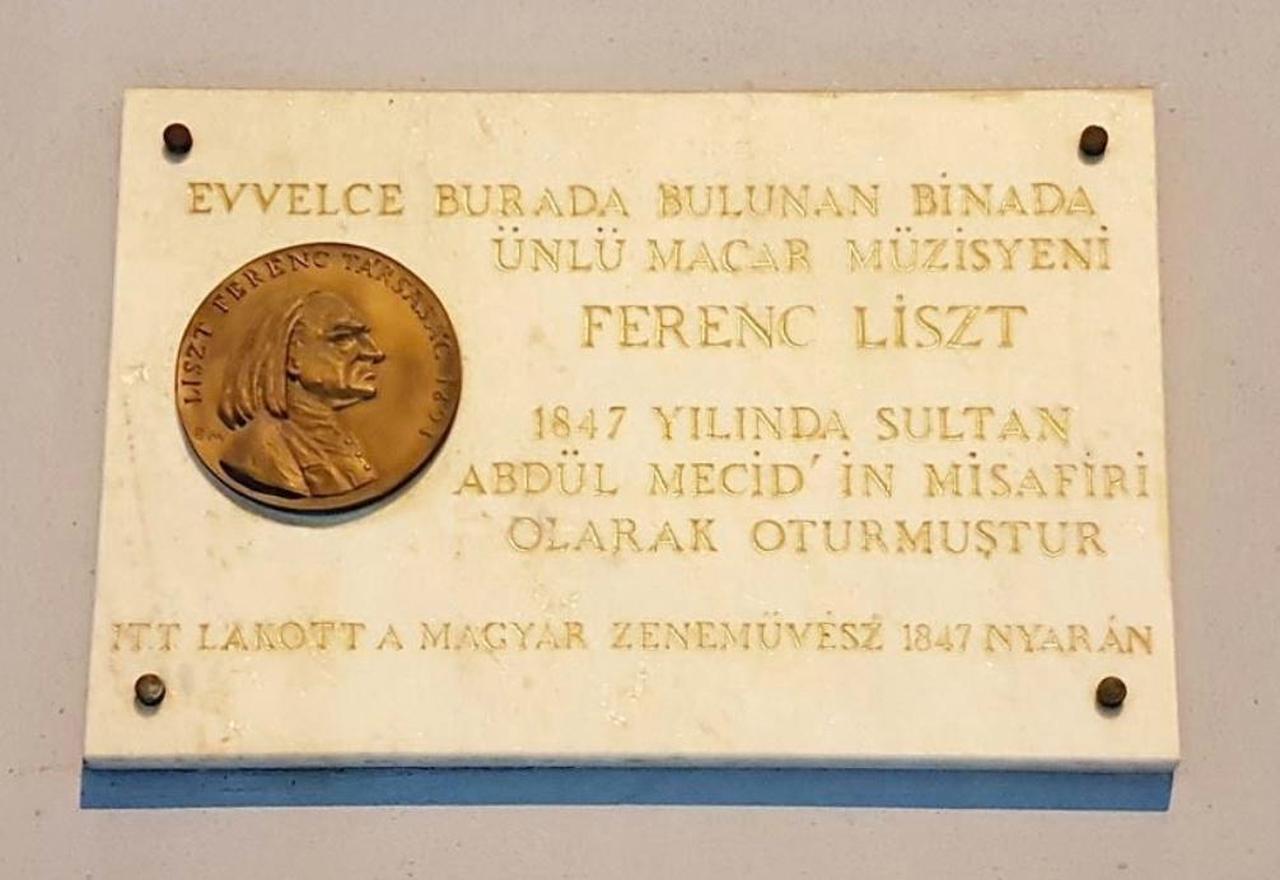
During his visit to Istanbul, Franz Liszt stayed at the home of the piano maker, Alexander Kommendinger, in Pera. The house is no longer there, but on what was then called Polonya Sokak, now Nur-u Ziya Sokak, close to the former residence of the French ambassador, a plaque marks the spot where it once stood, reminding passers-by of the time when Franz Liszt came to Istanbul.
The old Ciragan Palace is also long gone, but in its place stands the present-day Ciragan Palace, where Sultan Murad V languished for 28 years in enforced confinement. It is now a luxury hotel, but as you gaze up at its stone facade, you can almost imagine the deposed sultan seated at his Erard piano, music drifting out of the windows and across the Bosphorus.
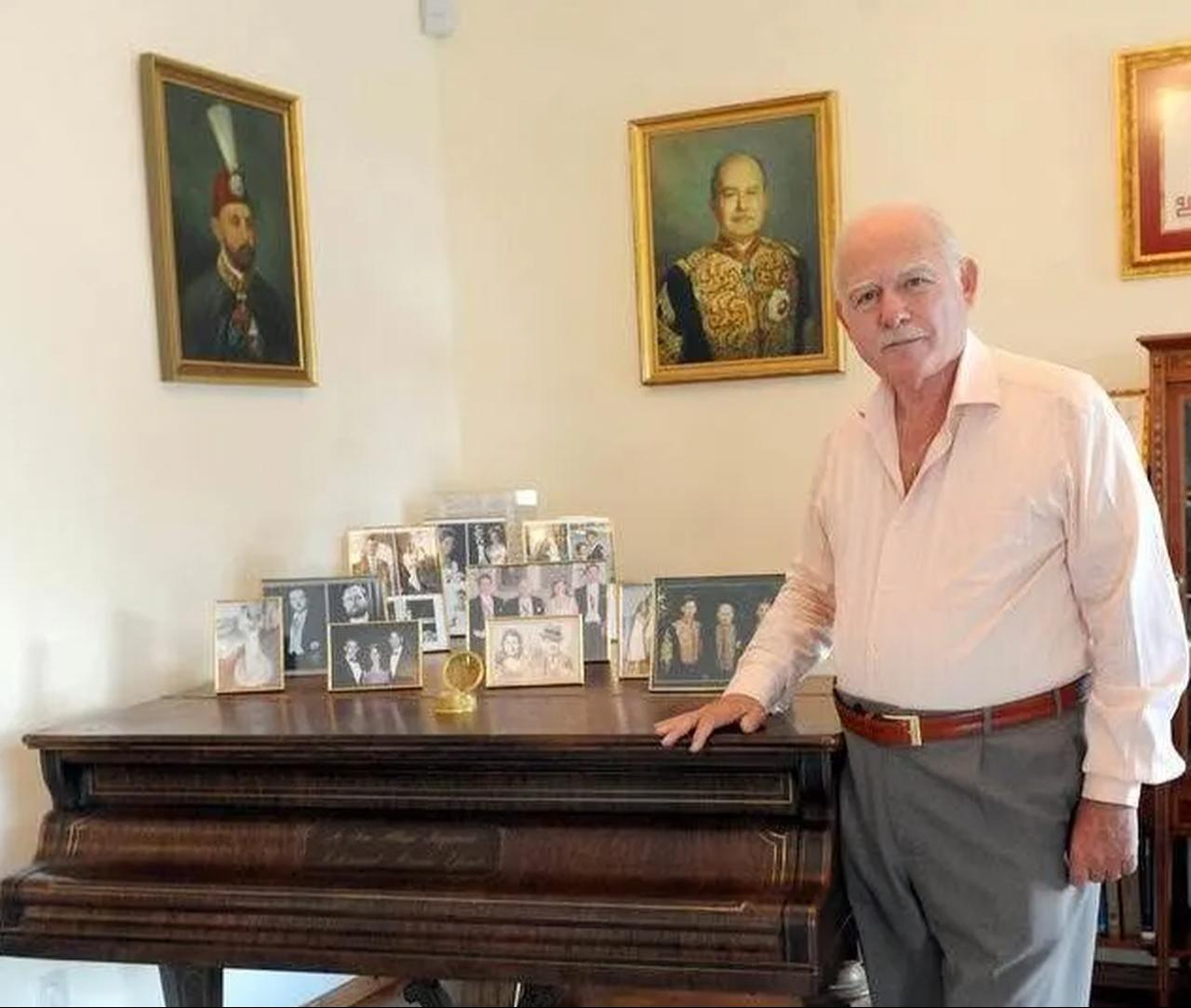
That piano still survives. Its voice, softened by time, has not been silenced. It remains in the private collection of the descendants of Sultan Murad V. And perhaps, one day, Grande Paraphrase de la Marche de Giuseppe Donizetti by Franz Liszt will be played upon its keys.
Until we meet again in the next Sultan’s Salon…


 Set as preferred source
 Set as preferred source


 2 min read
 1 min read