Newsletters


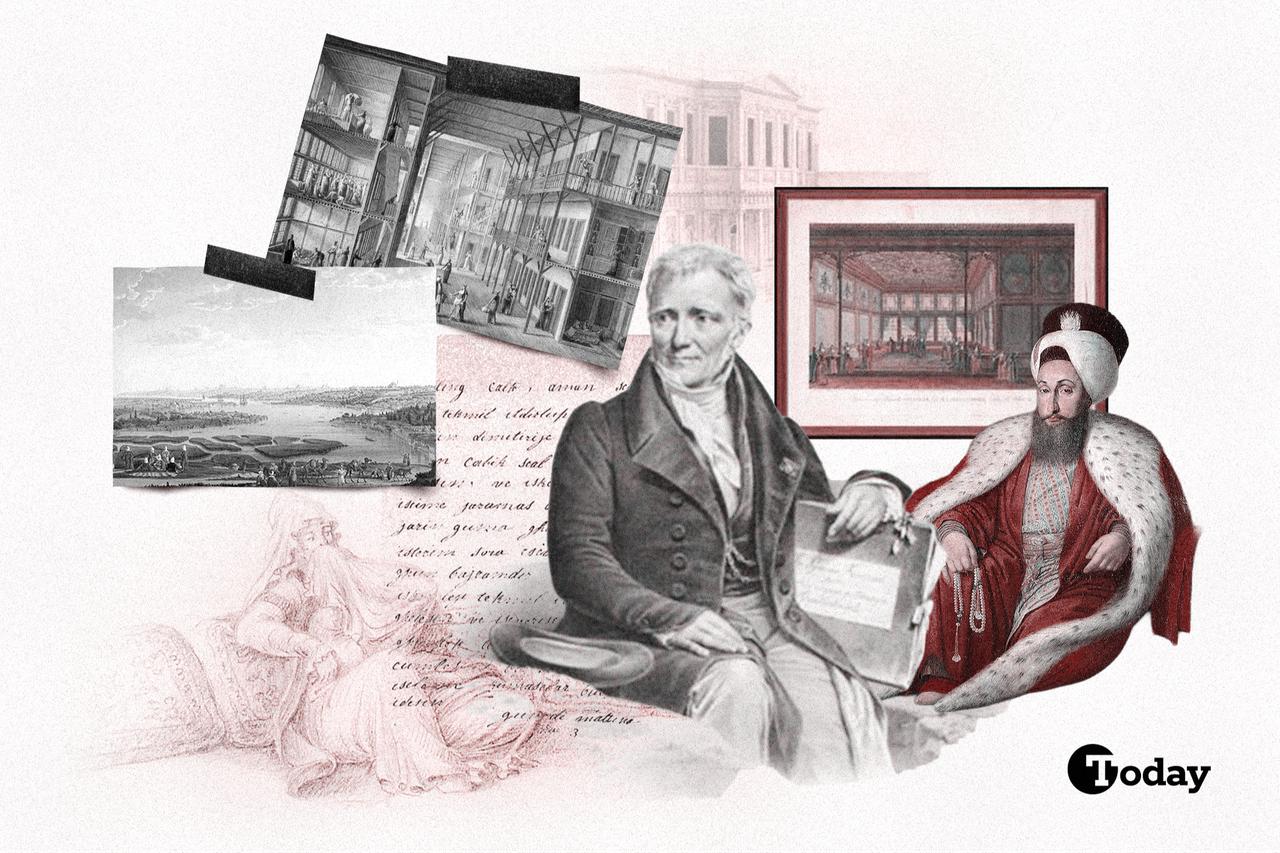


In the gardens of Defterdarburnu Palace, the warm breeze carried the scent of lilac, acacia, and roses. Somewhere below, from the waterfront pavilions, the low sound of ney flutes drifted across the Bosphorus, its surface catching the light like burnished silver. Paths led into a maze laid out in the European style, and at its center, on a marble bench, Hadice Sultan sat with a letter in her hands.
She recognized the handwriting at once. The words were Turkish, yet formed in Latin letters, carefully spelled out phonetically. He had never mastered the Arabic script. She breathed in the perfumed air and sighed.
This garden was his as much as it was hers. It was he who designed every path, every flowerbed, every view, creating a secluded paradise on the Bosphorus where she found peace. For years, he had worked here under her patronage, rising to the position of Imperial Architect to her brother, Sultan Selim III, until he fell from favor and was forbidden a place in her world.
Hadice unfolded the letter from Antoine Melling and began to read it.
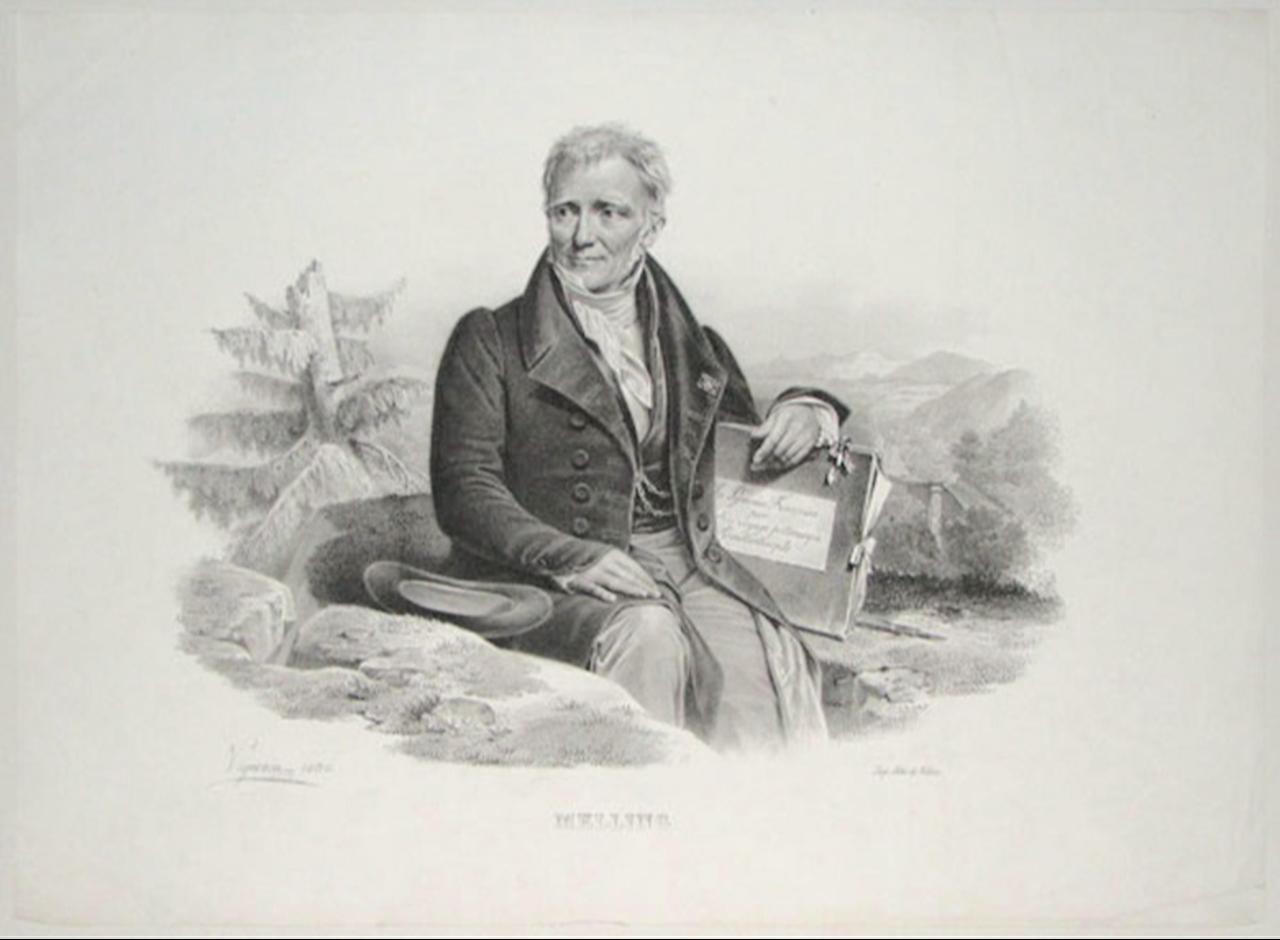

Antoine Ignace Melling arrived in Istanbul in 1784, trained in architecture and mathematics, and having served his apprenticeship under his uncle, a former court painter to the Margrave of Baden. Over the next two decades, he would become one of the most remarkable visual chroniclers of the Imperial Ottoman capital, producing drawings, engravings, and paintings that preserve a world now long vanished.
He began modestly, as an art tutor to the children of European diplomats living in Pera, while also accepting private commissions. Among his earliest patrons was the Danish ambassador, Baron Frederik von Hubsch, for whom he designed the gardens of his official residence.
It was here that his work first came to the attention of Hadice Sultan, the cultured and intellectually curious half-sister of Sultan Selim III. Encountering his designs, she was immediately struck by their refinement and by the mind that conceived them.
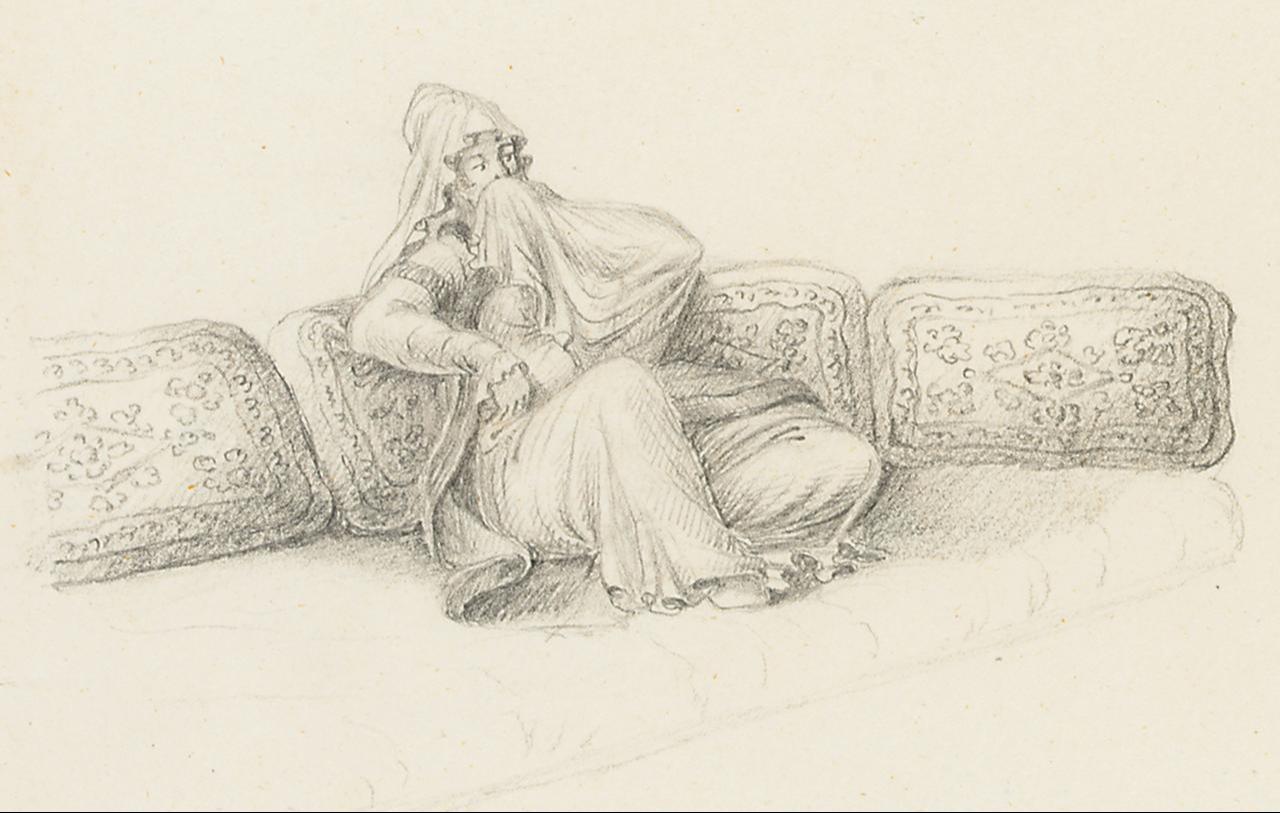
Hadice was no ordinary Ottoman princess. The beloved sister and close confidante of Sultan Selim III, she shared many of his ideas. Her brother, the reformist sultan, was cautiously opening windows toward the West, introducing military reforms, encouraging European artistic influences, and cultivating intellectual exchange. His court became a place where music, architecture, and art flourished. It was precisely the kind of environment in which a young man like Melling could thrive.
Hadice was an avid collector of porcelain from France, Austria, and Saxony, and experimented with Western decorative fashions, transforming her palaces into elegant fusions of Ottoman tradition and European neoclassical design. Her patronage was discerning, guided by an instinct for beauty, harmony, and innovation.
In Melling, she recognized something rare. Not simply a skilled artist, but a kindred spirit. It was a recognition that would draw them unexpectedly together.
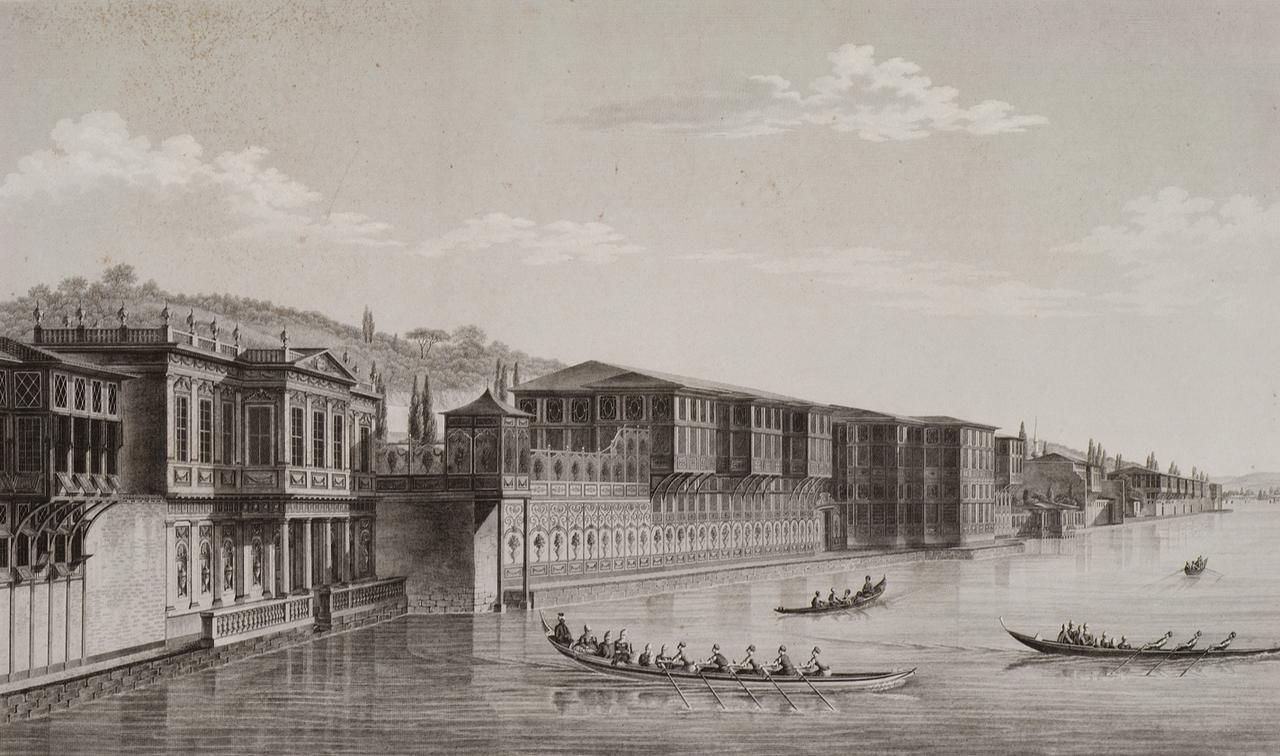
From the moment Melling entered her orbit, his role extended far beyond that of a conventional architect. Under Hadice’s patronage, he became what the art historian Elisabeth A. Fraser describes in Mediterranean Encounters: Artists Between Europe and the Ottoman Empire 1774-1839 as a “kind of artistic director in residence.” He designed the layout and gardens of Defterdarburnu Palace and advised on the furnishings and interior decoration of all the princess’ residences, overseeing details as minute as pearls sewn into embroidered napkins.
Hadice’s patronage also brought him close to Sultan Selim III, who recognized both his technical skill and his rare ability to observe the Ottoman world without caricature or exoticism. Melling was commissioned to renovate the sultan’s summer palace in Besiktas, and produced panoramic drawings and luminous, naturalistic watercolours that captured the rhythms of daily life—outings in the parks, elegant women travelling by caique, wedding processions winding through the streets, and waterfront palaces shimmering along the Bosphorus.
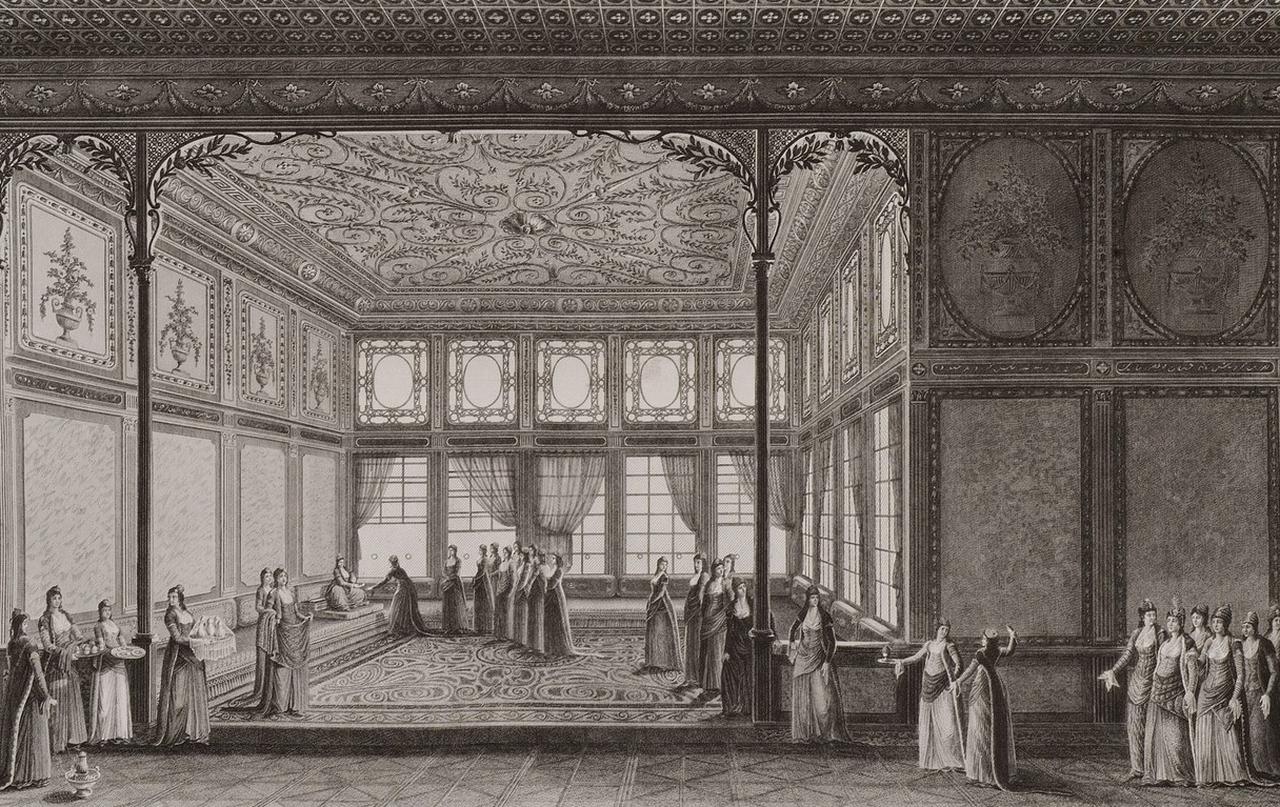
Unlike many Western Orientalist painters, he came to understand Ottoman customs and traditions and was consequently granted unprecedented access to the most private areas of the imperial court. The result was extraordinary: a body of work that includes rare and sensitive depictions of the imperial harem, unmatched in their detail. As the novelist Orhan Pamuk observed, Melling “saw his city like an Istanbulite but painted it like a clear-eyed Westerner.”
All of it unfolded under Hadice’s discerning eye. She even had an apartment built for Melling within her palace complex, an arrangement that did not pass without comment. And all the while, she did something almost unthinkable for an Ottoman princess of her time. She corresponded directly with him.
Many of their surviving letters have since been published. Their contents are practical rather than intimate, filled with discussions of furnishings and design ideas. Yet even so, rumors inevitably followed. Whispers circulated, suggesting a closeness that extended beyond the boundaries of patronage—and propriety.
Melling fell out of favor. Sultan Selim was angered by his sister’s inappropriate friendship with him, while Napoleon’s invasion of Egypt inflamed anti-French sentiment amongst the Ottoman elite. His stipend stopped and Hadice was told to sever all contact.
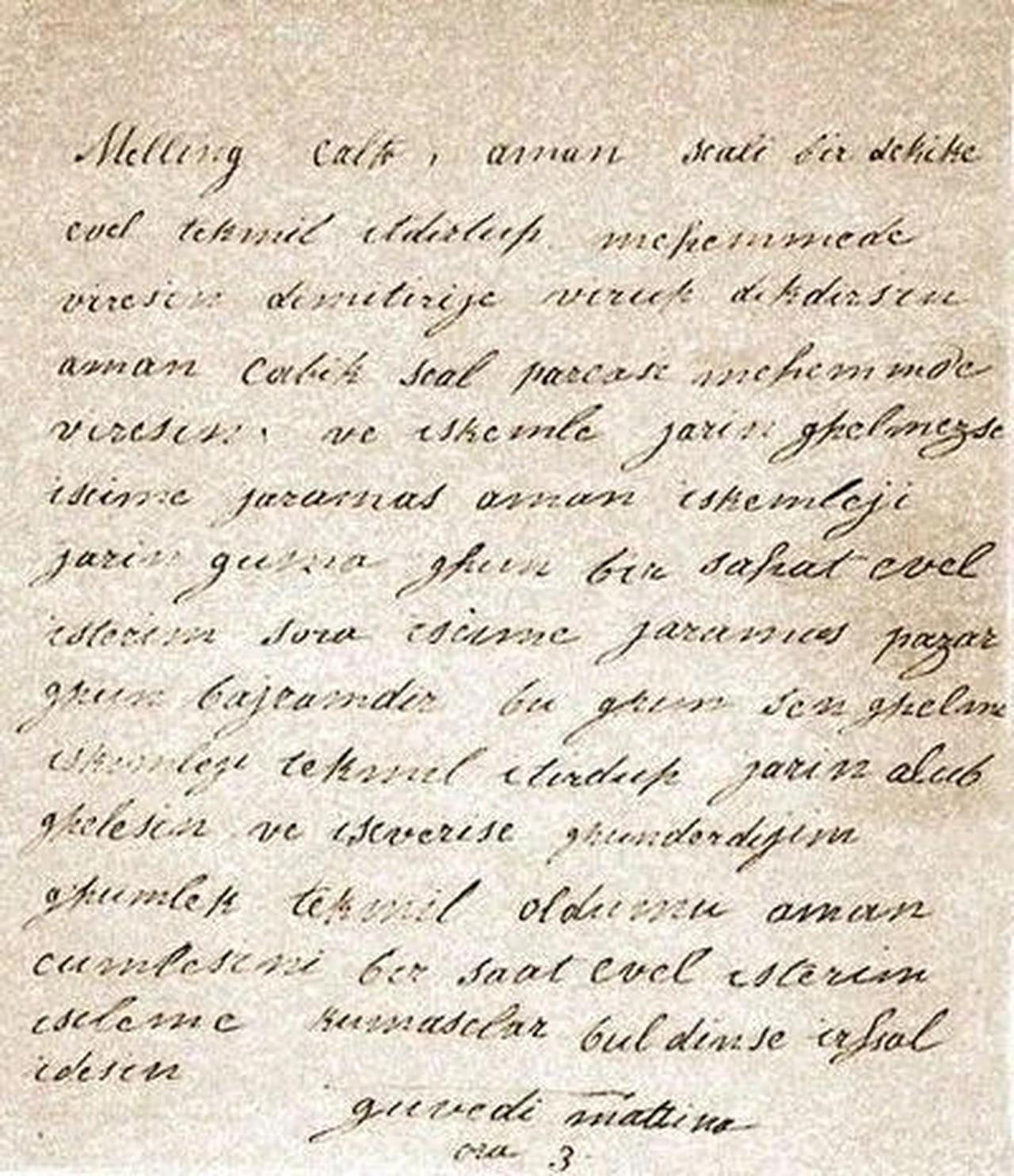
Melling wrote a final letter to his former patron, a letter the princess might have read in the maze he had designed in the gardens of Defterdarburnu Palace.
“Your Highness, on Saturday, I, your humble servant, sent my manservant to collect my monthly stipend. They told him it has been stopped ... After seeing so much kindness from Your Highness, I could not believe this order came from you … Winter is coming … The landlord wants the rent … I entreat you, I have been left without a coin to my name … Your Highness, I implore you not to abandon me.”
She never replied.
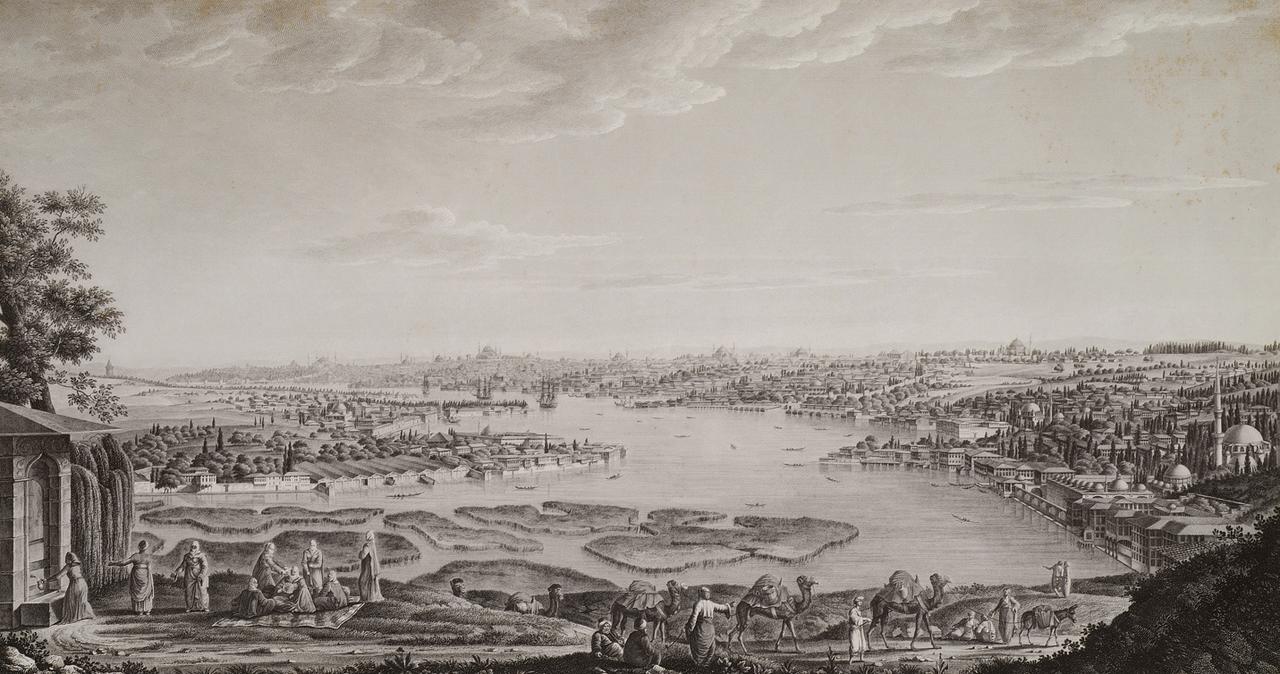
Melling left Istanbul and settled in Paris. There, he published his monumental “Voyage pittoresque de Constantinople et des rives du Bosphore” (A Picturesque Voyage to Constantinople and the Shores of the Bosphorus), a lavish collection of engravings documenting the breathtaking beauty of Istanbul.
At a time when fascination with all things Ottoman, known as Turquerie, had become fashionable, the work caused a sensation, attracting many admirers, including the newly crowned Empress Josephine.
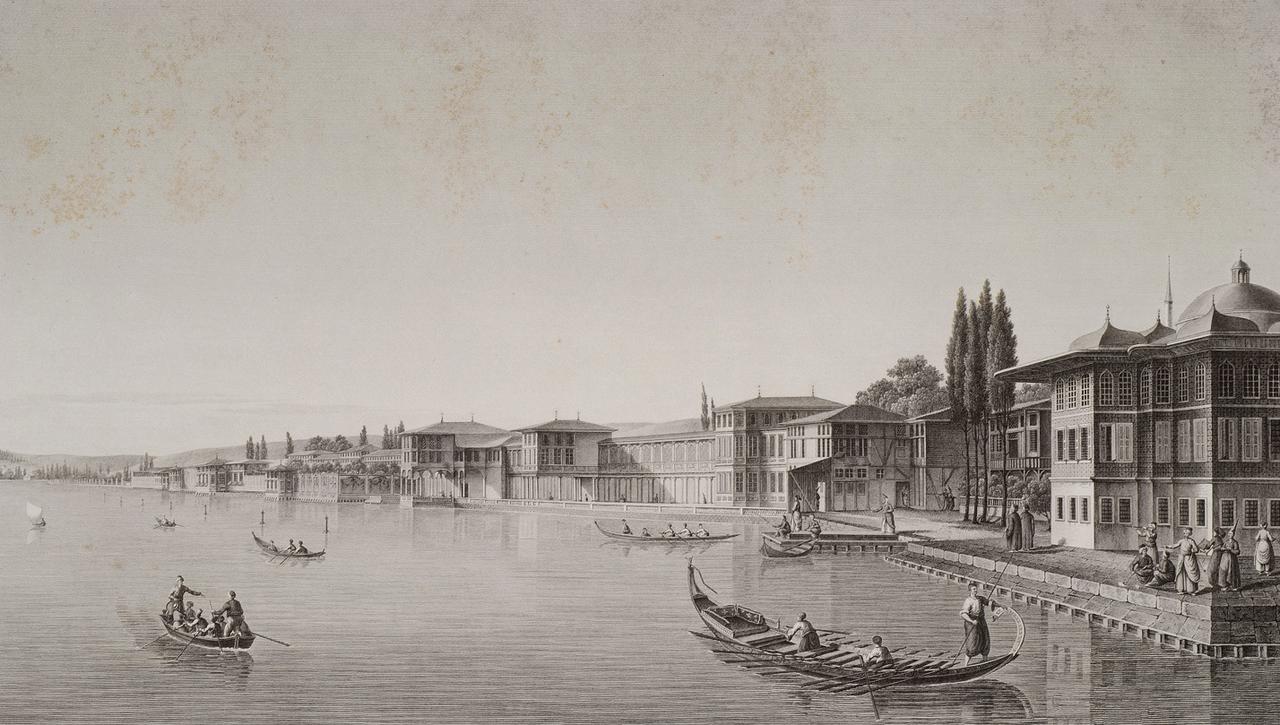
Today, much of the Istanbul that Melling painted has vanished. Fires, demolition, and the relentless reinvention of the city have erased many of the wooden palaces, gardens, and panoramas he once knew. Yet, his engravings and paintings remain among the most important records of Istanbul during the time of Sultan Selim III and his beloved sister, Hadice Sultan.
Today, when we walk along the Bosphorus, it is easy to admire its unique beauty without pausing to consider how much has been lost. But to truly appreciate the city Melling loved, I invite you to visit the shores of Ortakoy and Kurucesme at sunset. The palaces, gardens, and caiques may be gone, but the curve of the Bosphorus remains unchanged. Stand by the water as evening falls and it becomes easier to imagine Hadice Sultan once wandering through the maze designed by a young French architect, unaware that their story would endure long after the garden itself had disappeared.
Until we meet again in the next Sultan’s Salon…


 Set as preferred source
 Set as preferred source


 2 min read
 1 min read