Newsletters


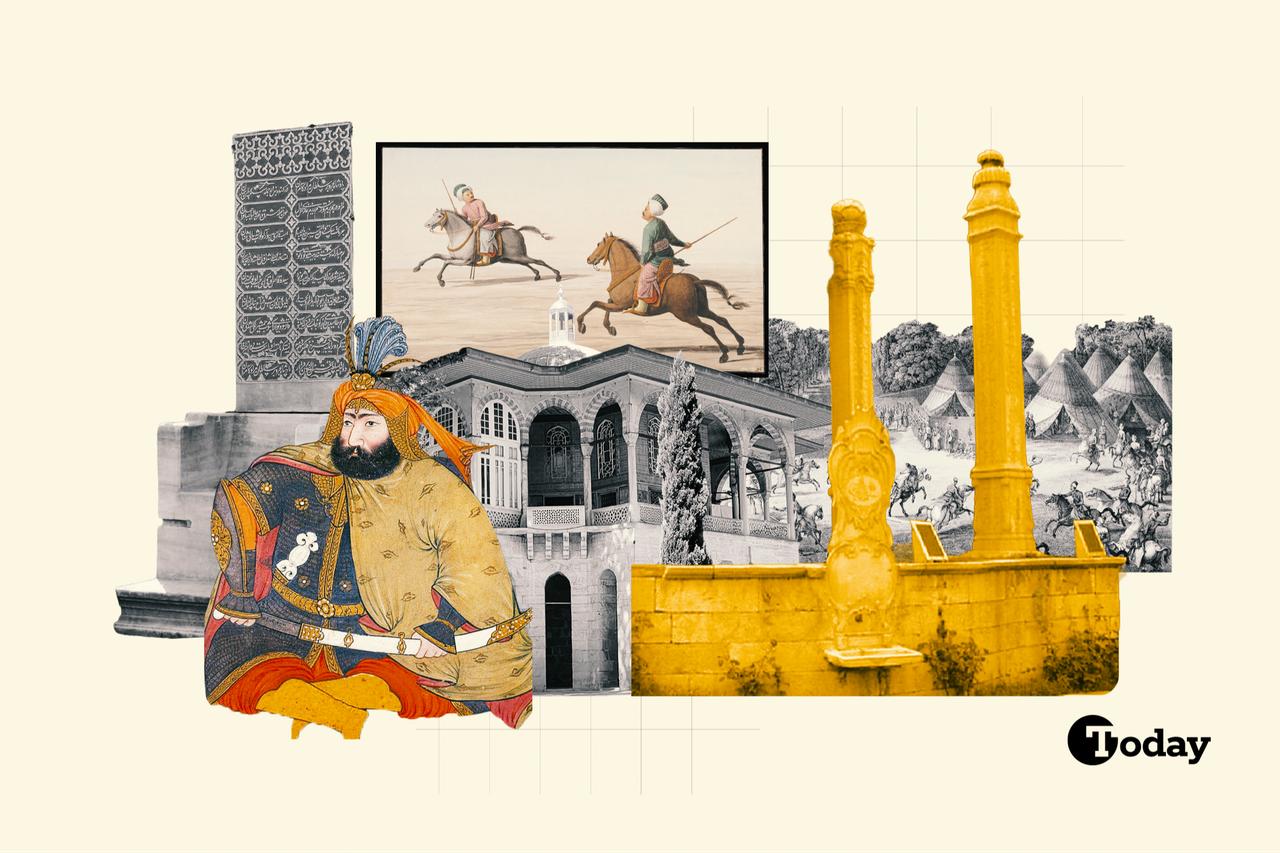


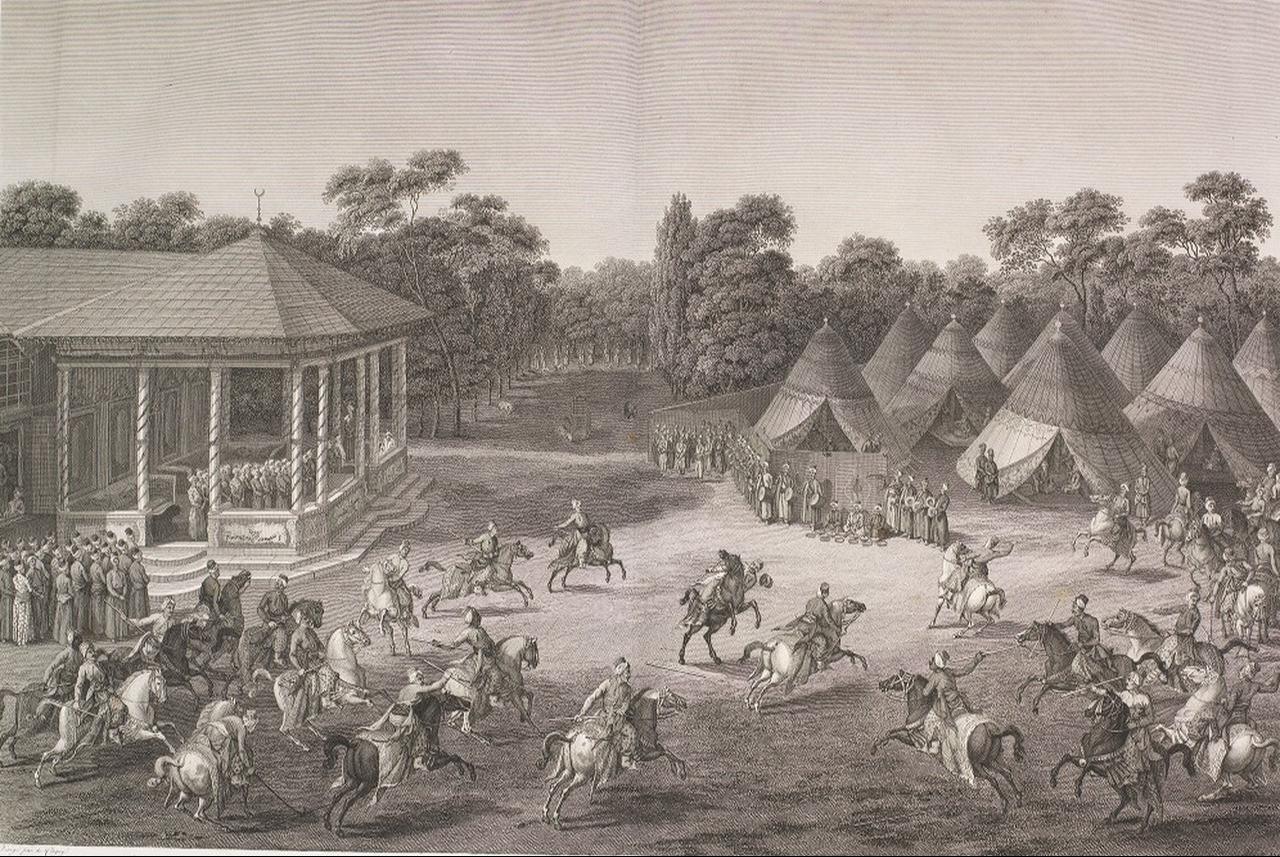
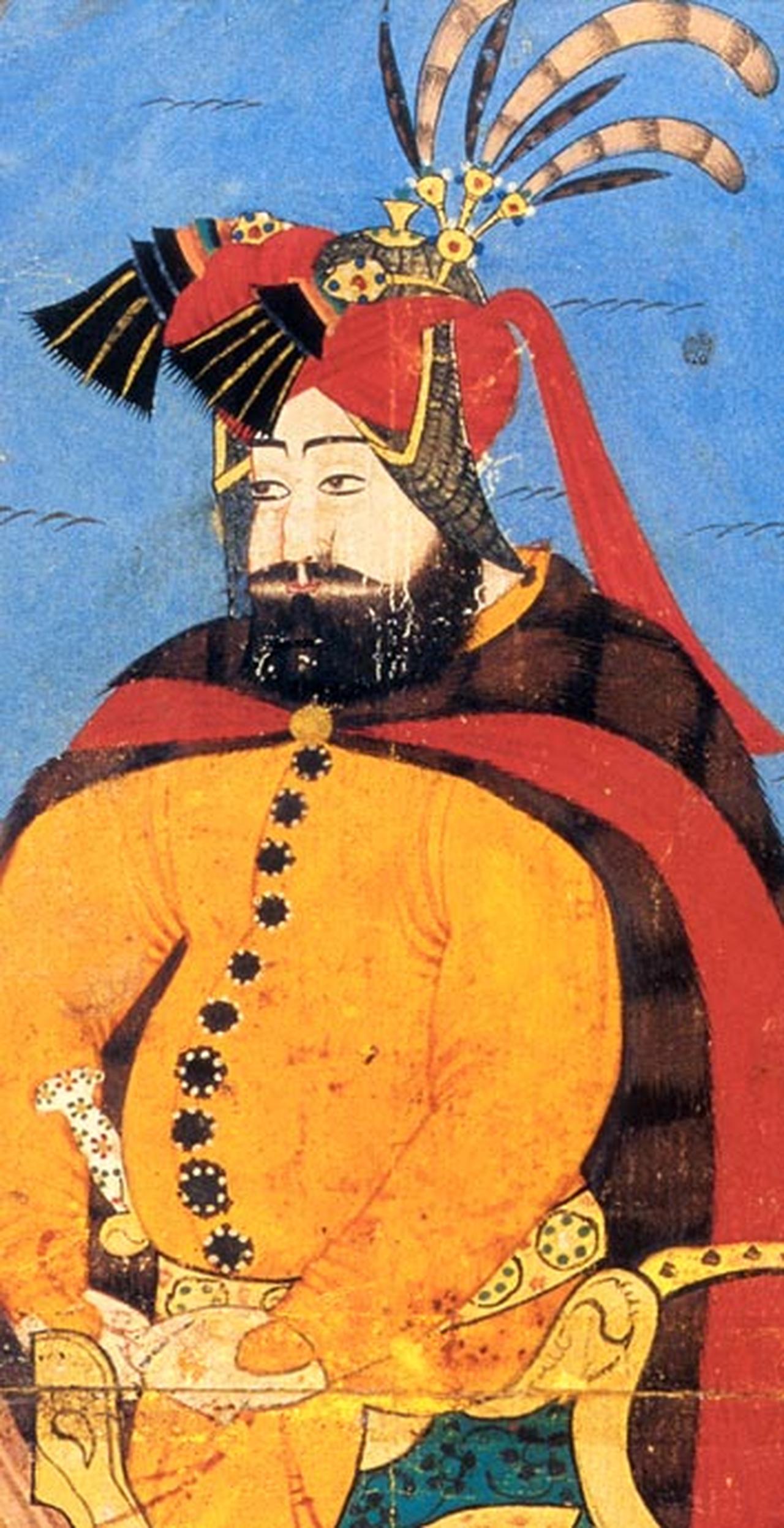
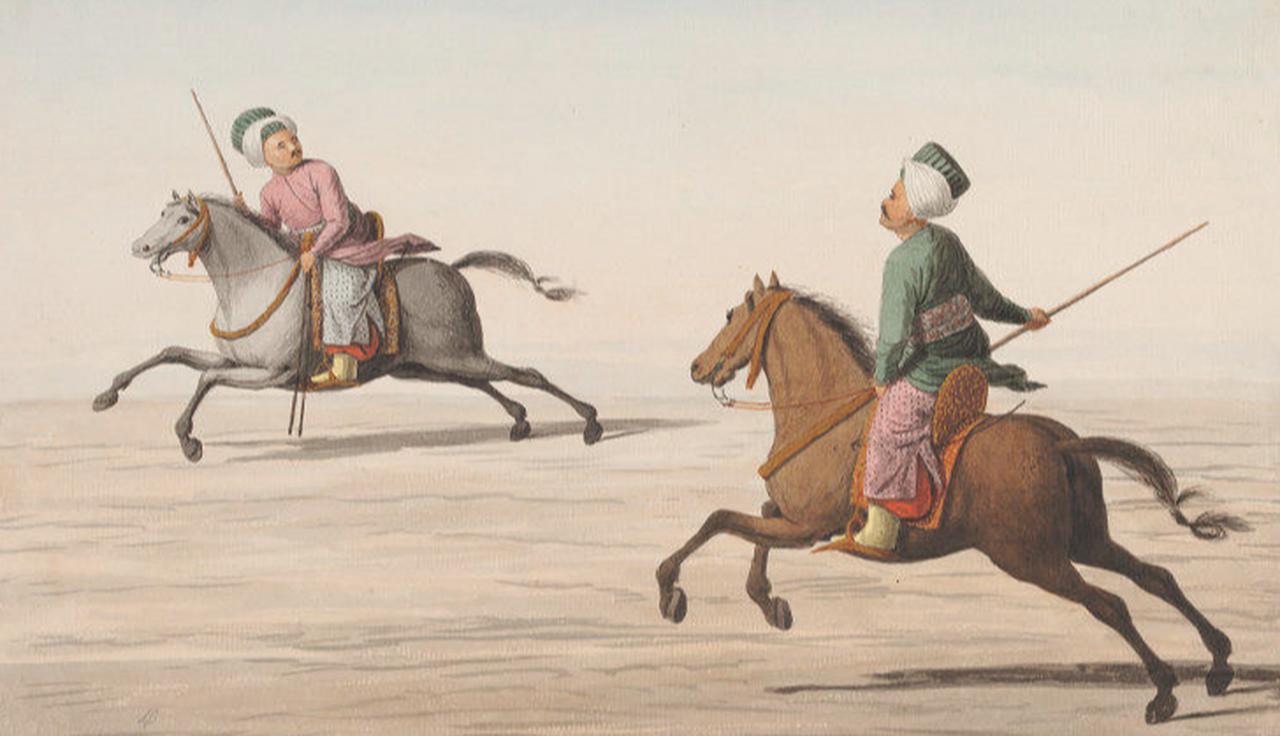
Topkapi Palace, Ramadan, 1637. The winter sun hung low over the Fourth Courtyard. Horses thundered across the open ground, their breath rising in white clouds, as the finest of the Enderun, the Palace School, charged between two stone pillars, velvet robes streaming behind them as they hurled their “lobuds.” These heavy wooden clubs spun through the air to cries of admiration from the gathered Court.
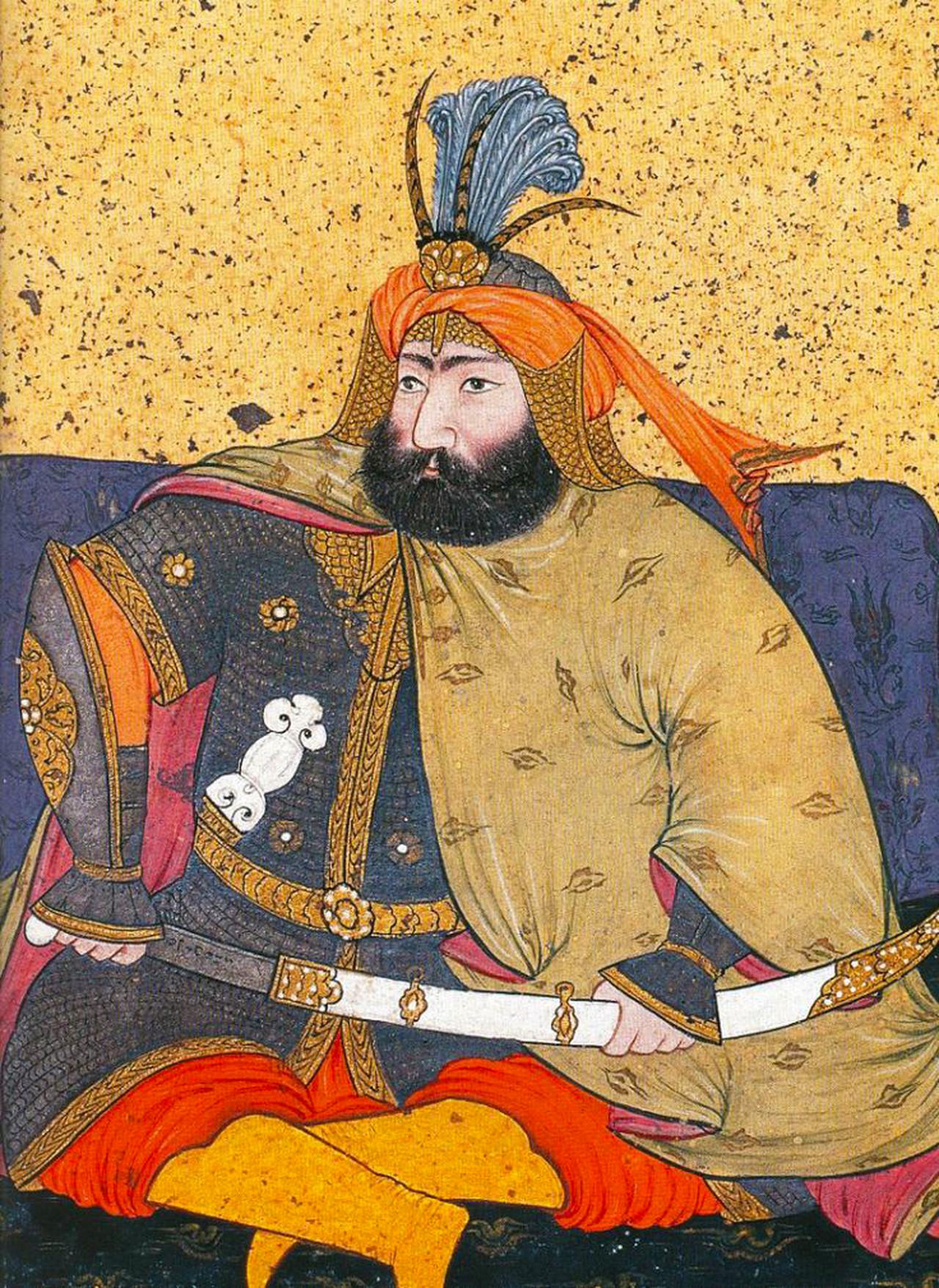
From his throne, Sultan Murad IV watched every throw. He wore a blue velvet kaftan, his favorite colour, and sat forward as another rider galloped past. The horse flew between the pillars. The rider released his lobud. It fell short.
A smile touched the sultan’s lips. Murad knew he could do better.

He beckoned to the master of the horse, then rose from his throne. At once, the murmur of the Court subsided.
Murad mounted his horse. He gathered the reins and rode towards the starting point. A lobud was placed in his hand. For a moment, he sat motionless in the saddle. His fingers closed around the smooth wood. Then he raised the heavy club to his shoulder.
The horse sprang forward. Murad leant into the gallop, riding straight for the stone pillars. At the last moment, he hurled the lobud with all his strength. The club soared through the winter sky.
For an instant, there was only the sound of the wind and the thud of hooves. Then everyone gasped. And the Fourth Courtyard erupted into cheers.
Behind him, on the terrace, the throne from which he had been watching the games stood as witness to the sultan’s feat. A carpet lay across the marble. A silk cushion rested against its back. The Stone Throne.
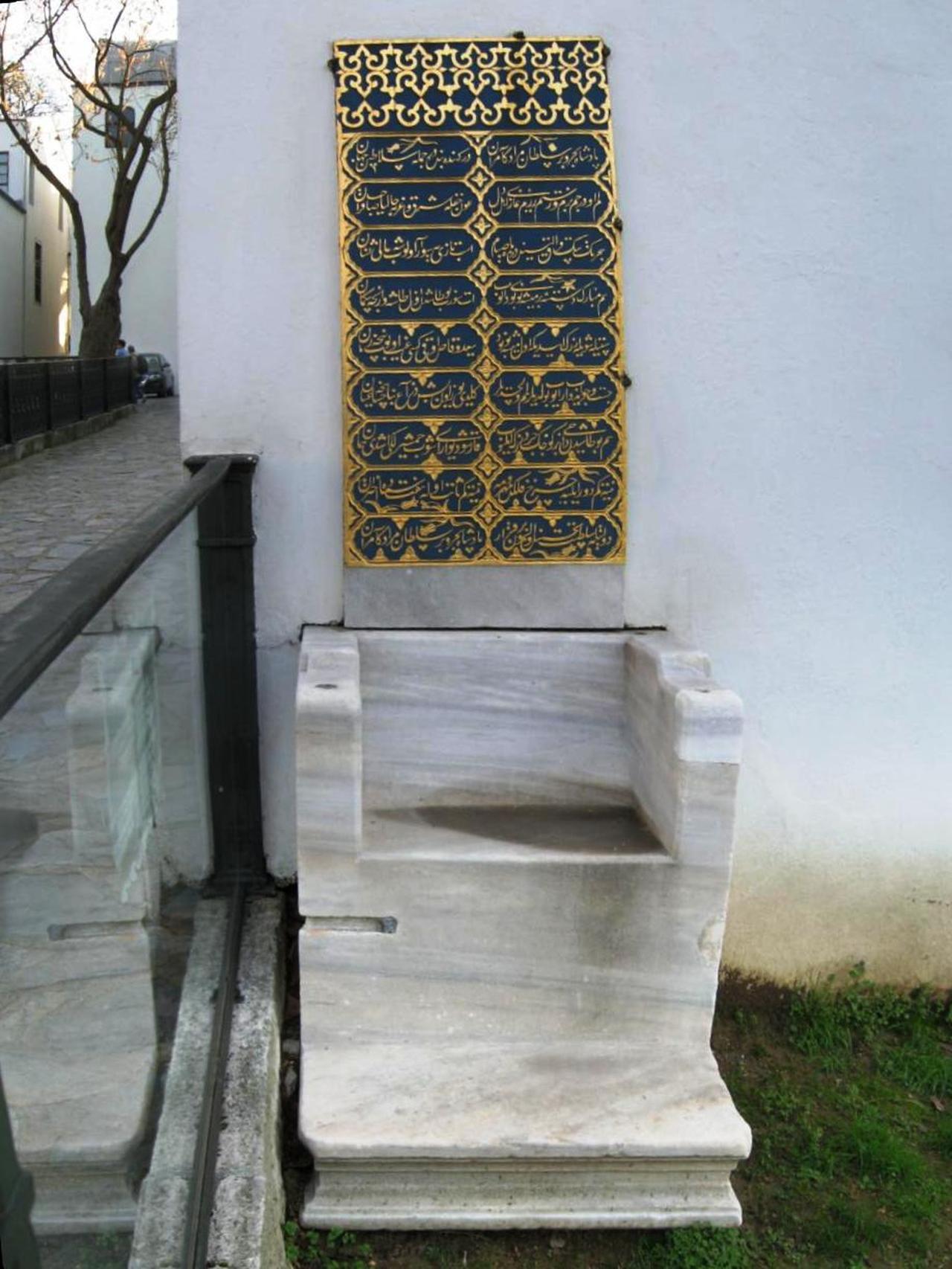
The Stone Throne is traditionally believed to have been a cathedra: the ceremonial chair of a bishop in an Eastern Roman Church. Its precise origin remains unknown. We do not know which church it came from, who sat upon it, or how many centuries passed before it appeared at Topkapi Palace.
Across the Ottoman Empire, and particularly in Istanbul, Eastern Roman and Greek materials were routinely repurposed. Columns, capitals, carved stones and precious marbles from ancient buildings were incorporated into Ottoman buildings. At Topkapi Palace, reused architectural and liturgical elements have been discovered, while Ottoman records show old marble and other valuable building materials being collected and stored for future use.
This practice, known as “spolia,” was not simply a matter of economy. Old materials could be beautiful, valuable, and laden with meaning. An object belonging to Constantinople’s Christian past could acquire a new purpose in Imperial Istanbul.
And so, if tradition is to be believed, a bishop’s seat became a sultan’s throne.
The Stone Throne was not a ceremonial throne in the usual sense.
It was a viewing seat, positioned in the Fourth Courtyard so that the sultan could watch the sporting displays of the Enderun. The pupils of the Palace School trained in a range of physical disciplines, including cirit, lobud, archery and wrestling, all considered part of their martial training and preparation for service at Court.
Murad IV took a particular interest in such displays. He was known for his horsemanship and physical strength, and the games gave him an opportunity to watch the young men put their training into practice. And on certain occasions, Murad would leave his seat and join them.
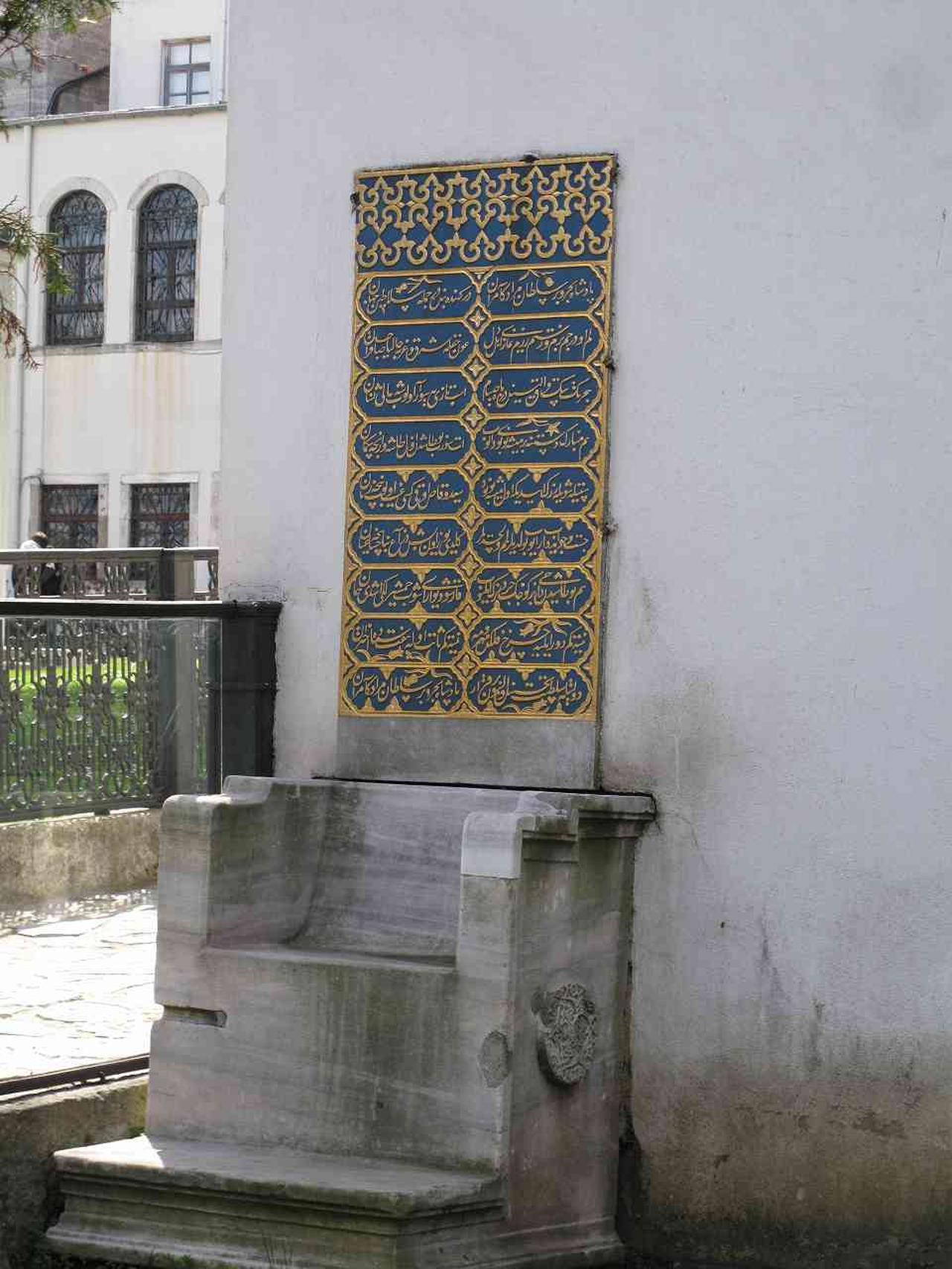
Above the Stone Throne, a marble panel bears an inscription in gilded script.
It tells of Sultan Murad IV’s prowess, and records that during the holy month of Ramadan 1046, corresponding to 1637, he rode between two stone pillars and hurled a lobud a remarkable 87 meters. It also records his immense throw of a cirit, a slender javelin, which carried beyond the wall and into the imsirlik, a private garden where young Ottoman princes lived in seclusion.
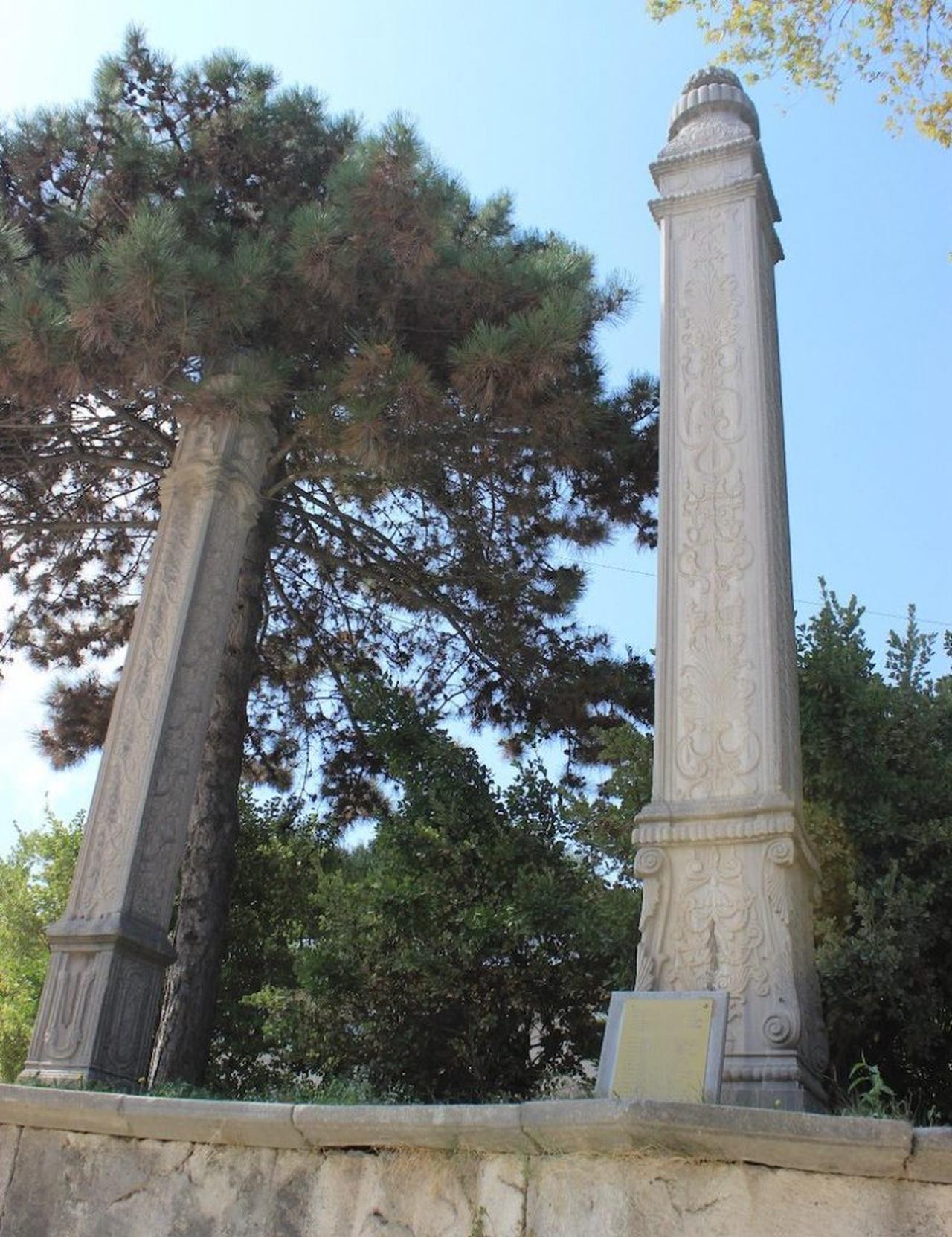
Such feats were considered extraordinary enough to be carved into marble, preserving the memory of a Sultan celebrated for his exceptional sporting ability.
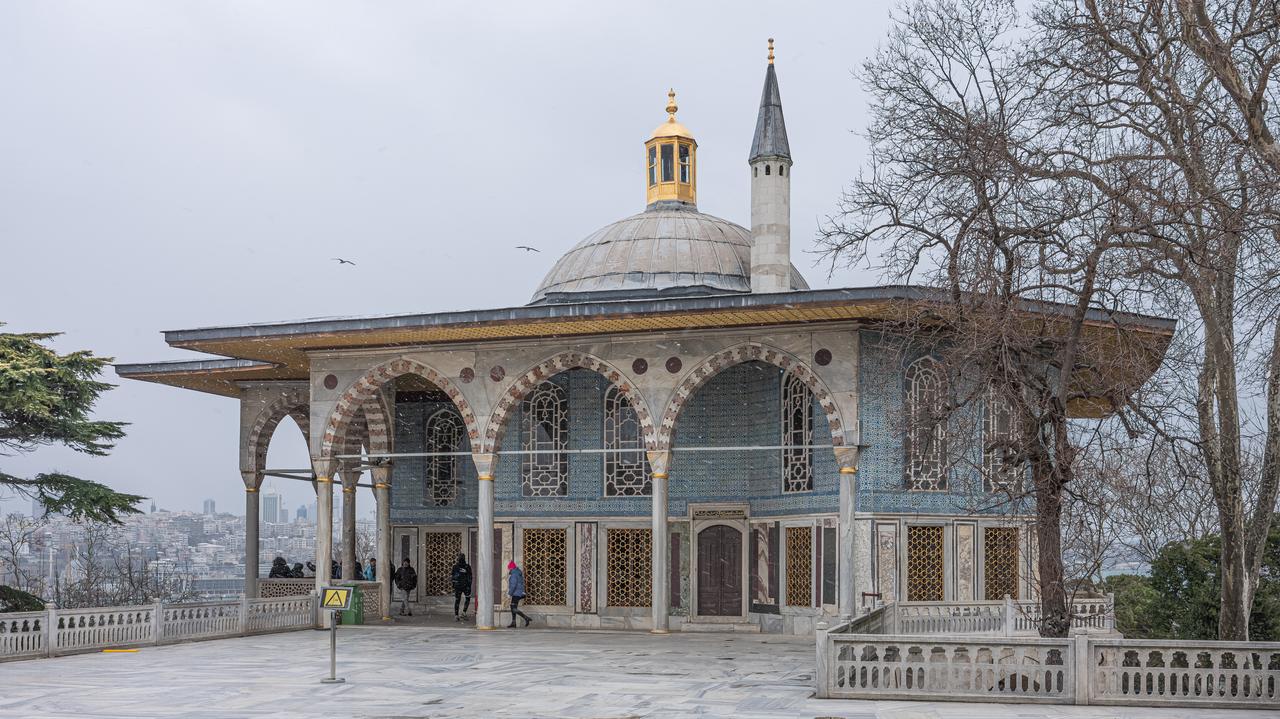
Today, the Stone Throne still stands in the Fourth Courtyard, set against the wall of the Chief Physician’s Tower facing Gulhane Park, not far from the Revan Kiosk and the Baghdad Kiosk, both built by Sultan Murad IV, to commemorate his victory at Yerevan and the conquest of Baghdad.
The riders are gone. The field is quiet. The sultanate is no more.
Yet the marble seat remains, facing the ground where Murad IV once demonstrated his extraordinary skill and strength.
If you visit Topkapi Palace, look for it. Do not hurry past.
Stand before the inscription and imagine the sound of hooves, the sudden silence before the throw, and the roar that followed. Imagine a young Sultan, an accomplished horseman and sportsman, rising from this very seat to compete alongside the finest of the Enderun.
Until we meet again in the next Sultan’s Salon…


 Set as preferred source
 Set as preferred source


 2 min read

 1 min read