Newsletters


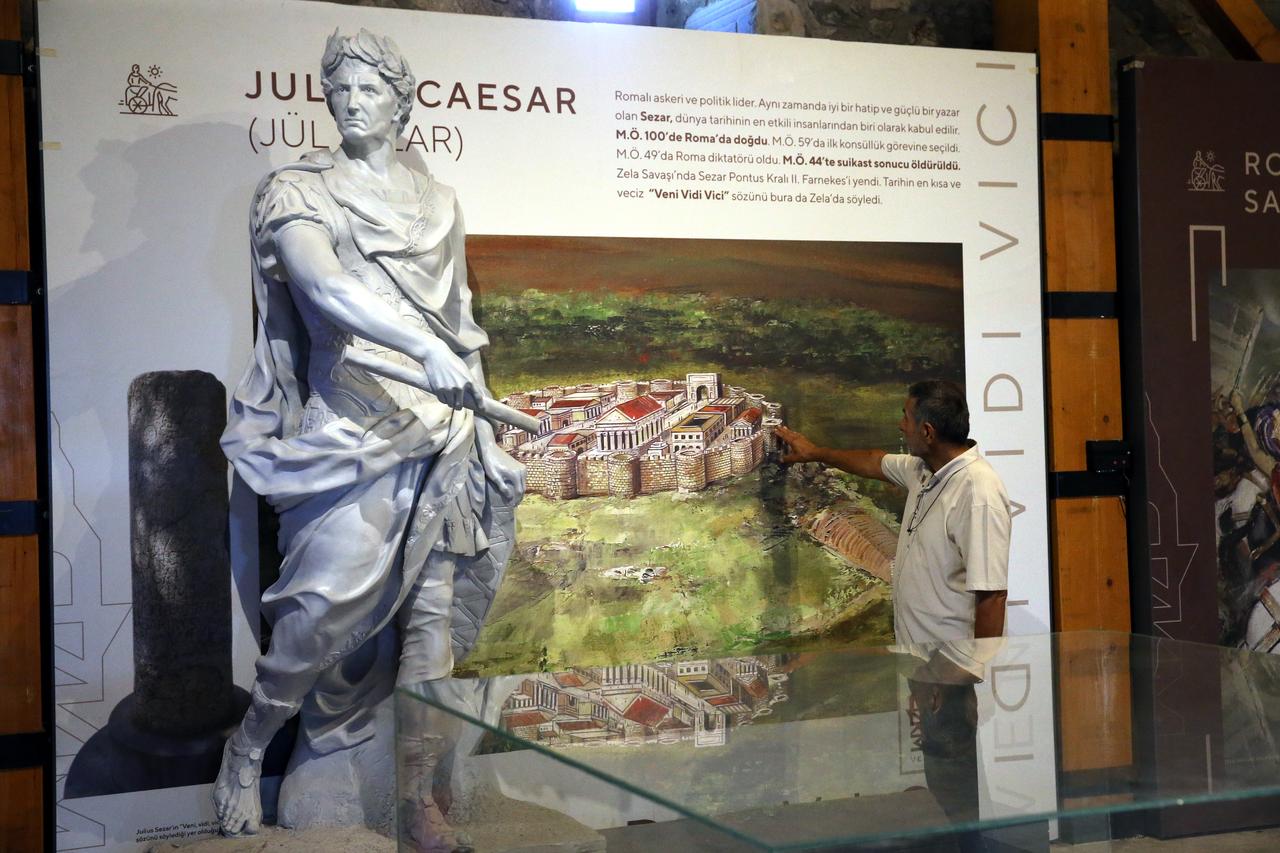


A museum built into the historic Zile Castle complex in Türkiye's Tokat province is using one of antiquity's most famous phrases to package thousands of years of local history, bringing together Roman-era memory, Ottoman heritage and everyday life under the name "Veni Vidi Vici City Museum."
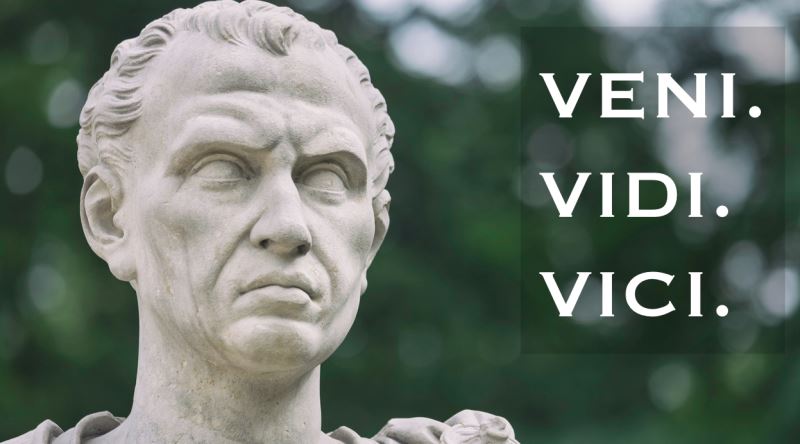
Opened in 2022 inside a former military building at the entrance to Zile Castle, the museum takes its name from the Latin phrase "veni, vidi, vici," "I came, I saw, I conquered," traditionally associated with Julius Caesar following his victory at the Battle of Zela in 47 B.C.
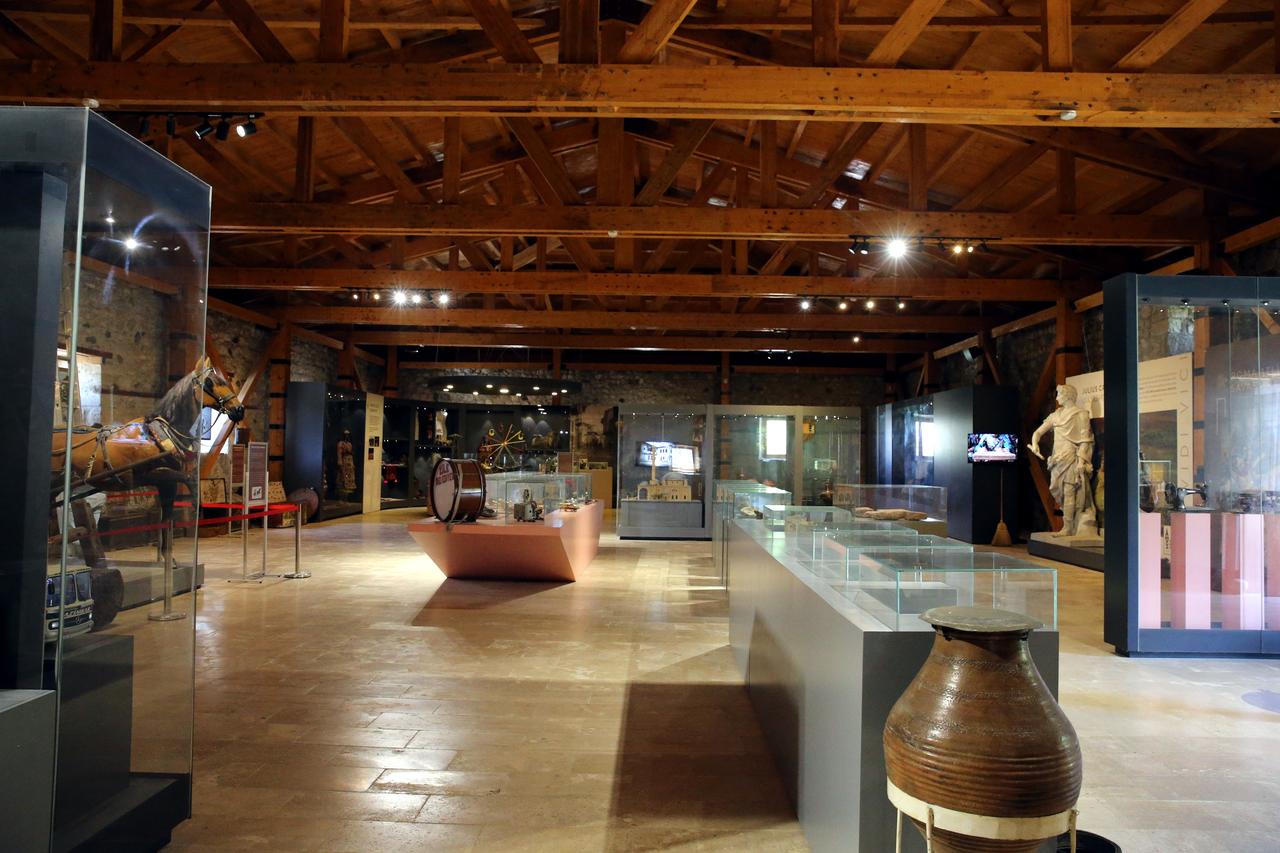
Spread across roughly 1,000 square meters, the museum sets out Zile's geographical, cultural, social and economic history through objects, photographs, costumes, models, mannequins and wax figures, tracing local life from the Roman period through the Ottoman era and into more recent times.

The Roman connection is pushed to the forefront through a life-size statue of Caesar, while the museum also recreates elements of traditional Zile life far removed from the battlefield that made the town famous.
Visitors can see models of historic houses and mosques, objects tied to local cuisine and domestic life, traditional handicrafts and a miniature reconstruction of the historic Zile Fair.
The collection also brings together ox carts, horse-drawn carriages, artillery carts, paintings, traditional clothing, chests and musical instruments, alongside numerous objects once used in everyday life.
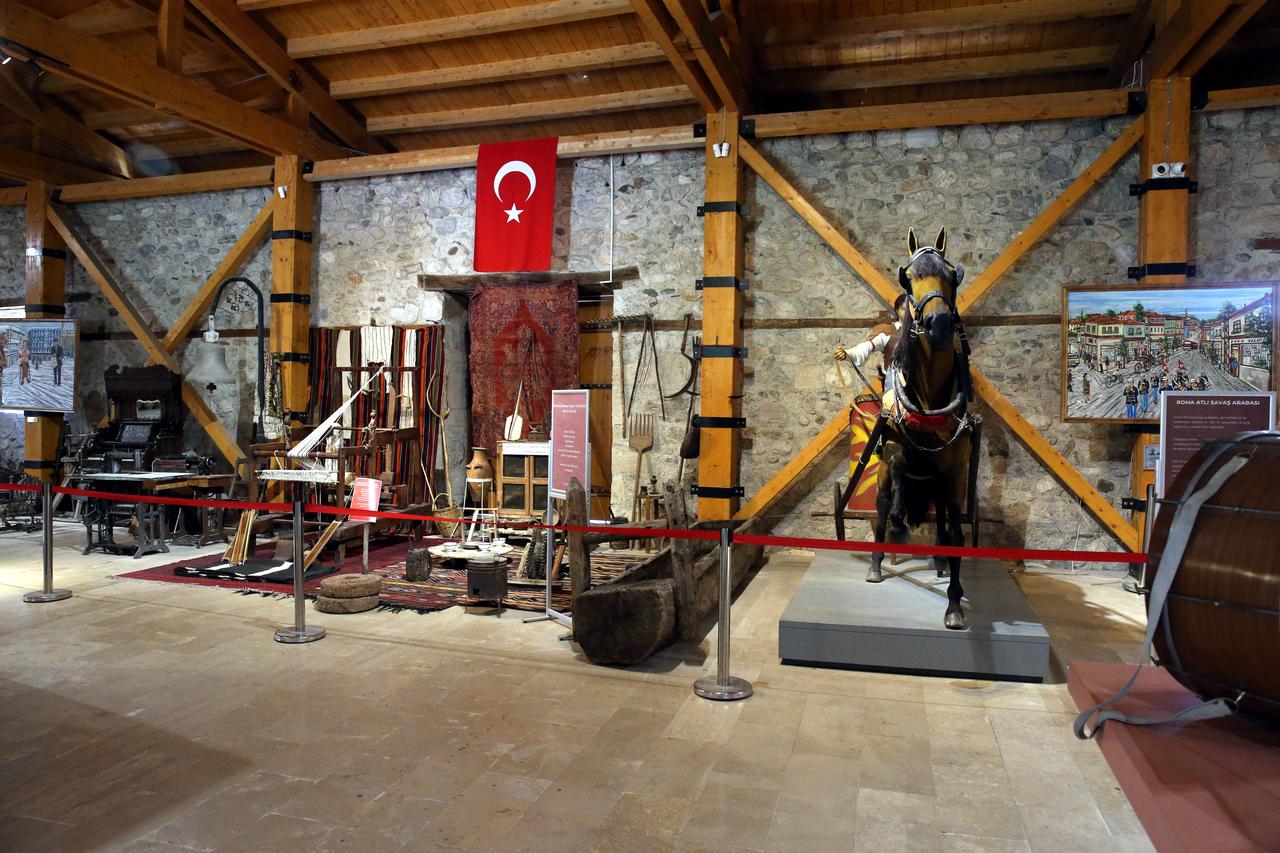
Necmettin Eryilmaz, Zile Municipality's culture director, said the museum occupies what he described as the armory section of the old barracks at Zile Castle.
He said the site had been restored to its original form with support from the Culture and Tourism Ministry and the Union of Historical Towns.
"We created a beautiful museum for 7,000-year-old Zile. The museum is called the 'Veni Vidi Vici City Museum.' We turned Caesar's words into a brand," Eryilmaz said.
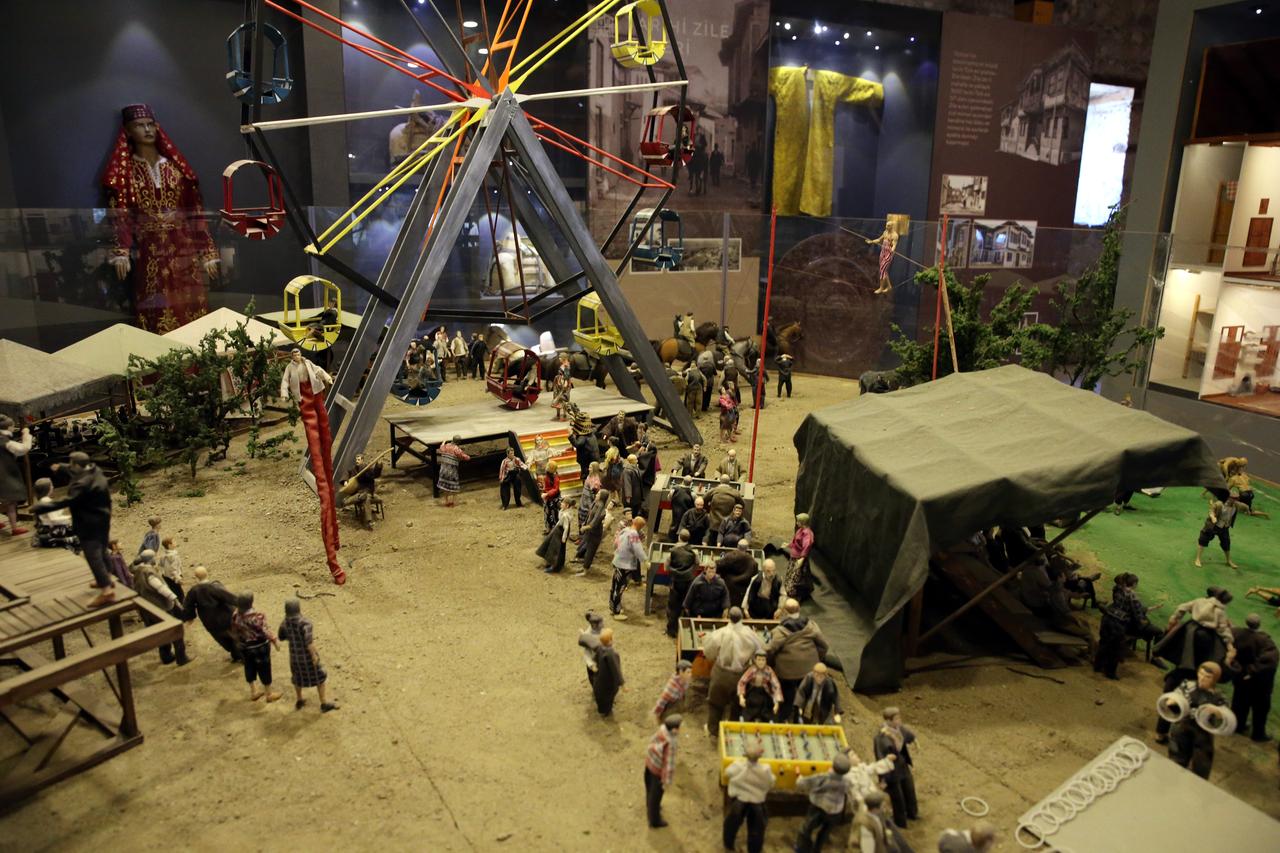
Rather than focusing only on Caesar, the displays attempt to show how life in Zile developed across different periods, using domestic objects, costumes and reconstructed scenes to place local residents alongside the more monumental chapters of the town's history.
Eryilmaz said the museum had sought to present different snapshots of life in Zile from Caesar's era to the present day.
"Those who do not know their past cannot shape their future," he said.
According to Eryilmaz, the museum received 62,000 domestic and international visitors during this year's summer season, which, he said, helped turn it into one of Tokat's major tourist attractions.
He added that local residents have also contributed to the collection, donating historical objects without asking for payment.


 Set as preferred source
 Set as preferred source


 1 min read
 1 min read