Newsletters


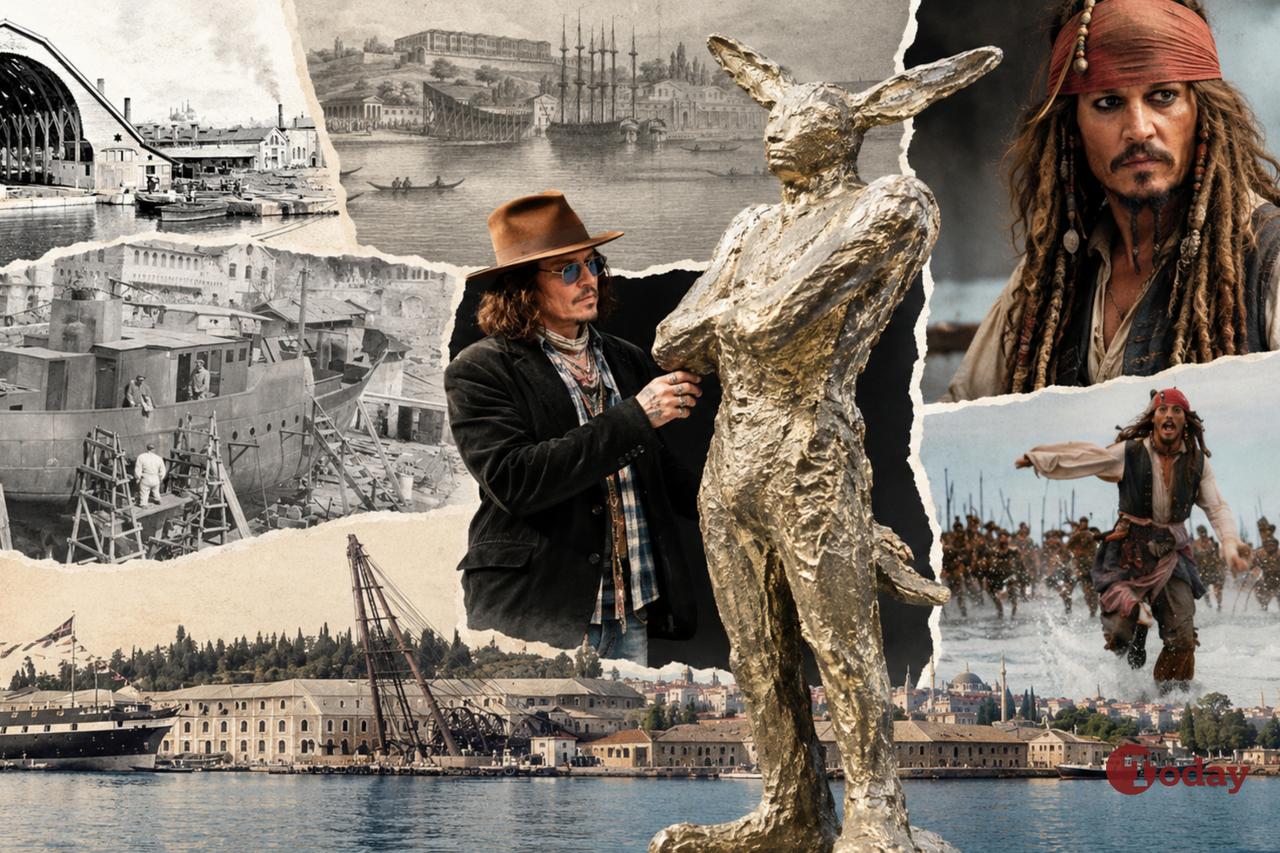


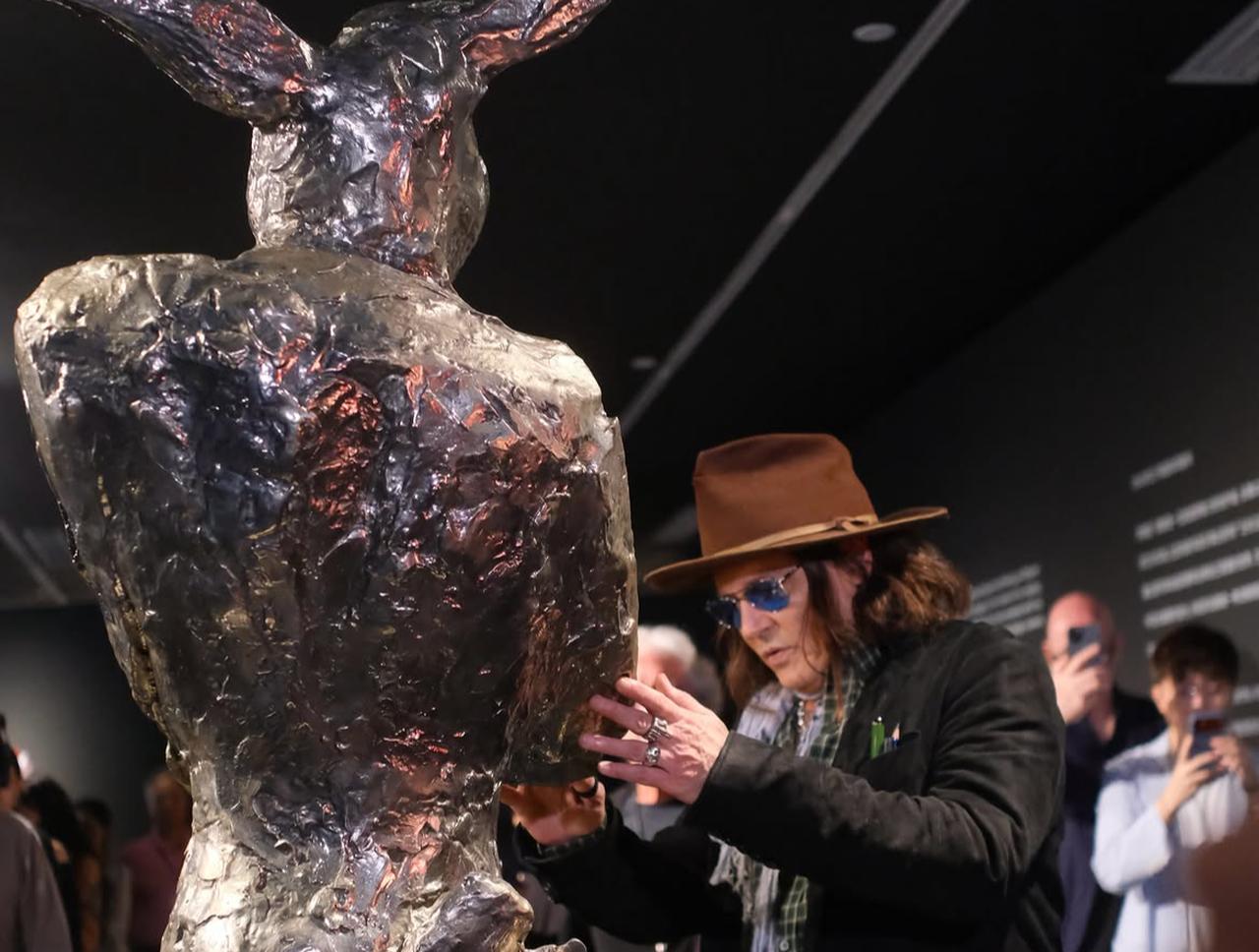
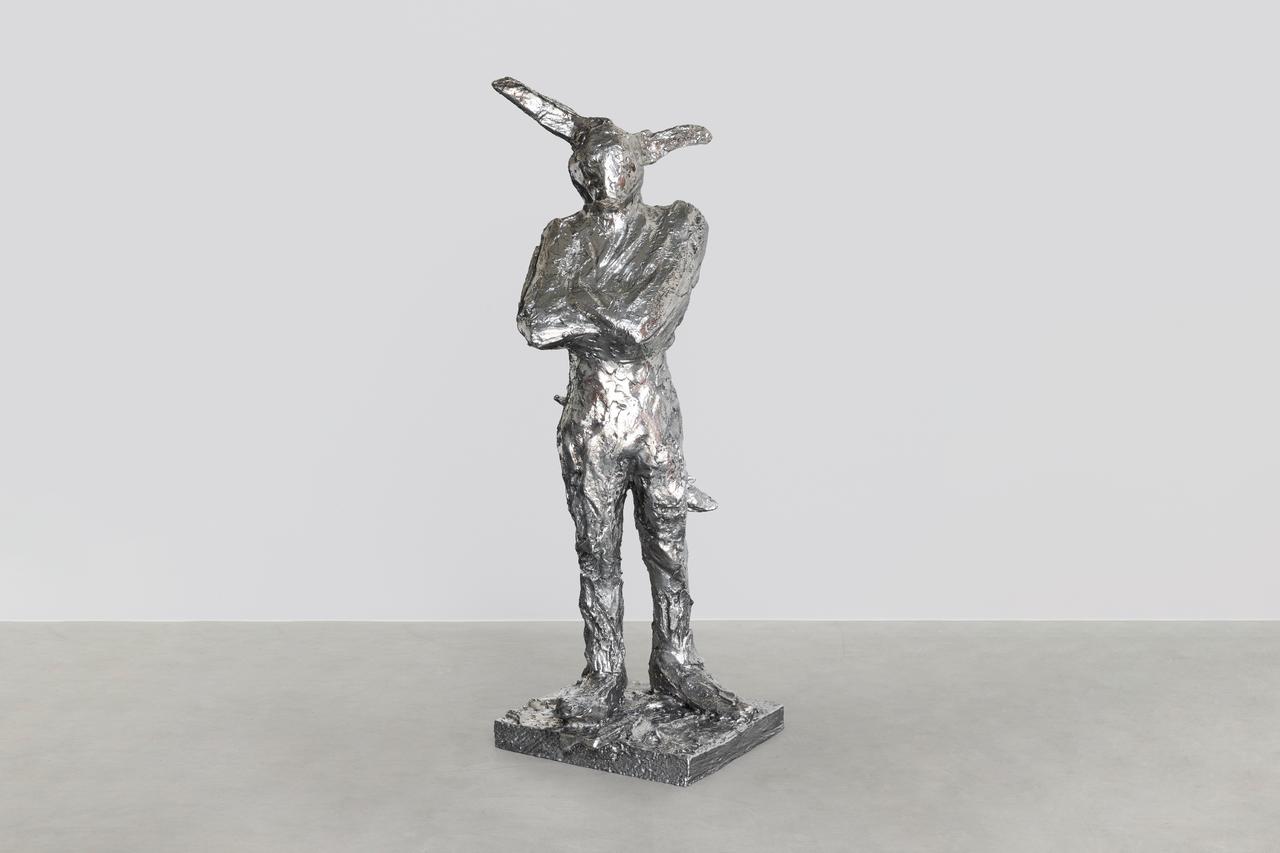
A two-meter rabbit-like figure carrying a "sword of truth" now stands on the Golden Horn, on the same ground where the Ottoman Empire once built and rebuilt fleets for centuries.
It is an unlikely setting even by contemporary art standards.
Johnny Depp's first sculpture, "The Bunnyman," has landed at Tersane Istanbul for the 21st edition of Contemporary Istanbul, bringing a character born from a childhood nightmare, his son's drawing, and years of paintings into one of Istanbul's oldest industrial landscapes.
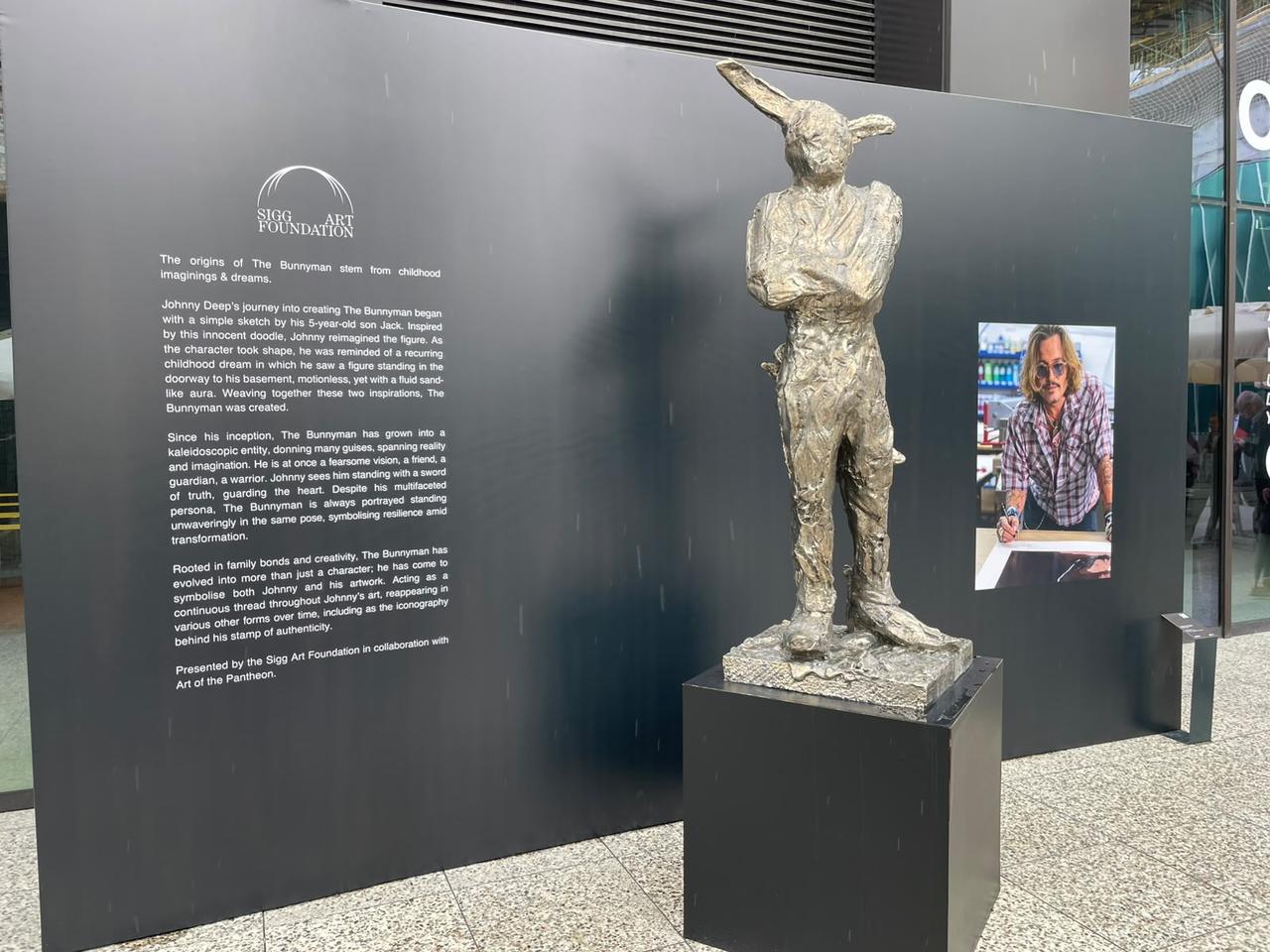

The white bronze work is being shown outdoors from Sept. 22-27 at the former Tersane-i Amire, the Ottoman Imperial Shipyard, a sprawling naval complex whose history reaches back almost 600 years.
So how did a mysterious creature from Depp's childhood end up in an Ottoman shipyard?
The story of "The Bunnyman" begins far away from Istanbul.
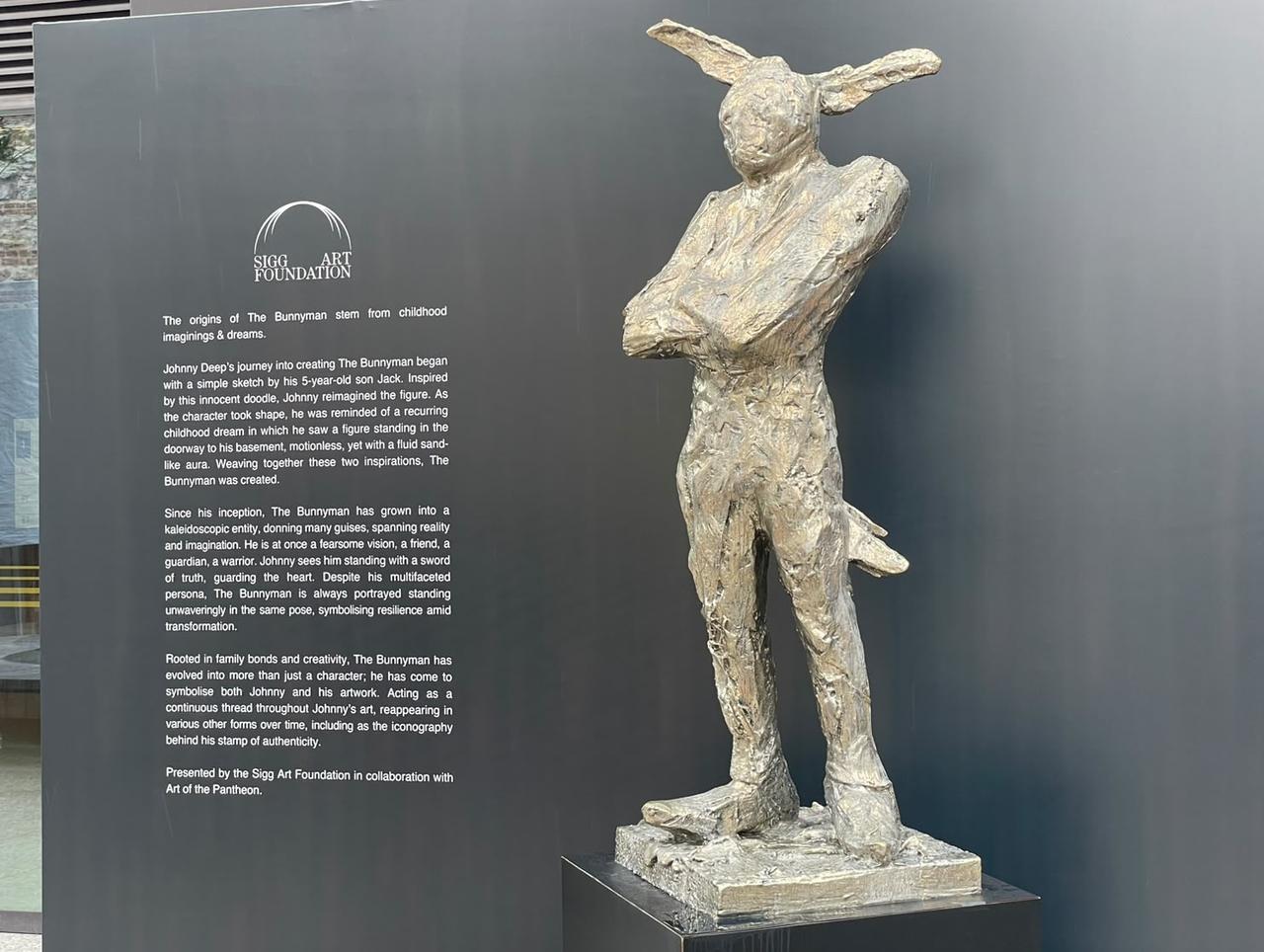
According to the Sigg Art Foundation, Depp had a recurring dream when he was around five or six years old in which a faceless figure appeared at the top of the basement stairs of his childhood home in Kentucky.
Decades later, his son Jack produced a childhood drawing that unexpectedly brought the image back.
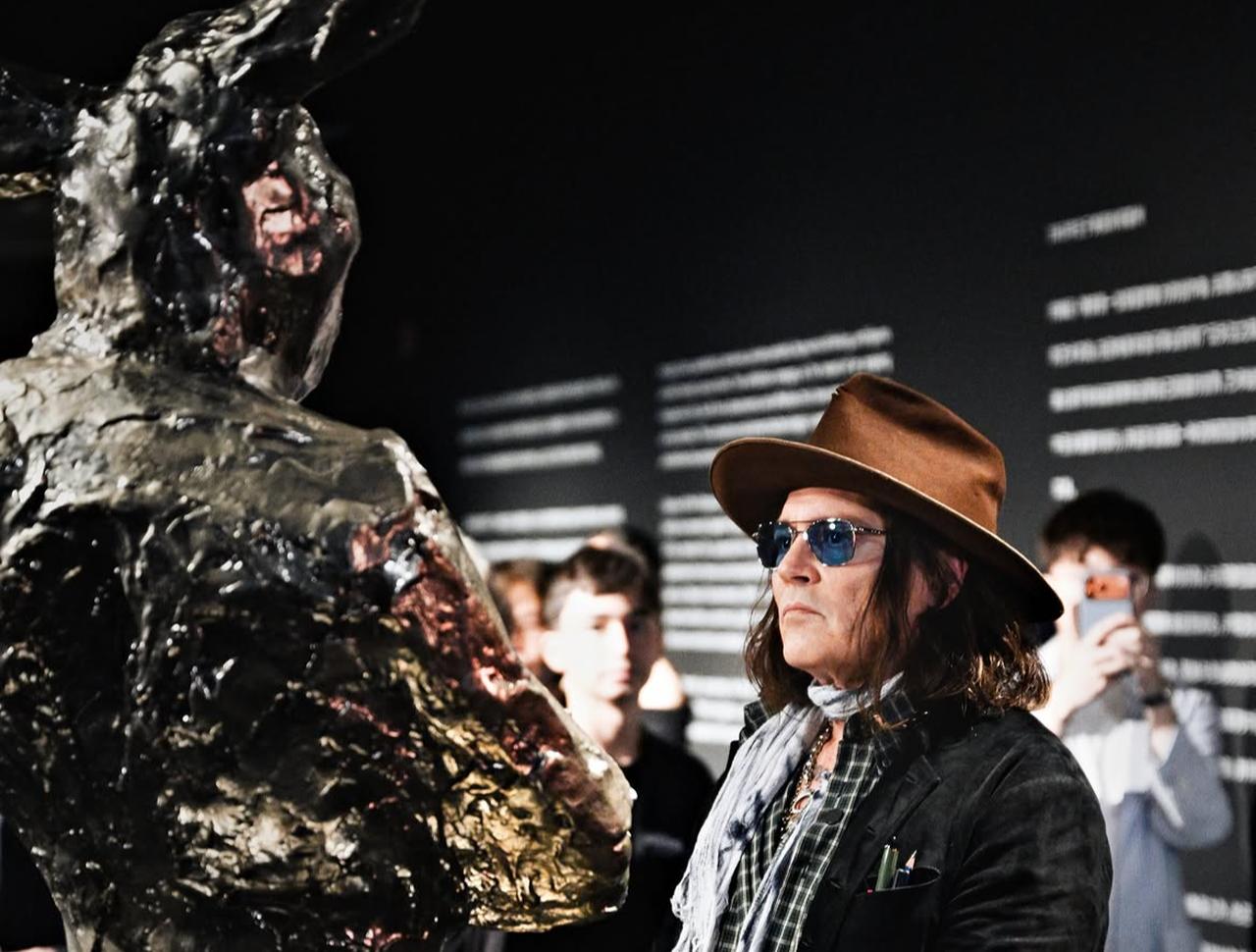
Depp said people frequently asked where the figure in his Bunnyman paintings had come from, explaining that Jack's "beautiful scribbles" reminded him of the shape and image he remembered from that recurring childhood dream.
The character gradually worked its way into Depp's visual art, turning up across drawings, paintings, and limited-edition works before finally stepping out of the canvas.
The result is a two-meter, half-human, half-rabbit guardian carrying what has been described as a "sword of truth."
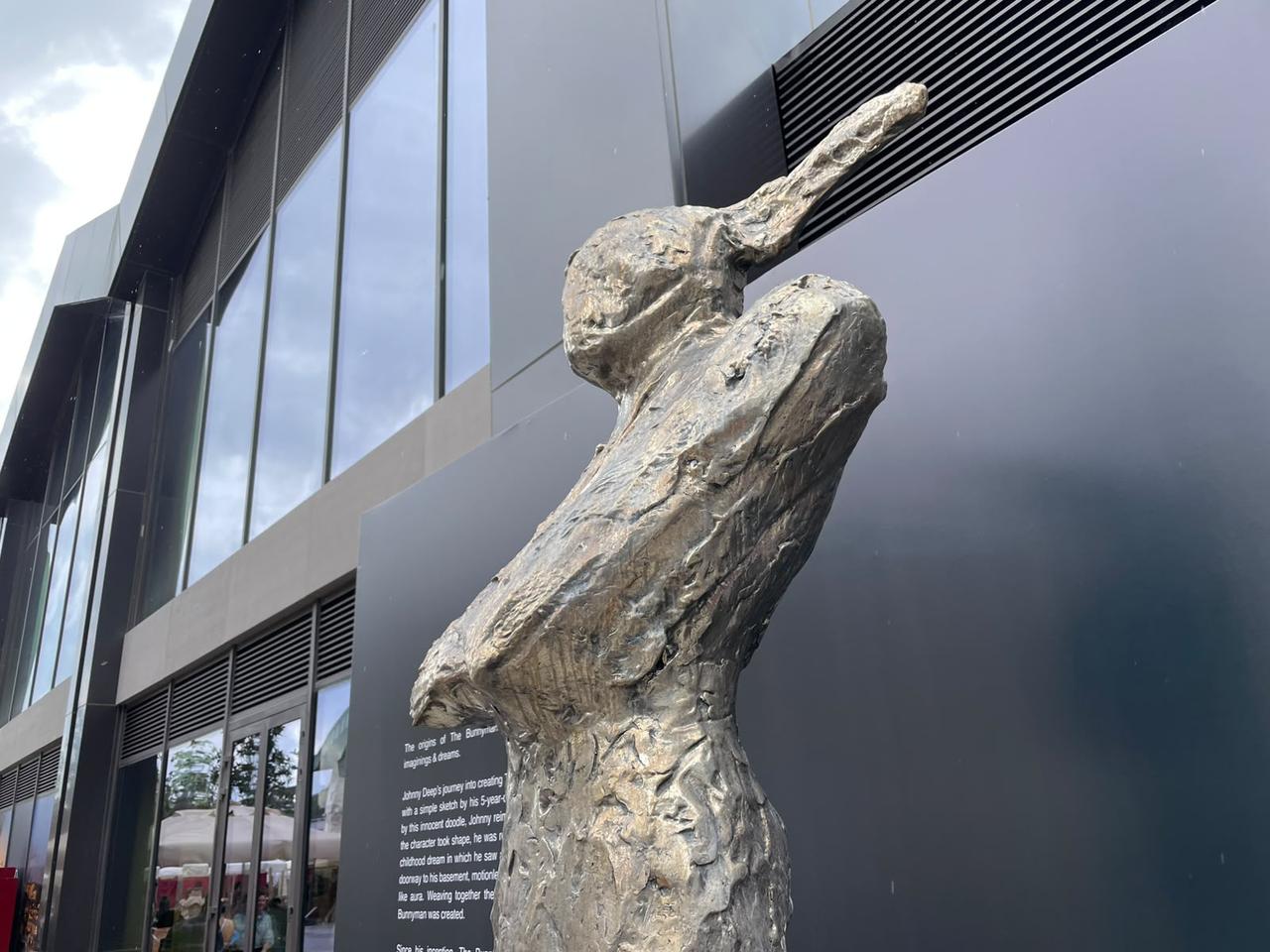
Before becoming a sculpture, "The Bunnyman" had already become one of the recurring characters in Depp's art, appearing in projects including his "Friends & Heroes" and "Bunnyman Genesis" series.
One version took shape on a two-meter canvas built up with layers of Rizla papers against a striking red background.
For the Istanbul work, that figure was taken into three dimensions for the first time.
The sculpture was developed through a collaboration between the Sigg Art Foundation, Pantheon Art and Milan-based Fonderia Artistica Battaglia, where it was cast in white bronze using the lost-wax technique.
Even the casting process carried an echo of the original dream.
The sand used while producing the sculpture referred back to Depp's childhood memory of hearing or sensing grains moving around inside the mysterious figure's body.
What began as a vague childhood presence had, decades later, become a monumental bronze character.
And then it was placed inside a former Ottoman naval base.
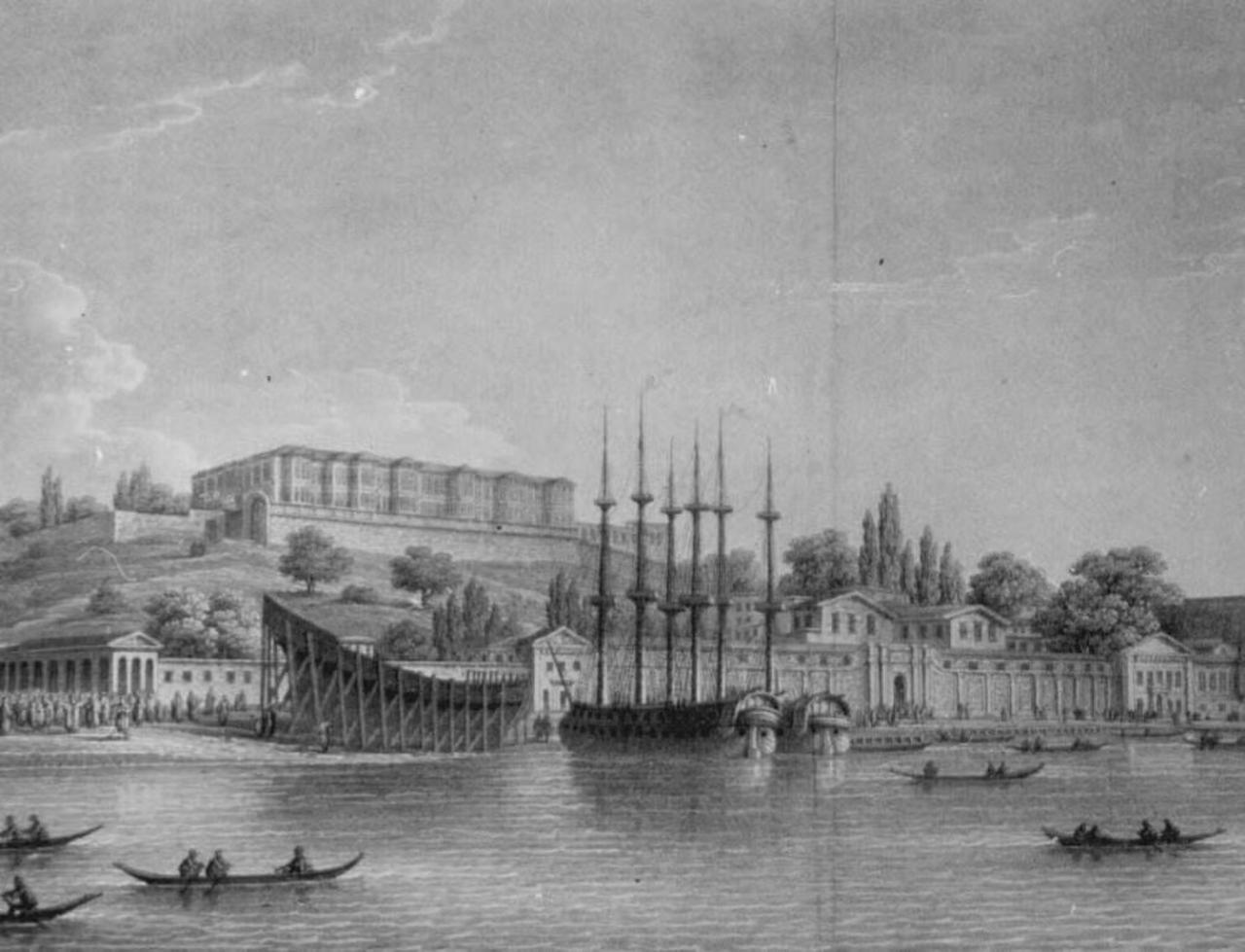
The ground beneath The Bunnyman carries a very different history of making things.
Tersane Istanbul occupies the site of Tersane-i Amire on the northern shore of the Golden Horn, where Ottoman shipbuilding grew after the conquest of Constantinople.
Sultan Mehmed II had seen during the siege how Genoese ships could break through the Ottoman naval blockade and reach the city. After the conquest, he pushed to strengthen the empire's naval capabilities, eventually shifting shipbuilding toward the sheltered waters of the Golden Horn.
The shipyard that grew there became the Ottoman Empire's principal naval production center.
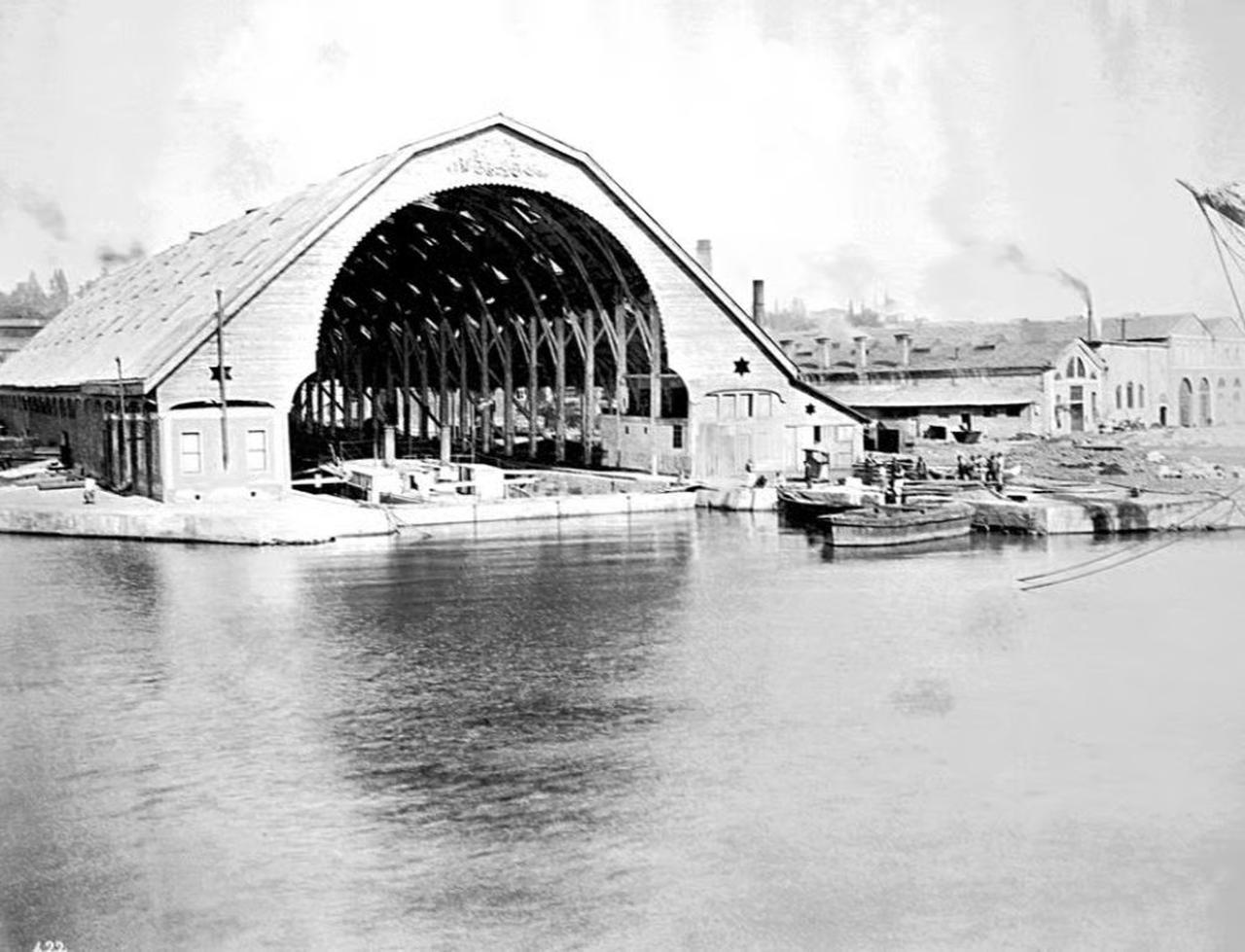
As the empire expanded, so did the yard.
It grew substantially under Sultan Selim I and became one of the Mediterranean's major shipbuilding centers during the reign of Suleiman the Magnificent.
For centuries, vessels slid down its slipways into the Golden Horn.
Now "The Bunnyman" stands among the remains of that world.
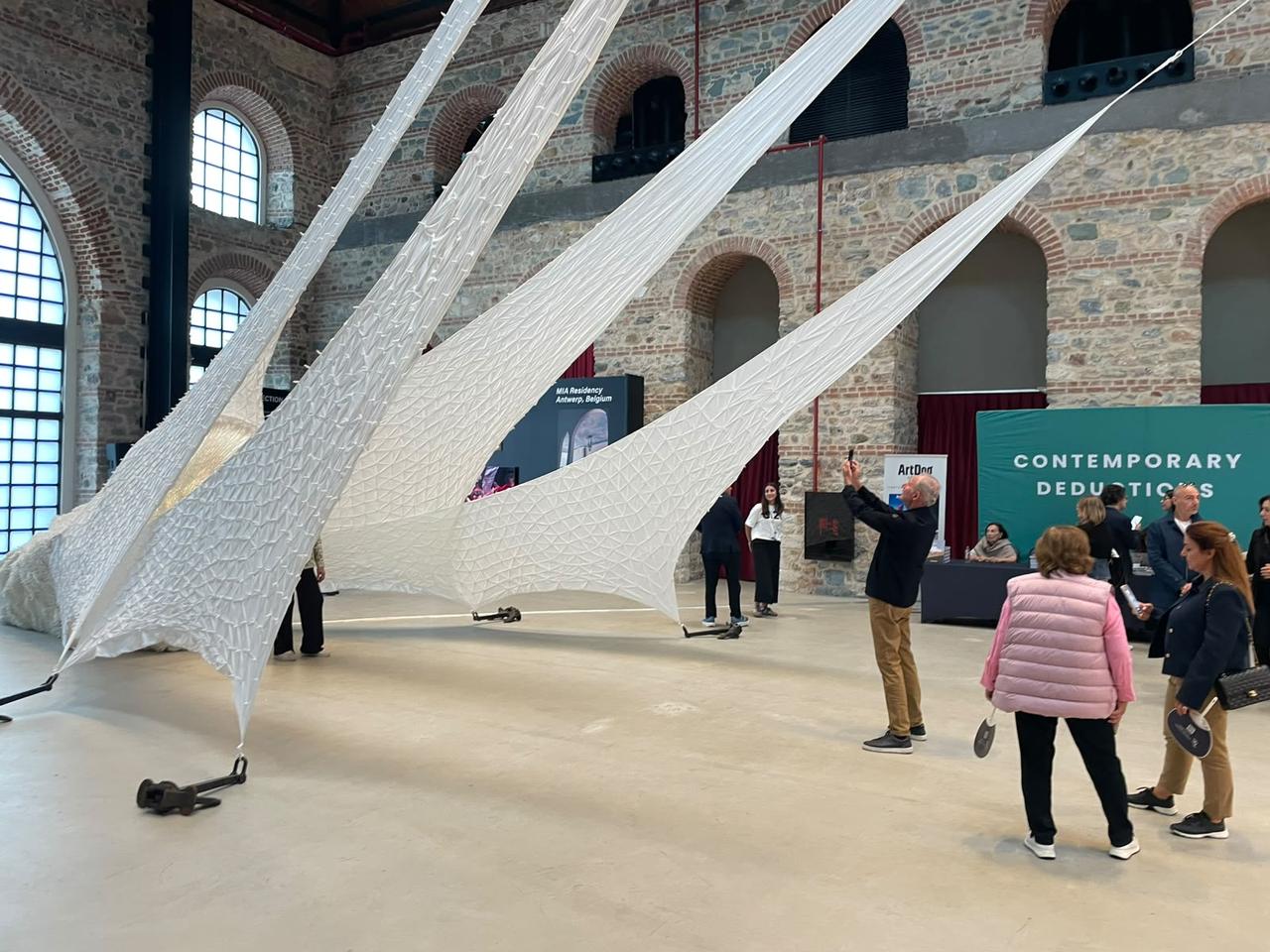
Tersane-i Amire was never a static industrial complex.
As naval warfare changed, the shipyard repeatedly had to reinvent itself.
Galleys gave way to larger sailing vessels; wooden hulls eventually made room for iron and steel, while steam engines and propellers transformed how ships moved.
European specialists were brought in as Ottoman rulers tried to keep up with advances in shipbuilding abroad.
During Sultan Selim III's reign, the shipyard went through extensive modernization, while later developments under Sultan Abdulaziz prepared it for steam-powered vessels.
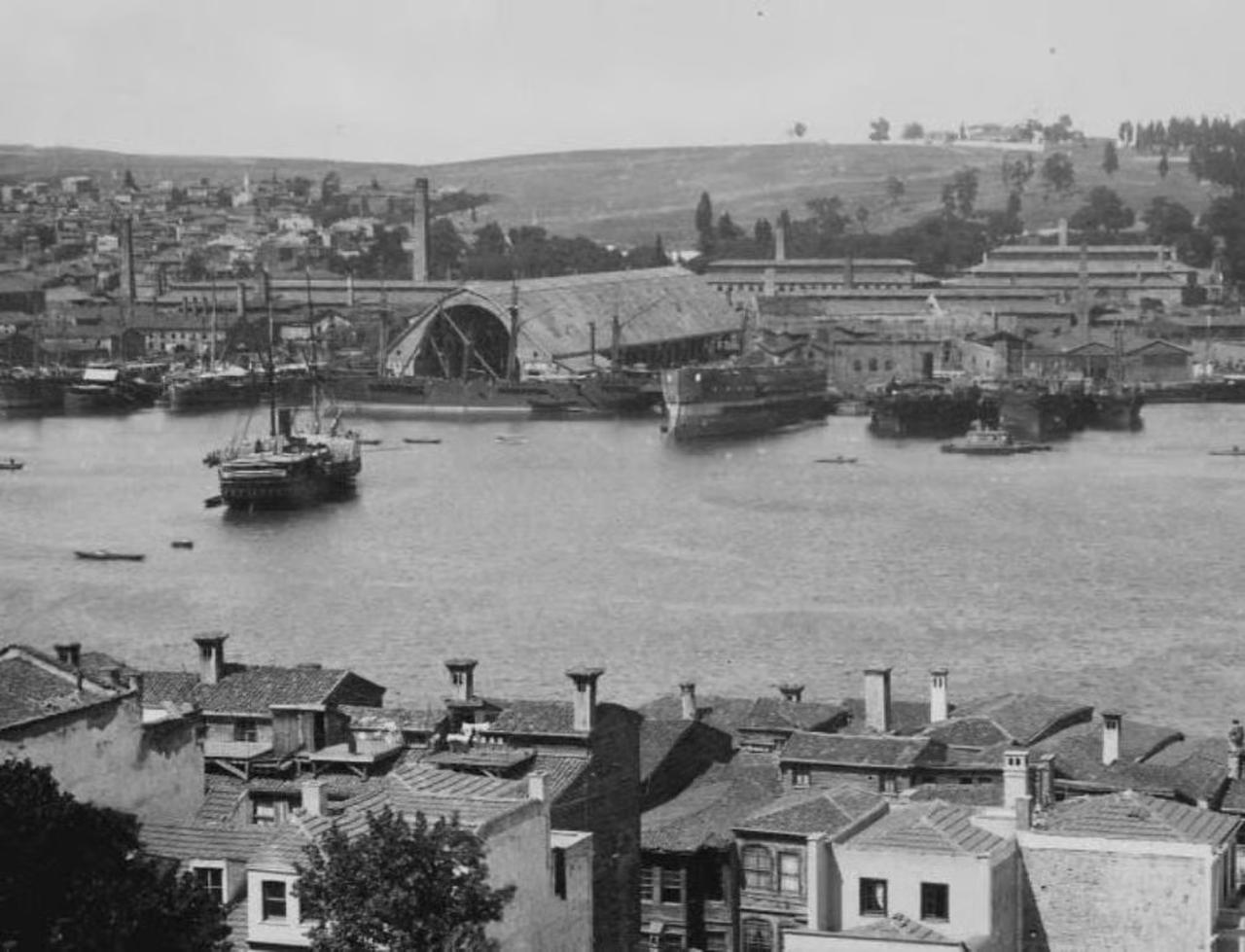
One of the most striking additions was the Valide Slipway, completed in 1864 and financed by Pertevniyal Valide Sultan as part of the empire's efforts to move into the steamship age.
Factories, slipways, dry docks, warehouses, and other facilities gradually turned the waterfront into a dense industrial world.
Its history, in many ways, rose and fell alongside that of the empire itself.
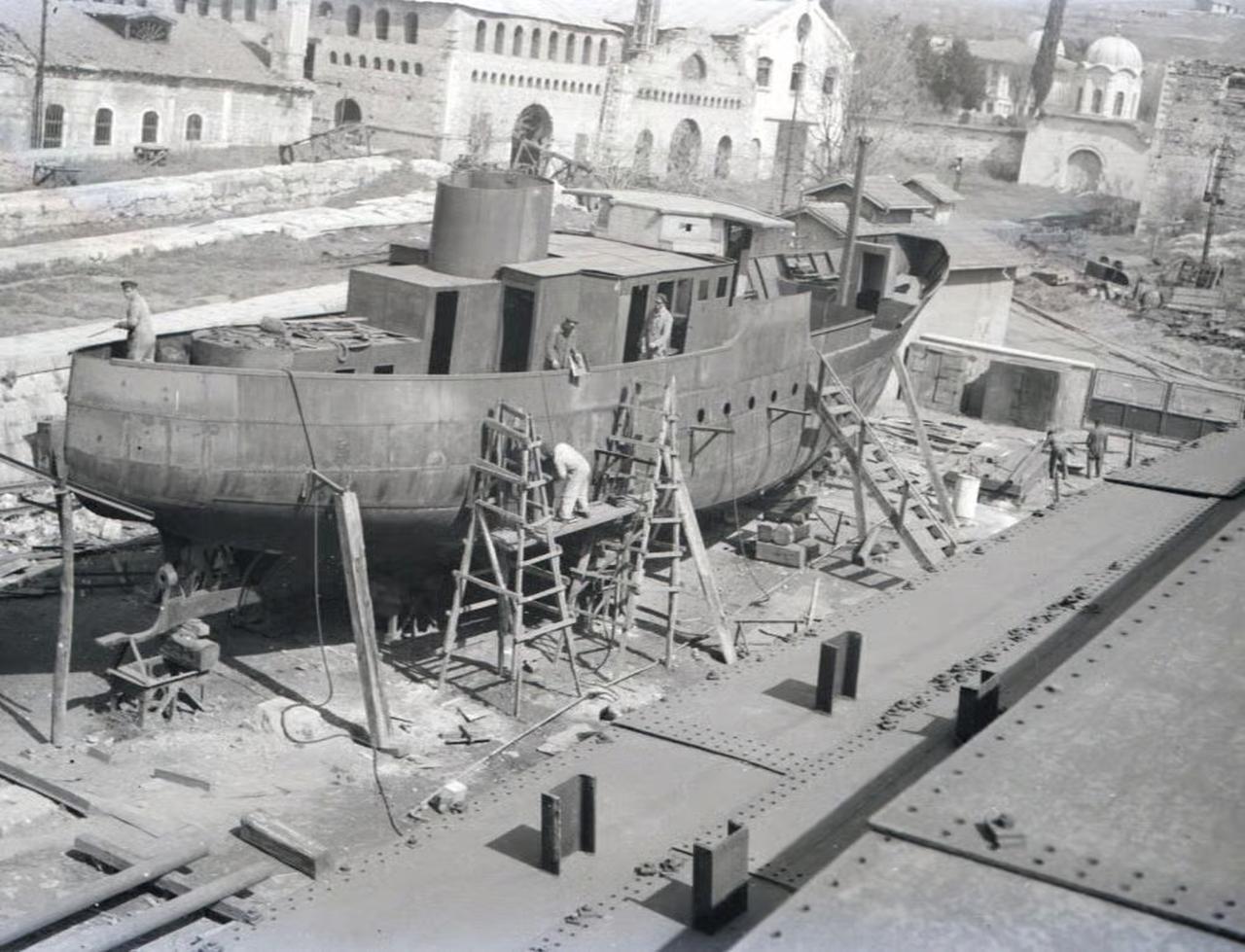
The ships are no longer being built here.
After its role changed during the late Ottoman and Republican periods, the historic shipyard was eventually scaled back, while the site was declared a historical area in 1995.
Today, the former industrial waterfront is being transformed into Tersane Istanbul, bringing together hotels, museums, cultural venues, residences, restaurants, retail areas, a marina and a waterfront promenade.
The project stretches along roughly 1.8 kilometers of coastline and incorporates 27 historic buildings.
For centuries, much of this waterfront sat behind high walls.
Where shipbuilders once worked on vessels intended to carry Ottoman power across the Mediterranean, visitors to Contemporary Istanbul now encounter Depp's silent rabbit-like guardian looking out across the Golden Horn.
Istanbul is not the only place where Depp's strange recurring figure has surfaced.
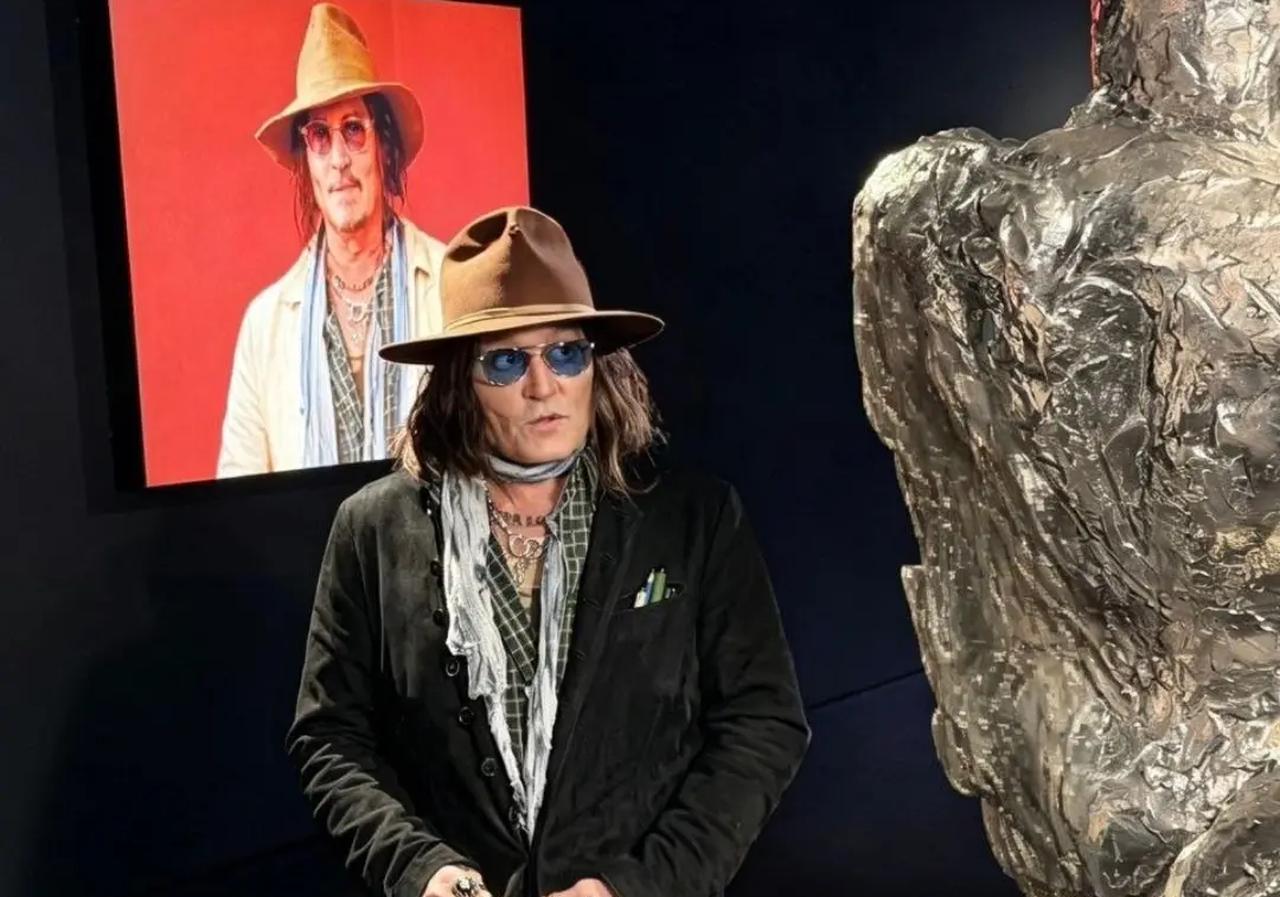
The sculpture also connects with his A Bunch of Stuff exhibition at the Modern Art Museum Shanghai, which opened on Aug. 15 with more than 200 works.
The Istanbul presentation developed after Depp met Sigg Art Foundation founder Pierre Sigg in AlUla, Saudi Arabia.
Sigg has linked the project to Contemporary Istanbul's growing international profile and its ability to draw artists and galleries that might once have stayed outside the Istanbul art scene.
 1 min read
But The Bunnyman's surroundings give the work an unusually sharp contrast.
A character rooted in a five-year-old boy's drawing and another child's recurring nightmare has ended up on a waterfront built around cannons, steam engines, slipways and imperial fleets.
Nearly six centuries after ships began taking shape here, something very different has come out of the workshop.


 Set as preferred source
 Set as preferred source


 1 min read