Newsletters




“You had to see those great emaciated skeletons burning with fever, thrusting out, in unconscious movement, legs and arms that were less than bone. All that under tents, mingled with dust, flies, and fleas.”
At this time of year, close to the anniversary of the Allied landings on Türkiye’s Gallipoli Peninsula on April 25, 1915, it is common for new books about the Gallipoli Campaign to be launched.
Many rely on firsthand accounts, such as the one above, to convey the hardship of the common soldier of all sides during the campaign.
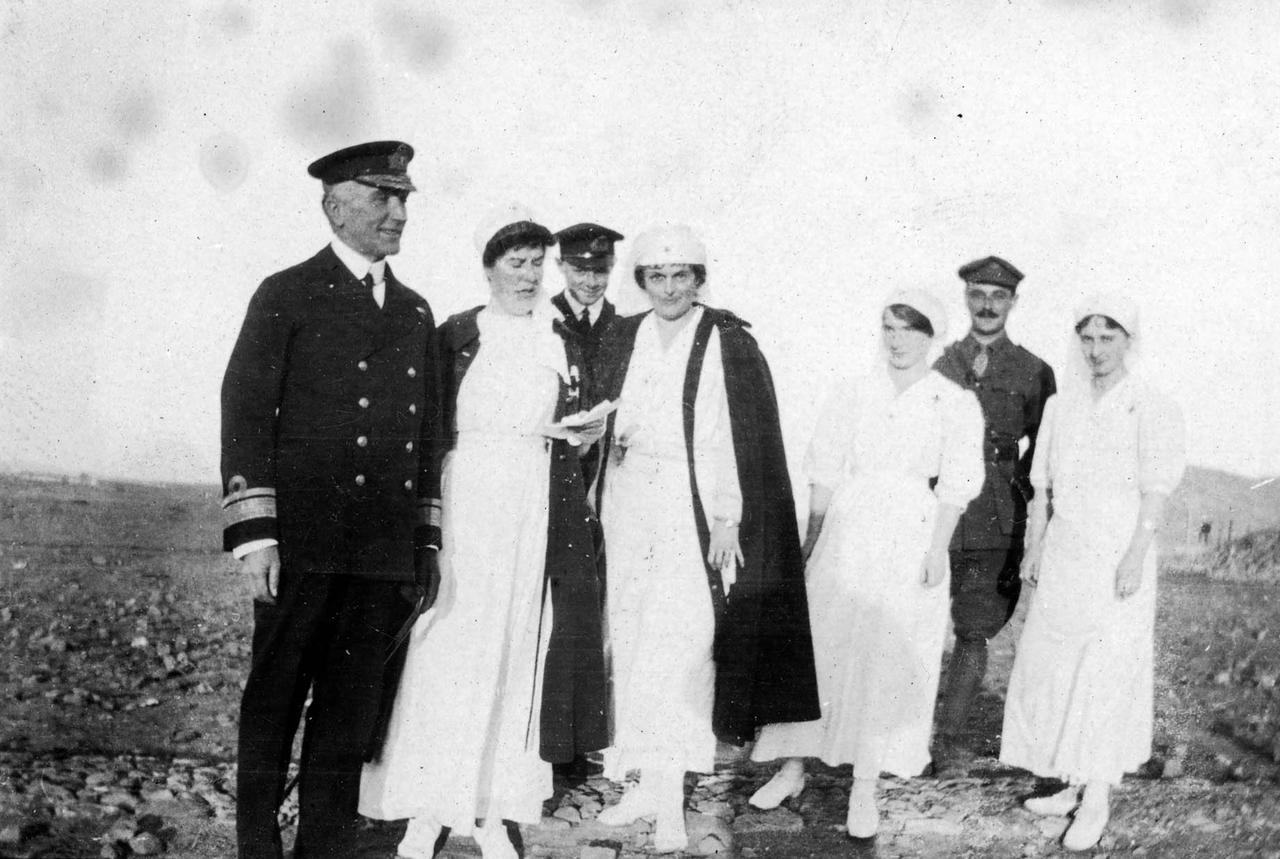

What is not common is for those words to come from a woman.
The description of the sick and wounded came from Jeanne Antelme, a French nurse based on the Greek island of Lemnos at the height of the Gallipoli Campaign of 1915.
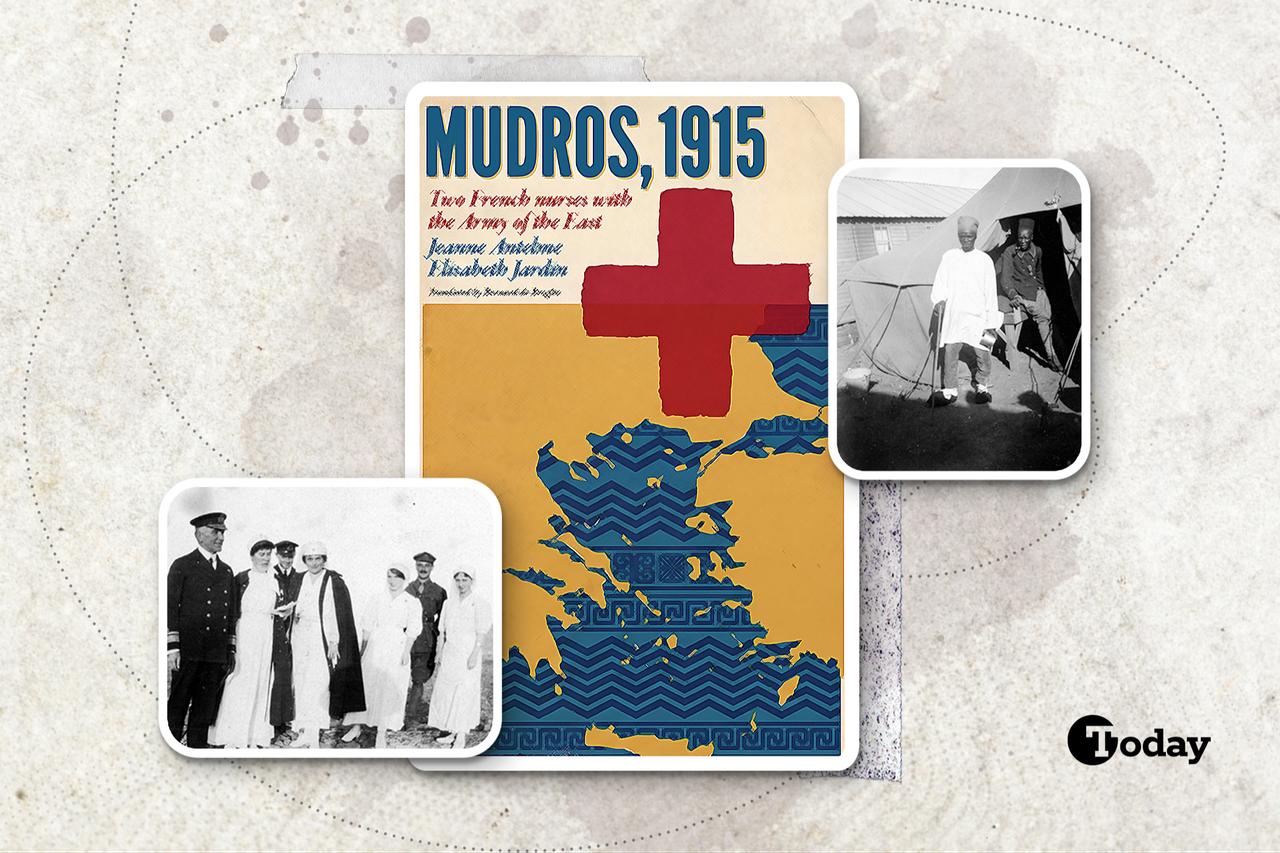
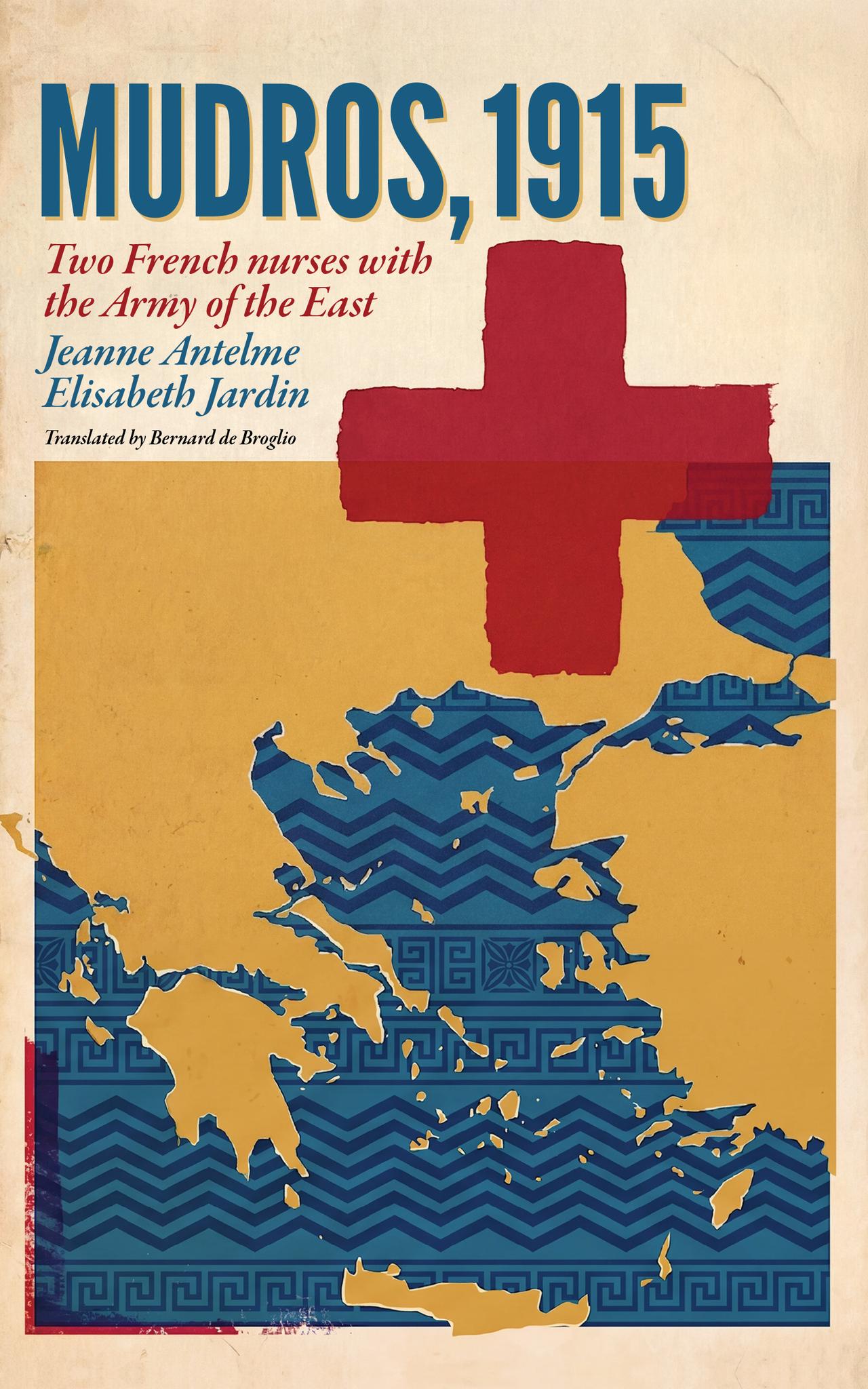
Her experience, and that of another nurse and later doctor, Elizabeth Jardin, are contained in a newly published book: "Mudros, 1915: Two French Nurses with the Army in the East."
While both accounts have been published before, in each case over 100 years ago, neither has appeared in English, with Two French Nurses with the Army in the East opening a door onto experiences often forgotten by those with an interest in the events of 1915, the role of the men and women of France and its colonies in the Gallipoli Campaign.
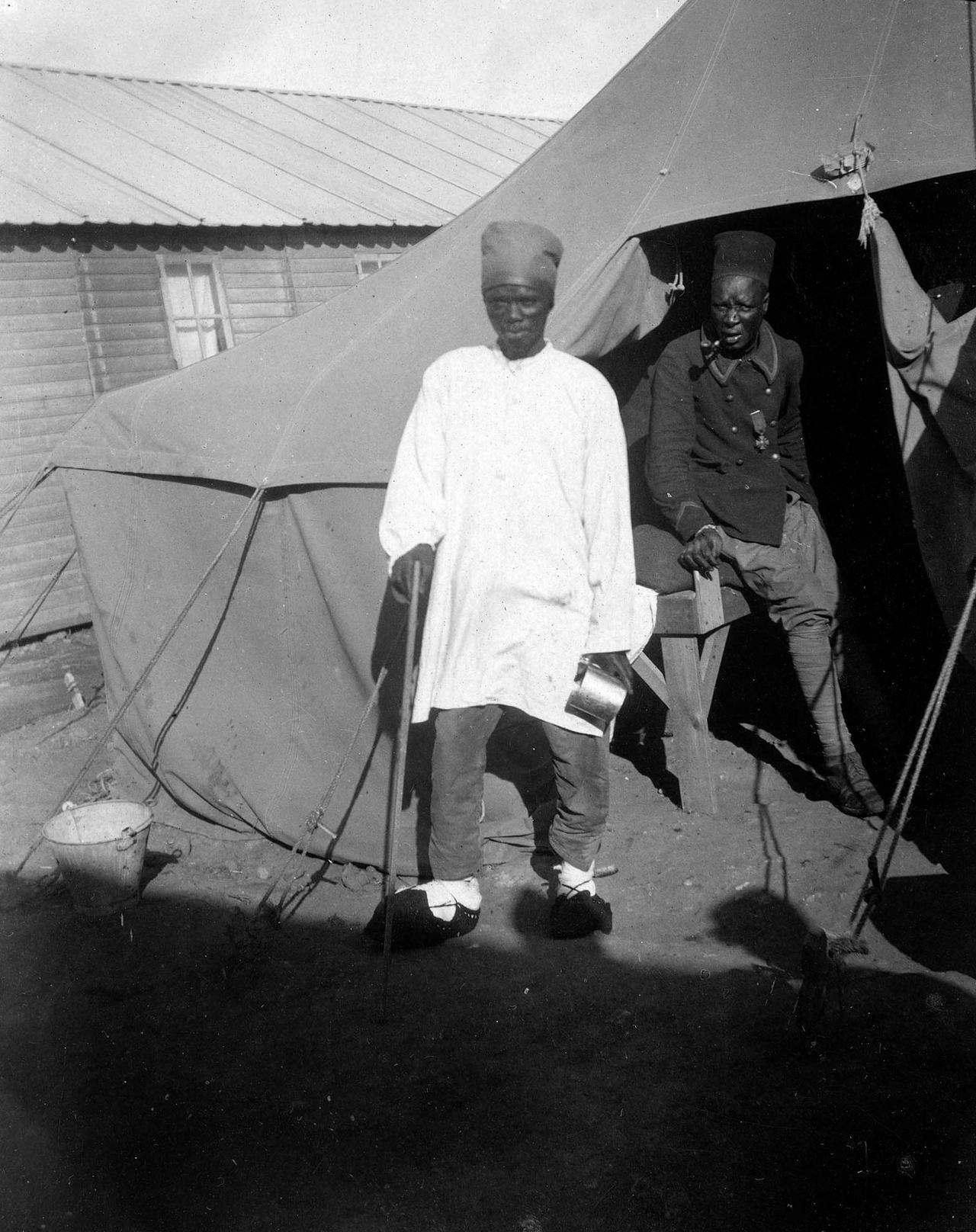
Born in Mauritius, married into a rich family in France, and already a published author, soon after the war broke out, Antelme volunteered to serve with the French Red Cross, arriving at the port of Mudros in August 1915.
Assigned to a hospital caring for the sick evacuated from the peninsula, Antelme was immediately pitched into what she described as "a vision of hell."
It was a vision she shared with Jardin, who was among the first contingent of French nurses to land on Lemnos in July.
A medical professional, her account differs from that of Antelme, as it formed the basis for Jardin’s thesis as part of her studies to become a doctor.
As such, it is a study of wartime medicine, of how the problems of infection and flies, water shortages, and lack of supplies and equipment were faced and overcome.
Despite its more academic nature, Jardin’s account is just as graphic as that of her colleague, detailing the daily struggle of the French medical service’s own battle to overcome wounds and disease, a battle no less real than that being fought on the peninsula 100 kilometers to the east.
Two French Nurses with the Army in the East is also unique as it contains the only written account by a woman from the Allied forces who actually set foot on the field of battle, with Jeanne Antelme coming ashore from a hospital ship in October.
She saw both beauty and horror.
“Nowhere else have I seen a light so pure, so beautiful, so gripping. Every hour brings with it a whole procession of new colours...” she wrote of the scene as the hospital ship she was on approached the peninsula.
And then:
“And I saw those field hospitals that nothing can shield from the enemy. I saw the countless graves on the shore, piled high with shingle and bathed by the sea. I saw all the other graves where twenty or thirty dead are heaped into each one…”
"Mudros, 1915: Two French Nurses with the Army in the East," the story of Elizabeth Jardin and Jeanne Antelme, has been translated and published by Australian author and historian Bernard de Broglio, who has also added extensive footnotes and appendices, including on the role of the French medical service during the Gallipoli Campaign.
The book is also richly illustrated with previously unpublished photos and maps to help place the reader in the scene and give them a rare window into the past.


 Set as preferred source
 Set as preferred source


 3 min read