

 Newsletters


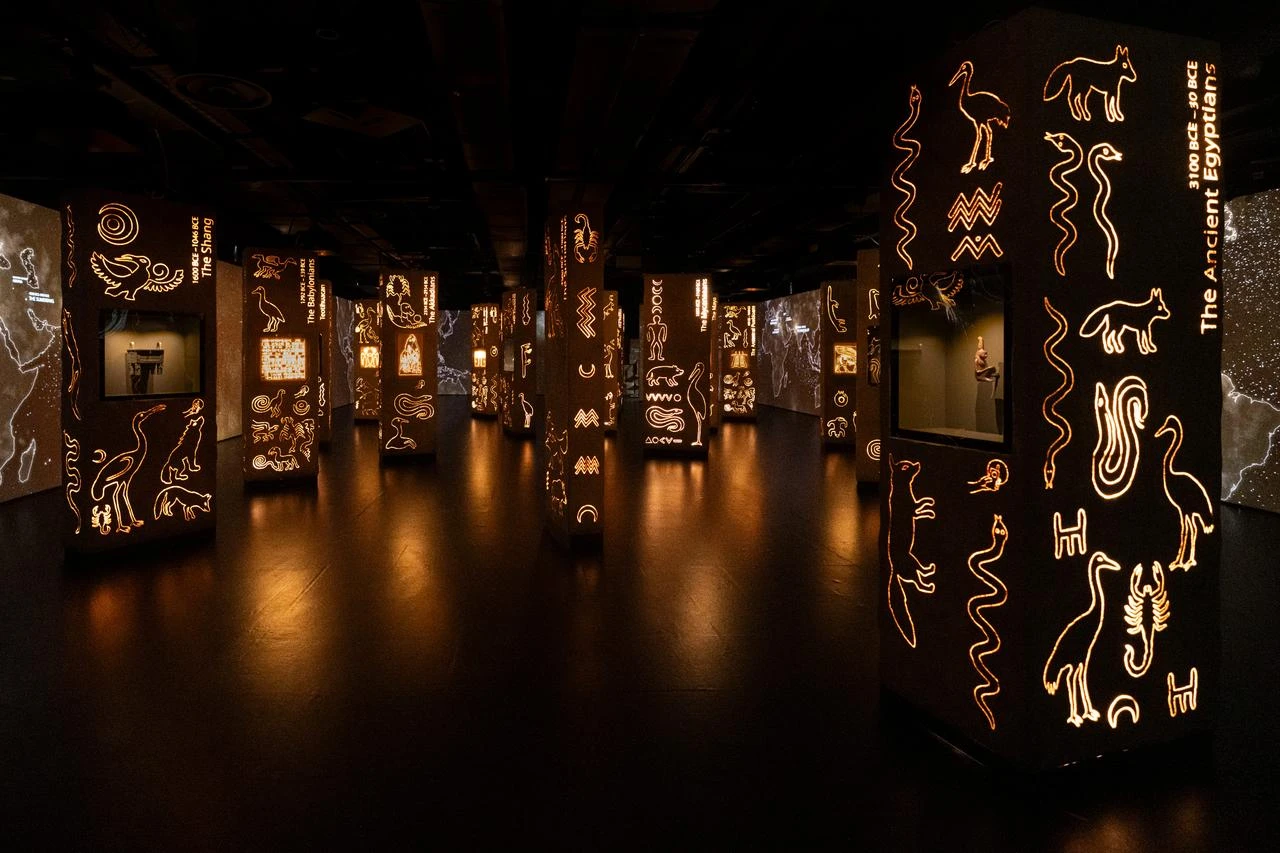


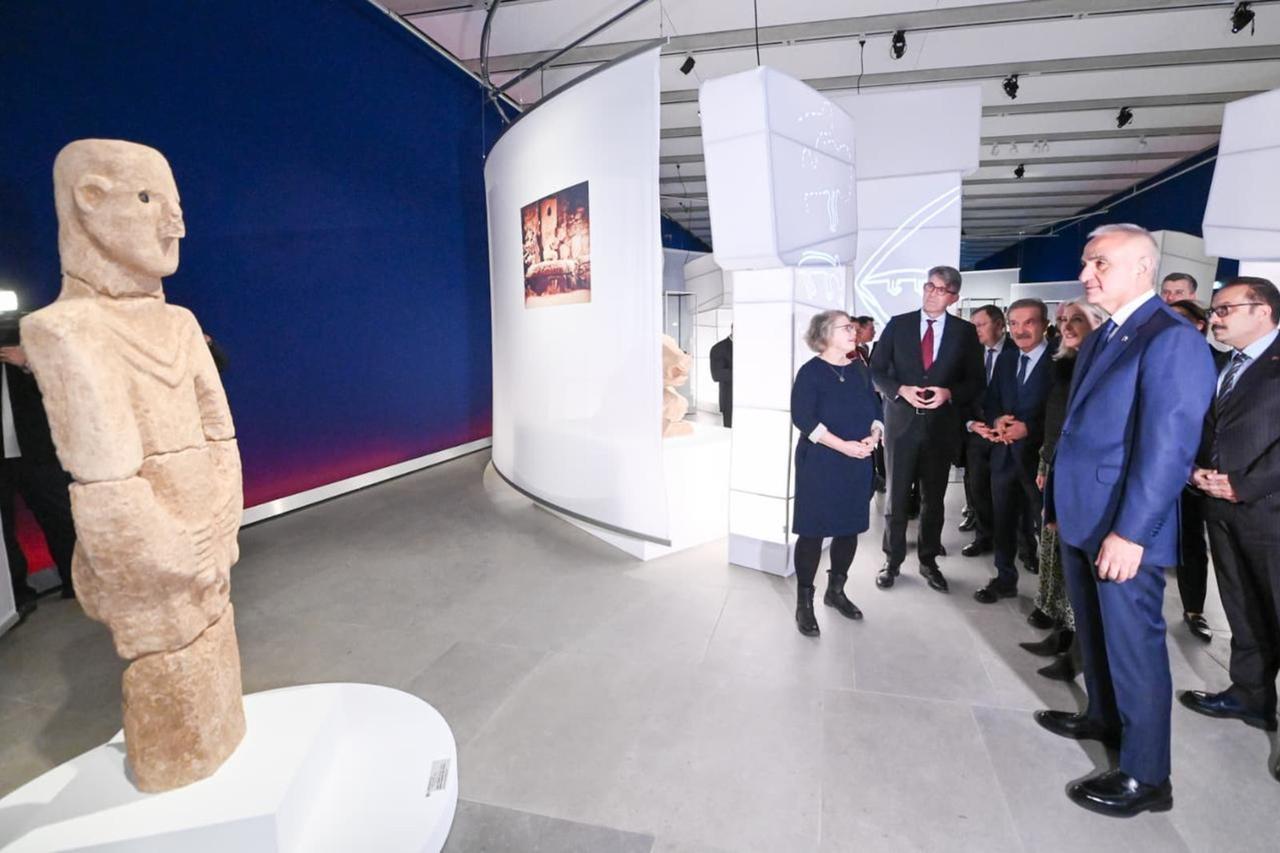
A new immersive exhibition in London is bringing together some of the world's earliest civilizations, starting with Türkiye's 12,000-year-old Gobeklitepe and moving through Babylon, Ancient Egypt, the Maya world and Rapa Nui with large-scale visuals, spatial sound and interactive storytelling.
Developed by DEM Museums, the "Timewalk Exhibition" opened this month at ExCeL London, a major exhibition and convention center in the British capital.
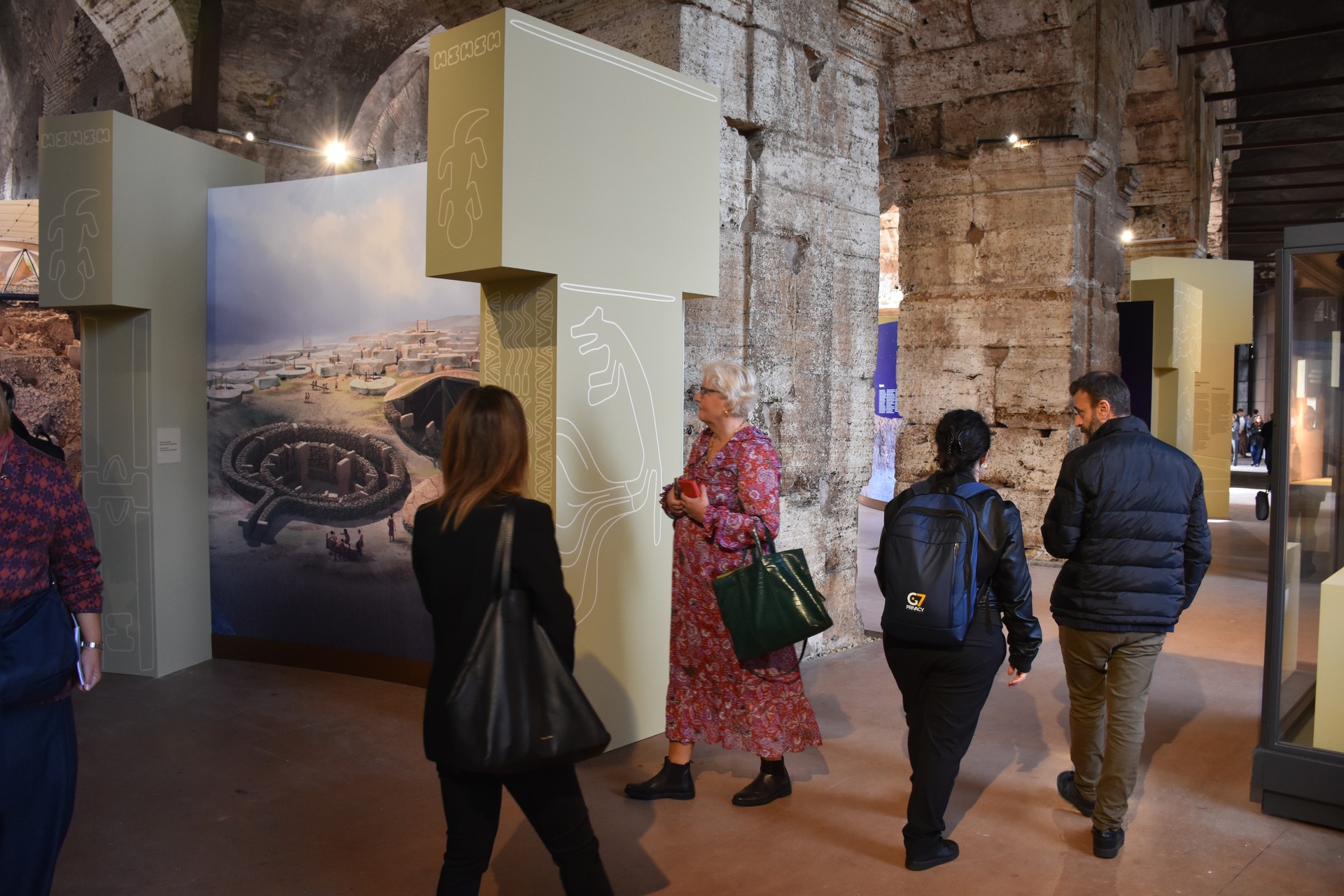
Rather than displaying ancient cultures only through traditional objects and information panels, the experience rebuilds historic settings through digital imagery, sound design and narrative sequences.
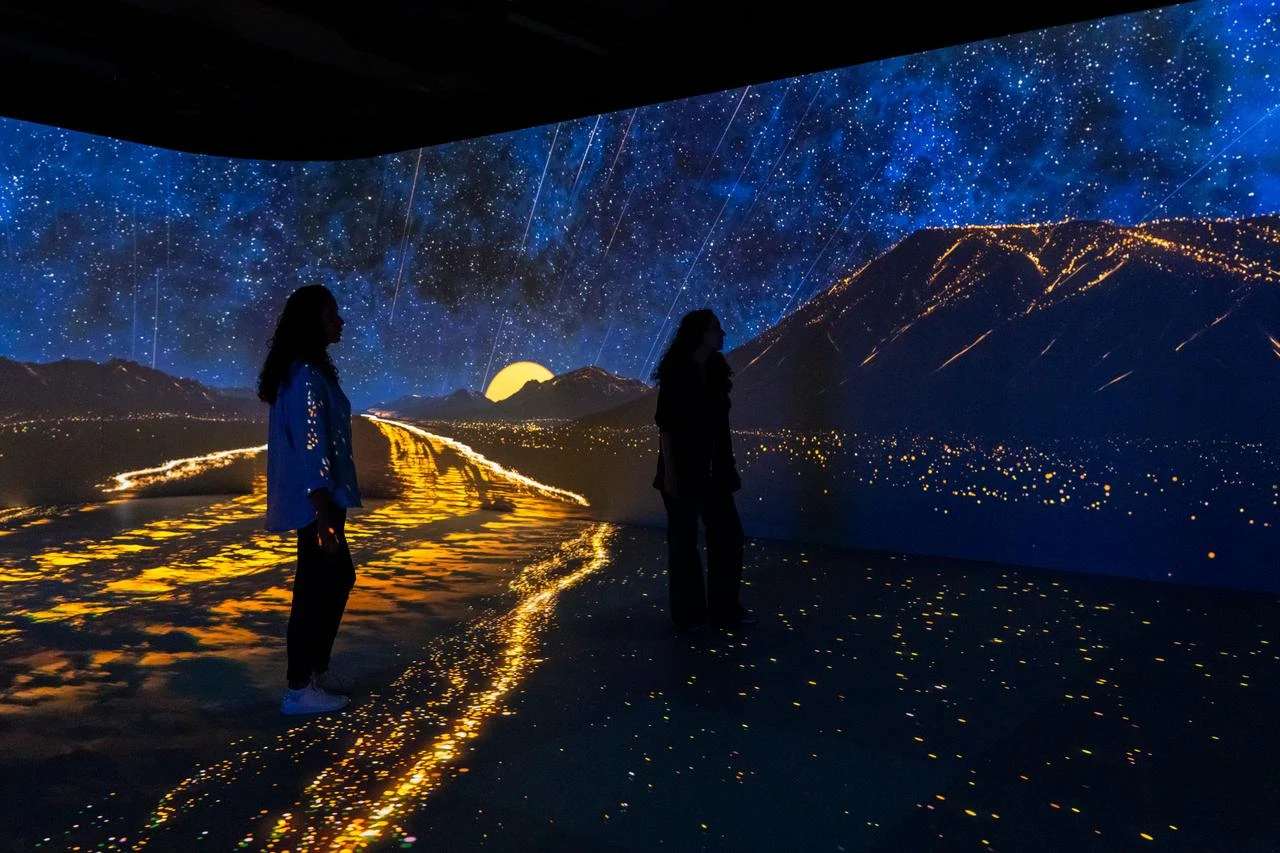

The exhibition opens at Gobeklitepe, the prehistoric archaeological site near Sanliurfa in southeastern Türkiye that is widely regarded as the location of the world's oldest known monumental complex building.
The experience focuses on how early communities moved beyond basic survival and began to develop shared rituals, collective beliefs and more organized forms of social life.
From Gobeklitepe, visitors move on to Babylon, where early cities and systems of knowledge took shape, before entering Ancient Egypt, whose society was closely linked to beliefs about immortality and cosmic order.
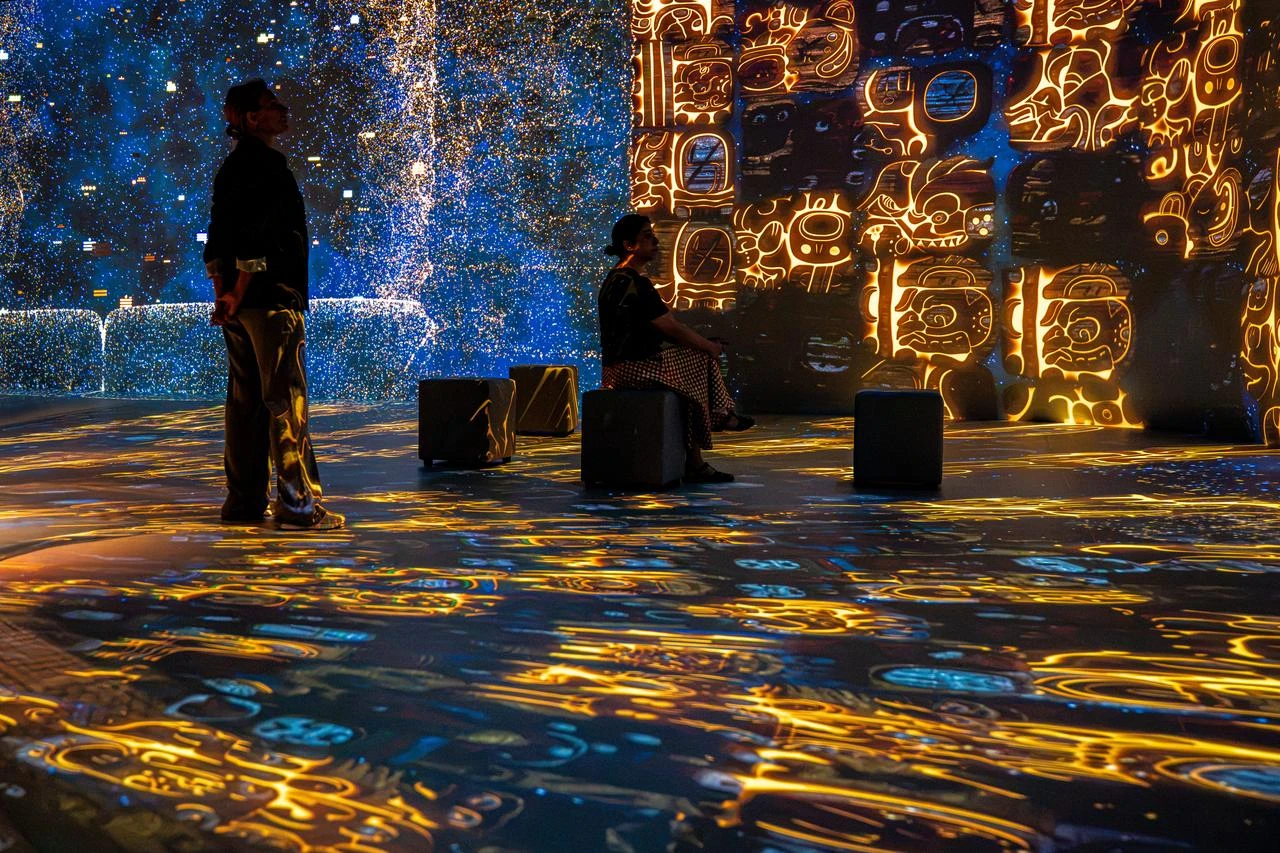
The journey then takes in the Maya civilization, known for its achievements in mathematics and astronomy as well as its understanding of time as a repeating cycle, and Rapa Nui, the Pacific island famous for its monumental Moai statues.
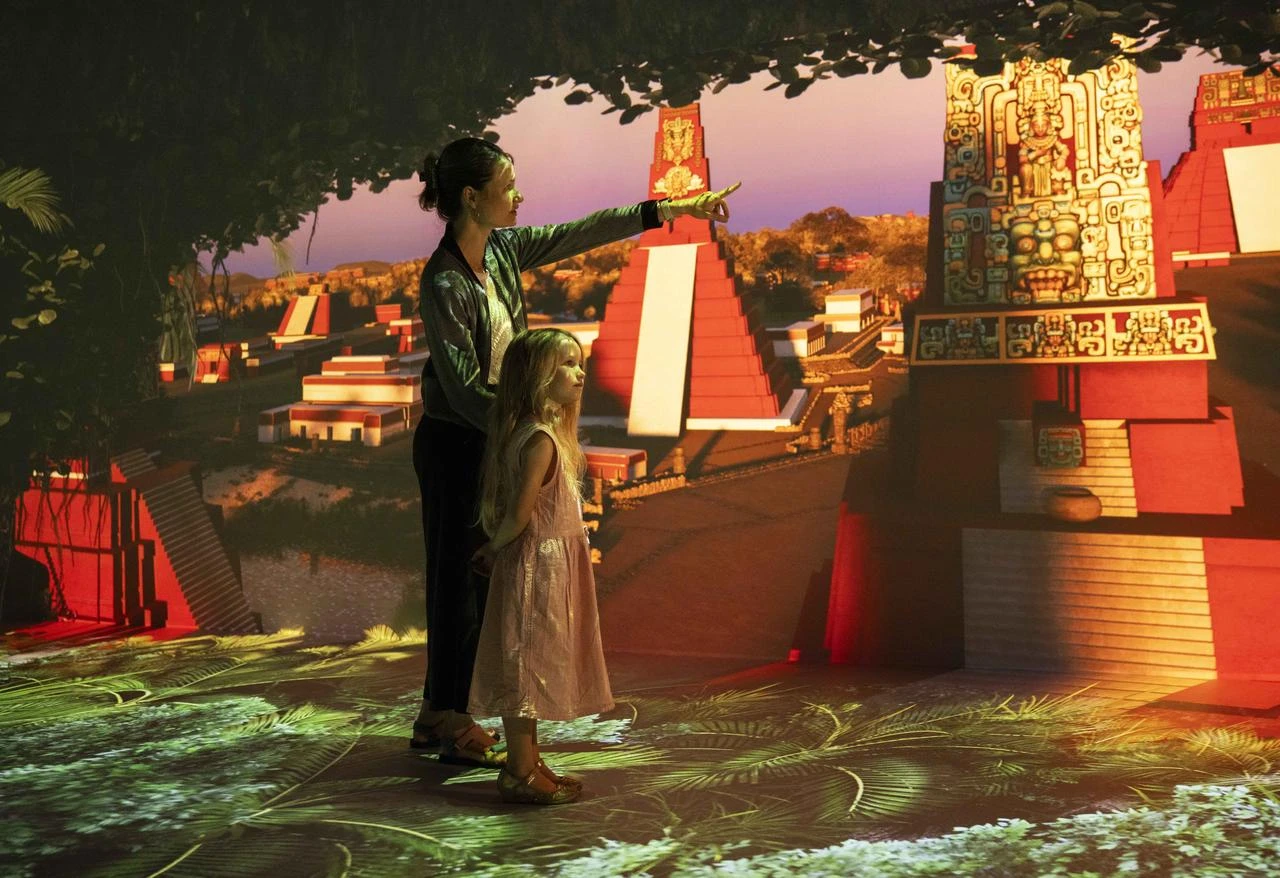
Instead of treating the civilizations as distant remains of the past, Timewalk presents them as living societies formed by everyday experiences, belief systems and collective memory.
Immersive effects bring reconstructed cities, temples and monuments into view, allowing visitors to experience scenes such as urban settlements at dawn, illuminated sacred spaces and moments from daily life.
The exhibition draws on archaeological research and was put together by historians, writers, artists, architects, creative directors and technology specialists. More than 250 people worked on the project for over two years, with experts from different fields contributing to its development.
Audio guides are available in 25 languages, while a separate storytelling option has been designed for children.
Mehmet Ugur Esin, chairman of DEM Museums, said Timewalk marked the organization's first international project and sought to bring cultural heritage together with modern technology.
"With Timewalk Exhibition, the first step of the cultural bridge we are extending from Türkiye to the world, we are reinterpreting humanity's shared heritage through contemporary technologies and building a lasting connection between the past and the future," Esin said.
Gobeklitepe has welcomed more than 4.4 million visitors since it was added to UNESCO's World Heritage List in 2018.
Located near the village of Orencik, around 18 kilometers from Sanliurfa, the archaeological site dates back approximately 12,000 years.
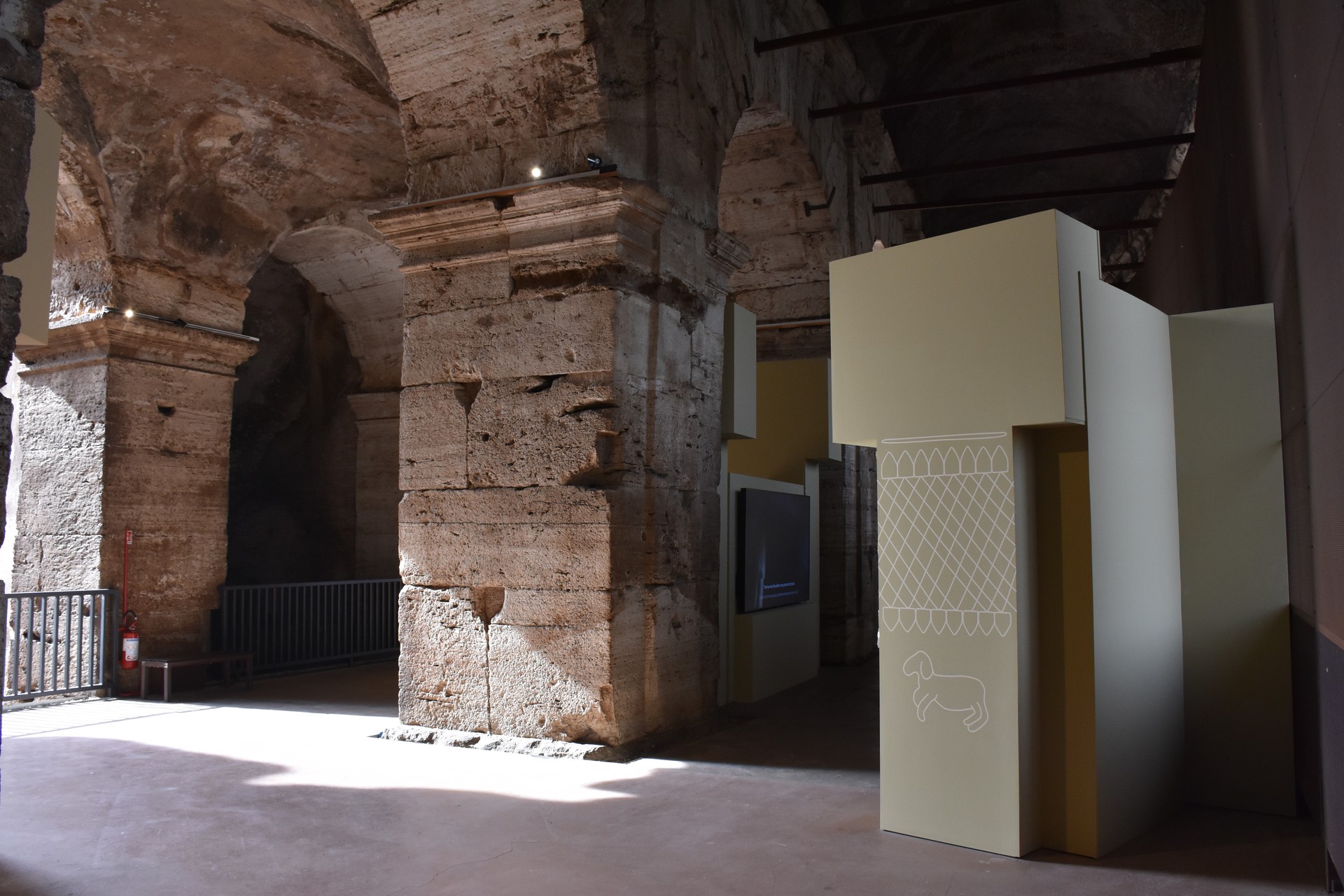
Although the area first came to the attention of researchers during surveys in the 1960s, interest picked up again in 1986 after a farmer uncovered a carved statue while plowing his field. Systematic excavations began in 1995 and brought to light massive T-shaped limestone pillars decorated with animal reliefs from the Neolithic period, the final stage of the Stone Age when settled communities and early farming began to emerge.
Some of the pillars rise to about 6 meters and weigh up to 60 tons, revealing the technical and organizational capabilities of prehistoric communities.
Gobeklitepe was placed on UNESCO's tentative heritage list in 2011 and received full World Heritage status in July 2018. Türkiye later declared 2019 the "Year of Gobeklitepe" as part of efforts to promote the site internationally.


 Set as preferred source
 Set as preferred source


 1 min read
 1 min read


