Newsletters


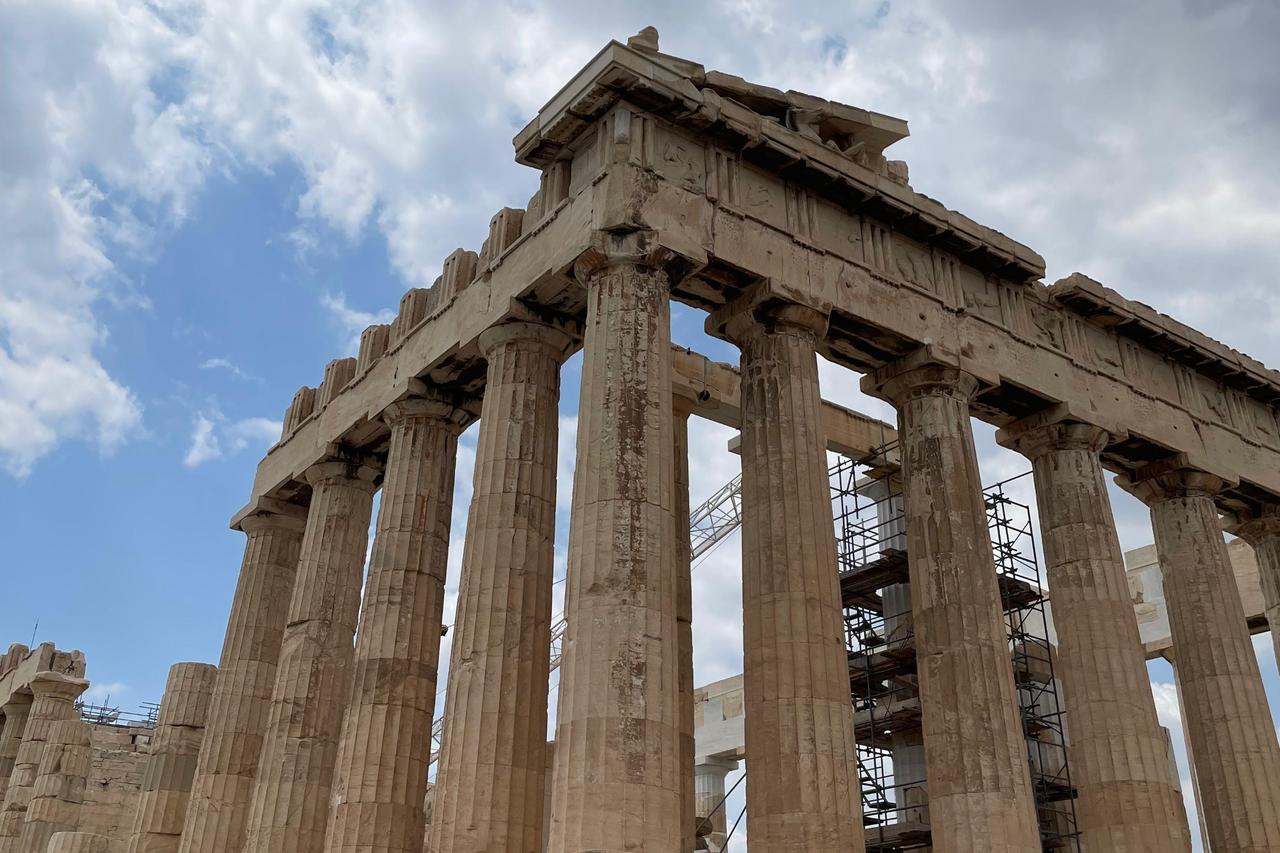


Greece’s Culture Ministry is preparing a wide-ranging program of infrastructure works and conservation projects around the Acropolis, aiming to bring long-overlooked ancient monuments into clearer public view through new cultural routes and upgraded visitor facilities. While the initiative focuses on Classical-era remains, the plans have also revived broader discussions among experts about how later historical layers, including the Ottoman period, fit into Greece’s cultural heritage narrative.
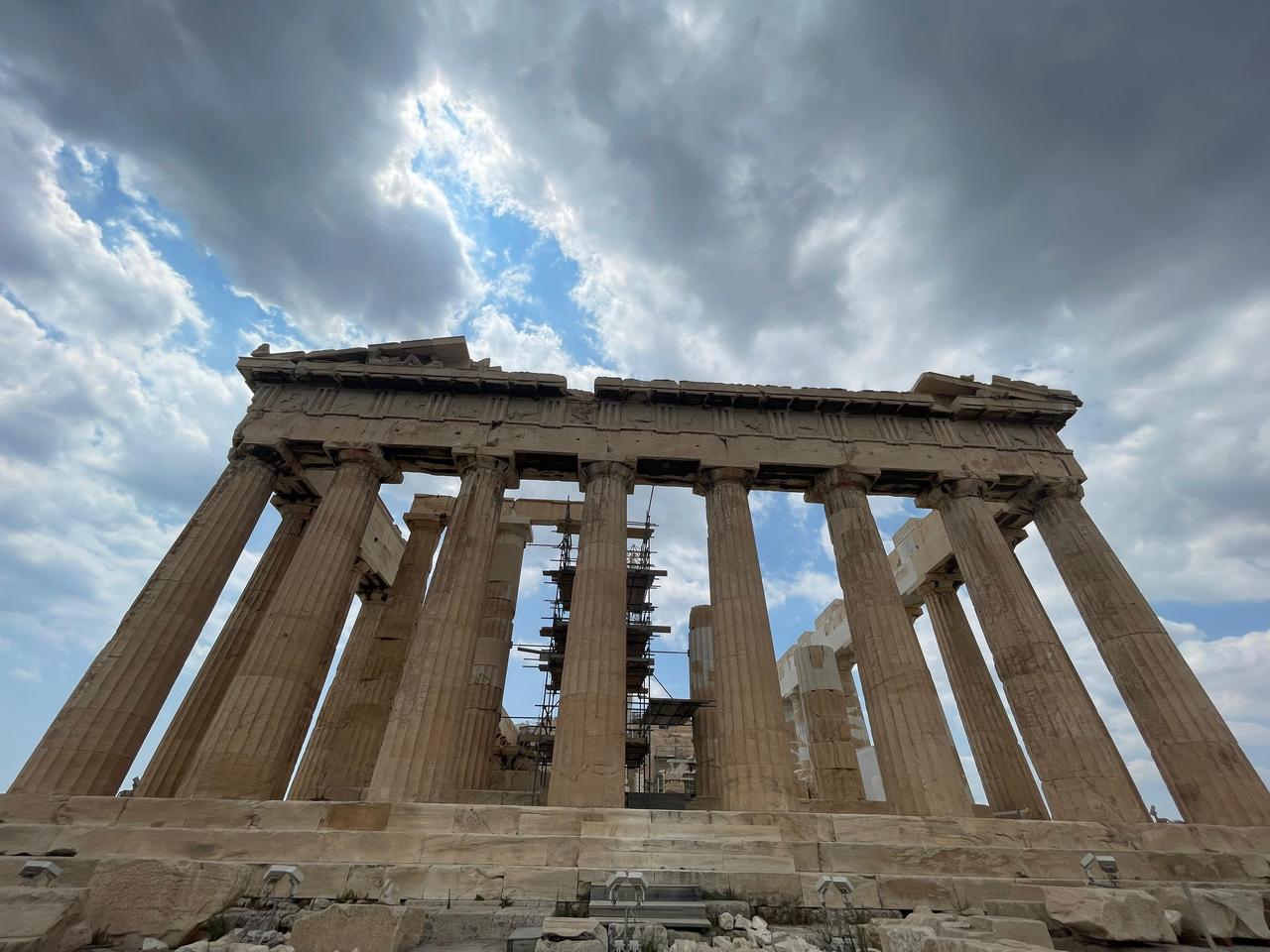

Central to the planned projects is the conservation and presentation of the Koile Road, one of ancient Athens’ main routes connecting the Acropolis with the port of Piraeus. The road runs through the ravine between the Hill of the Muses and the Pnyx, both historically significant landmarks in the city’s political and cultural life.
According to Culture Ministry sources, work is expected to begin within the year. The aim is to make the route more legible and accessible, while integrating it into the wider Acropolis network of cultural paths. The project is designed to help visitors better understand how ancient Athens functioned as a connected urban landscape rather than a collection of isolated monuments.
The intervention also covers the ancient Fountain of Antaios in the Petralona district, as well as sections of the Diateichisma, a defensive wall dating to the early 4th century B.C. Stretching roughly 900 meters, the wall is currently described by ministry officials as unclear to visitors, both in form and function.
Planned additions using artificial stone are intended to outline missing sections, helping visitors visually grasp the monument without reconstructing it in full. Officials say this approach is meant to clarify the site rather than alter its historical character.
Beyond conservation, the project includes a series of visitor-oriented upgrades. Automated payment stations, accessibility ramps, and shaded entry points are planned to improve access, particularly during peak summer months.
Nearby buildings are set to be reused to provide lockers, a children’s activity area, a small shop, and an outdoor cultural venue, signaling a shift toward a more experience-based presentation of the Acropolis surroundings.
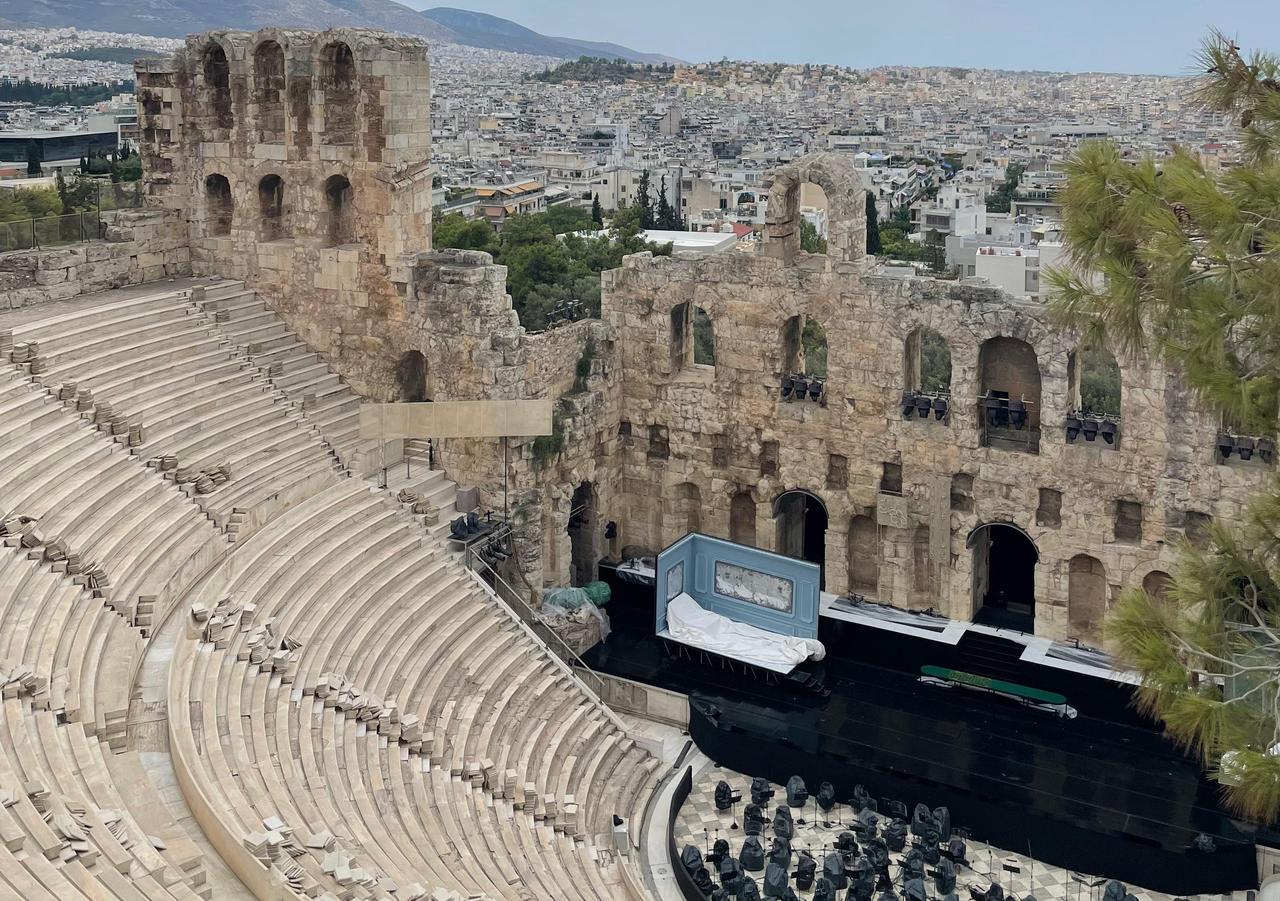
Extensive works are also planned for the Odeon of Herodes Atticus, the Roman-era theater still used for performances today. At the same time, studies are continuing for the Theater of Dionysus, considered the birthplace of ancient drama, and for the western ascent to the Acropolis. No timetable has been announced for these projects, underscoring their technical and archaeological complexity.
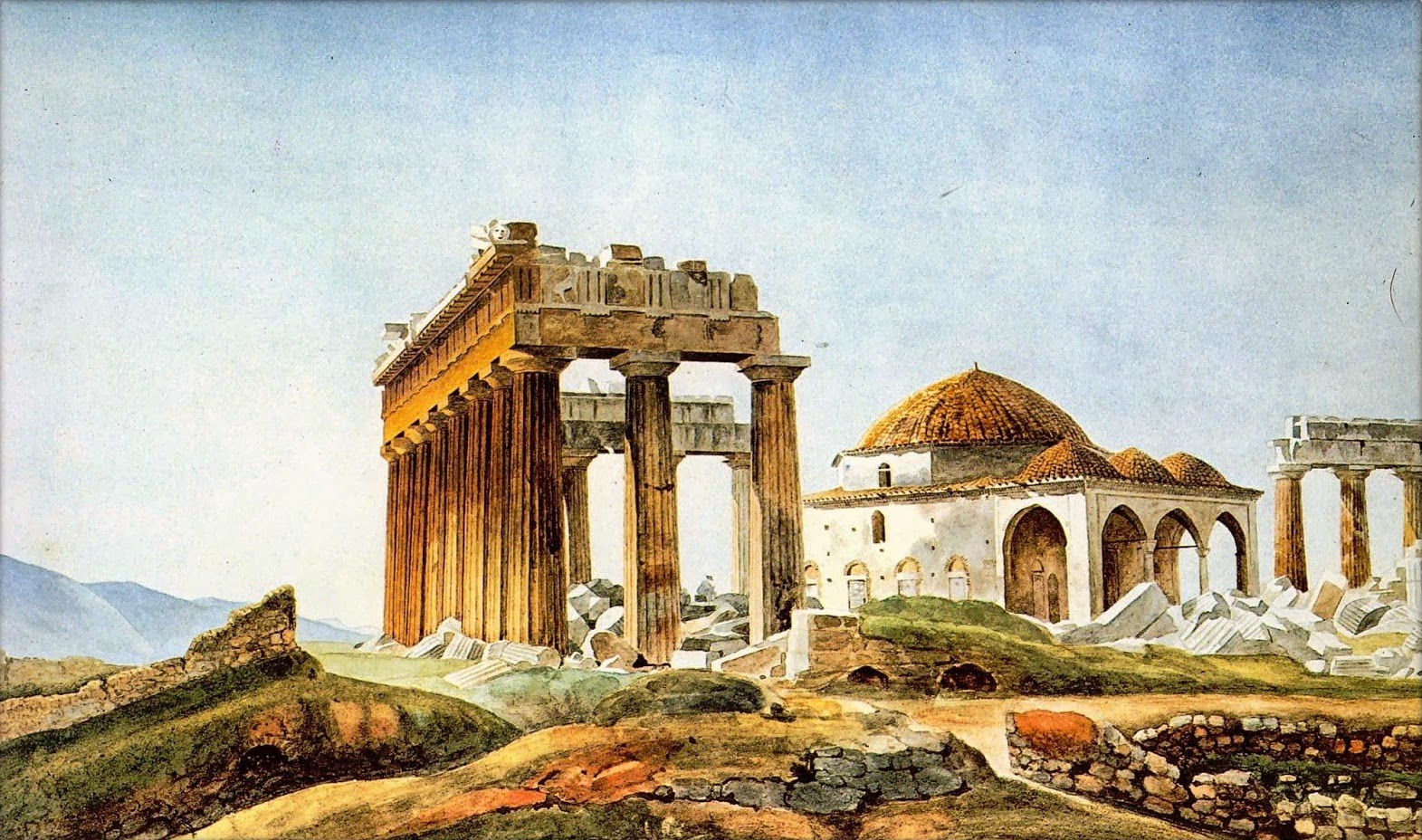
The new plans come as earlier reporting by Türkiye Today has drawn attention to what experts describe as overlooked or postponed layers of heritage around the Acropolis, particularly remains from the Ottoman period. Athens, known in Ottoman sources as Medinetu’l-hukema, or “City of Scholars,” was under Ottoman rule for nearly three and a half centuries, during which mosques, baths, and educational institutions reshaped the city.
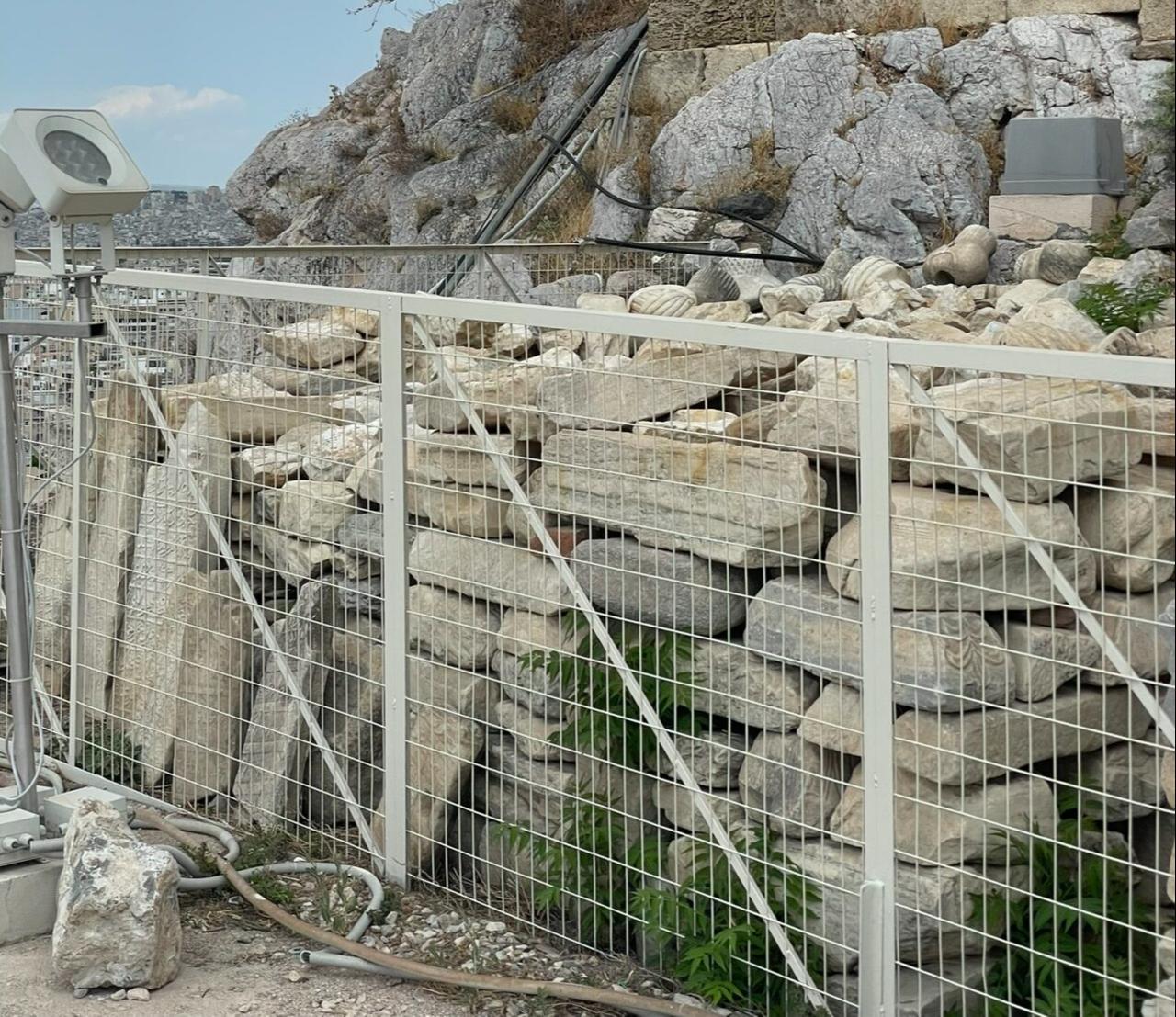
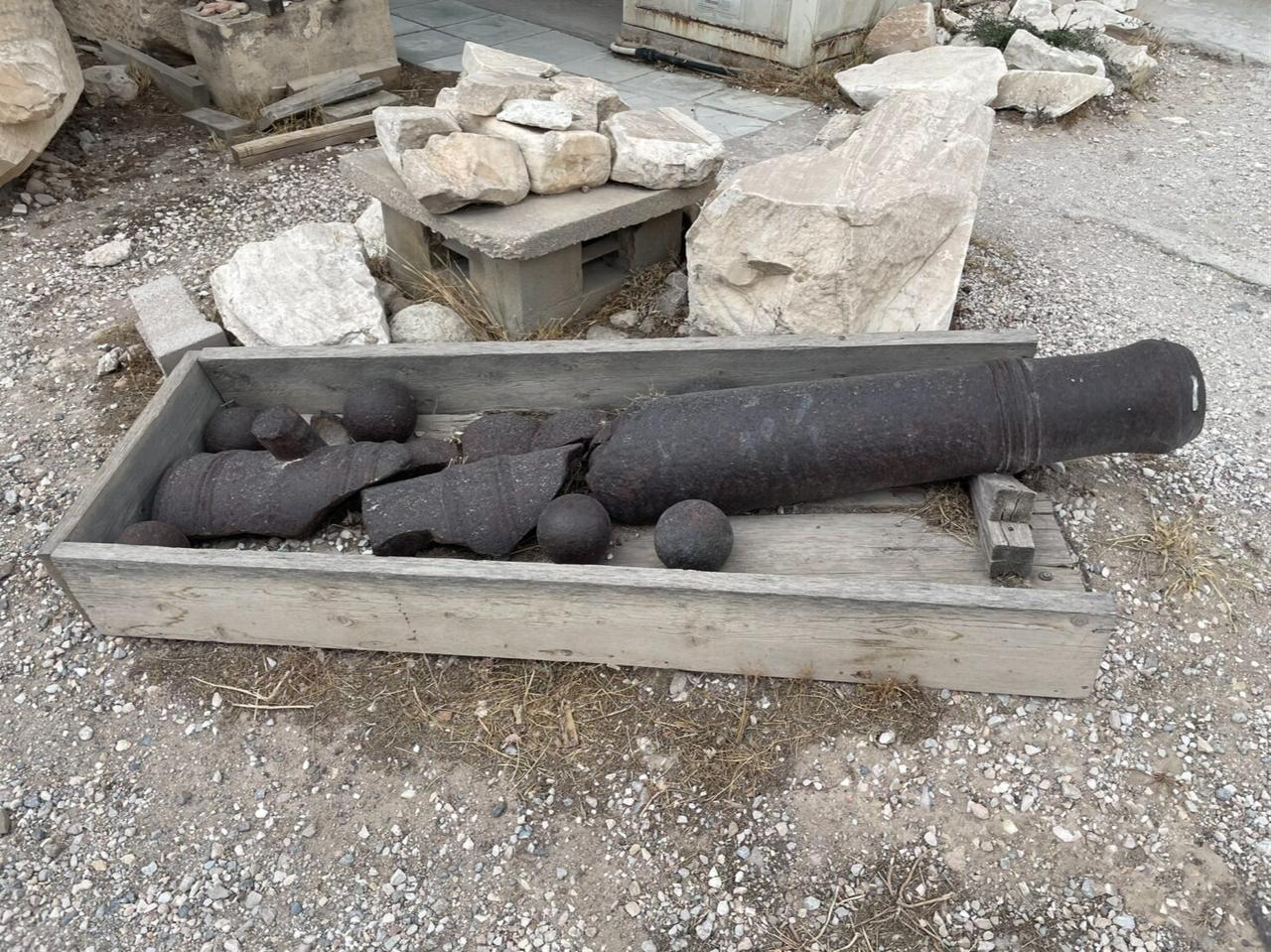
Today, many Ottoman-era structures in Athens no longer function in their original roles, with some repurposed for secular use and others left in neglect. Artifacts such as Ottoman tombstones and cannons around the Acropolis have also been criticized for inadequate preservation and storage.
Specialists cited in earlier Türkiye Today reporting have argued that these remains are part of Greece’s layered cultural history and should be acknowledged within official heritage frameworks rather than treated as marginal or temporary episodes.
While the Culture Ministry’s current initiative is firmly centered on ancient Greek monuments, heritage experts say the expansion of cultural routes around the Acropolis inevitably raises questions about which historical periods are highlighted and which are left out.


 Set as preferred source
 Set as preferred source


 1 min read

 1 min read