Newsletters


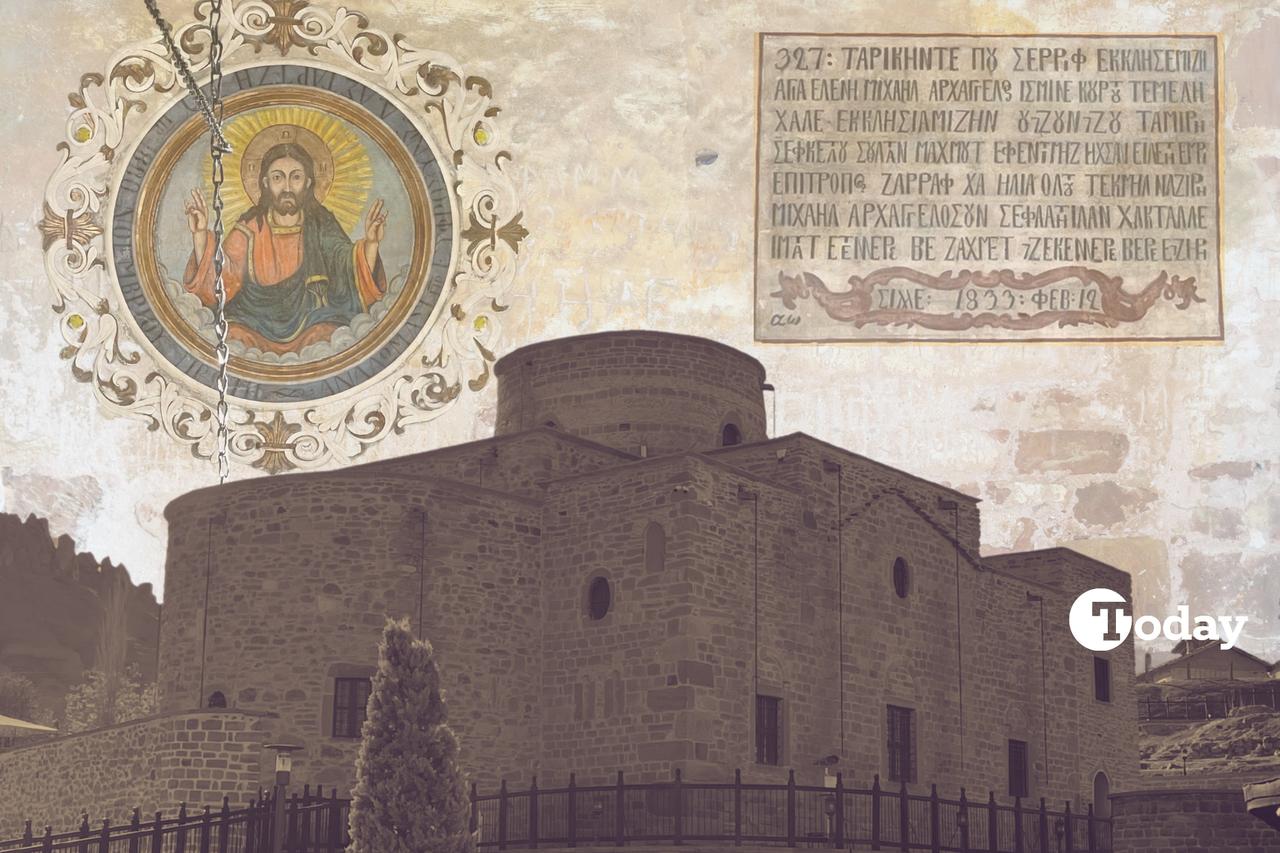


Church of Aya Elenia, or Hagia (Saint) Helen, known historically as Hagios Mikhail, stands in the village of Sille near Konya as a striking example of layered history.
Built, according to an inscription above its door, during the voyage of Helene, mother of Emperor Constantine, in 327, the building later served many roles before its 2013 restoration by the Selcuklu municipality and now functions as a museum.
Visitors will immediately notice two linked facts: its deep Eastern Roman origin and a marble inscription written in Greek letters that actually spells out Turkish—a local legacy known as Karamanli script.
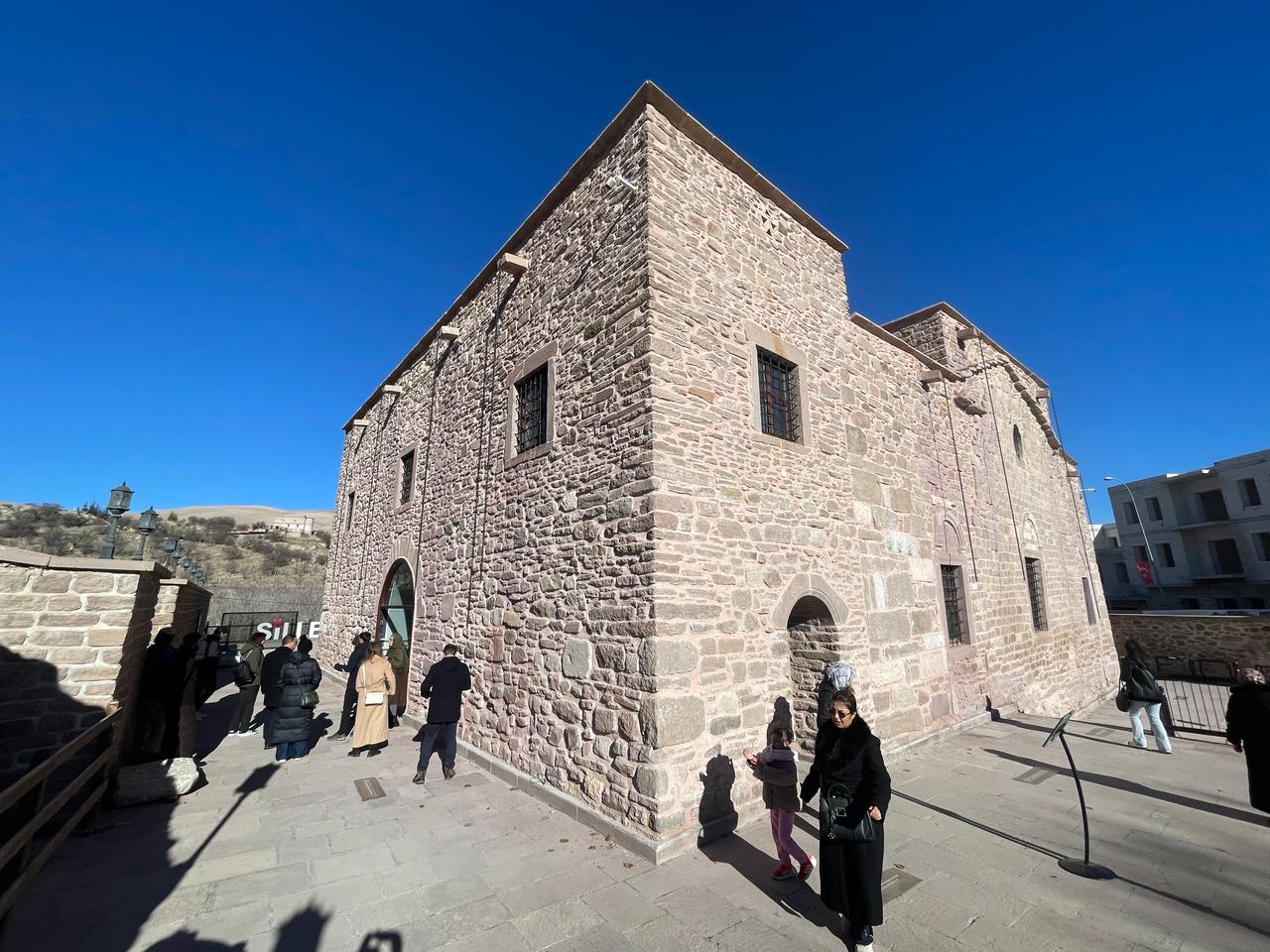

The church is planned as a closed Greek cross and rests on four free-standing columns, with a western entrance called a narthex and ladders leading up to galleries.
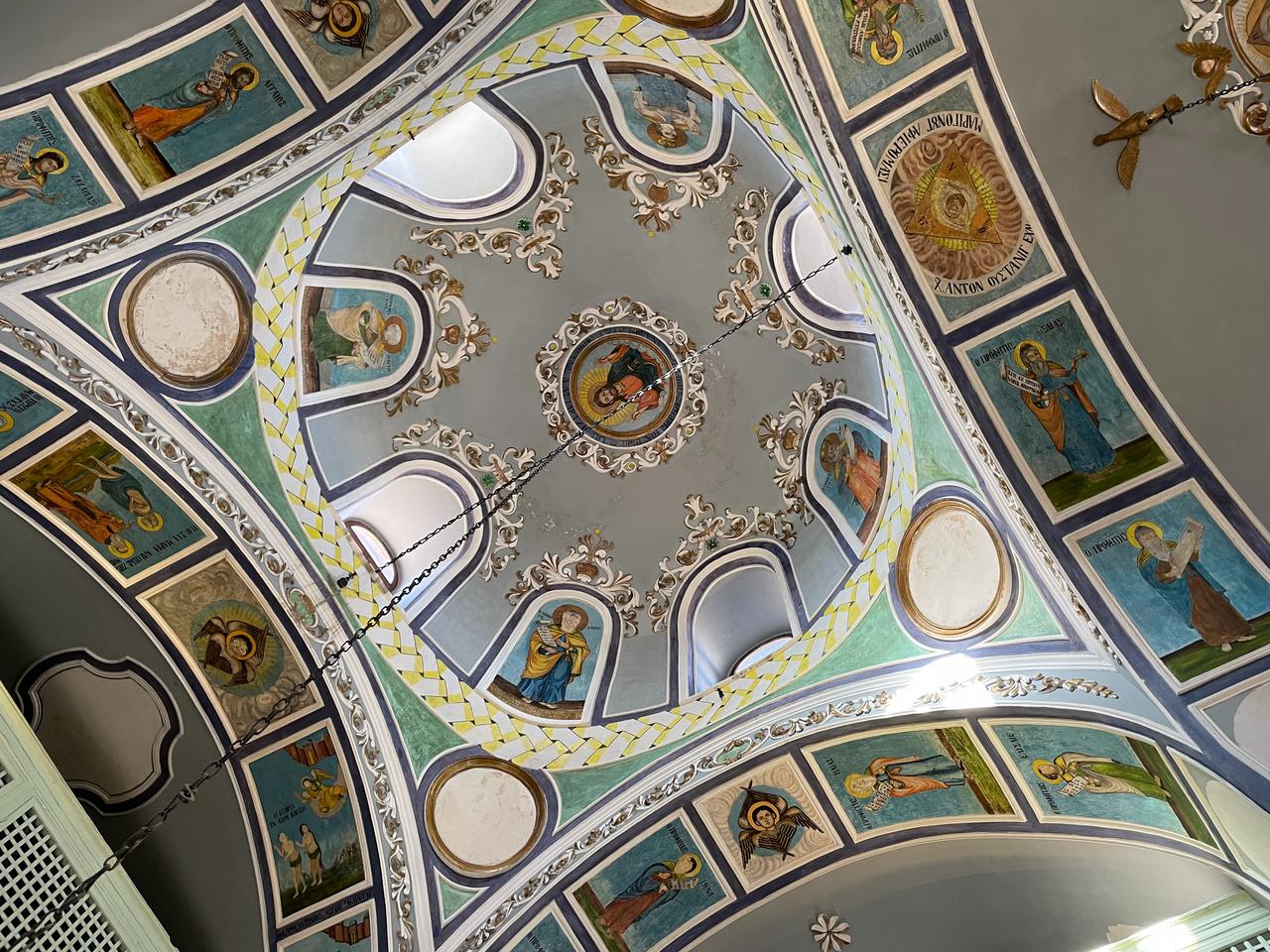
At the center, a dome rises above a wheel of high arches and pillars; the dome and surrounding vaults are filled with frescoes and gold-printed plaster decorations that, in part, reflect 19th-century rococo tastes.
Decorative brickwork wraps the exterior vault, where zigzag, herringbone and sun motifs alternate between windows. These architectural features show how a single building accrued layers of style while keeping its original plan.
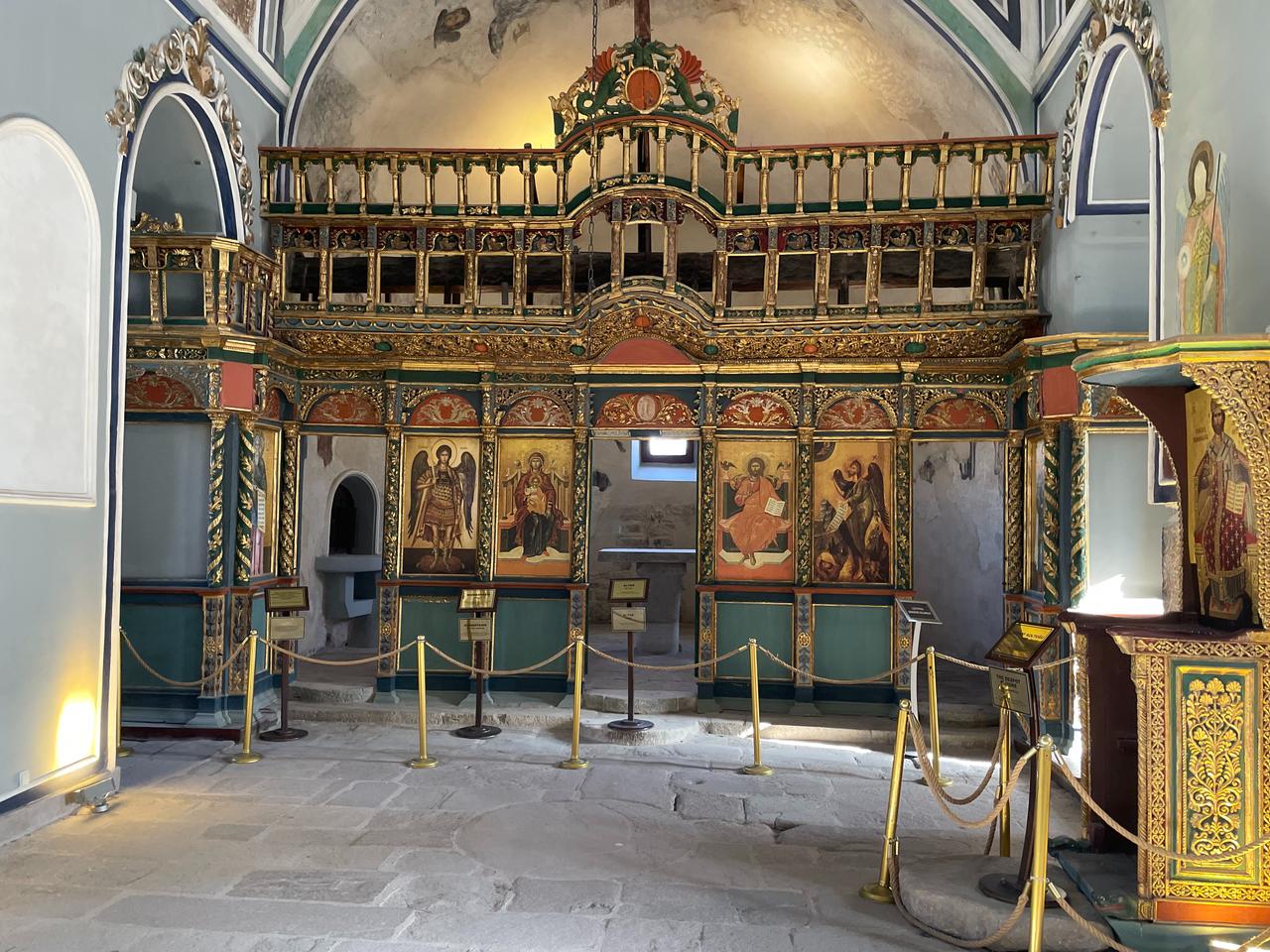
Inside, a finely made iconostasis—the screen that separates the naos (the main body of the church used by worshippers) from the sanctuary or apse—faces the altar.
Many icons that once hung there were lost, some taken to Greece and others moved to the Konya Museum, but the iconostasis itself and several liturgical furnishings remain on display, including a 19th-century despot throne, an ambon used for readings, and a ciborium dated 1901.
The painted program is extensive: Christ Pantocrator crowns the dome, the wheel over the pillars carries images of Emperor Constantine and his mother Helene alongside saints, the pendentives show four Gospel authors, and vaults depict the Virgin Mary, the Baptism of Christ, twelve apostles and angels, as well as the story of Adam and Eve.
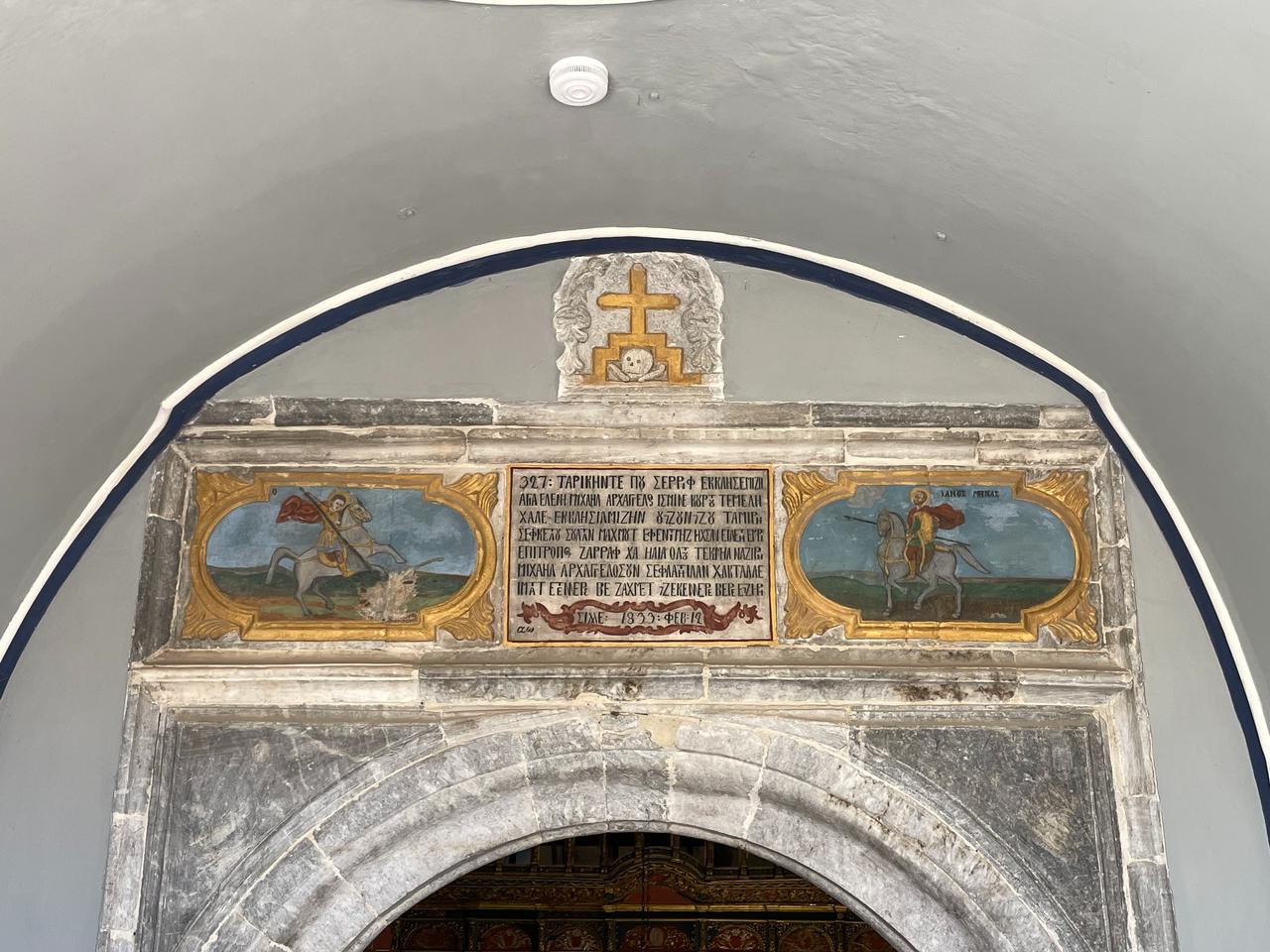
One of the church’s most striking features is the marble inscription above the entrance. At first glance, it appears to be Greek, but scholars and visitors familiar with local history recognize the letters as Karamanli—Greek characters used to write Turkish.
This practice was common among the Karamanli community, Orthodox Christians whose native language was Turkish. The inscription installed after the 1833 repair explicitly records the restoration under the Ottoman ruler and names local patrons.
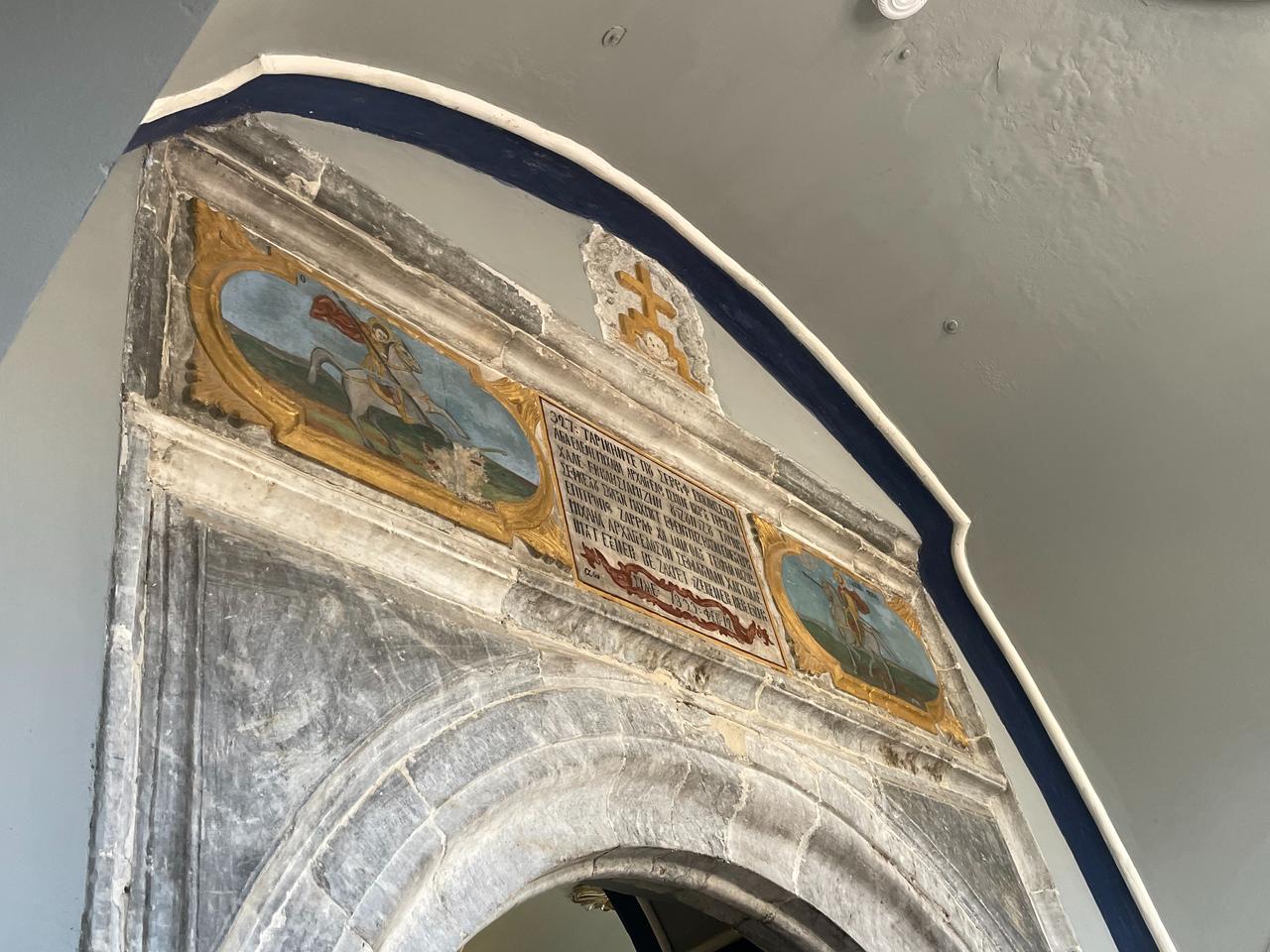
The marble reads:
"327: This Serif established our church in the name of Aghia Eleni Mikhail Arkhangelos. The third restoration of our church was realized with the orders of our majesty Sultan Mahmut and completed by the care of Epitropos goldsmith XA (Haci) Elia and by the intercession of Mikhael Arkhangelos. May God pay reward to those who seek his help and take pains, year 1833: Feb. 12."
This inscription both documents the building’s long chronology and illustrates a particular moment of cultural interaction: an Orthodox community publicly acknowledging an Ottoman sultan’s patronage in their own spoken tongue, written with Greek letters.
The museum displays several movable objects that speak to Sille’s mixed social history. Among them is a small melodeon made by Mason & Hamlin in 1882—an instrument returned to the church by Selcuklu Municipality after being preserved locally during population exchanges.
The melodeon, though not part of Orthodox ritual, is presented as evidence of everyday cultural exchange between Turks and Greeks in the region.
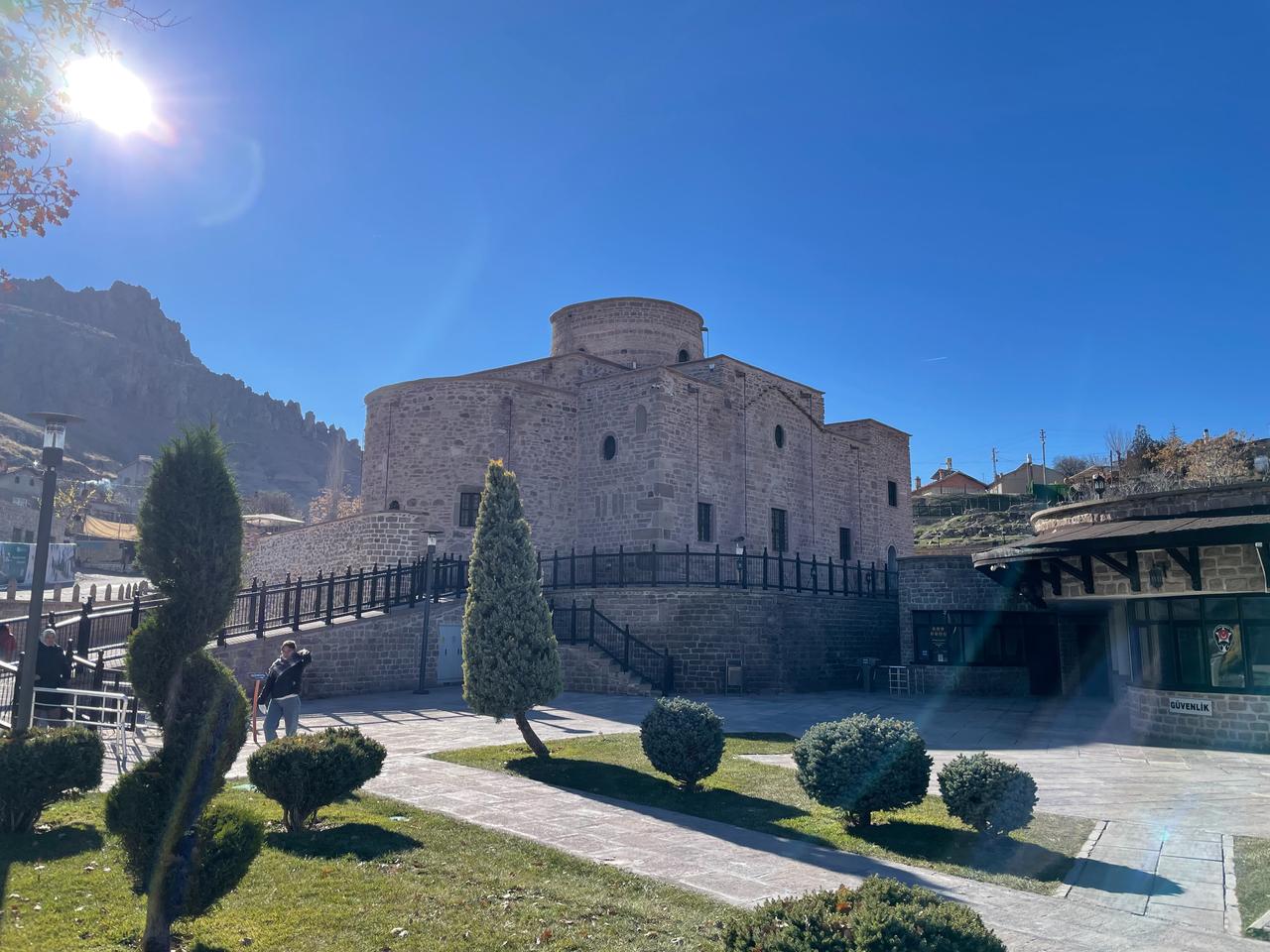
During the First World War, the building was repurposed as a military depot and field infirmary, and at times it fell into disrepair.
The building’s 19th-century restorations (noted in the 1833 inscription) and a later restoration completed by Selcuklu Municipality in 2013 helped to stabilize and convert the site into a museum.


 Set as preferred source
 Set as preferred source


 2 min read