Newsletters


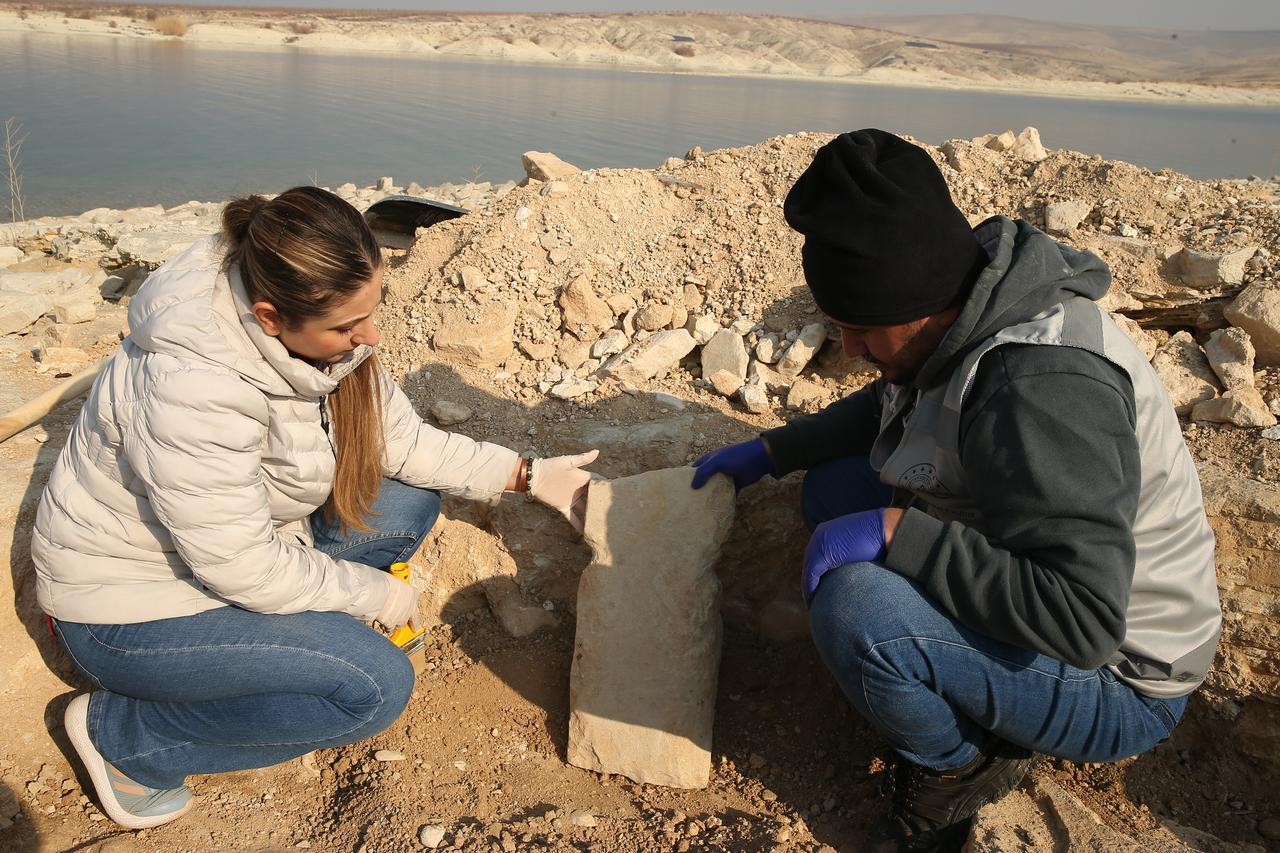


New archaeological remains resembling the iconic T-shaped stone pillars of Gobeklitepe have come to light in the Adiyaman province of southeastern Türkiye after water levels dropped in a reservoir connected to the Ataturk Dam.
The discovery is drawing attention because it points to the wider spread of the early Neolithic culture that reshaped understanding of the world’s first monumental ritual sites.
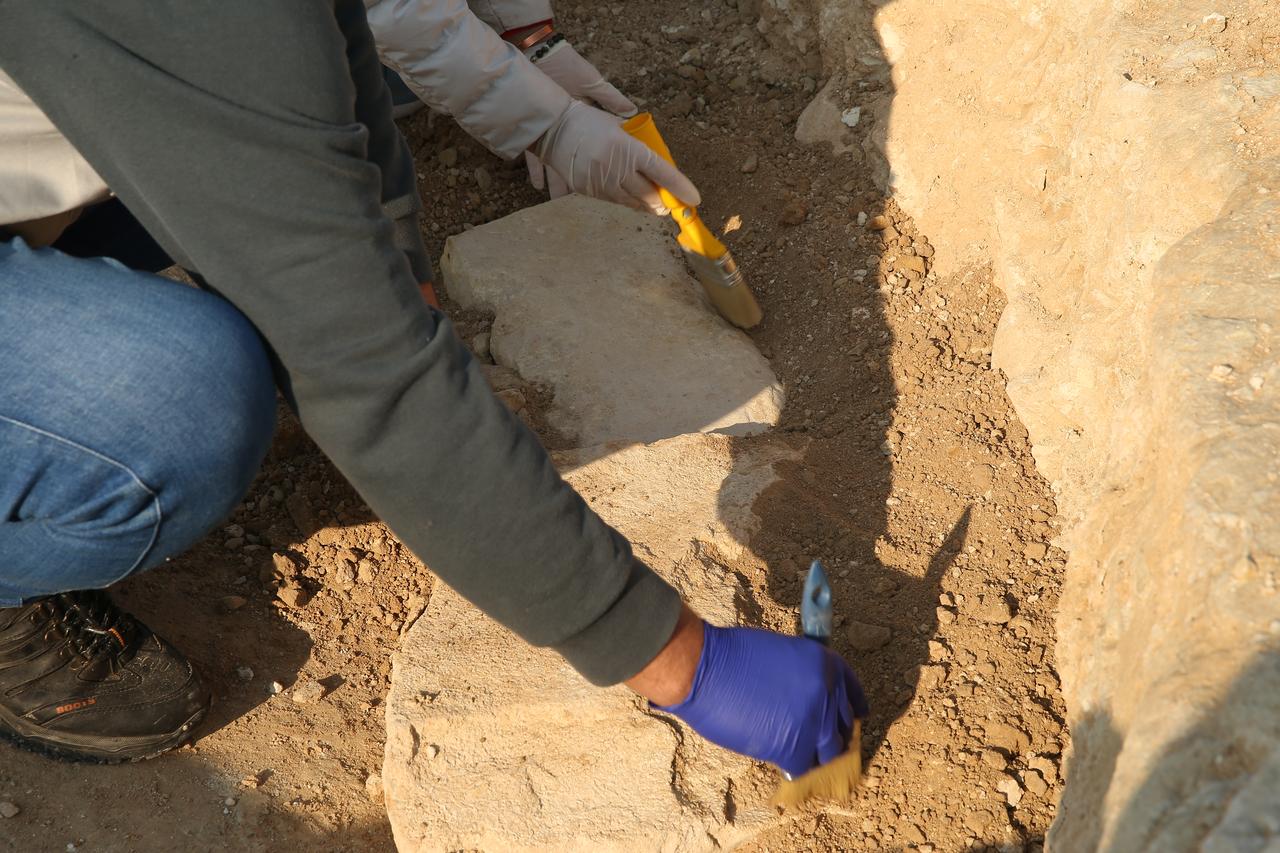

The structures were uncovered near the village of Kiziloz in the Samsat district, where the receding waters of the Ataturk Dam reservoir exposed archaeological features that had long remained buried. Acting on a tip-off, teams from the Adiyaman Museum directorate moved in and began on-site examinations along the newly revealed shoreline.
During these surveys, experts identified stone elements shaped in a clear “T” form, a design closely associated with Gobeklitepe, the world-famous prehistoric site near Sanliurfa that dates back to the early Neolithic period, roughly 11,000 years ago. For international readers, Gobeklitepe is widely regarded as one of the earliest known examples of monumental architecture built by hunter-gatherer communities.
According to Professor Sabahattin Ezer from Adiyaman University’s Department of Archaeology, the stones can be dated to around 11,000 years ago and reflect the same cultural tradition seen at Gobeklitepe. He explained that archaeologists increasingly describe this tradition as the “Tas Tepeler culture,” a term used to group together several prehistoric sites in the Sanliurfa region characterized by similar stone pillars and ritual layouts.
Ezer noted in a detailed assessment that the newly identified area is highly significant, stressing that two small structures already provide important preliminary data. In one intact feature, archaeologists observed a shallow basin-like pit surrounded by flat stone slabs, with a small T-shaped pillar placed among them, a layout that mirrors those found at known Tas Tepeler sites.
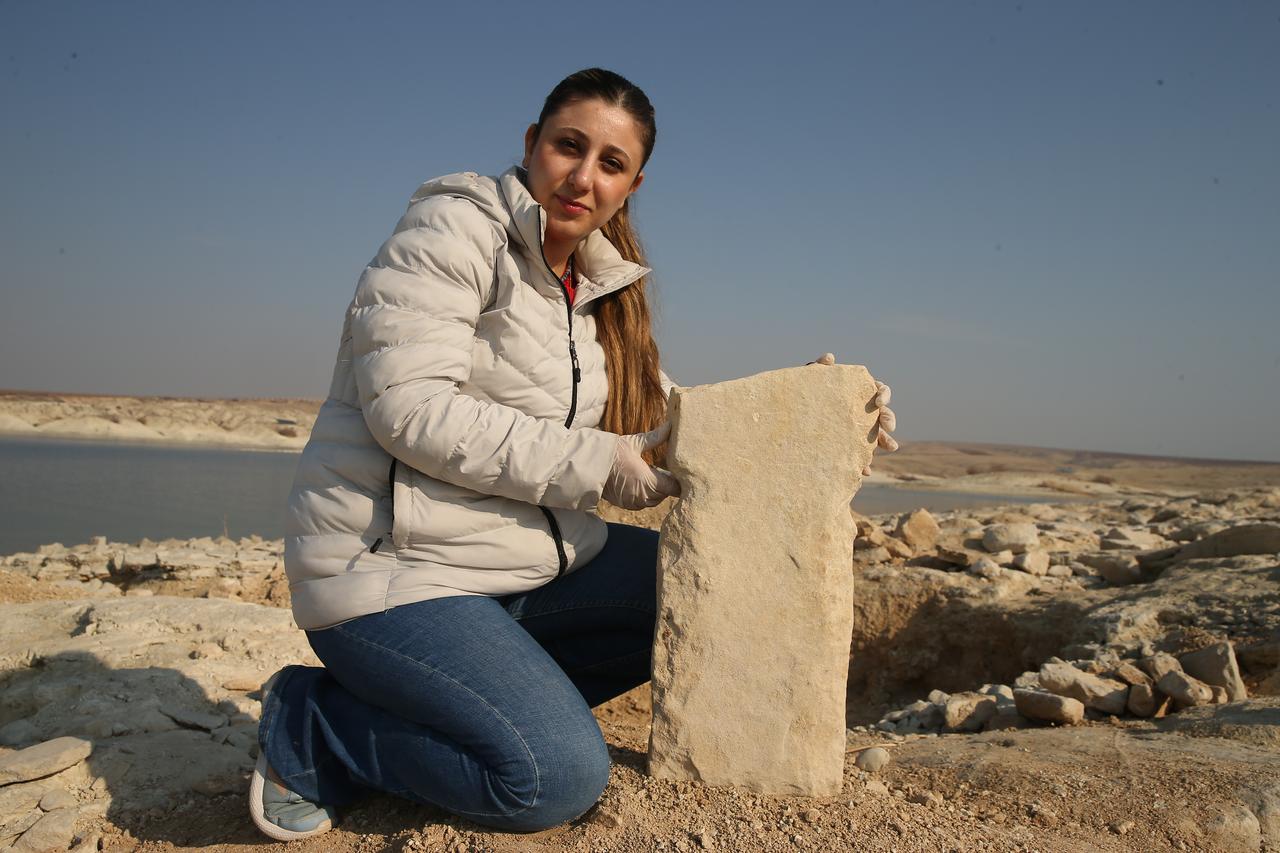
Museum officials emphasized that the discovery came at a critical moment. Deputy Museum Director Mustafa Celik said the T-shaped forms were visible directly on the surface once the overlying soil was washed away by repeated rises and falls in the reservoir’s water level. Originally, the remains lay several meters underground, but natural erosion linked to the dam exposed them.
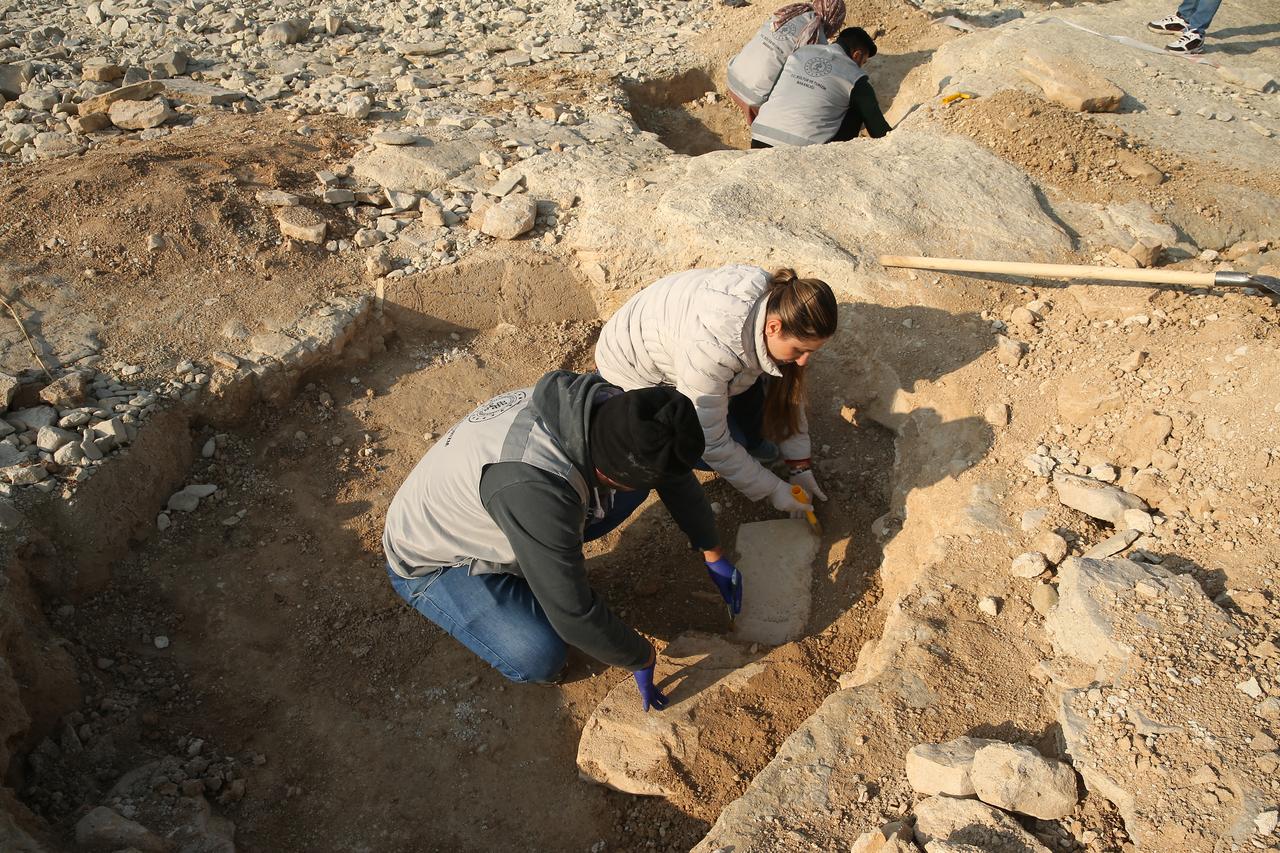
With water levels expected to increase again, teams are now carrying out rescue excavations aimed at documenting and preserving the structures before they are submerged once more. The recovered artifacts have already been transferred for display at the ancient city of Perre, another major archaeological landmark in the Adiyaman region.


 Set as preferred source
 Set as preferred source



 3 min read