Sign in
 Newsletters


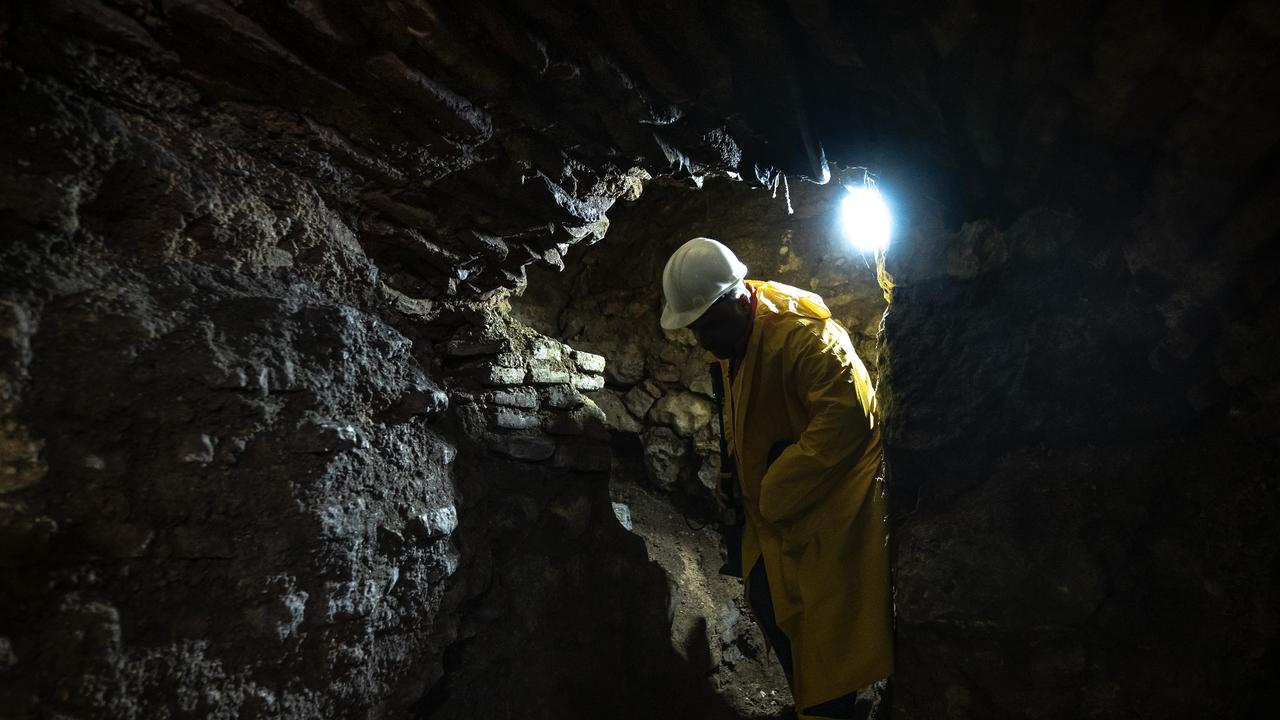
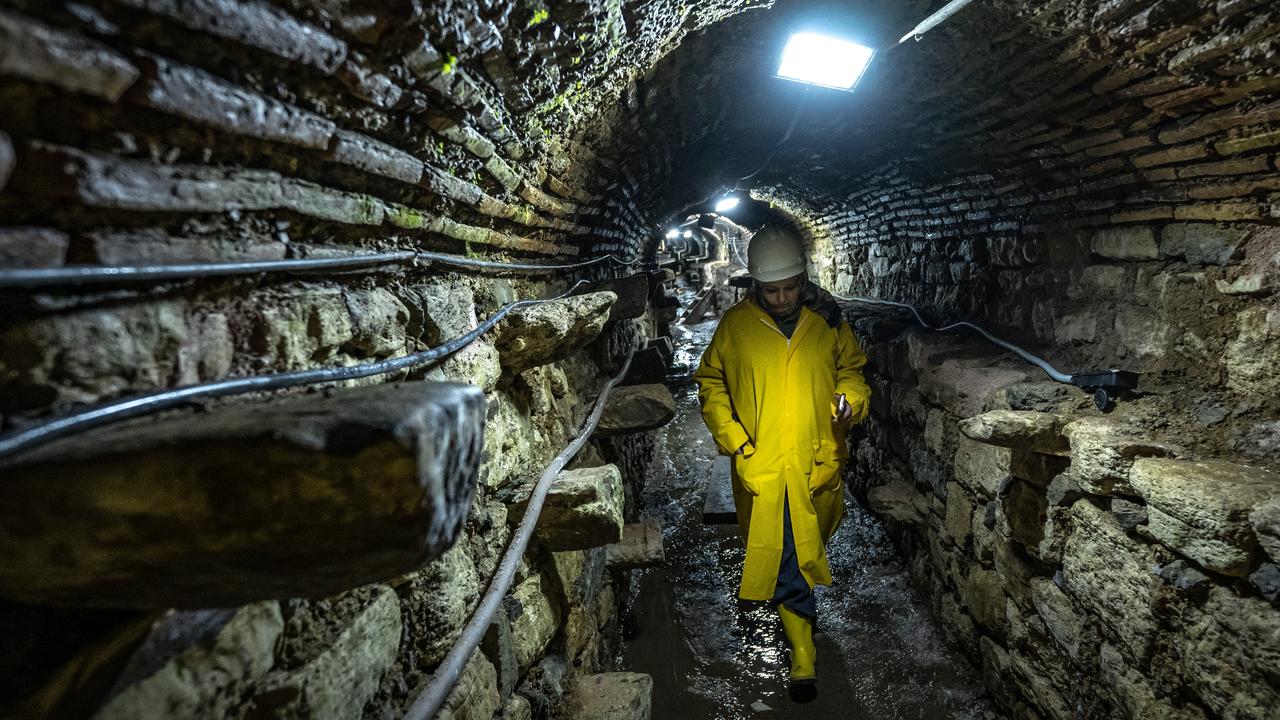
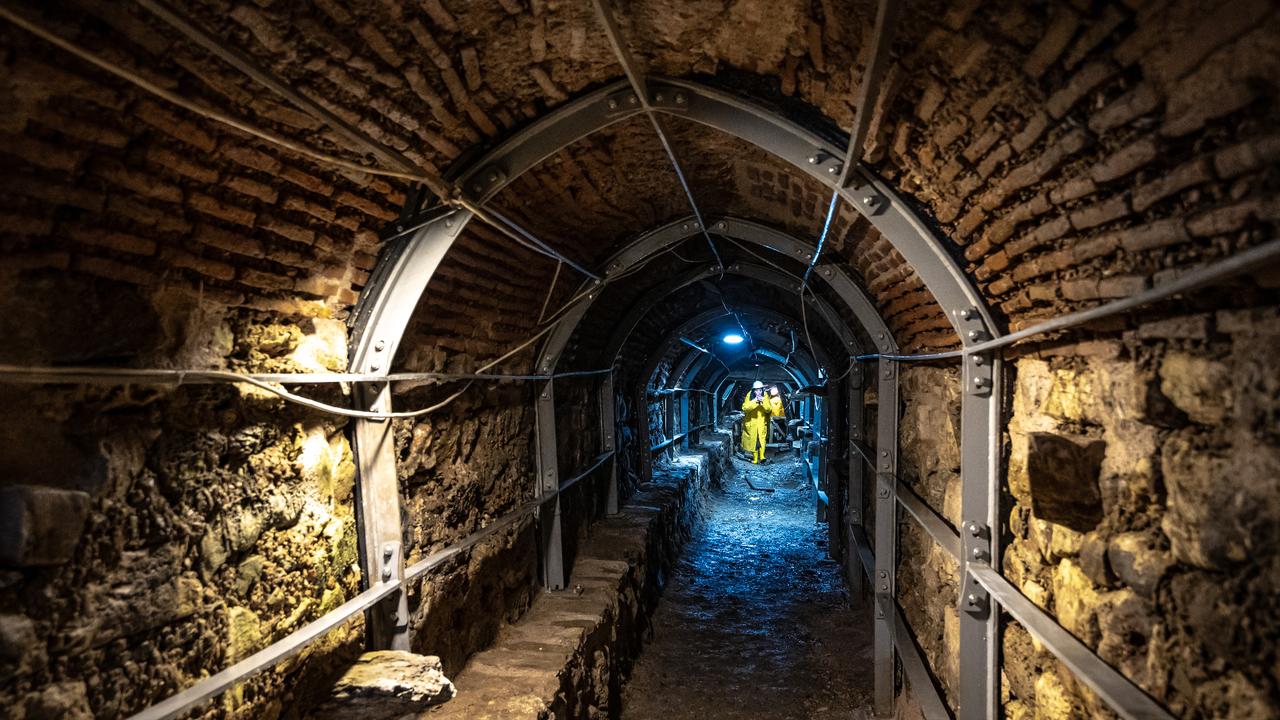
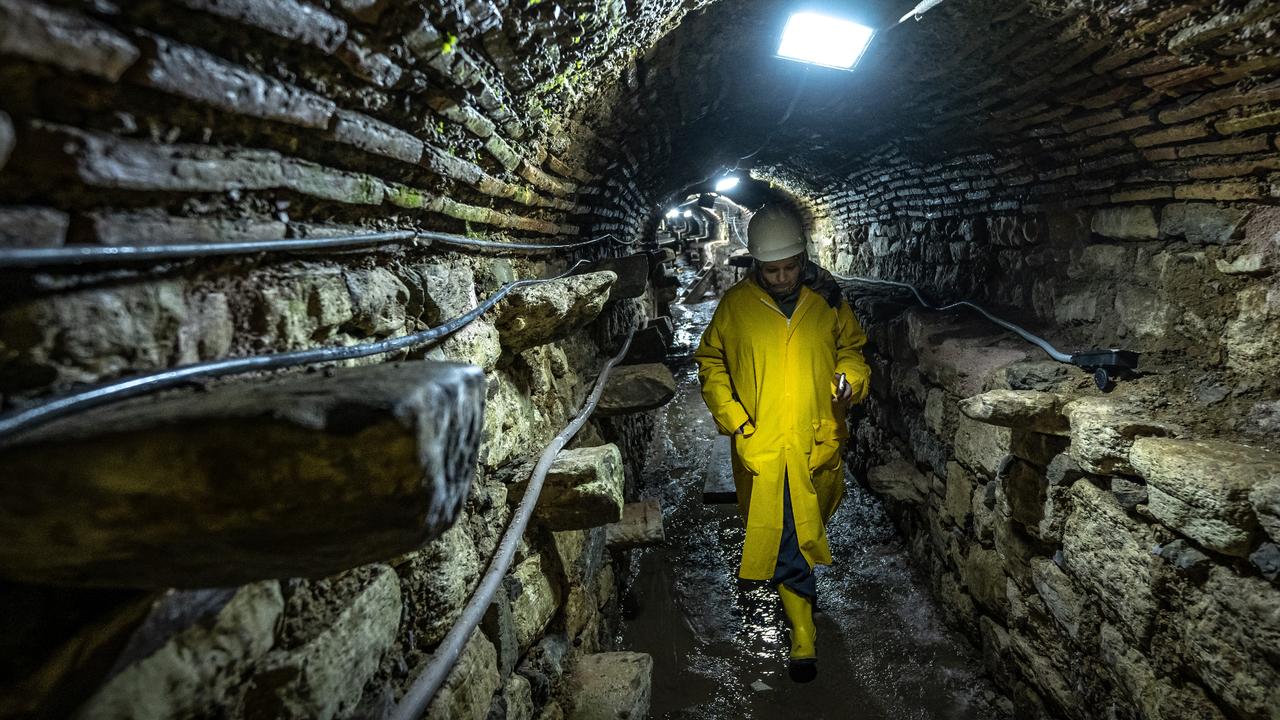
Restoration crews have cleared about 420 meters (1,380 feet) of underground tunnels beneath Hagia Sophia. Türkiye hopes to open suitable sections to the public once protection, security and visitor facilities are in place, Culture and Tourism Minister Mehmet Nuri Ersoy said.
The 6th-century landmark in Istanbul, which served as a cathedral and later a mosque, remains open for worship and visits during the work.
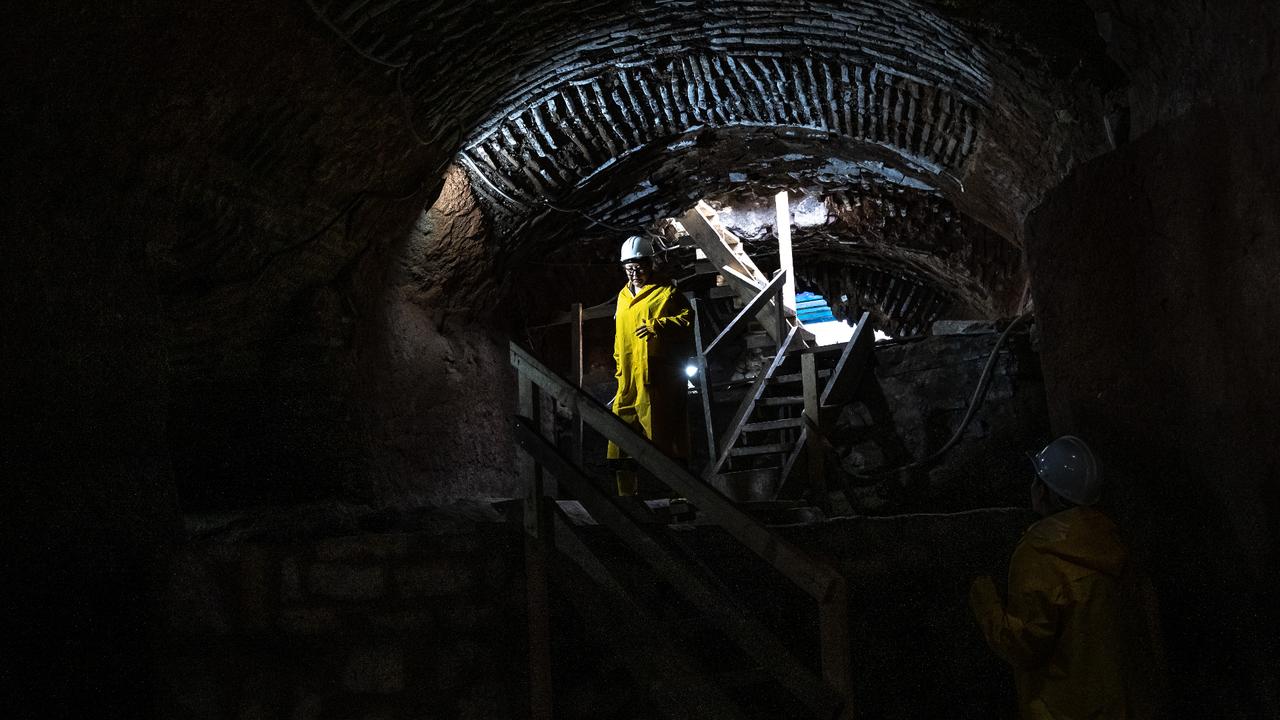
Specialists were photographed Friday inspecting historic brickwork inside one of the tunnels as part of the project, which includes cleaning, excavation, documentation and structural reinforcement of the site’s underground passages and chambers.
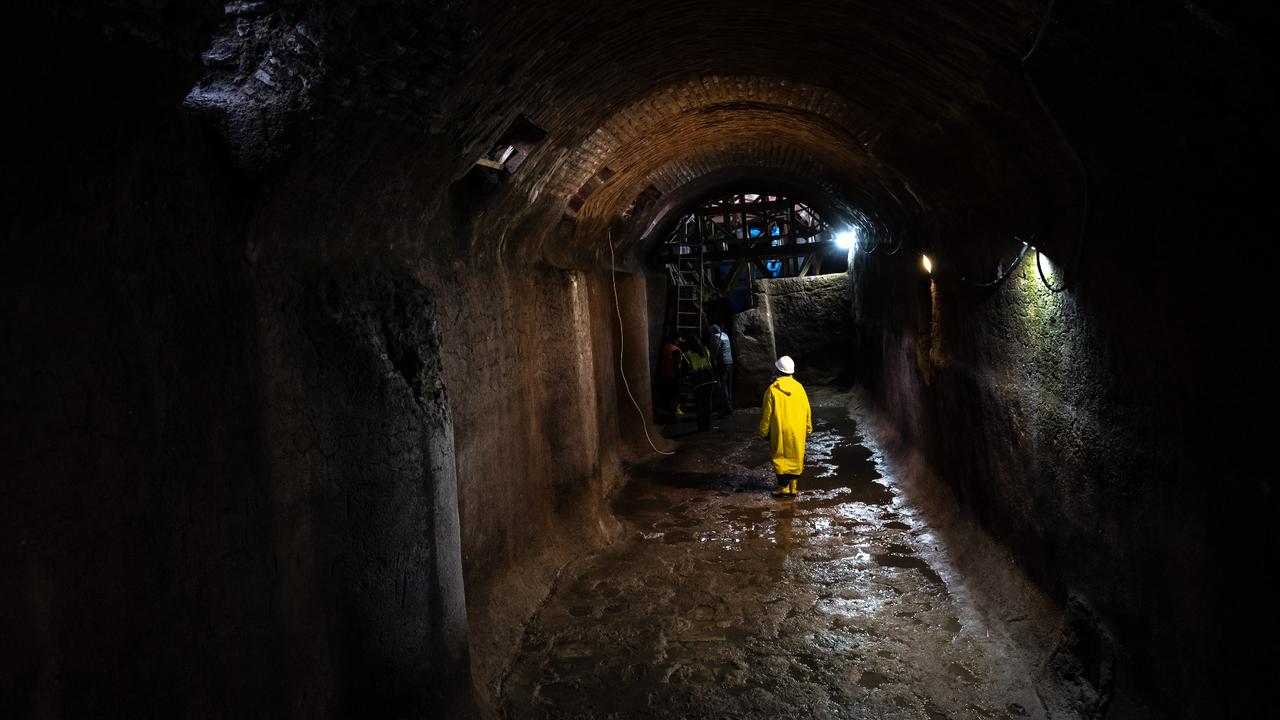
Which sections can be opened to visitors will depend on scientific studies and security conditions. Opening them would help preserve the historic layers of Hagia Sophia.
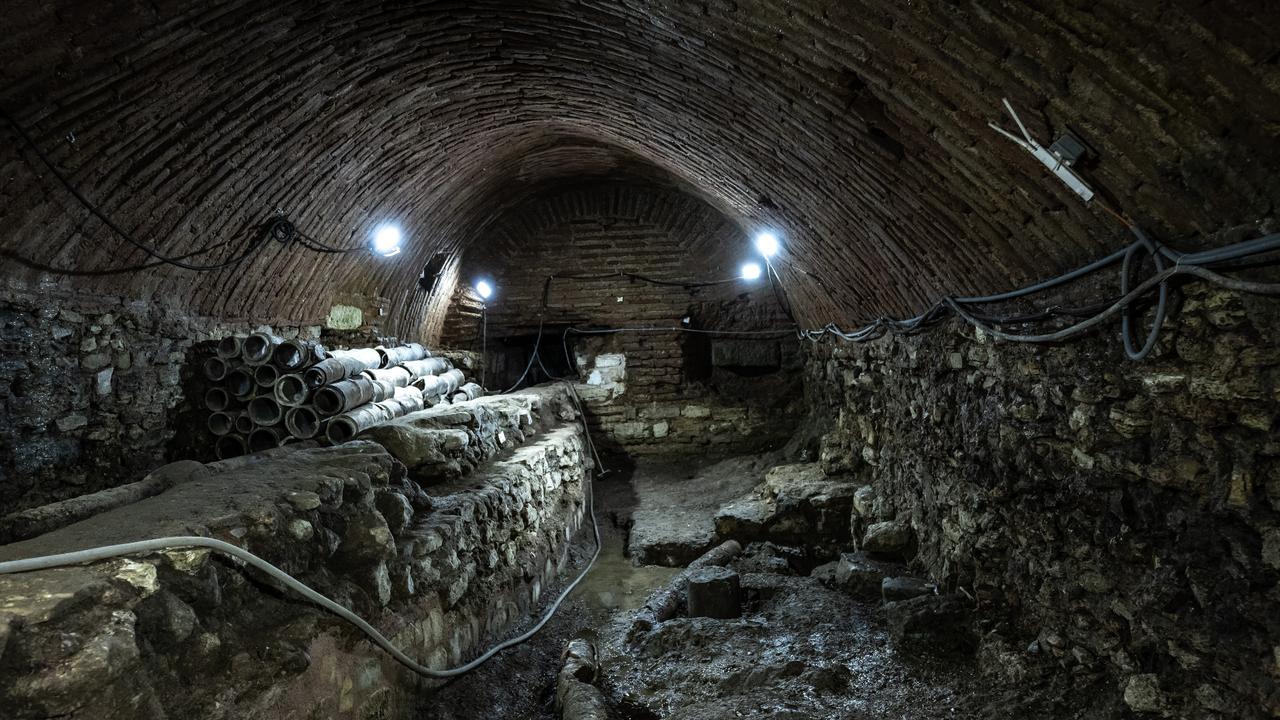
Researchers have removed about 3,000 tons of mud and rubble so far and have examined a historic tunnel, a water channel and cellars.
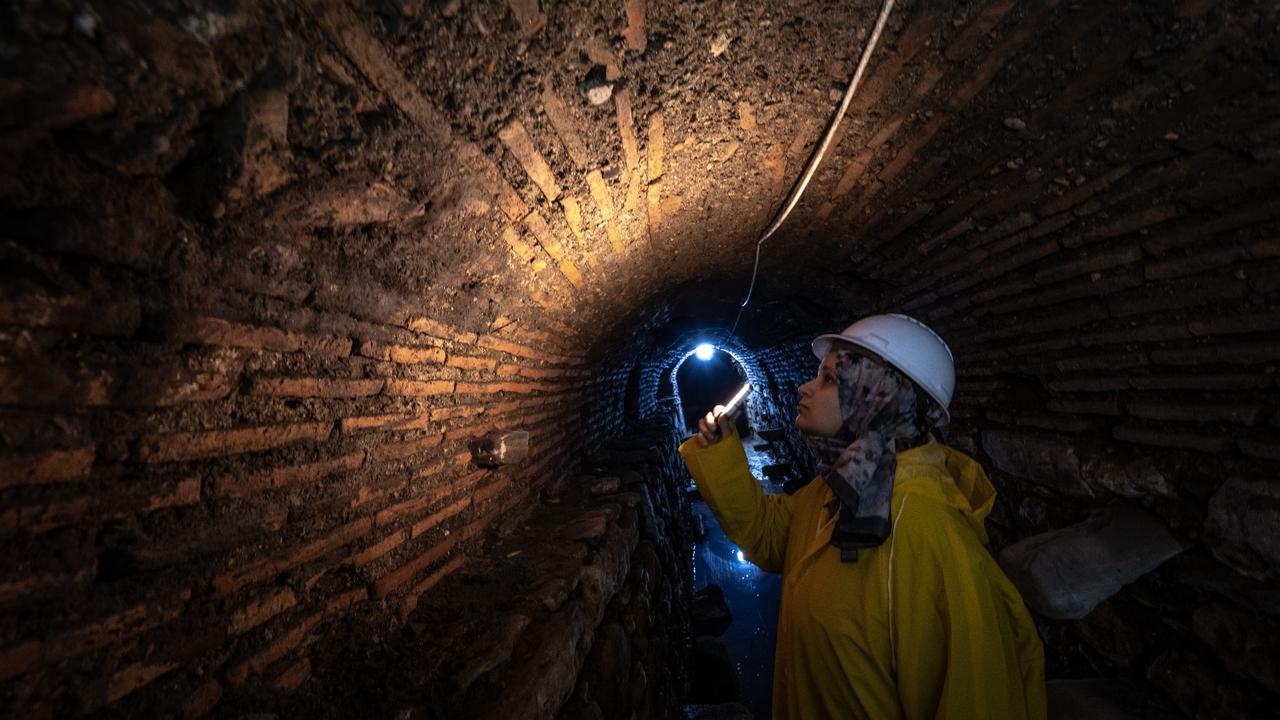
The structures offer insight into Istanbul’s historic water management and infrastructure, and researchers are studying underground systems used for rainwater drainage and water distribution.
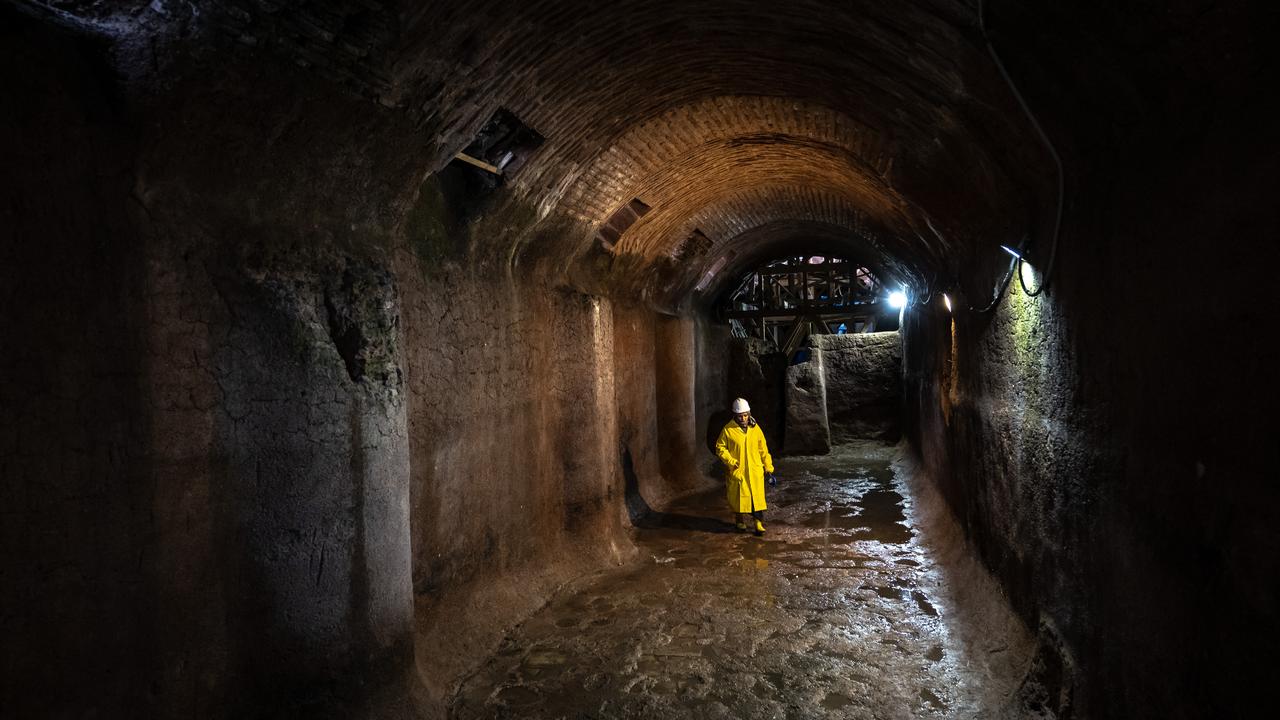
Work in a four-room underground tomb, known as a hypogeum, in the northeastern section is also helping researchers understand traces from periods older than Hagia Sophia.
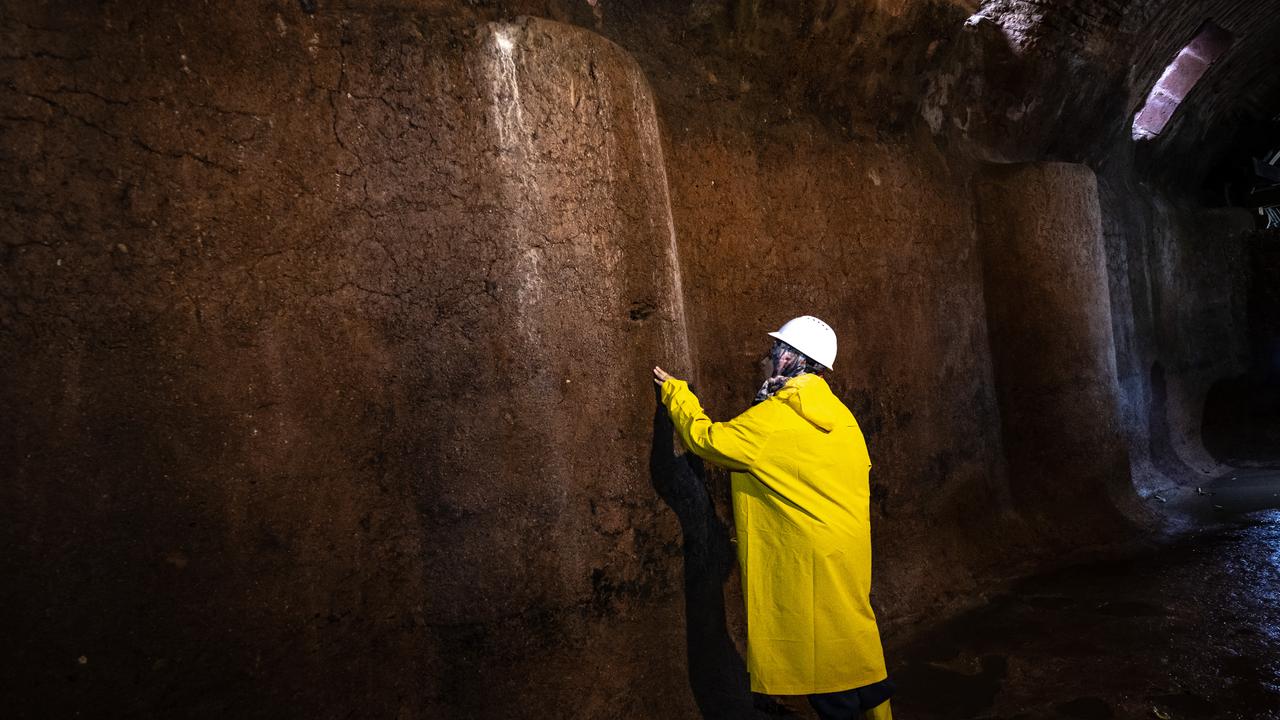
Members of the project’s scientific board have described it as one of the most extensive interventions since the era of Mimar Sinan, the 16th-century Ottoman chief architect.
Strengthening work has begun on the half dome in the eastern section, where the mihrab, a niche indicating the direction of prayer, and the minbar, or pulpit, are located.
Sultan Mehmet II, known as Fatih, the Ottoman ruler who conquered Istanbul in 1453 and later converted Hagia Sophia into a mosque, is remembered as one of the most consequential figures in the city’s history.
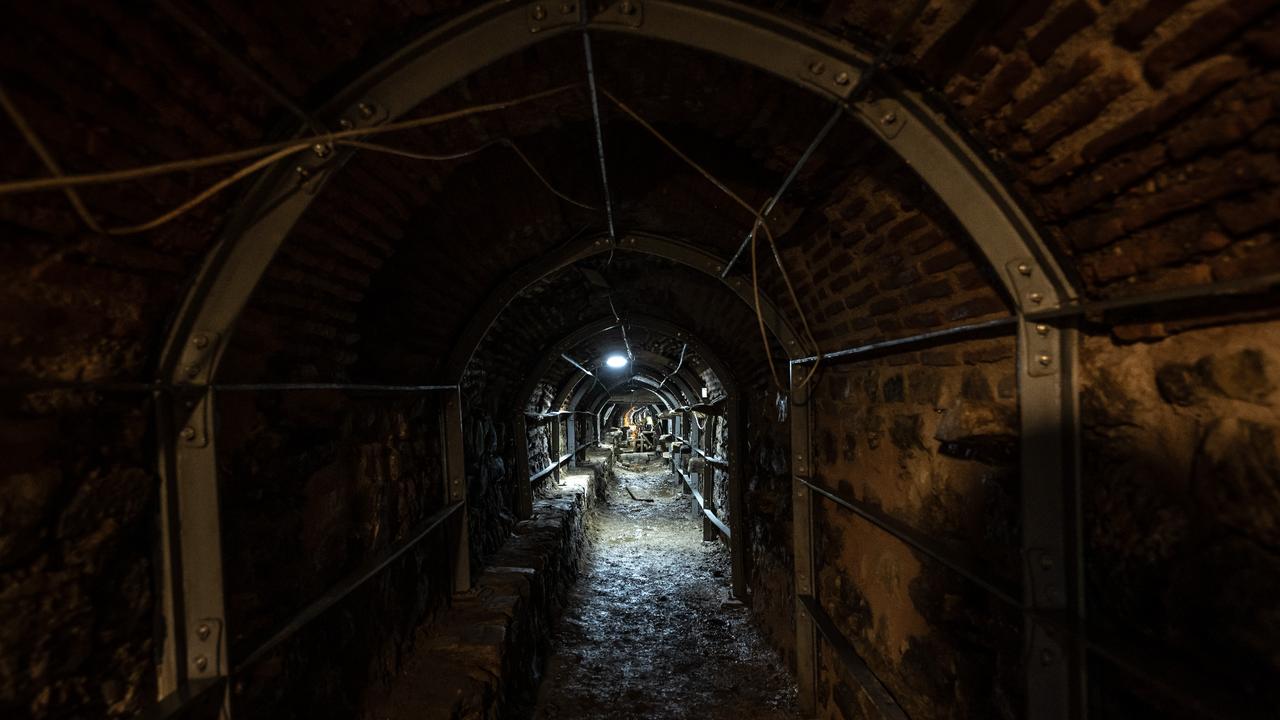
Hagia Sophia’s legacy is being preserved through a comprehensive approach that covers the building from its roof to its foundations.


 Set as preferred source



 3 min read