Sign in
 Newsletters


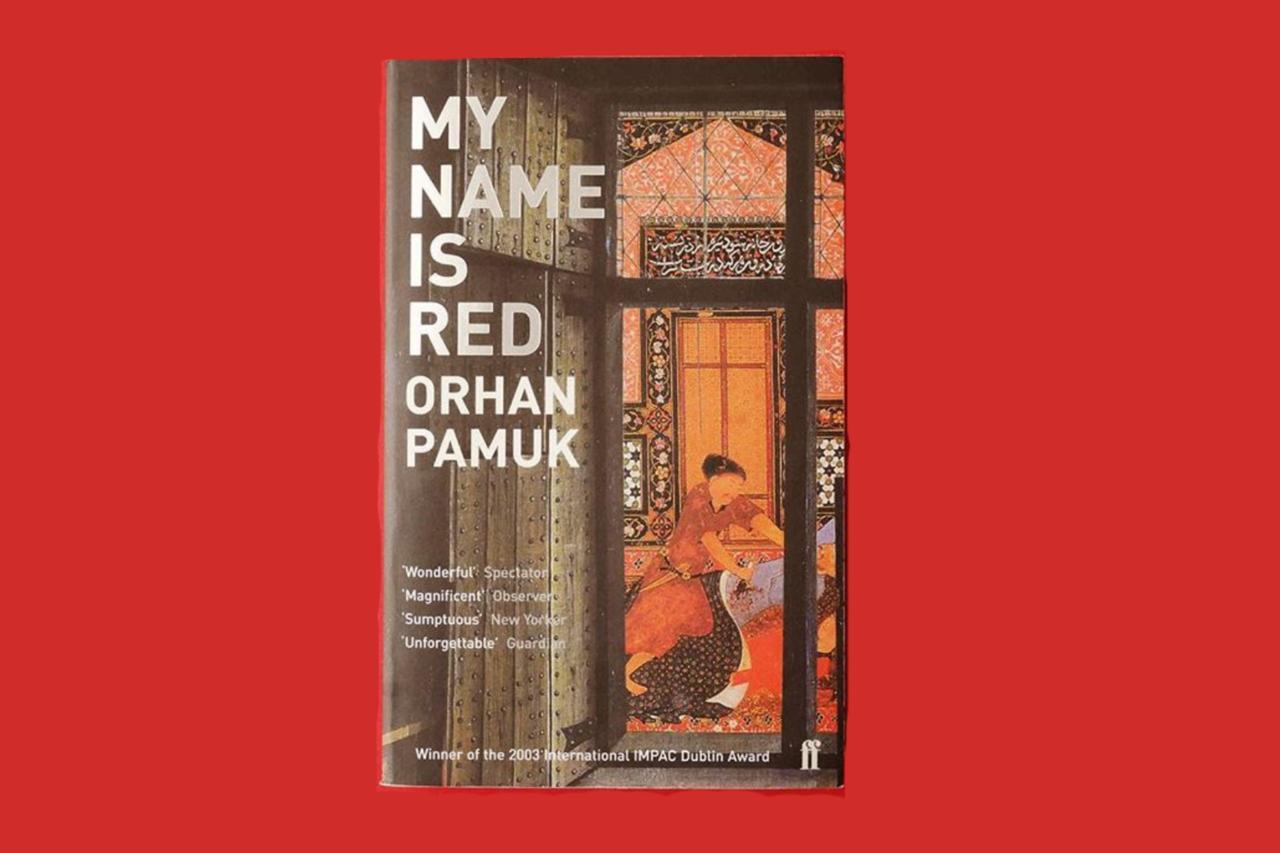


Nobel laureate Orhan Pamuk’s novel “My Name Is Red” (“Benim Adim Kirmizi”) was the focus of an international conference in the United States marking 25 years since its English publication.
The conference, titled “The Color of Words,” was held at Duke University in Durham, North Carolina, and brought together specialists in Ottoman literature, art history and Islamic painting, according to a statement from publisher Yapi Kredi Kultur Sanat Yayincilik.
Hosted by Duke professor Erdag Goknar, who translated the novel into English, the event explored the book’s ties to art history, the Ottoman and Persian miniature traditions and its reception in different parts of the world.
Set among the miniature painters of the Ottoman capital Istanbul in the late 16th century, the novel is built around a murder mystery. Pamuk received the Nobel Prize in Literature in 2006.
Pamuk gave the opening speech on how he wrote the novel. He later said he had followed the two days of papers on Ottoman and Persian miniatures with interest and taken notes.
The second day opened with a keynote by Homi K. Bhabha of Harvard University titled “Meaning and Melancholy.”


Historian Edhem Eldem took the clothing of Esther, the novel’s peddler, as a starting point to discuss Ottoman costume books known as kiyafetname. Esra Akcan of Cornell University discussed the novel's theory of perspective, while Tunc Sen of Columbia University examined “engust-i hayret,” a concept used to express astonishment in Persian miniature painting.
Professor Eileen Chow discussed the novel’s reception among Asian readers, citing sales of more than 1 million copies of its Chinese translation.
Massumeh Farhad, chief curator of Islamic art at the Smithsonian’s Freer Gallery of Art, examined Siyavush, a painter in the novel, focusing on his personality, his paintings and his habit of signing his work, as well as the role of miniature art in the narrative.
Pamuk also said he was glad to meet again with art historian Marianna Shreve Simpson, whose research on Persian painting he drew on while writing the novel.
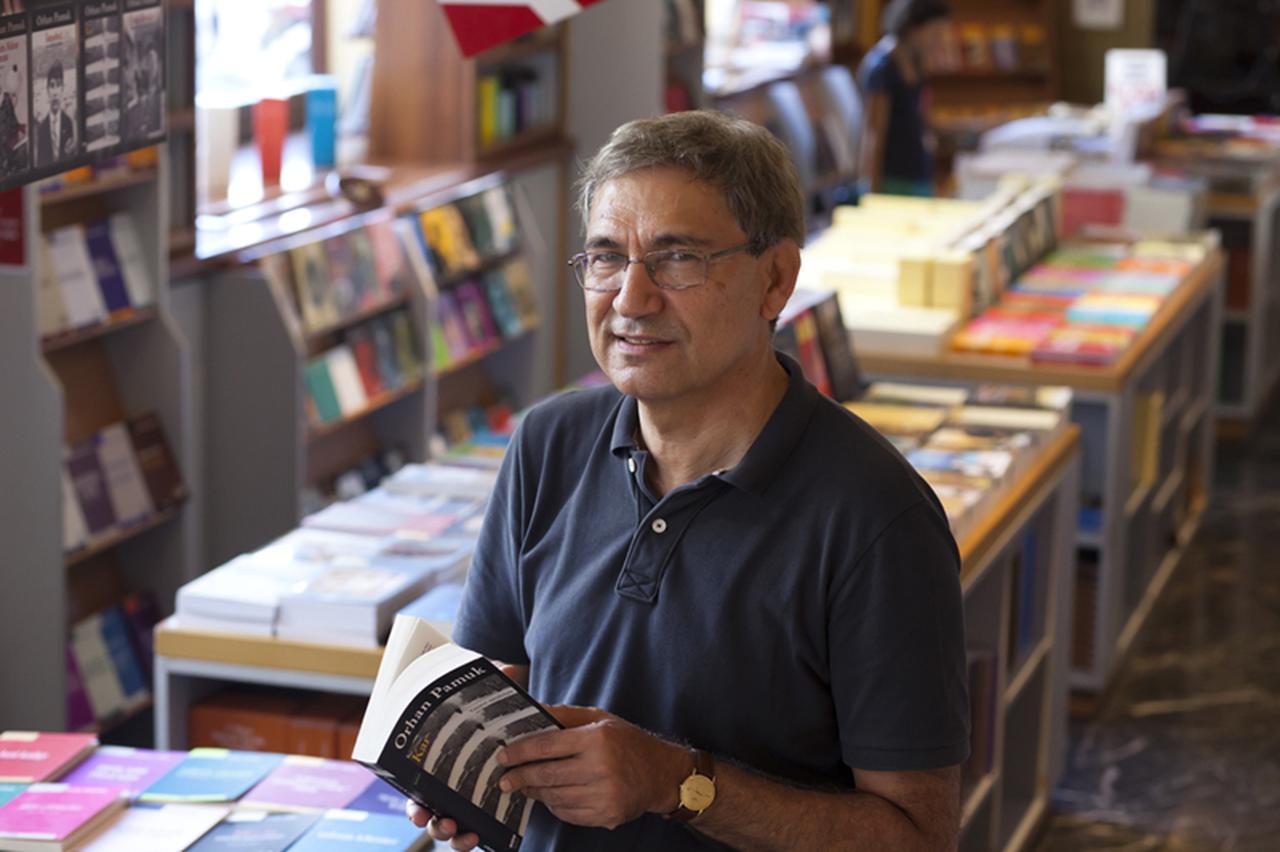
Vintage Books, the paperback imprint of Pamuk’s publisher Random House, released a 25th-anniversary edition of Goknar’s translation alongside the conference. Pamuk wrote a new preface on how the novel has been received worldwide and in the U.S.
The novel is taught in Islamic history, art and modern literature courses at some U.S. universities.
Pamuk described the conference as one of the most special experiences a writer and a novel could have. He said the papers, texts and miniature images presented there are planned to be published as a book in both Türkiye and the U.S.
He also cited Harvard comparative literature professor Martin Puchner, who discussed the book as a “global novel” and called its rise to international bestseller a special historical moment.
Pamuk, whose “Illustrated My Name Is Red” (“Resimli Benim Adim Kirmizi”) is still in preparation, said he had not foreseen such a wide global readership when he wrote the novel.


 Set as preferred source
 Set as preferred source



 1 min read