Newsletters


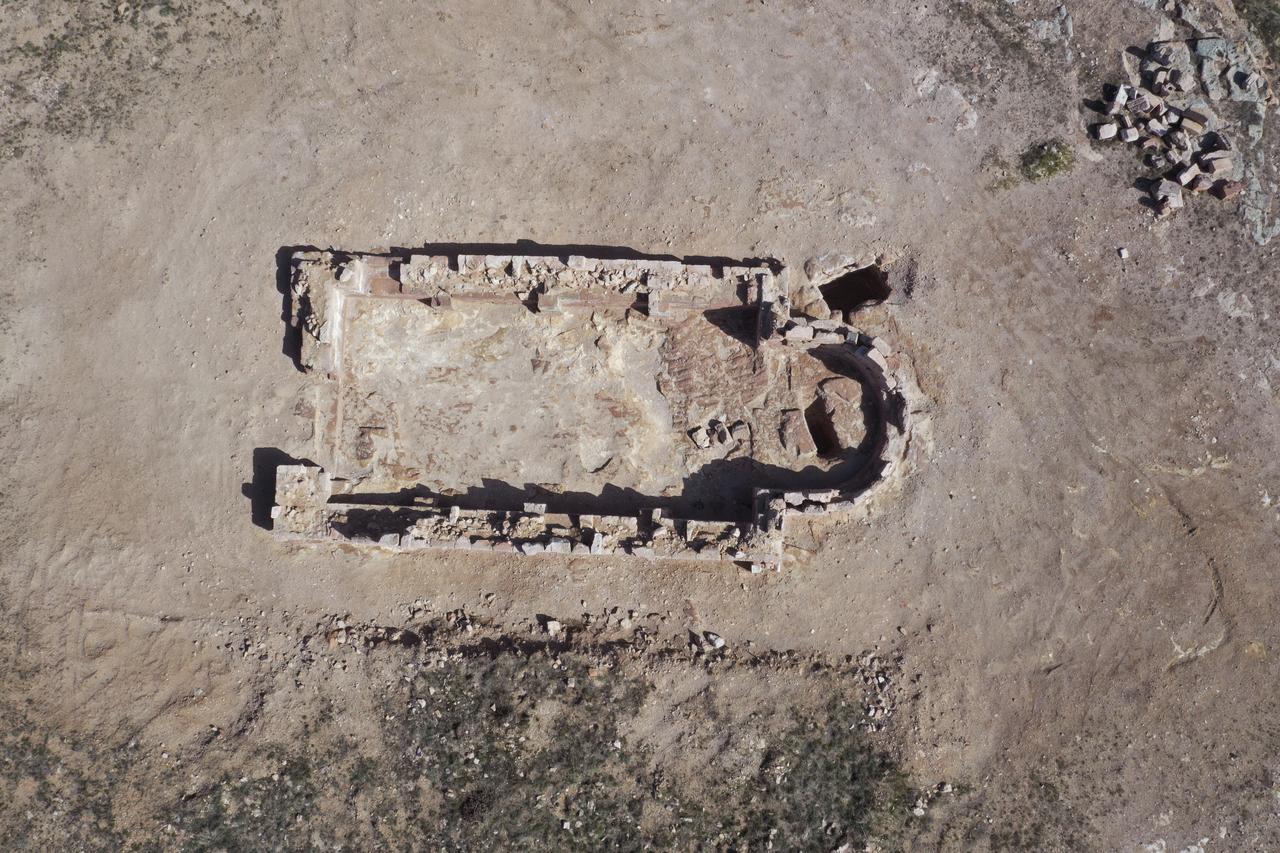


Little-known site in Cappadocia, known locally as “Golgoli,” is being brought to light as restoration and cleaning work reveals monastic ruins and rock-cut structures on Meryem Ana Mountain, or Mount of Virgin Mary, positioning the area as a new hub for cultural and faith-based tourism.
Located in the Urgup district of Nevsehir, Meryem Ana Mountain rises between Damsa Dam and the villages of Ayvali and Cemil, offering both sweeping views and a deep historical footprint.
As restoration efforts move forward, previously obscured remains, including monastery ruins and carved rock spaces, are being cleaned up and made visible. The site, once known as “Apsili Panaya” during the period when Greek Orthodox communities lived in the area, reflects traces of multiple civilizations, including Assyrian, Persian, Roman and Byzantine periods.
Officials indicate that the work aims to bring these layers together into a coherent visitor experience while preserving the site’s natural setting.
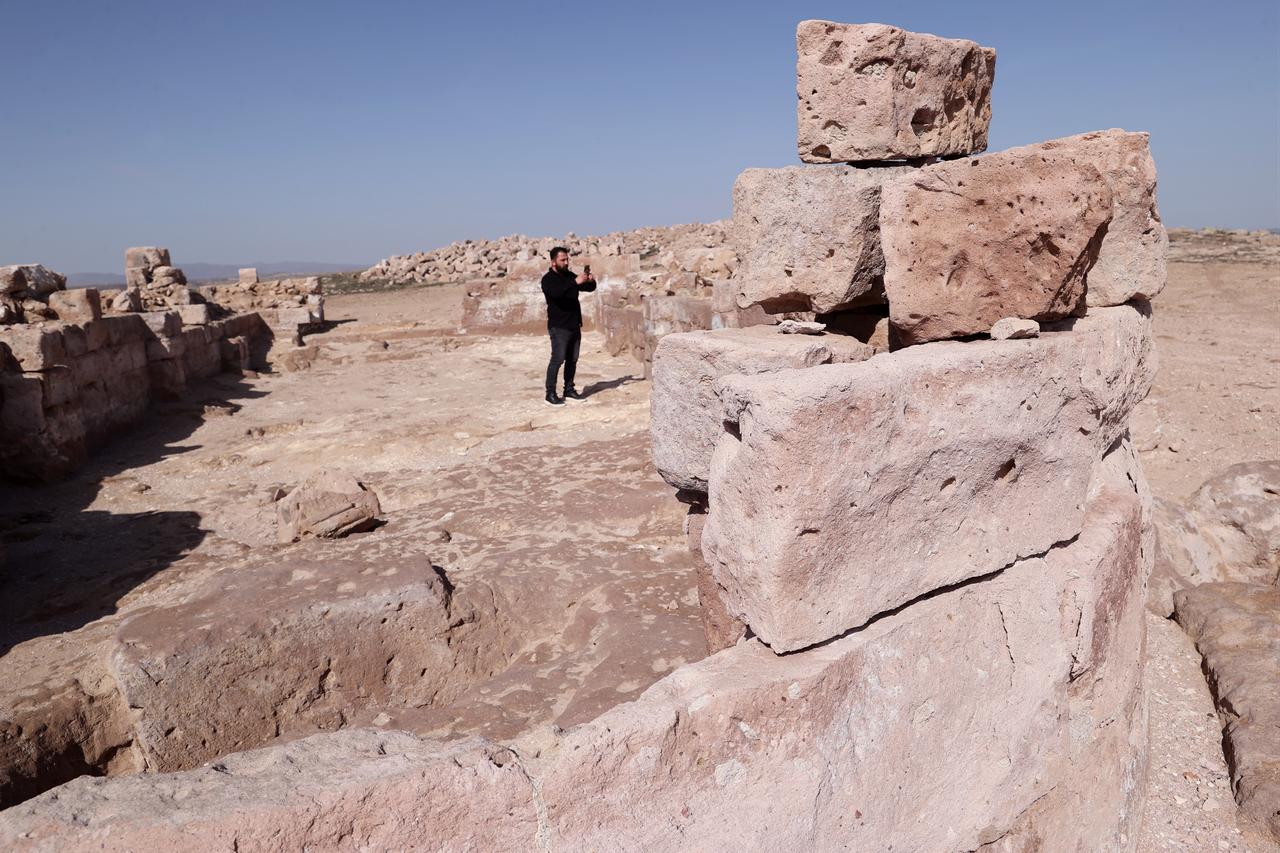

Levent Ak, head of the Cappadocia Tourism Region Infrastructure Service Union, explained that strong evidence points to the summit structure originally being dedicated to the Persian sun deity Mithra, often described as the “invincible sun.” Over time, the site was transformed, and during the Roman period, the same structure was converted into a church.
He also noted that the mountain’s position allows visitors to watch the sun rise behind Mount Erciyes and set behind Mount Hasan, creating a natural spectacle that is expected to draw interest similar to Mount Nemrut.
The site’s historical use extends into more recent centuries, with records suggesting that newly married couples once stayed in the rock-cut rooms at the summit and that local communities gathered there each year on Sept. 8 to mark the birth of the Virgin Mary.
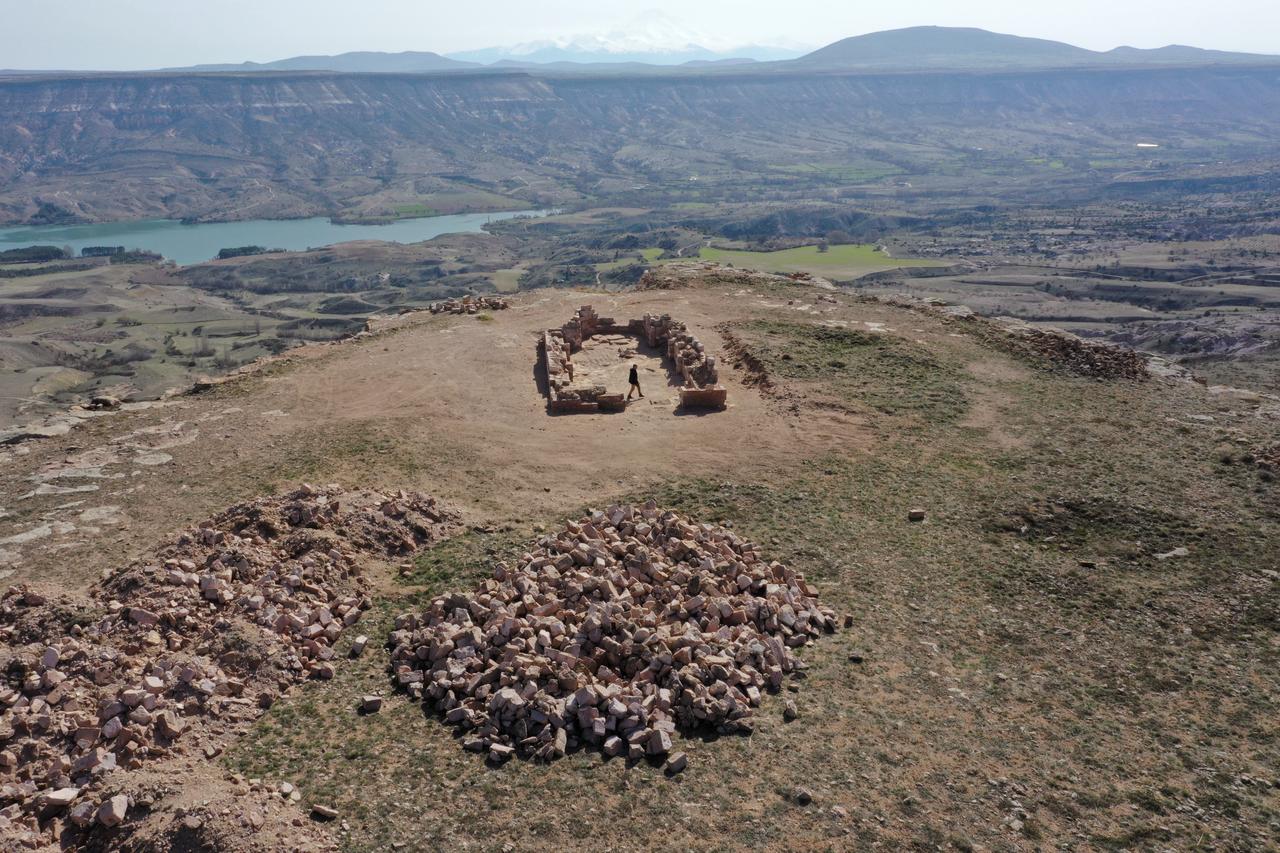
Authorities expect the site to stand out not only for its history but also for its panoramic setting, which offers some of the clearest sunrise and sunset views in the region.
Ak underlined that the broader goal is to open up Cappadocia’s lesser-known heritage and move beyond its well-known hot air balloon tourism, positioning the region as a stronger destination for cultural and religious travel. He emphasized that the aim is to bring together and present the traces of all civilizations that have lived in Cappadocia.
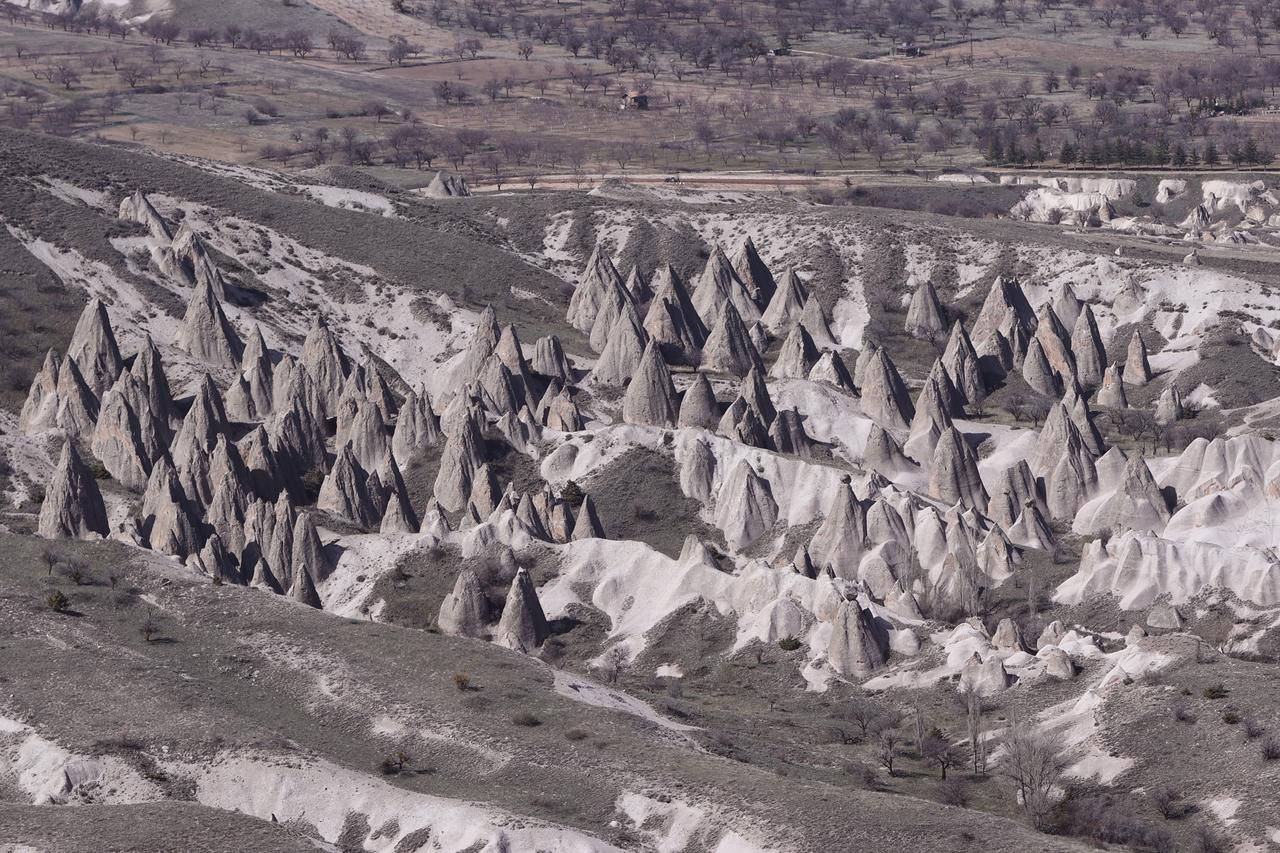
Meryem Ana Mountain has been added to the Cappadocia Culture Route, a roughly 80-kilometer trail stretching from Avanos to the Sobesos Ancient City near Sahinefendi. The route, comparable in concept to the Lycian Way, connects monasteries, historic sites and villages that reflect the region’s multi-layered past.
Officials believe that incorporating the mountain into this route will help turn it into a distinct destination, encouraging visitors to stay longer in Cappadocia and explore beyond its most familiar landmarks.
Ak described the site as a largely undiscovered cultural asset, suggesting that its combination of history, faith and landscape could significantly strengthen the region’s tourism offering.


 Set as preferred source
 Set as preferred source


 3 min read