

 Newsletters


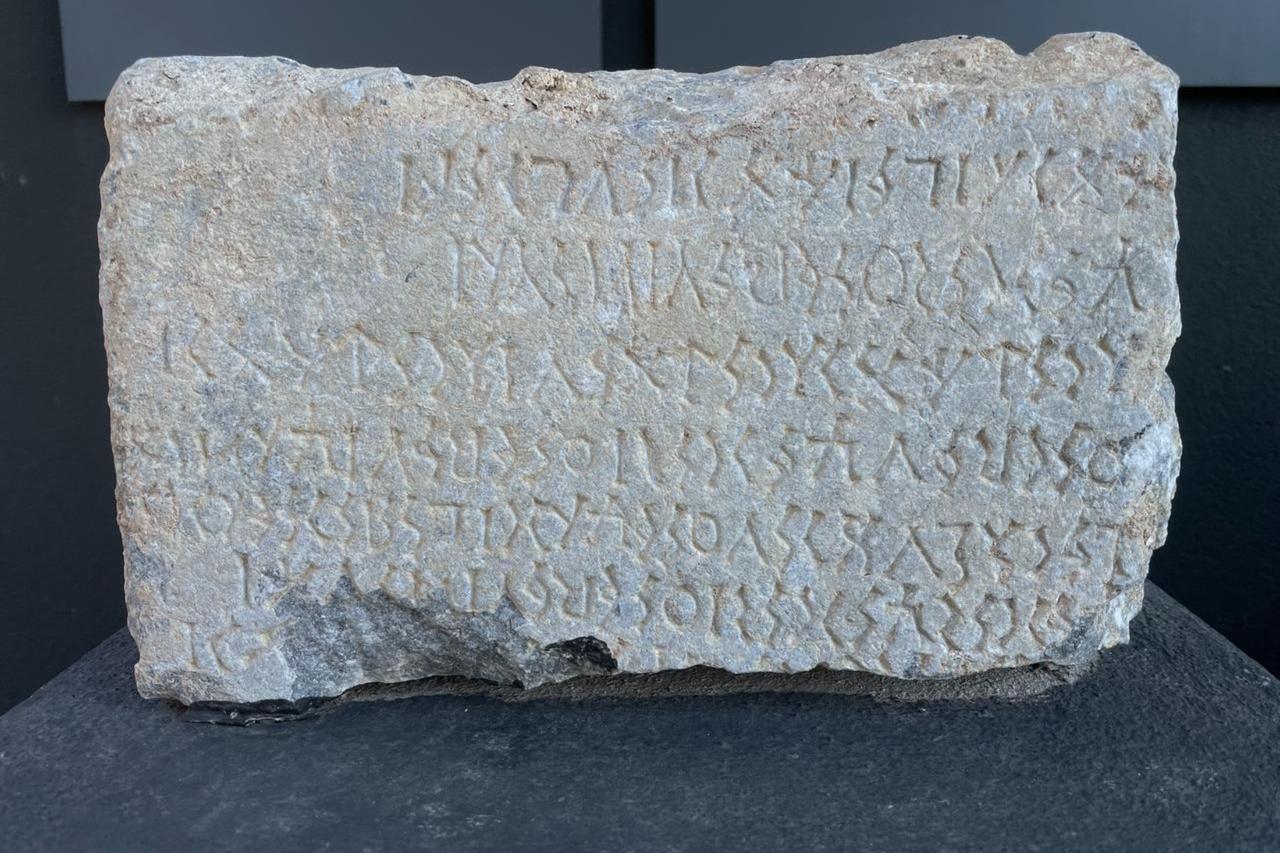


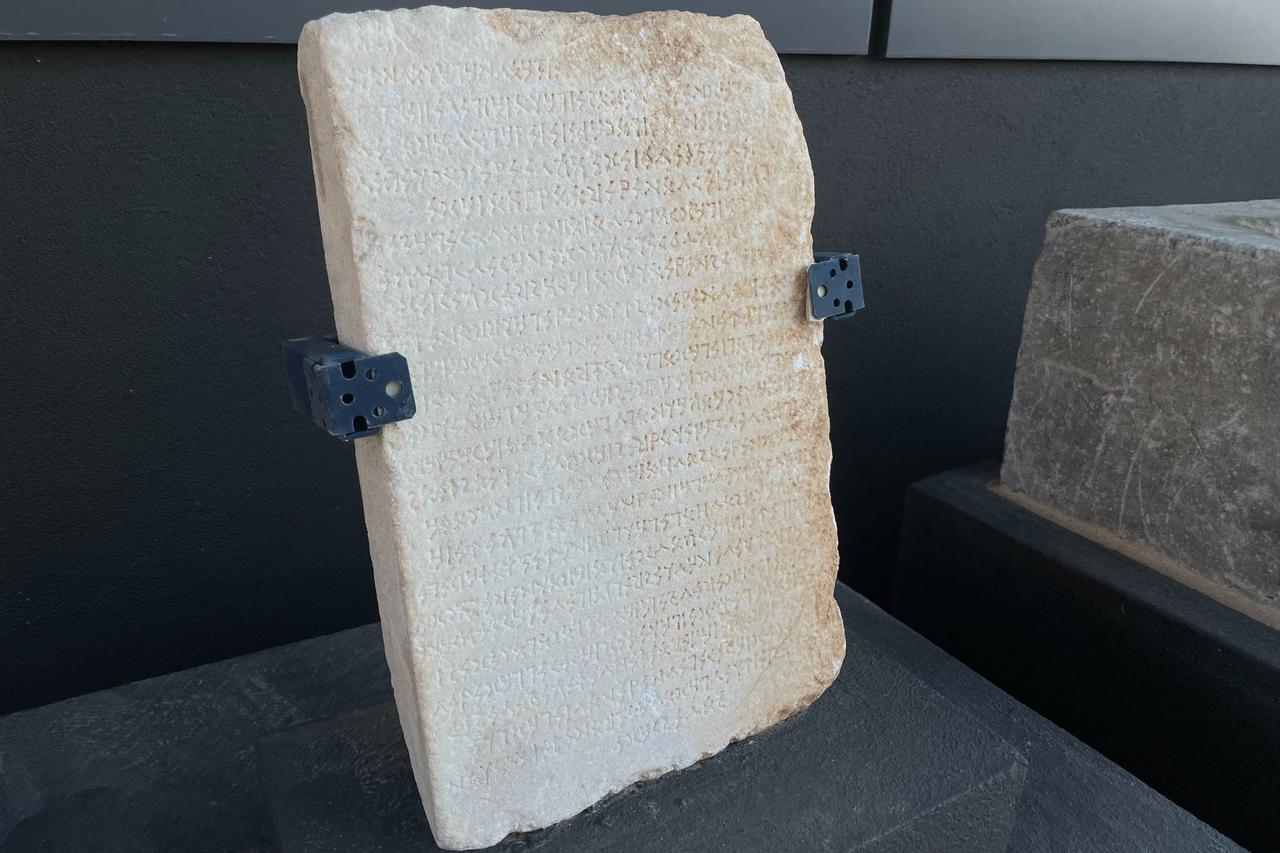
Researchers working at the ancient city of Side in Antalya have identified 31 letters in the Sidetic alphabet, offering new clues about a lost Anatolian language once spoken in the region more than 2,000 years ago.
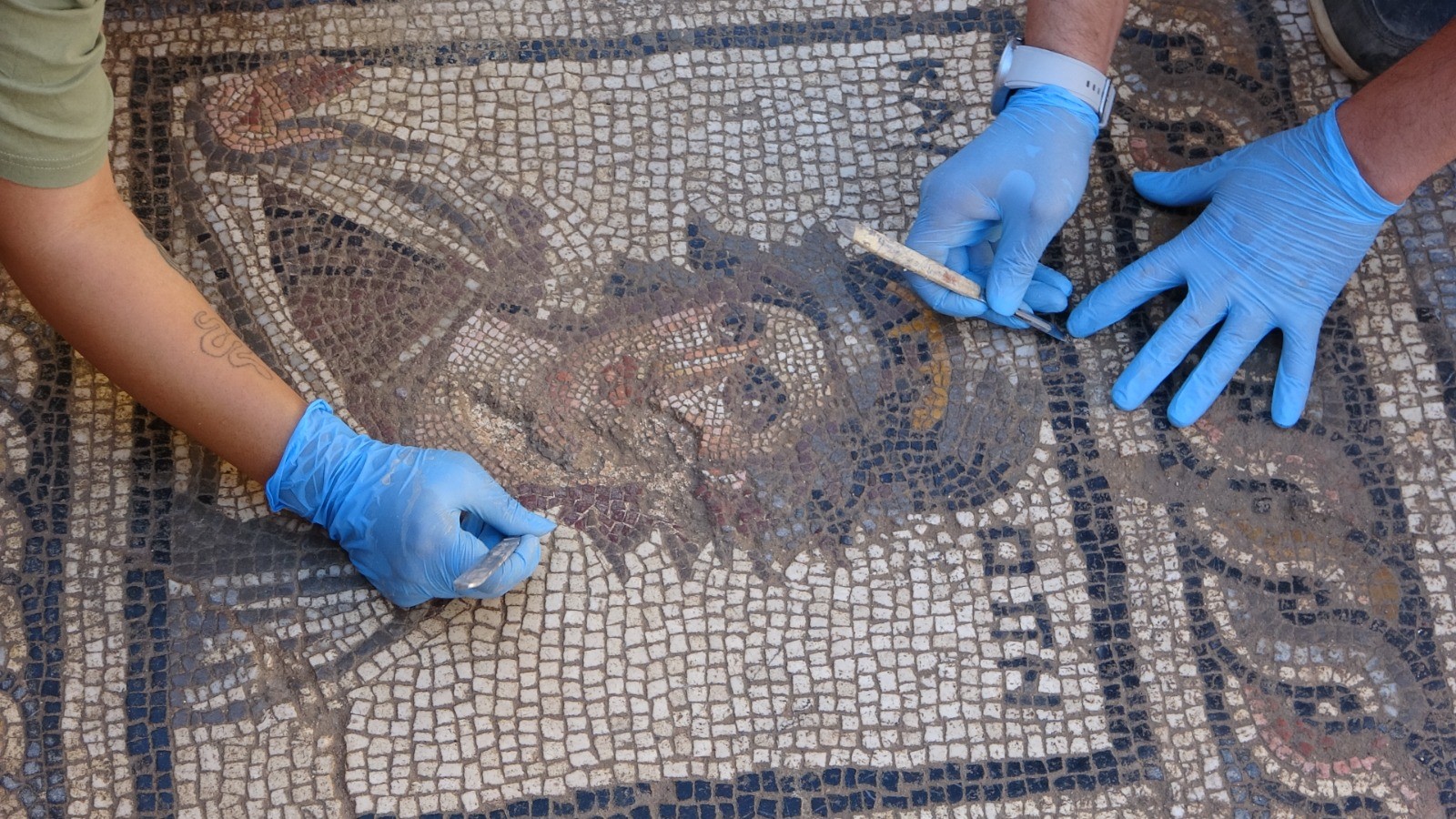
The work is being carried out in Side, one of Pamphylia's most important ancient port cities, under Türkiye's Ministry of Culture and Tourism's "Heritage for the Future Project."
While excavations continue to bring up new traces of the city's past, scholars are also trying to shed light on Sidetic, a language that is still not fully read or understood.
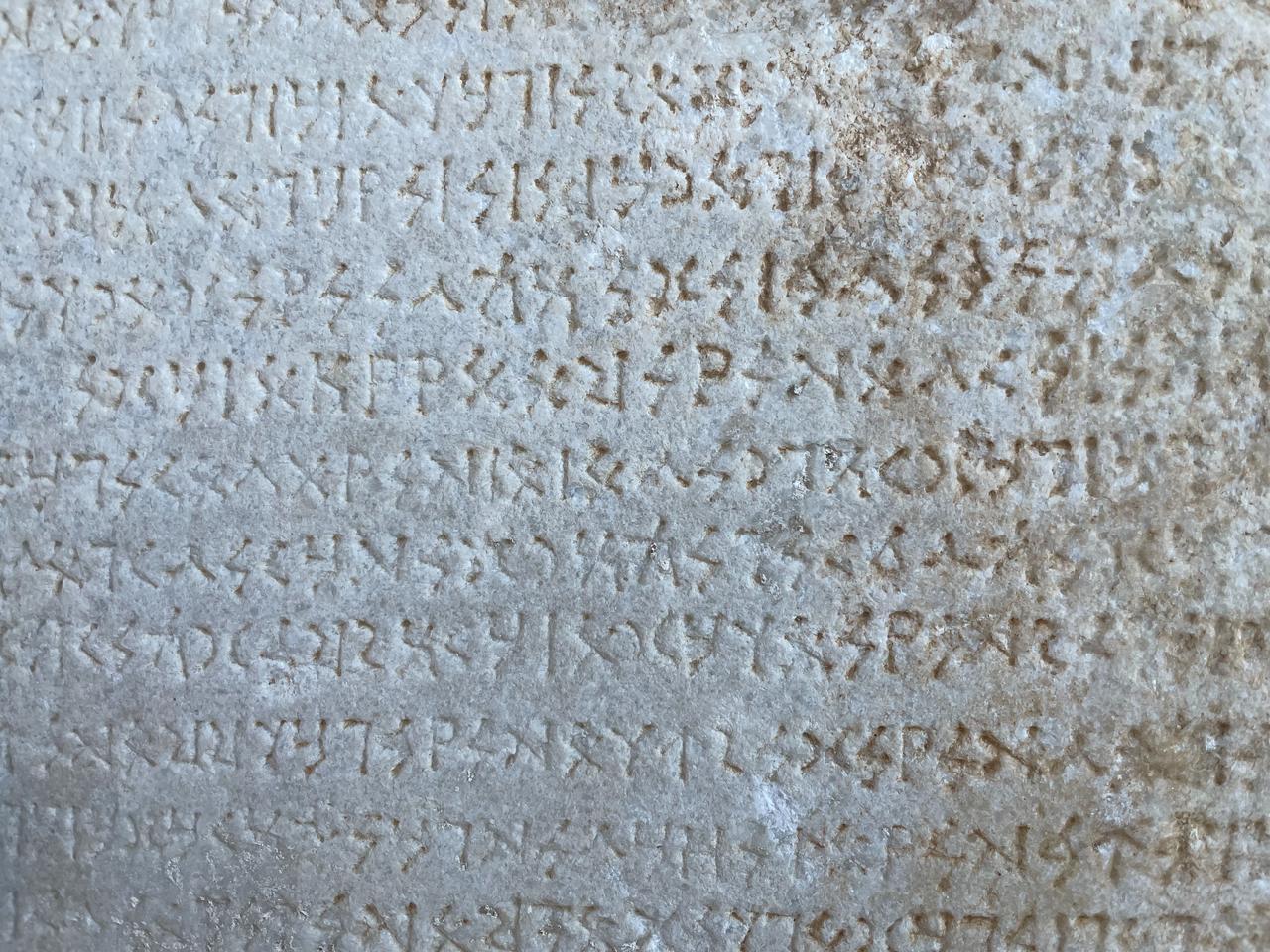

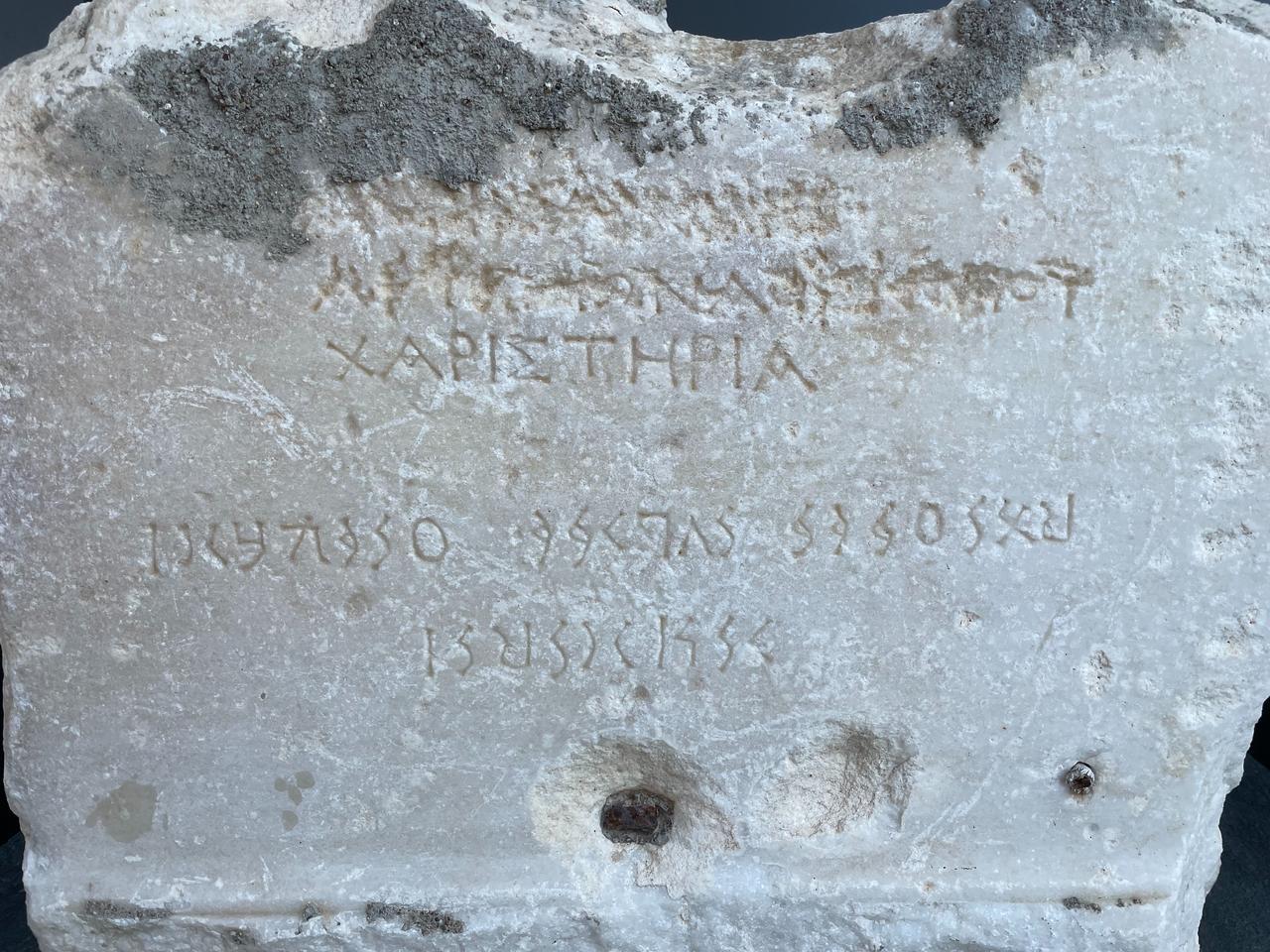
Sidetic is being studied through bilingual inscriptions found during excavations in the ancient city. Professor Feristah Alanyali, head of the Side excavations and a faculty member at Anadolu University, said the research is being carried out with foreign linguists Michaela Zinko and Alfredo Rizza.
Alanyali said earlier studies had identified 26 letters in the Sidetic alphabet, but recent work has raised that number to 31. Researchers are now looking into the structure of the alphabet, word forms and possible links with other Anatolian languages.
She explained that the language has been difficult to work out because only a small number of inscriptions are known, and many of them consist of just one or two lines. However, the discovery of bilingual and longer inscriptions, some running between 30 and 40 lines, has opened up a new path for researchers.
According to Alanyali, scholars agree that the Sidetic word forms "Siruawn" and "Siruawan" appear to refer to the city of Side. She said this adds a new dimension to discussions about the city's early history and the origin of its name, noting that the name probably still carried the meaning of "pomegranate."
Alanyali described Sidetic as a language of Luwian origin, linked to some of Anatolia's oldest peoples and comparable with other ancient Anatolian languages such as Lycian and Carian. She said this makes the language central to understanding Side's cultural identity before Greek influence took hold.
She noted that ancient sources say people who came from Kyme forgot their own language after arriving in Side and began speaking the language of the local population. "They forgot Greek and began to speak the language of the barbarians," she said, explaining that "barbarian" in this context referred to people who spoke a language other than Greek.
For Alanyali, this shows that Side had a strong local culture before the arrival of the Hellenes. She said the city was already one of Anatolia's ancient settlements before Greek-speaking communities reached the region.
Alanyali also said the inscriptions show that the people of Side continued to speak and write their own language before the Hellenistic period and even during the first two centuries of that era. The known inscriptions end around the late third century B.C. and early second century B.C., showing that Sidetic remained in use long after Alexander's conquests.
She said the findings suggest that cities such as Side were not simply founded and developed by migrants arriving from the west. Instead, they were already long-established Anatolian cities with their own writing systems, identities and developed cultures.
Excavations have also uncovered a bilingual inscription referring to the Serapis Temple. Alanyali said the text explains that the temple was built through sponsorships, listing the names of contributors and the amounts they gave in Sidetic so that local people could read it.
She said this shows that Sidetic was still widely used at the time. "The research on the Side language will give much more information about the city. I hope the number of inscriptions found will increase," she said.
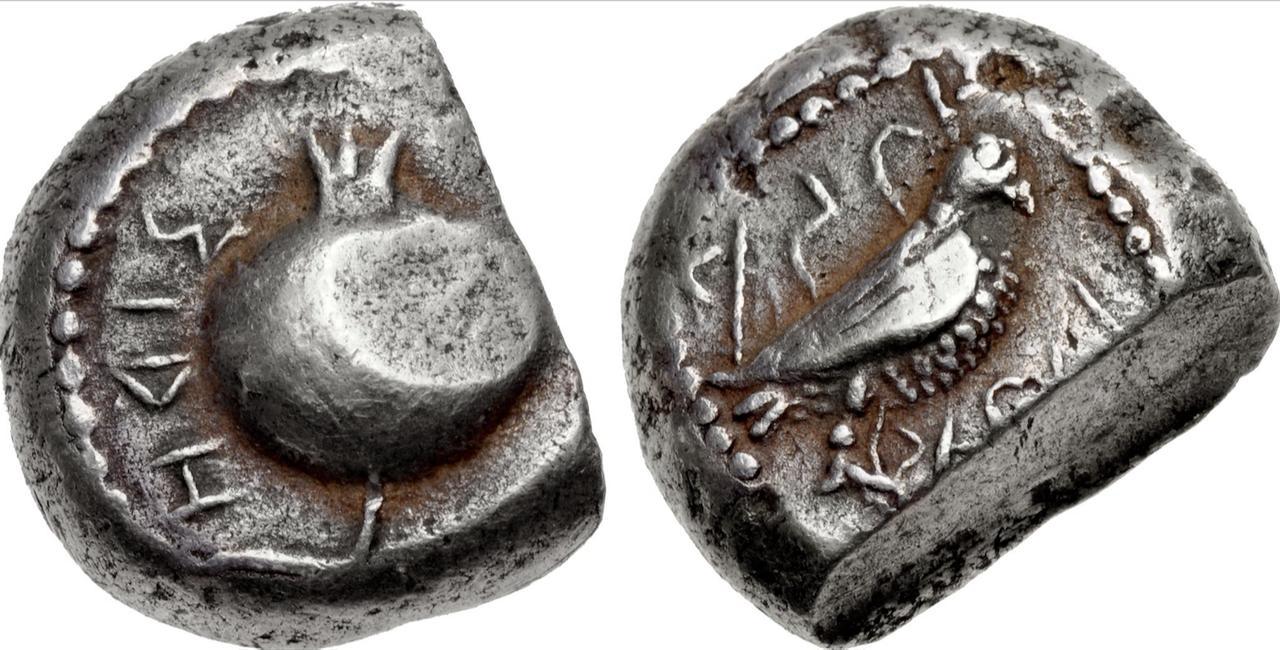
Alanyali pointed out that the Greek meaning of Side is "pomegranate" and said this may reflect the importance of pomegranate production in the region. She noted that pomegranates are still grown there today and that the fruit also appears on Side's ancient coins.
The research shows how language, inscriptions and local symbols can help piece together the deeper identity of one of Anatolia's ancient coastal cities.


 Set as preferred source
 Set as preferred source


 2 min read
 1 min read


