Newsletters


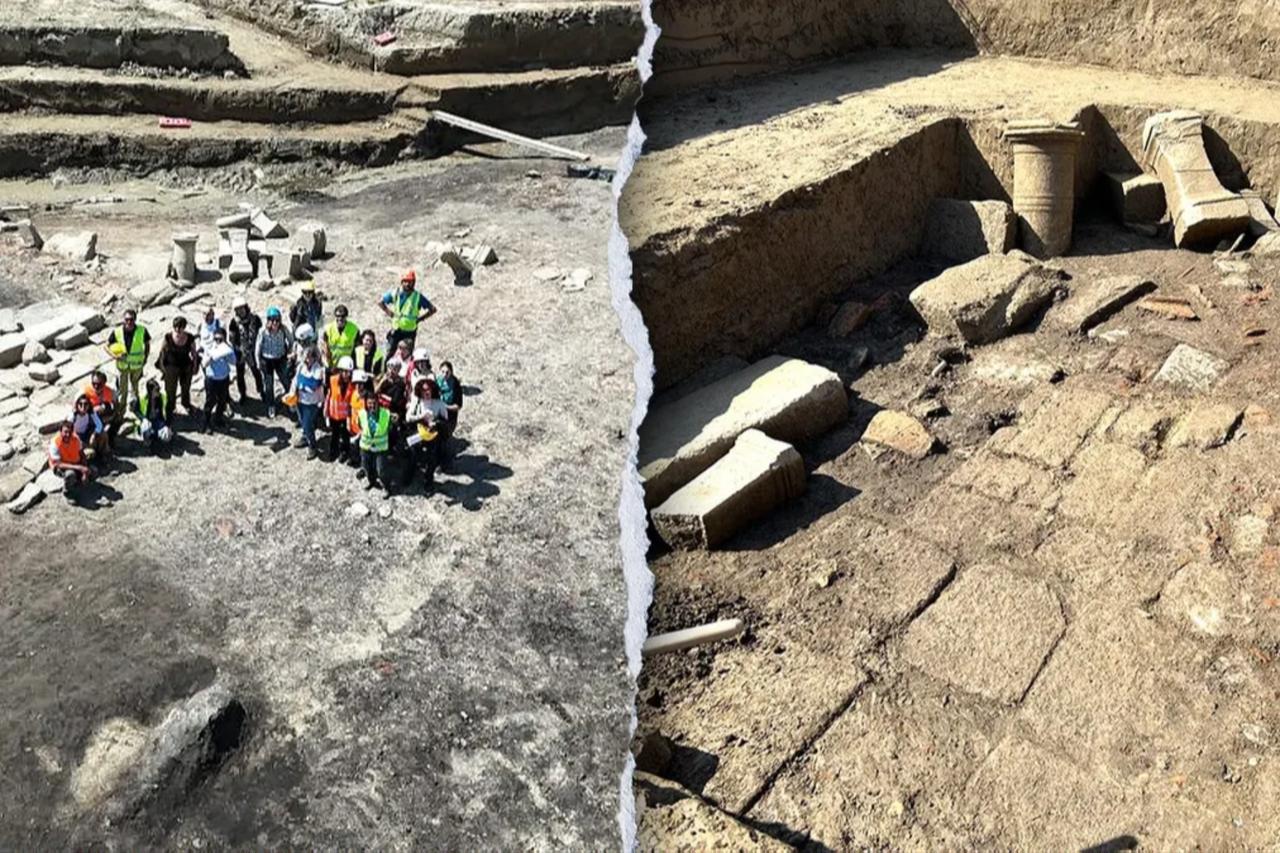


Road construction in Italy’s Padua province has uncovered an ancient religious site buried under almost 10 feet of river sediment, revealing a pre-Roman sanctuary that remained important even after the Romans took over the region.
The site was found during work to extend the Padana Inferiore State Highway 10 through Ponso, where crews came across stone pieces bearing Latin and Venetic inscriptions. Archaeologists later dug deeper and brought to light a wider sanctuary area, including the remains of a temple once surrounded by columns.
The site had been sealed beneath layers of silt, gravel and mud, probably after a major flood of the Adige River destroyed the temple and nearby structures. Although the flood appears to have badly damaged the buildings, it also helped preserve the foundations and inscribed stones for centuries.
According to the Superintendency for Archaeology, Fine Arts, and Landscape for the Provinces of Padua, Treviso, and Belluno, the findings point to an ancient religious site that was later reused during the Roman era.
“Taken together, the data acquired to date suggest a continuity of occupation at the site, albeit with transformations over time, rather than a simple abandonment,” the ministry said.
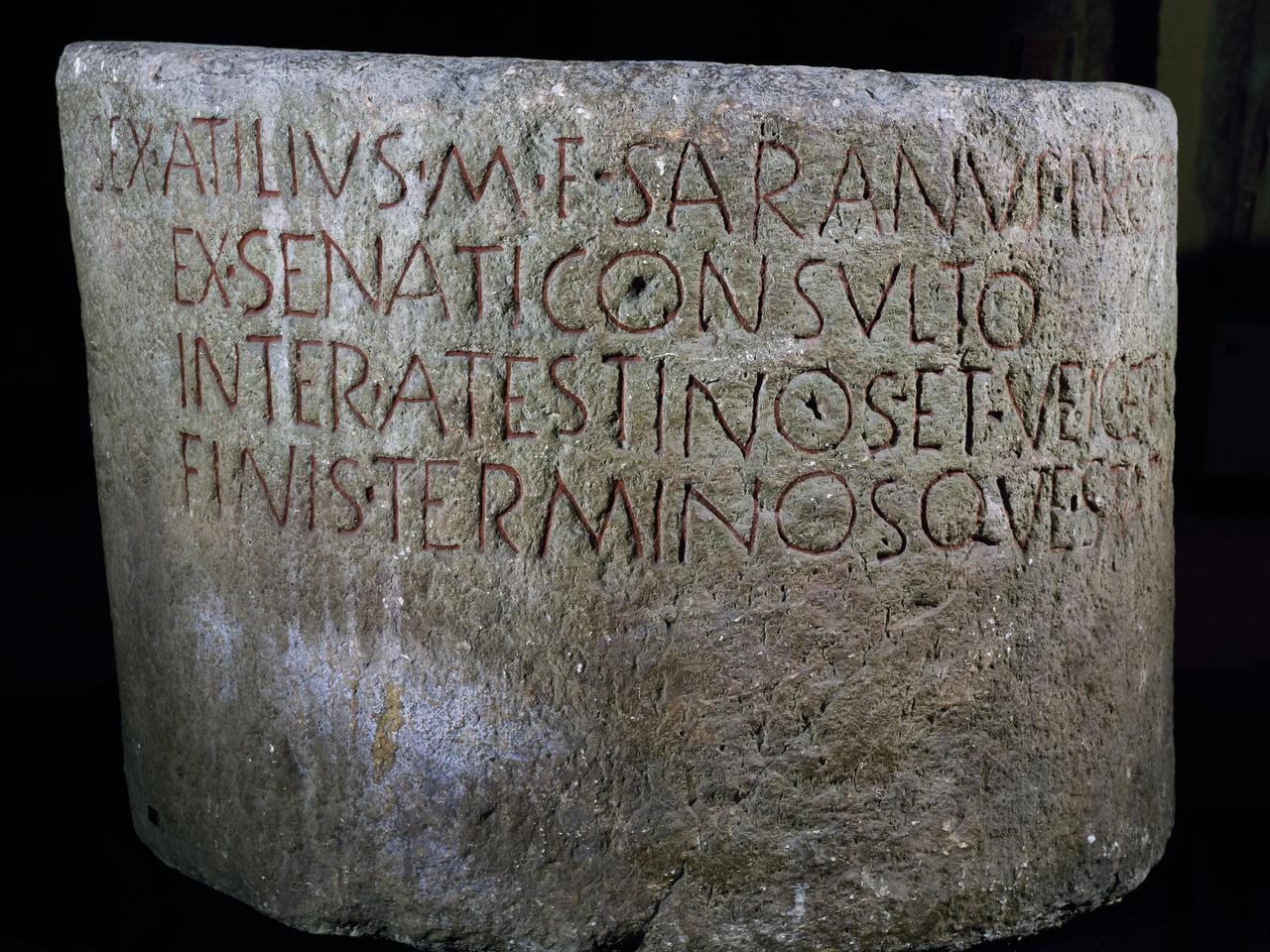

Among the most important finds are cippi, small upright stone pillars used in antiquity as votive markers, boundary posts or milestones. Many of the examples found at Ponso are preliminarily dated to the fifth and fourth centuries B.C. and appear to have had a votive, or religious offering, function.
Some of the stones carry inscriptions on three faces. The texts are mostly in Venetic, the language of the Veneti people of northern Italy, while others are in Latin, showing how the site lived on from its pre-Roman origins into the Roman period.
 1 min read
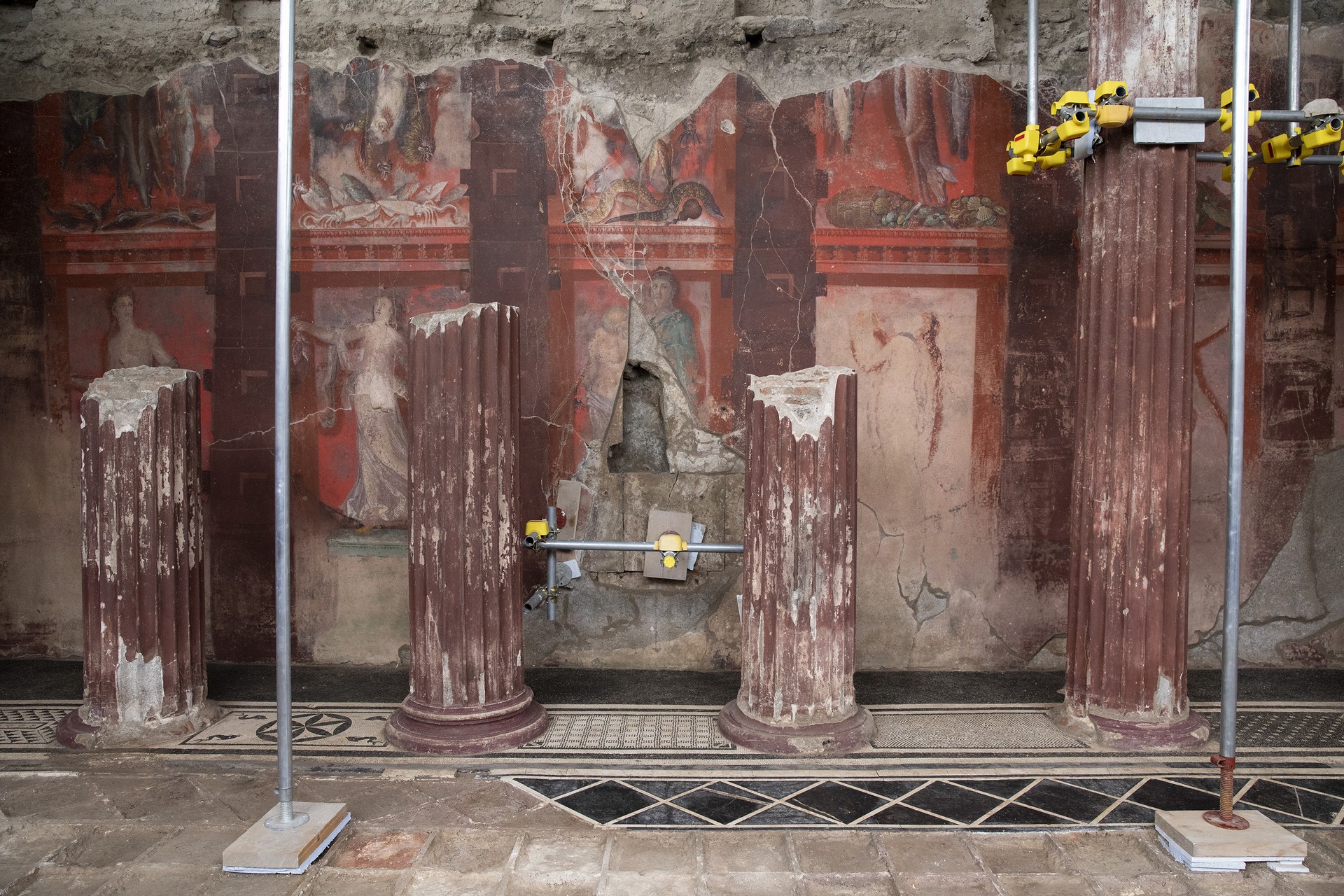
Archaeologists also found inscribed stones reused in the first century A.D. as part of a paved surface whose function is still unclear. A room with Roman-style flooring from the same period suggests that the site continued to hold importance, even as its use changed over time.
One temple foundation is rectangular and completely encircled by columns, a design generally linked to important buildings. Other nearby structural remains were also identified, suggesting that the sanctuary may have been part of a larger complex.
Further excavations are planned to understand how far the site extends, while experts continue to study the Latin and Venetic inscriptions. According to experts, early evidence suggests that the location had long-standing religious value for the pre-Roman communities of the region and retained significance during Roman rule.


 Set as preferred source
 Set as preferred source


 1 min read