Newsletters


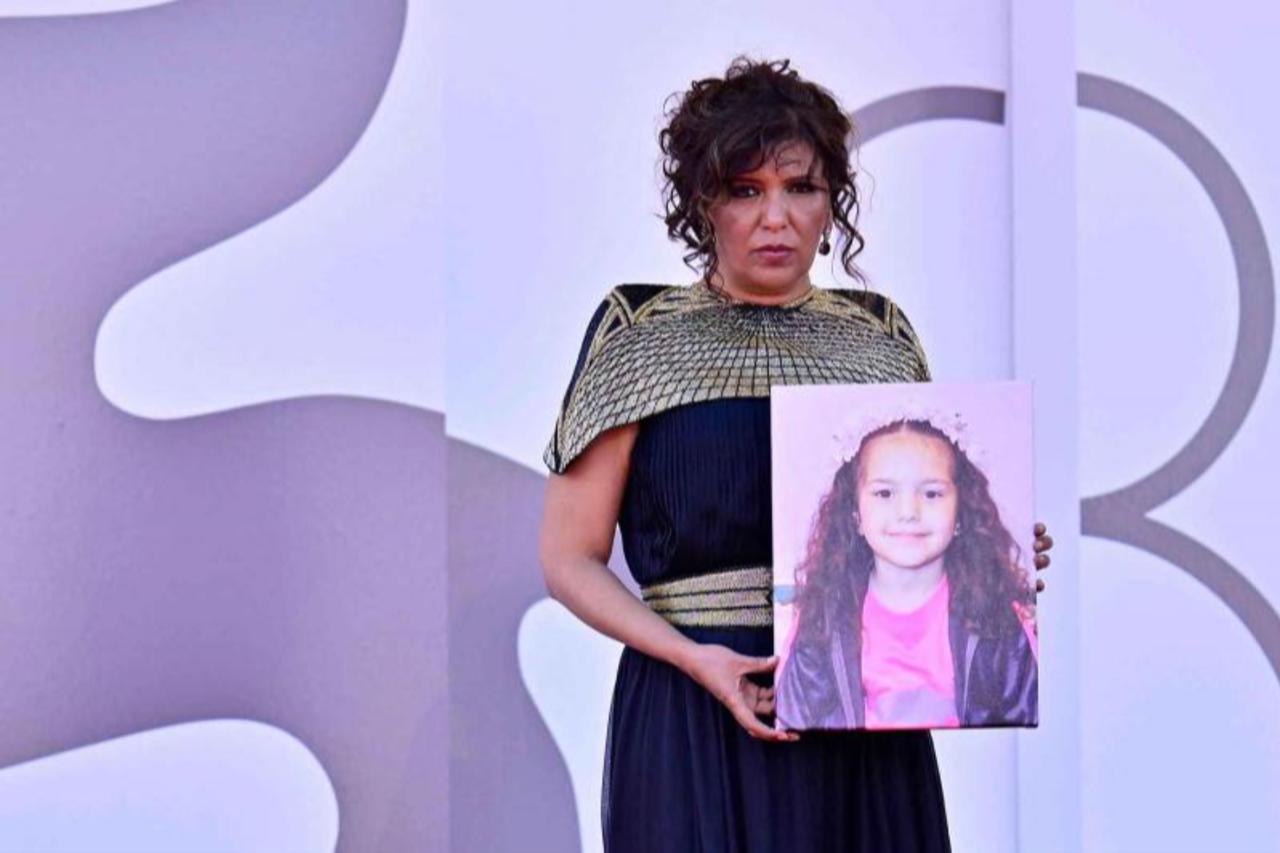


The Tunisian director Kaouther Ben Hania refused to accept the “Most Valuable Film” award granted to her film The Voice of Hind Rajab at the “Cinema for Peace” ceremony held on the sidelines of the Berlin International Film Festival.
She left the trophy in the hall in an explicit protest against the honoring of an Israeli general at the same event. She said awards cannot be given while “genocide” continues.
In her speech before the audience, which included prominent figures such as Hillary Clinton and actor Kevin Spacey, Ben Hania stressed that her film does not honor an isolated incident.
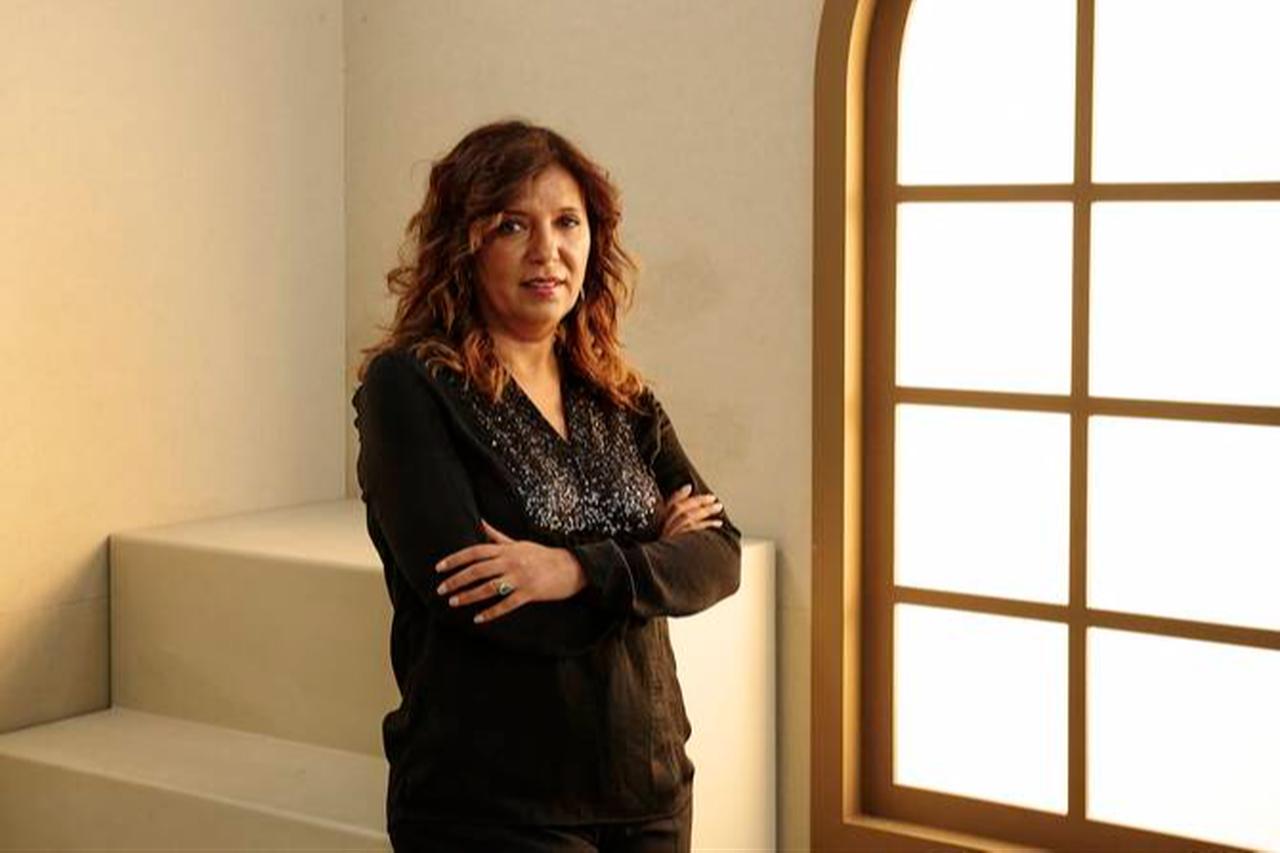

She said it instead sheds light on an entire system that made the death of the young girl Hind Rajab possible.
"Peace requires justice and accountability, not glossy slogans," she emphasized.
The documentary The Voice of Hind Rajab is based on authentic recordings of emergency calls made before a five-year-old girl was killed, along with several of her relatives under Israeli fire.
Built entirely around the real audio recordings of her calls to emergency responders, the film avoids showing her face in order to keep the focus on her voice, which continued to echo in the minds of audiences.
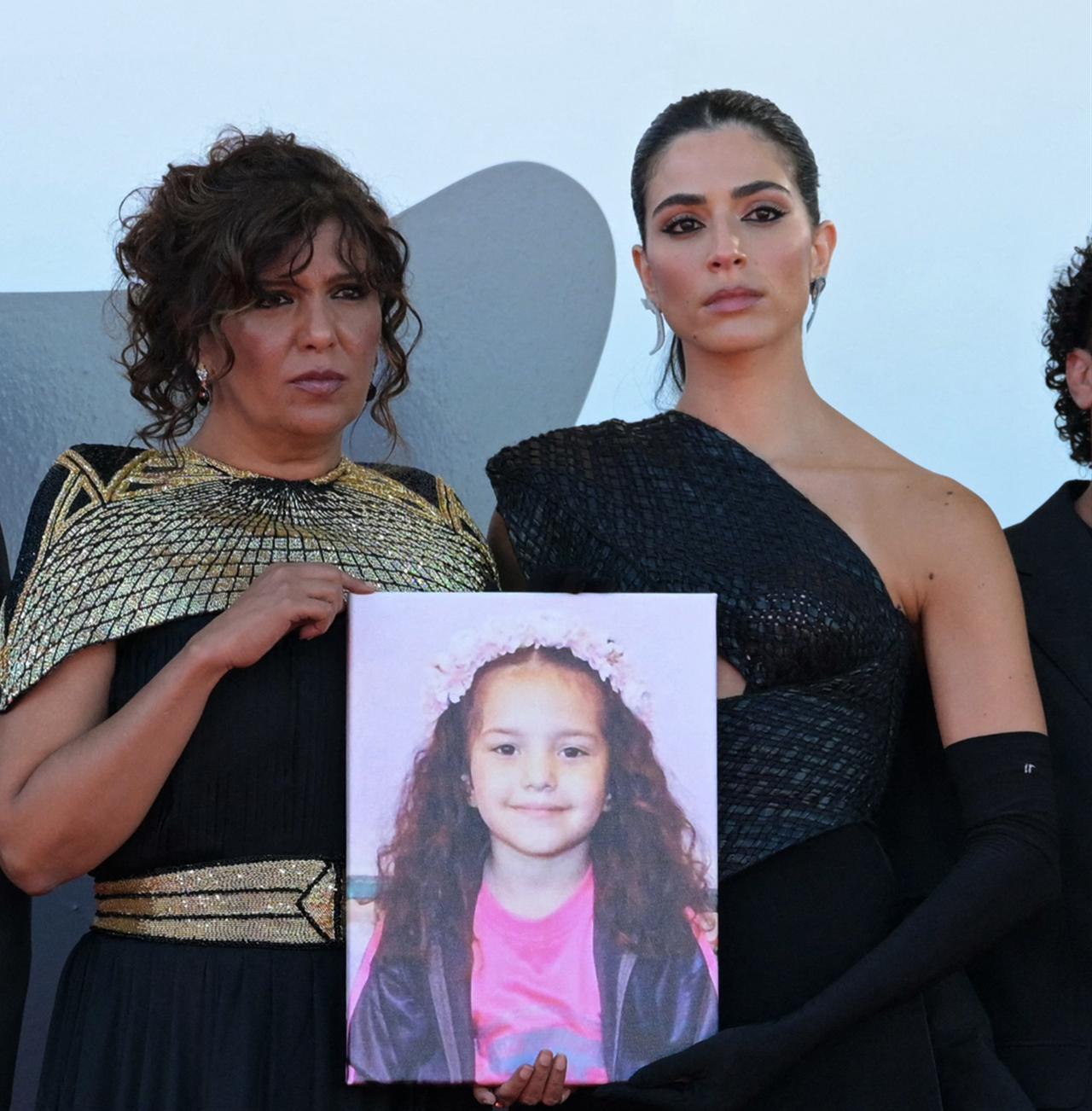
Oscar and BAFTA-nominated feature “The Voice of Hind Rajab" has now become a symbol of the debate over cinema’s role in confronting violence and injustice.
The controversy was not limited to Ben Hania’s stance.
The film community circulated an open letter signed by more than 80 participants, including a number of leading international directors and actors.
The letter accused the festival’s management of institutional silence and of applying double standards toward humanitarian issues, further intensifying tensions between the organizers and the protesters.
By contrast, the festival organizers defended their position by saying cinema should remain separate from politics.
That prompted writer Arundhati Roy to withdraw from the event, calling the management’s remarks “morally unacceptable,” further fueling the debate over the limits of freedom of expression and the responsibility of cultural institutions in times of conflict.
While some believe the festival is trying to preserve its neutrality, others point to double standards.
Critics say this raises questions about whether major cultural events can regain their legitimacy as platforms for freedom and moral expression, especially amid today’s heightened global political tensions.


 Set as preferred source
 Set as preferred source


 2 min read