Newsletters


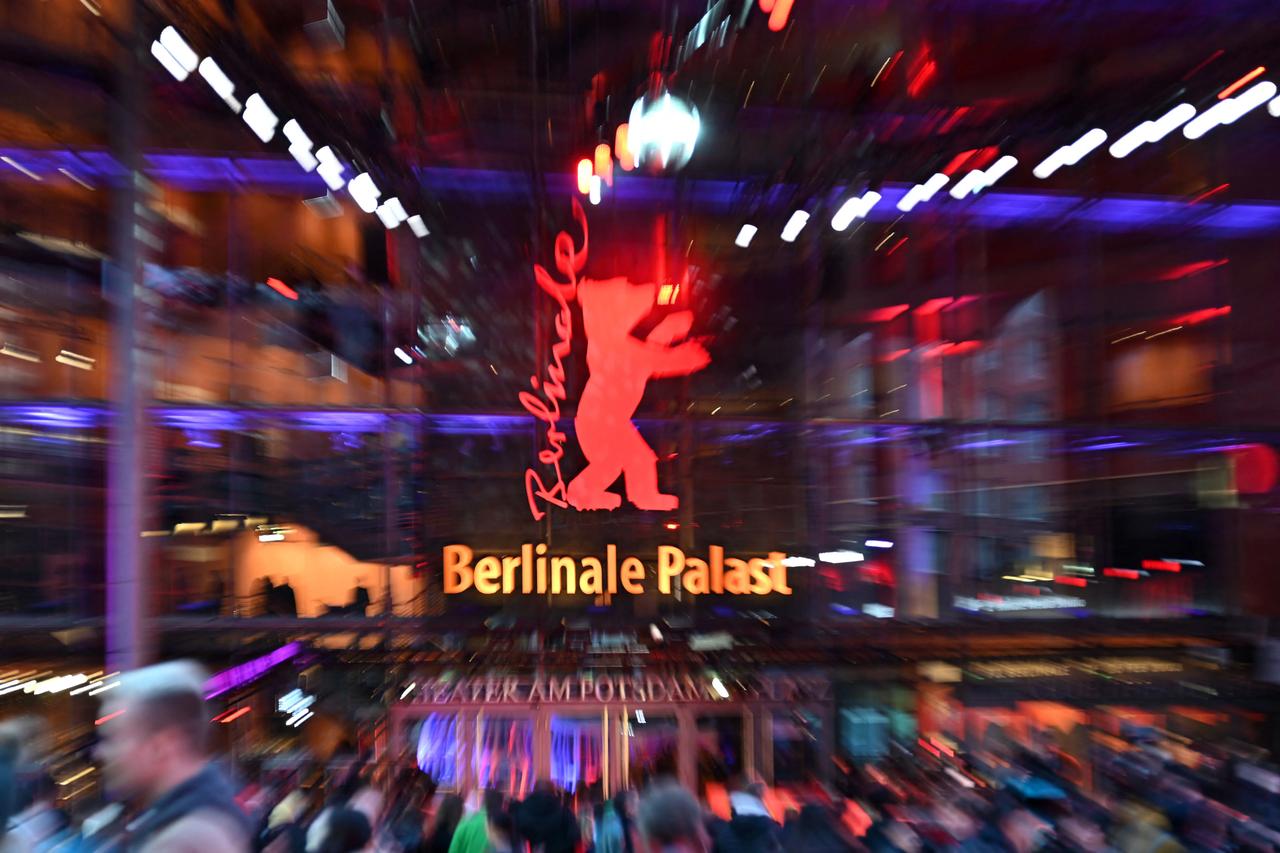


Berlinale’s attempt to stay out of politics is becoming increasingly difficult after Sudanese filmmakers were forced to withdraw from the festival when German authorities denied them visas, citing “migration risk.”
The 76th Berlin International Film Festival (Berlinale) is facing renewed criticism over the decision, which has intensified debate over migration governance, cultural access and participation in major European cultural events.
The latest controversy follows backlash against jury president Wim Wenders, who recently argued filmmakers should “stay out of politics,” prompting criticism from cultural figures worldwide.
Turkish director Emin Alper publicly rejected the position, saying it is impossible to separate art from politics, while Indian author Arundhati Roy withdrew from the festival and called the remarks “unconscionable.”
The recent revelation has triggered wider discussion about structural barriers in international film networks, with critics linking the case to broader concerns about European border policies and cultural inclusion.


The controversy centers on Sudanese director Mohammed Alomda, producer Amjad Abu Alala and writer Paula Thabet.
They withdrew from the Berlinale Co-Production Market after their visa applications were rejected by the German embassy in Cairo, as reported by Screen Daily.
The filmmaking team was informed on Feb. 12 that their applications had been denied on the grounds of “migration risk,” with authorities citing uncertainty about the purpose of their visit and whether they intended to return after traveling to Germany.
The trio had planned to attend the Berlinale Co-Production Market, held from Feb. 14 to 17 as part of the European Film Market, where selected filmmakers present projects to potential international partners and investors.
The group was initially offered the option to participate remotely and accepted the proposal before later declining and formally withdrawing from the platform.
“Why should we take part remotely when we have been made to feel unwanted by this country,” Abu Alala said. The Cairo-based filmmaker added that the team had chosen to withdraw to preserve their dignity as Arab and African filmmakers.
In a statement, the filmmakers warned that the refusal carried wider implications, saying that “when professional records, prior compliance, and institutional support are not enough to overcome a presumption of ‘migration risk,’ it raises serious questions.”
They added that such decisions risk reducing artists from war-affected regions to “perceived migration profiles rather than recognising their professional legitimacy.”
The project they planned to present, "Blue Card", follows a Sudanese man who flees to Egypt after the outbreak of war in his country and attempts to secure a future for his family while confronting questions of belonging and displacement.

Berlinale officials expressed regret over the filmmakers’ absence, saying they had looked forward to hosting the project’s creative team in person.
Martina Bleis, head and project curator of the Berlinale Co-Production Market, said the organization was “sad not to have them with us” and emphasized that stories presented at the market aim to connect audiences across borders.
The filmmakers said they did not blame the festival, and producer Abu Alala described it as “a platform that consistently supports films about displacement, exile and the human search for belonging”.
The incident has nevertheless drawn attention because of the filmmakers’ international standing and the project’s industry backing.
Alomda and Abu Alala are key figures in Sudan’s emerging film scene and have been involved in internationally recognized productions.
Abu Alala directed "You Will Die At Twenty," which premiered at the Venice Film Festival and won the Lion of the Future Award, while the pair produced "Goodbye Julia," the first Sudanese feature selected for the Cannes Film Festival.
Their project "Blue Card" was the sole Arab title among 35 projects selected for the Berlinale Co-Production Market from nearly 390 submissions.
The film is a Sudan-Egypt-Germany-Saudi co-production supported by multiple international partners, including Germany’s Mayana Films, France’s Player Films and Norway’s Barentsfilm, as well as the Berlinale World Cinema Fund and other regional backers.
Industry momentum behind the project has continued despite the controversy. On Feb. 15, Cairo-based sales company MAD World secured international distribution rights for "Blue Card."

The visa refusal has fueled wider debate about migration governance and access to global cultural platforms, with critics arguing the case reflects structural barriers affecting artists from conflict-affected regions.
Public reaction has framed the decision within broader discussions about European border policies.
German historian Jürgen Zimmerer, a scholar of colonial history and genocide studies at the University of Hamburg, described the incident as part of a wider pattern, linking the visa denial to earlier controversies surrounding the festival and arguing that a Berlinale shaped by restrictive migration policies would reflect a “Fortress Europe” mentality.
The filmmakers themselves raised concerns about unequal treatment, suggesting that artists connected to regions marked by war or displacement may face heightened scrutiny compared to their international peers.
The case also highlights a perceived contradiction between cultural institutions that promote cross-border exchange and state policies that regulate mobility.
Berlinale has long positioned itself as a forum for global storytelling, frequently showcasing works addressing migration, exile and identity, yet participation ultimately depends on national visa regimes.
The episode comes as the festival faces heightened scrutiny over its political positioning.
The earlier debate surrounding Wenders’ remarks and subsequent criticism from filmmakers and writers had already placed the festival at the center of discussions about the relationship between art and politics.
Together, the controversies have intensified questions about how international cultural institutions navigate geopolitical realities while maintaining commitments to openness and global participation.


 Set as preferred source
 Set as preferred source



 3 min read