Sign in
 Newsletters


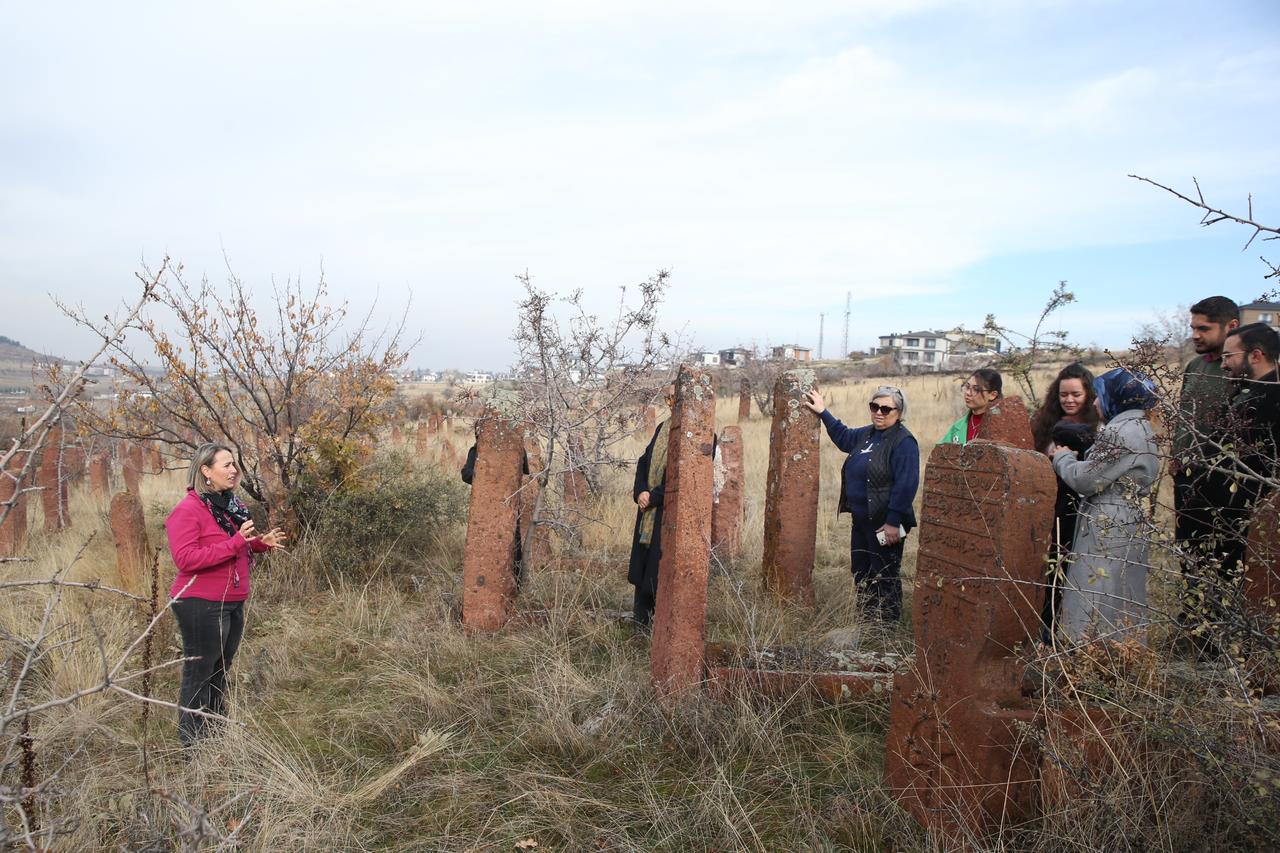


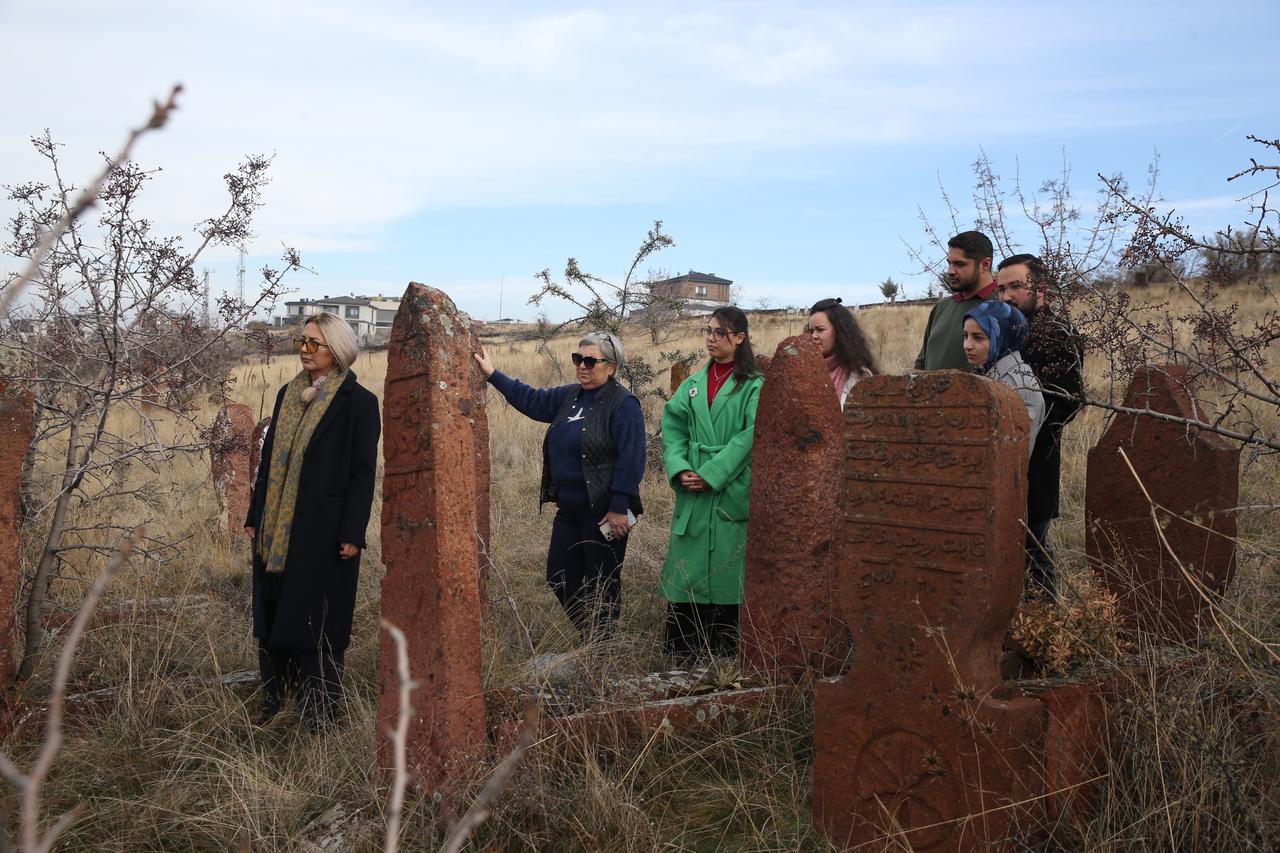
Historic gravestones bearing the identity symbols of Oghuz Turkic tribes, alongside decorated and inscribed tombstones from the Anatolian Seljuk and Ottoman periods, are being documented in Türkiye's central province of Kayseri as part of a cultural heritage project aimed at preserving their history for future generations.
The initiative, titled "Memory Carved in Stone," is being carried out by the Kayseri branch of the Tohumluk Foundation under the academic guidance of Professor Asli Sagiroglu, head of the Art History Department at Erciyes University.
The project focuses on "tamgas," traditional symbols used to identify Turkic tribes, including the Oghuz groups that migrated from Central Asia to Anatolia beginning in the 11th century.
Through field visits, exhibitions and educational workshops, organizers aim to bring out the historical and artistic significance of these gravestones while raising awareness of the shared cultural heritage of the Turkic world.
Kayseri, which has been designated the 2027 Cultural Capital of the Turkic World by the International Organization of Turkic Culture (TURKSOY), provides the setting for the initiative.
Nilufer Bicakcioglu, the Tohumluk Foundation's Kayseri representative, said the symbols carved into gravestones offer evidence of where different Oghuz tribes settled after arriving in Anatolia.
According to Bicakcioglu, identifying and documenting these tamgas can help trace the communities that once lived in the region and prevent their cultural legacy from disappearing.
The foundation has contacted the embassies of Kazakhstan, Kyrgyzstan, Turkmenistan and Azerbaijan as part of preparations for a major exhibition examining how these symbols and decorative gravestone traditions evolved during the 14th, 15th and 16th centuries.
The program will also include an academic seminar on decorated and inscribed gravestones from Turkistan to Kayseri, alongside educational activities focused on heritage preservation.

Beyond academic research, the project seeks to involve local communities through workshops for women and children in villages.
Participants will recreate historical motifs on everyday objects, including coasters, magnets and bookmarks, while planned cultural routes will combine heritage sites with local gastronomy.
Bicakcioglu said the foundation hopes these activities will make the region's cultural heritage more accessible, particularly to younger generations.
Professor Sagiroglu highlighted the importance of protecting gravestones, warning that these movable cultural assets are gradually disappearing because of natural deterioration and human damage.
"We cannot protect what we do not know," she said.
Sagiroglu explained that the project specifically selected Akcakaya, where gravestones bearing symbols associated with several Turkic tribes stand alongside chest-shaped tombstones indicating settlement during the Anatolian Seljuk period.
Nese Toprak Yilmaz, a master's student in Erciyes University's Art History Department, also emphasized the need to help communities recognize gravestones as historical documents rather than ordinary stones.
She said the inscriptions and symbols preserve information about Turkic identity and cultural traditions, making public awareness essential to their protection.


 Set as preferred source
 Set as preferred source



 1 min read