Sign in
 Newsletters


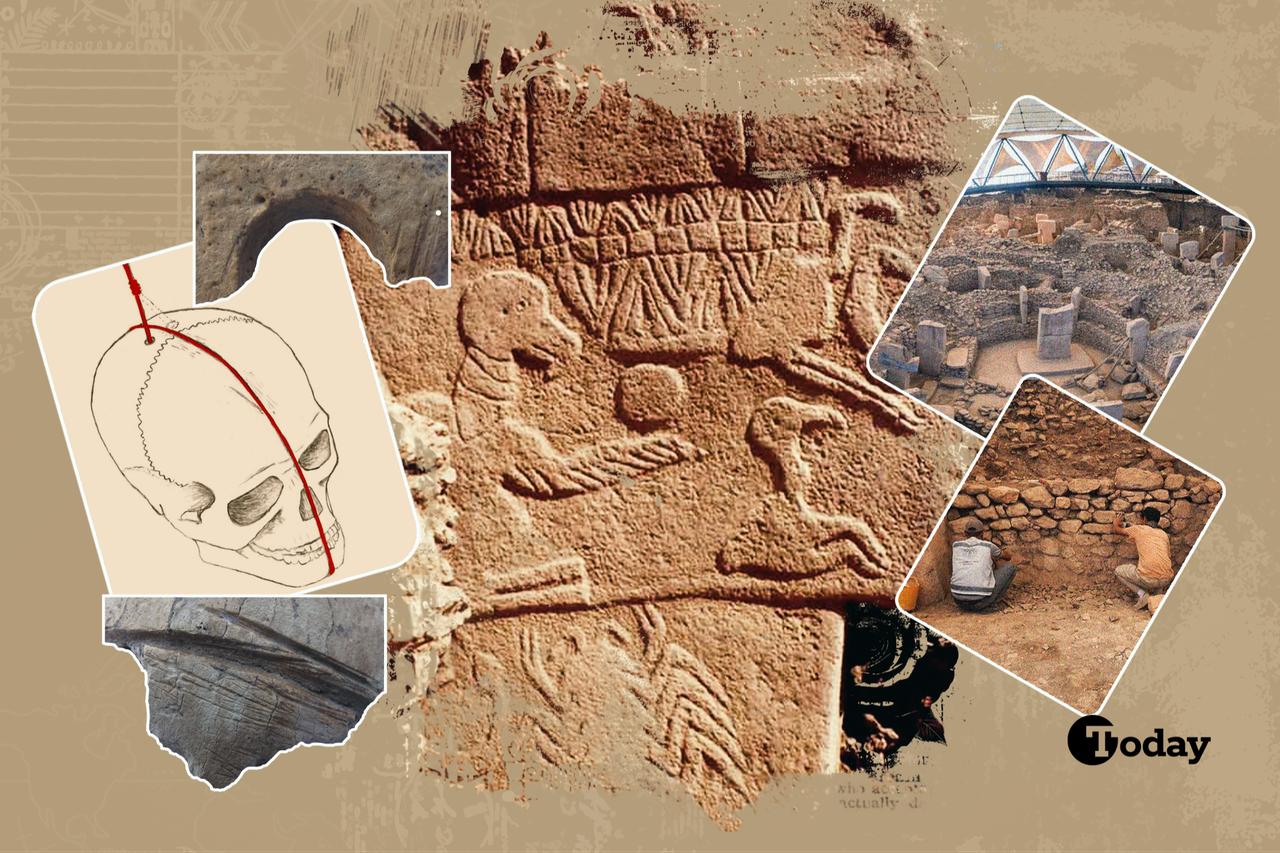


Twelve thousand years ago, on a limestone ridge in what is now southeastern Türkiye, people hauled stone pillars taller than a house into place and carved wild animals into their surfaces. They had no metal tools and no written language. But among the animal reliefs and ritual enclosures of Gobeklitepe, archaeologists have found something far more unsettling: human skulls, deliberately cut, drilled and perhaps displayed after death.
The discovery raises an unsettling question about the communities that built one of humanity's earliest monumental complexes. Were their practices violent by modern standards, or have we misunderstood the relationship between life, death and ritual in the Neolithic world?
Previous academic research into human remains discovered at Gobeklitepe has revealed evidence of an unusual form of skull modification, suggesting that the site's prehistoric communities may have practiced distinctive rituals involving the dead. These findings offer important clues about how early Neolithic societies approached death and the symbolic significance they attached to human remains.
Rather than providing evidence of widespread brutality, the findings point toward an elaborate and still poorly understood tradition in which the human head may have carried symbolic meaning long after death.

The mystery begins not with Gobeklitepe's celebrated T-shaped pillars, but with hundreds of human bone fragments recovered from the archaeological deposits surrounding its buildings.
Researchers examined 691 fragments, including 408 pieces belonging to human skulls. Among them, 40 skull fragments carried marks consistent with the removal of flesh, while two neck vertebrae showed possible evidence of deliberate separation of the head from the body.
Three particular skulls stood out.
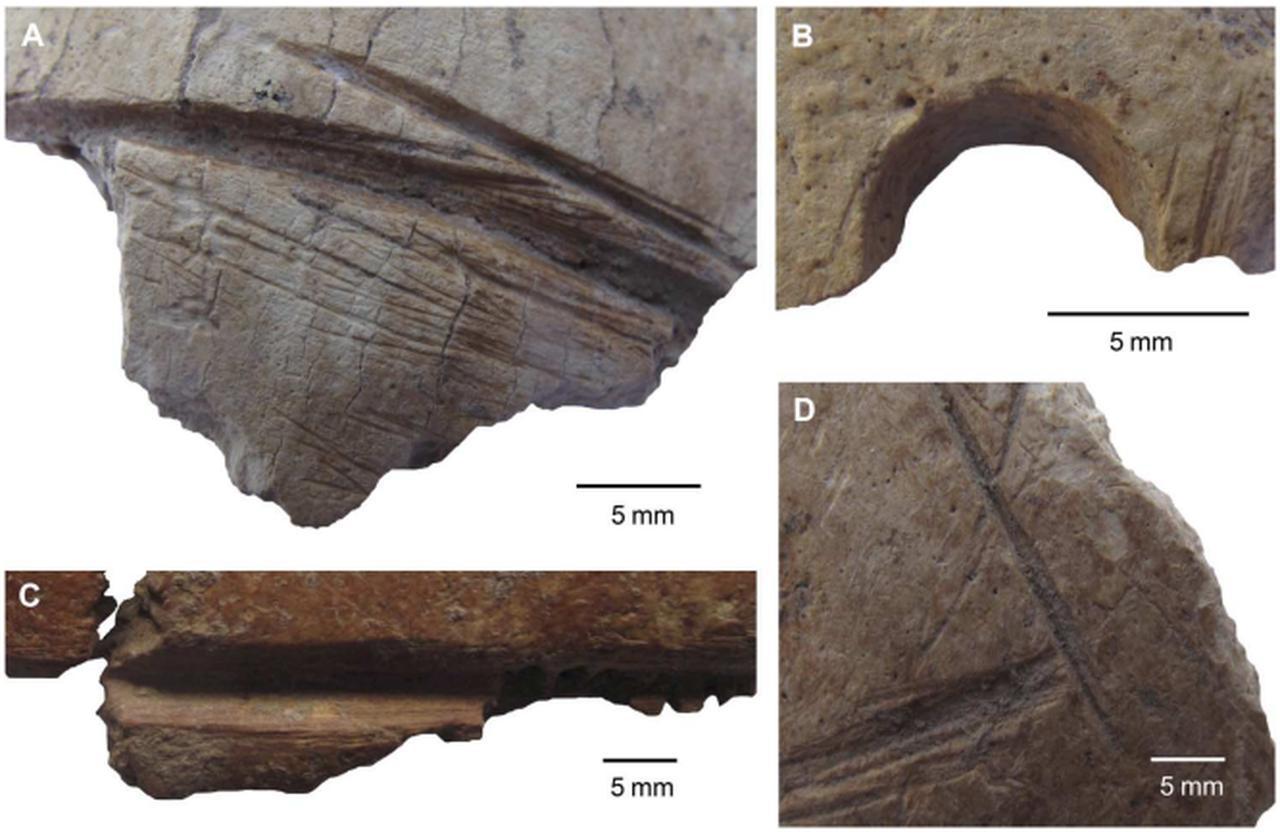
Belonging to adults, the skulls displayed deep grooves deliberately cut into the bone with stone tools. One had also been drilled through, while traces of red ochre, a natural mineral pigment associated with prehistoric ritual practices, were identified on its surface.
Under the microscope, the marks tell a clear story. The cuts and perforations were made soon after death, while the bone was still fresh and pliable. There is no sign of healing, which rules out injuries survived in life.
The findings provide direct evidence that at least some individuals received special treatment after death, although the precise purpose remains uncertain.
The answer may lie in a practice archaeologists describe as a skull cult, a term referring to the ritual preservation, modification or display of human skulls, often associated with ancestor worship or beliefs about the dead.
At Gobeklitepe, the researchers identified two possible explanations.
The skulls might have belonged to respected ancestors whose remains were preserved and displayed as part of communal ceremonies. Alternatively, they could have represented defeated enemies or individuals who were deliberately marked after death.
One particularly striking detail supports the possibility of display.
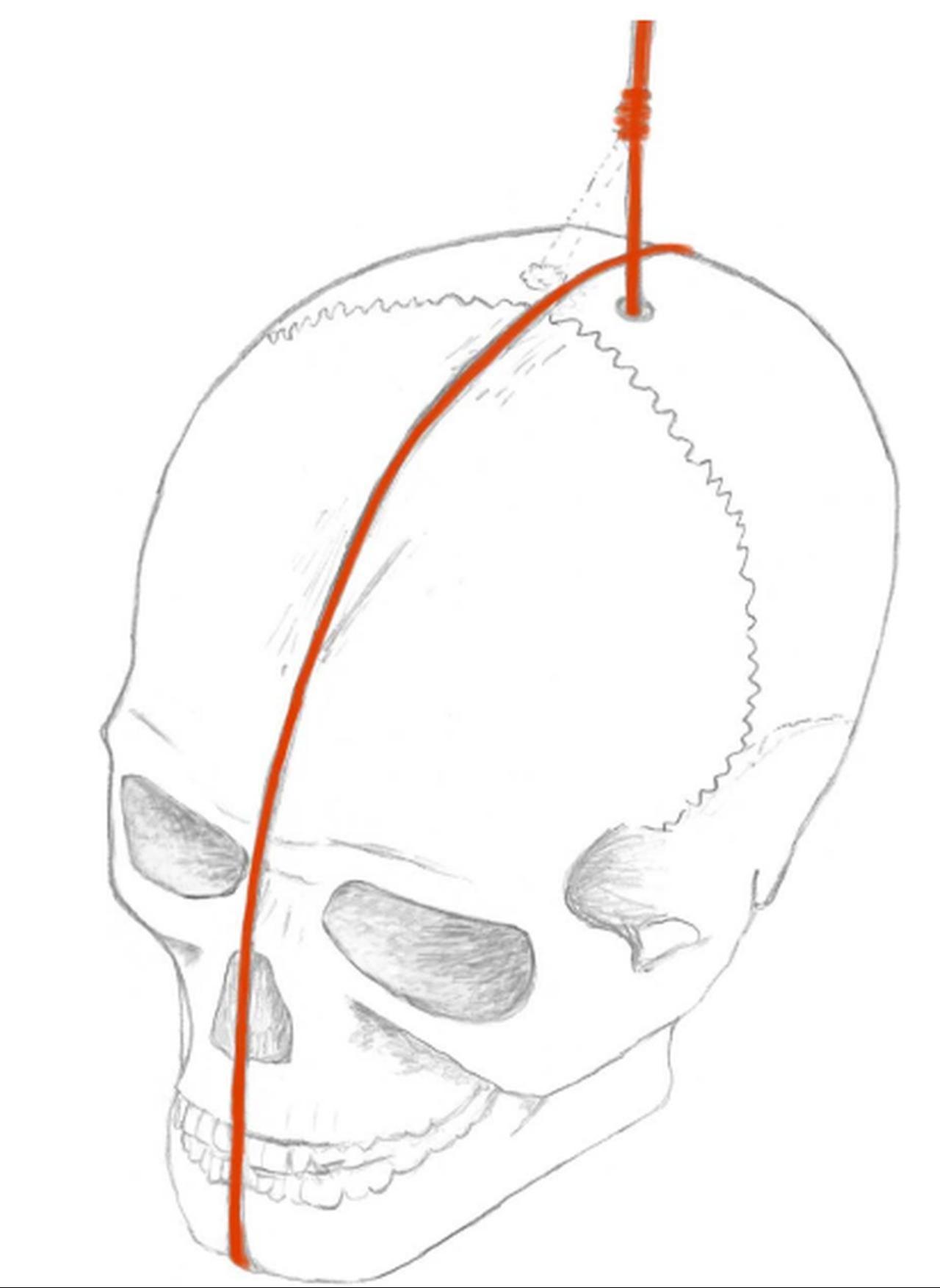
The perforation in one skull had been positioned in a way that could have allowed it to hang vertically from a cord. The carved grooves may have helped keep that cord in place, suggesting that the skull was suspended rather than simply buried.
Such an interpretation would transform the skull from a human remains into an object carrying social or ritual significance.
However, the researchers could not establish whether the individuals were honored, punished or treated in another way entirely.
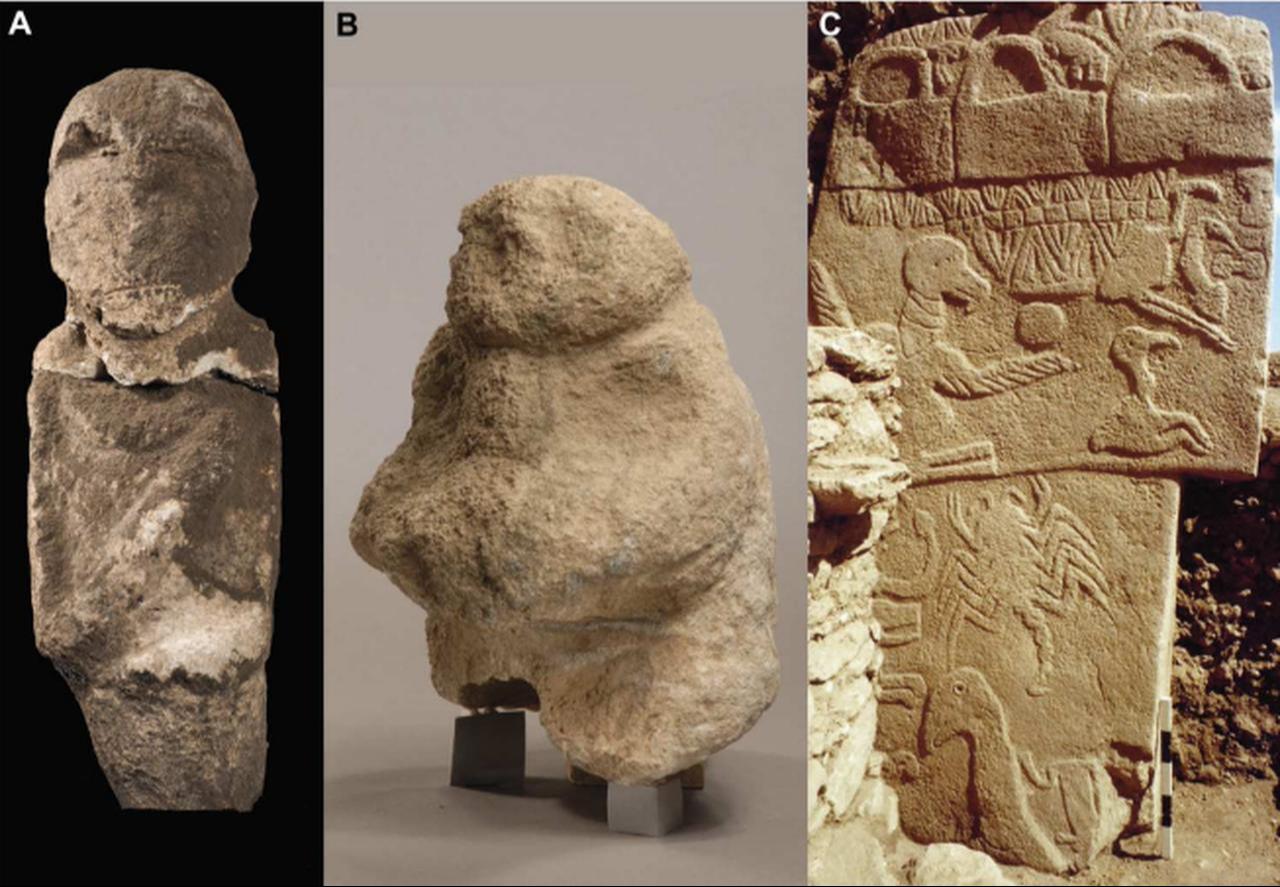
Gobeklitepe's stone carvings offer another layer to this story.
Among its remarkable artistic representations are headless human figures, sculptures with apparently severed heads and images of powerful animals.
One limestone sculpture (Pillar 43), known as the "gift bearer," depicts a kneeling figure holding a human head. Another striking representation on a monumental pillar shows a headless human figure.

Vultures and other birds of prey also appear in the site's symbolic imagery, raising questions about whether exposure of the dead to scavenging birds formed part of local funerary traditions.
One proposed interpretation suggests that bodies may have been exposed before selected bones were collected for further ritual treatment.
Yet the evidence does not establish that vultures consumed the bodies of Gobeklitepe's inhabitants. In fact, the three deliberately modified skulls examined in the study showed no animal gnawing marks.
Claims that these prehistoric communities did not understand biological death are likewise unsupported by the skeletal evidence. What remains unclear is how they interpreted death and what significance they attached to the human body afterward.
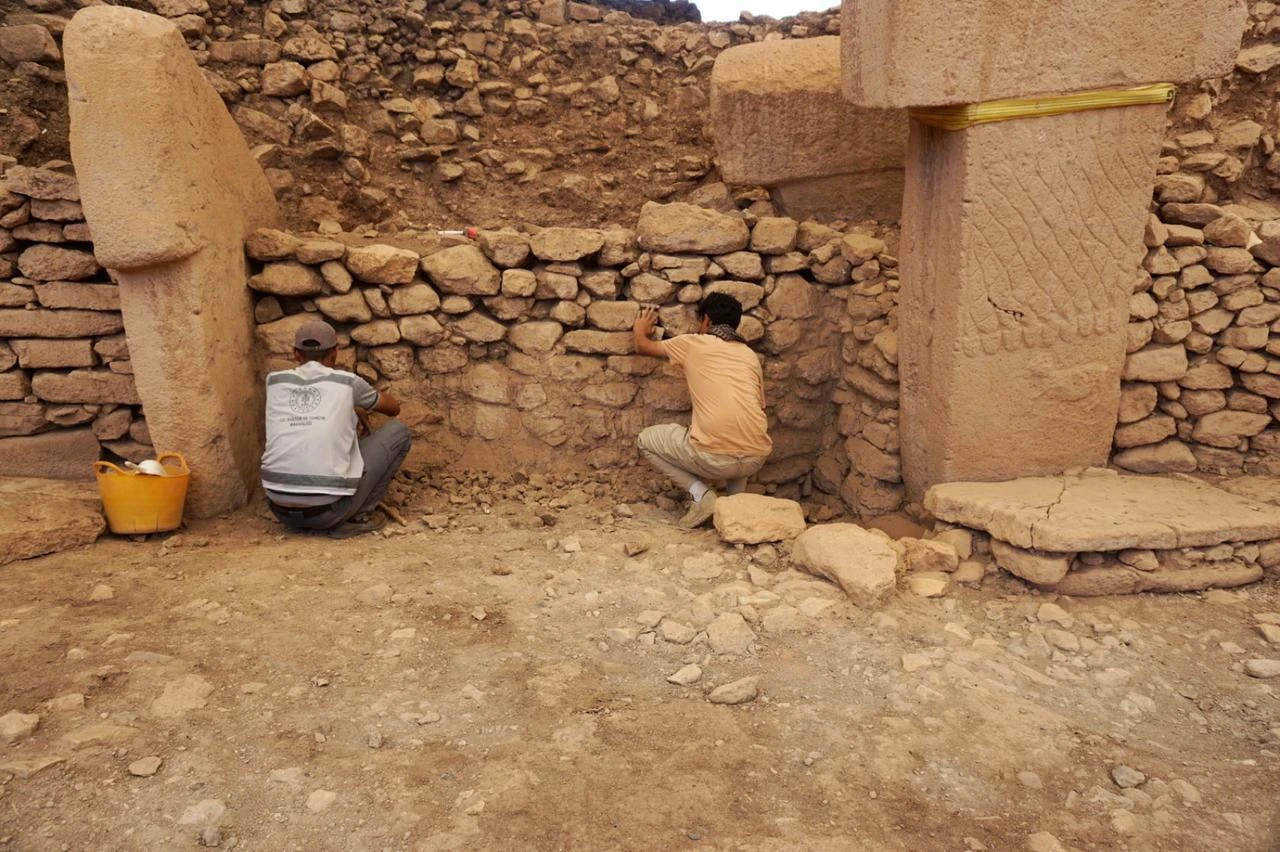
The contrast becomes particularly striking when these discoveries are placed alongside Gobeklitepe's architectural achievements.
The site's builders worked with limestone and flint tools, producing monumental pillars that could rise more than 5 meters high. According to archaeological accounts, stone blocks were quarried nearby and transported to the construction area without metal equipment.
These communities depended on hunting and gathering, with animal remains providing evidence of the wild species they consumed.
Their capabilities challenge the familiar image of prehistoric hunter-gatherers as technologically incapable or socially disorganized.
The same communities that brought massive stones together and created complex animal imagery also appear to have developed deliberate practices surrounding human remains.
Their treatment of the dead may therefore have formed part of a broader symbolic world rather than representing an isolated expression of violence.
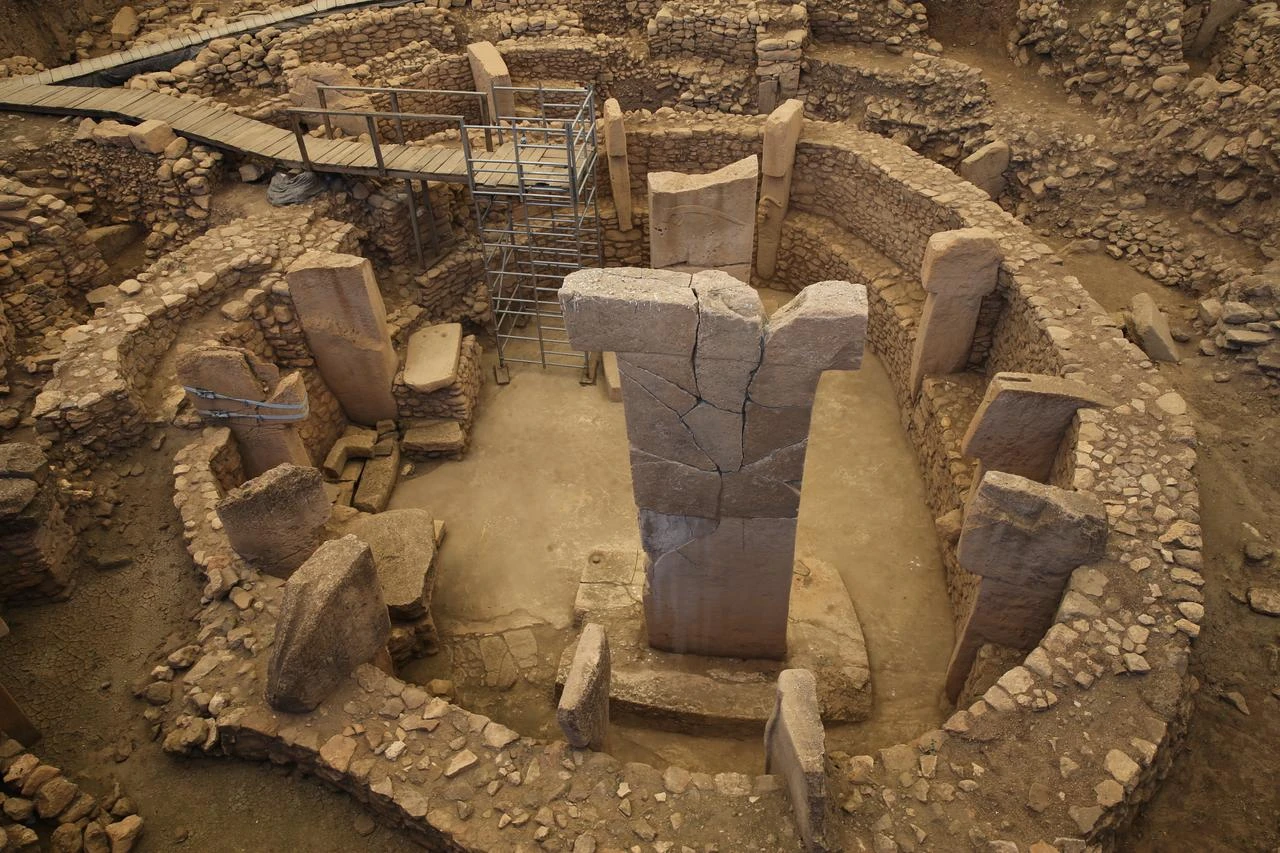
The archaeological evidence makes it difficult to apply such a label.
Although intentional removal of flesh, possible decapitation and modifications to human skulls may appear disturbing today, none of these findings independently establishes that the individuals were murdered, tortured or consumed by other humans.
The 2017 study also found no characteristic evidence of scalping on the three modified skulls.
Instead, researchers concluded that the discoveries represented a previously undocumented form of interaction between the living and the dead, possibly involving secondary burial practices, in which remains are treated or moved after an initial stage of decomposition.
Whether these skulls belonged to ancestors, enemies or individuals with a special standing within their communities remains unknown.
Perhaps the most revealing aspect of Gobeklitepe is therefore not that its inhabitants were more violent than previously imagined, but that their understanding of death may have been far more complex than the surviving archaeological record allows us to reconstruct.
The monumental stones still stand, while the people who raised them remain largely anonymous. Their treatment of human skulls offers a rare glimpse into a belief system in which death did not necessarily bring an end to a person's place in the community.


 Set as preferred source
 Set as preferred source


 1 min read


 1 min read