Newsletters


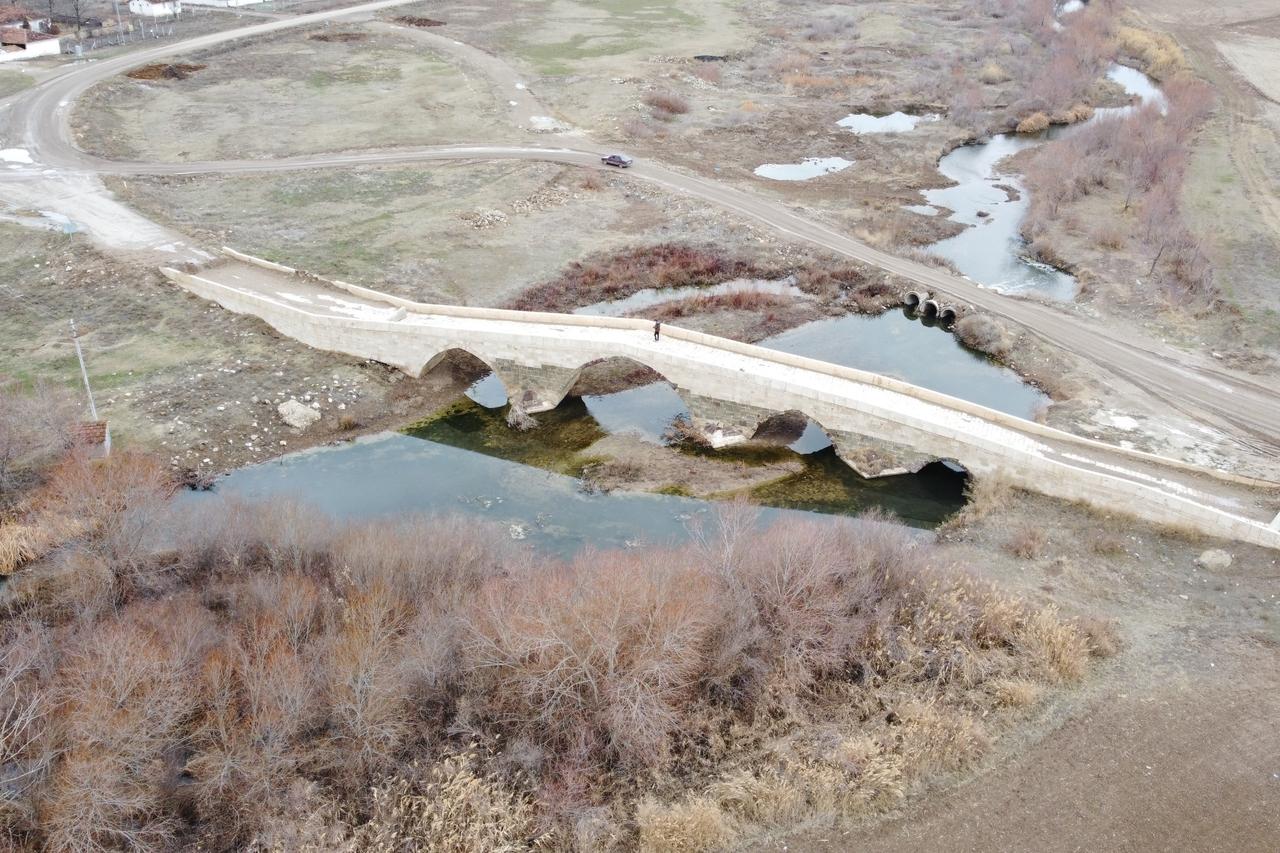


While modern highways rise and crumble in a matter of decades, one stone giant in central Türkiye is still holding its ground. For over 800 years, the Seljuk-era arches of the bridge have watched empires fall and cities transform.
Today, the rumble of horse-drawn caravans has been replaced by the quiet footsteps of local pedestrians, but the medieval masonry remains unshakeable.
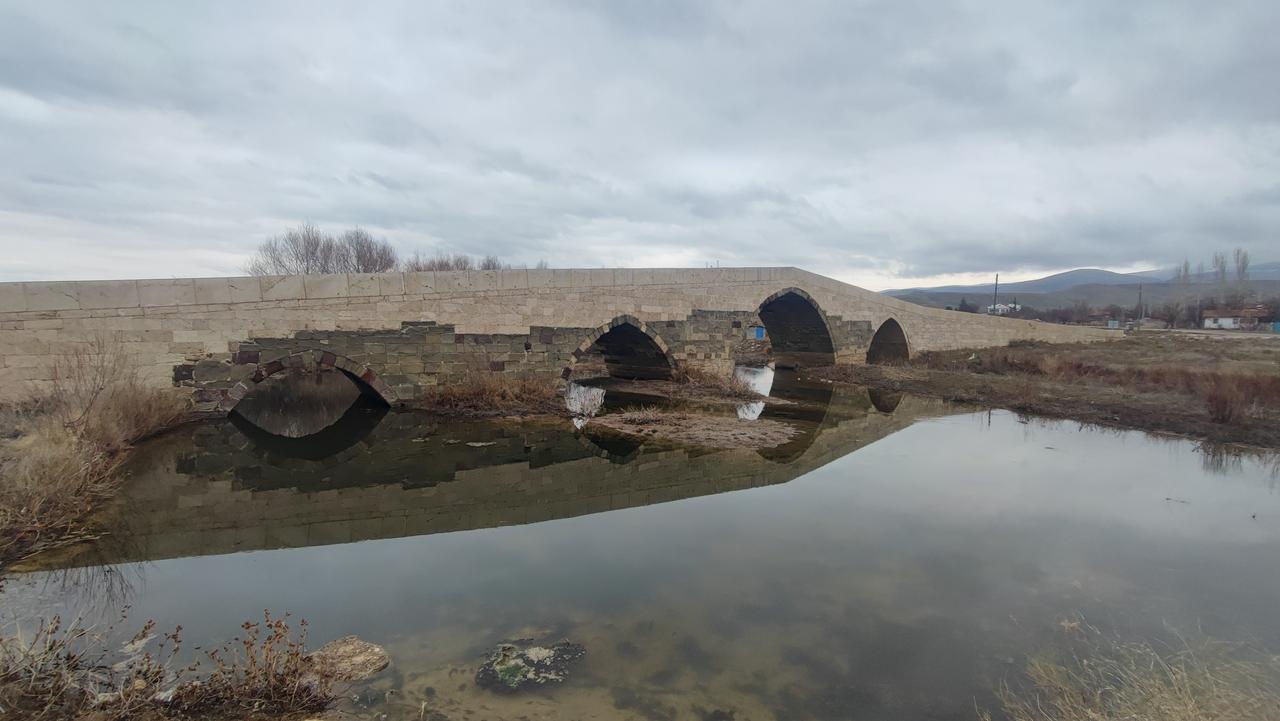

Known locally as Tuzla Bridge or Sekili Bridge, the structure is located within the boundaries of Sekili village in Yerkoy district of Yozgat province. It spans the Delice River, the longest tributary of the Kizilirmak River, which is one of Anatolia’s major river systems. Built on a north–south axis, the bridge historically linked villages in Yozgat with those in the Cicekdagi district of neighboring Kirsehir, helping to knit together rural settlements across a wide area.
With a total length of about 60 meters, the bridge once played a key role in regional transportation, especially before modern road networks were put in place.
Although there is no inscription indicating who commissioned the bridge or the exact year it was built, architectural features strongly suggest a Seljuk origin, likely dating to the mid-13th century. This assessment is reinforced by the nearby ruins of the Sekili (also known as Delicesu) Han, a roadside inn known to belong to the Seljuk period.
The bridge is made entirely of cut stone and consists of four pointed arches that gradually decrease in size toward the riverbanks, with the tallest arch positioned at the center.
Stone parapets line the upper section, while triangular cutwaters, known as mahmuz, rise where the arches meet, helping to break the force of the water. The deck slopes upward from both ends toward the middle, placing the structure in the category of so-called “steep bridges,” a common design in medieval Anatolia.
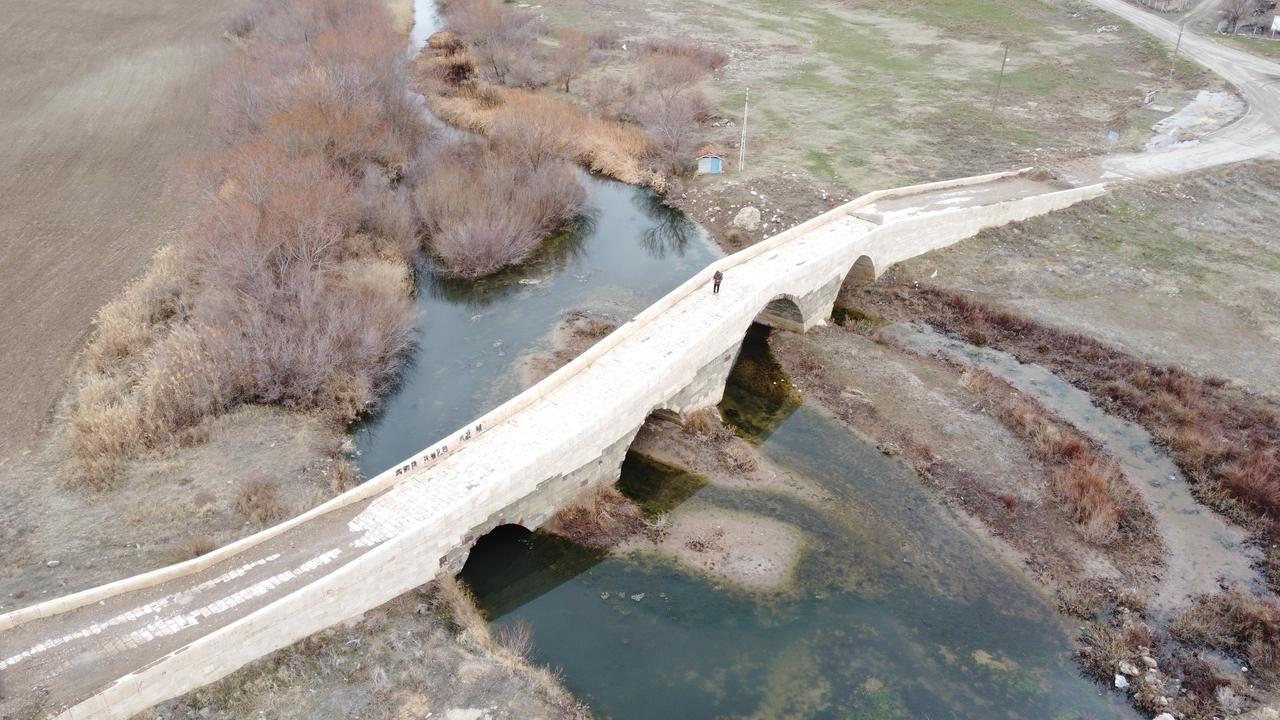
The central arch measures roughly 11 meters across and about 5.5 meters high, while the bridge deck is slightly over four meters wide. These proportions reflect a focus on durability and function rather than decoration, allowing the bridge to withstand centuries of seasonal flooding and constant use.
Local resident Mustafa Mengusoglu highlighted the bridge’s past importance, saying it was believed to be nearly a thousand years old and once connected dozens of villages between Yerkoy and Cicekdagi, effectively serving as a backbone for rural movement in the area.
The bridge underwent restoration work in 2019, after which it was closed to vehicle traffic in order to protect its historic fabric. Today, it remains open only to pedestrians.


 Set as preferred source
 Set as preferred source


 2 min read