Newsletters


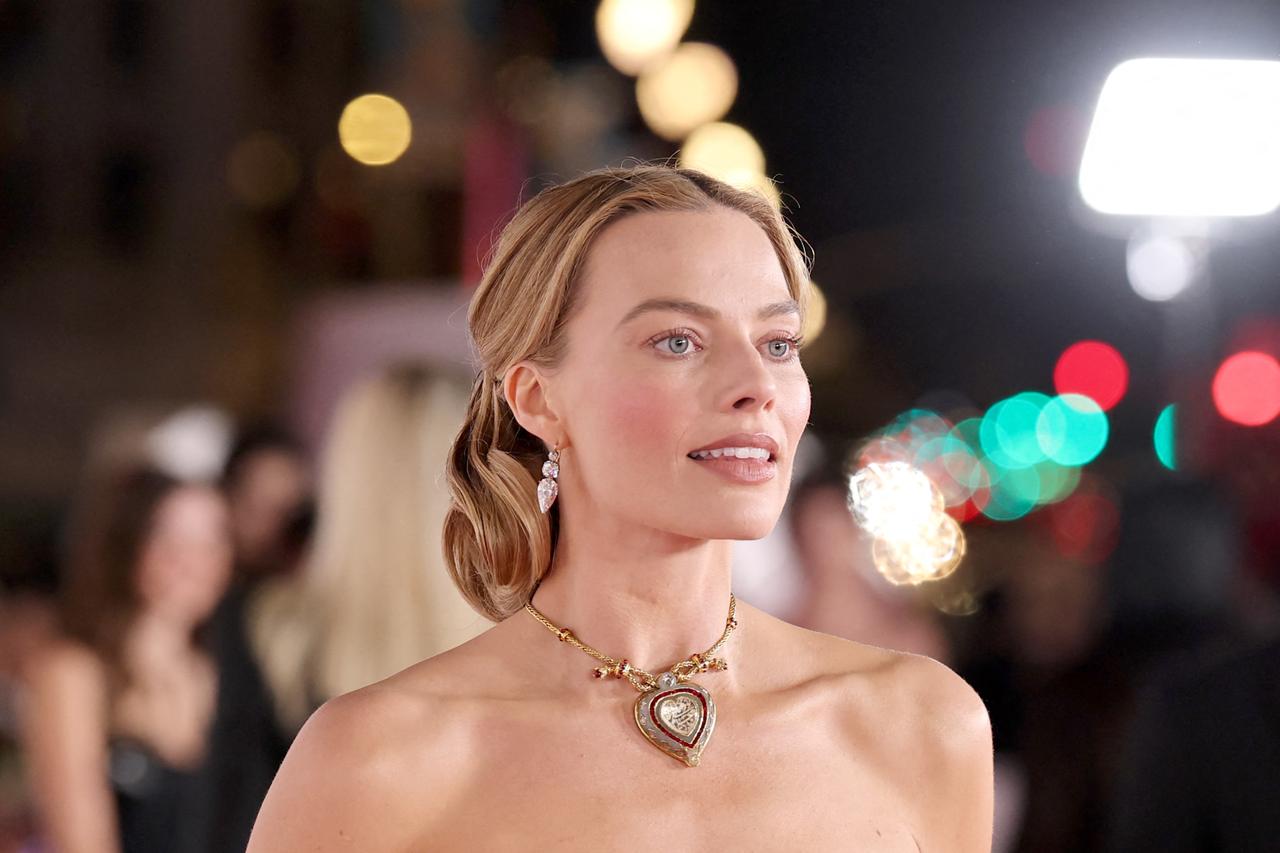


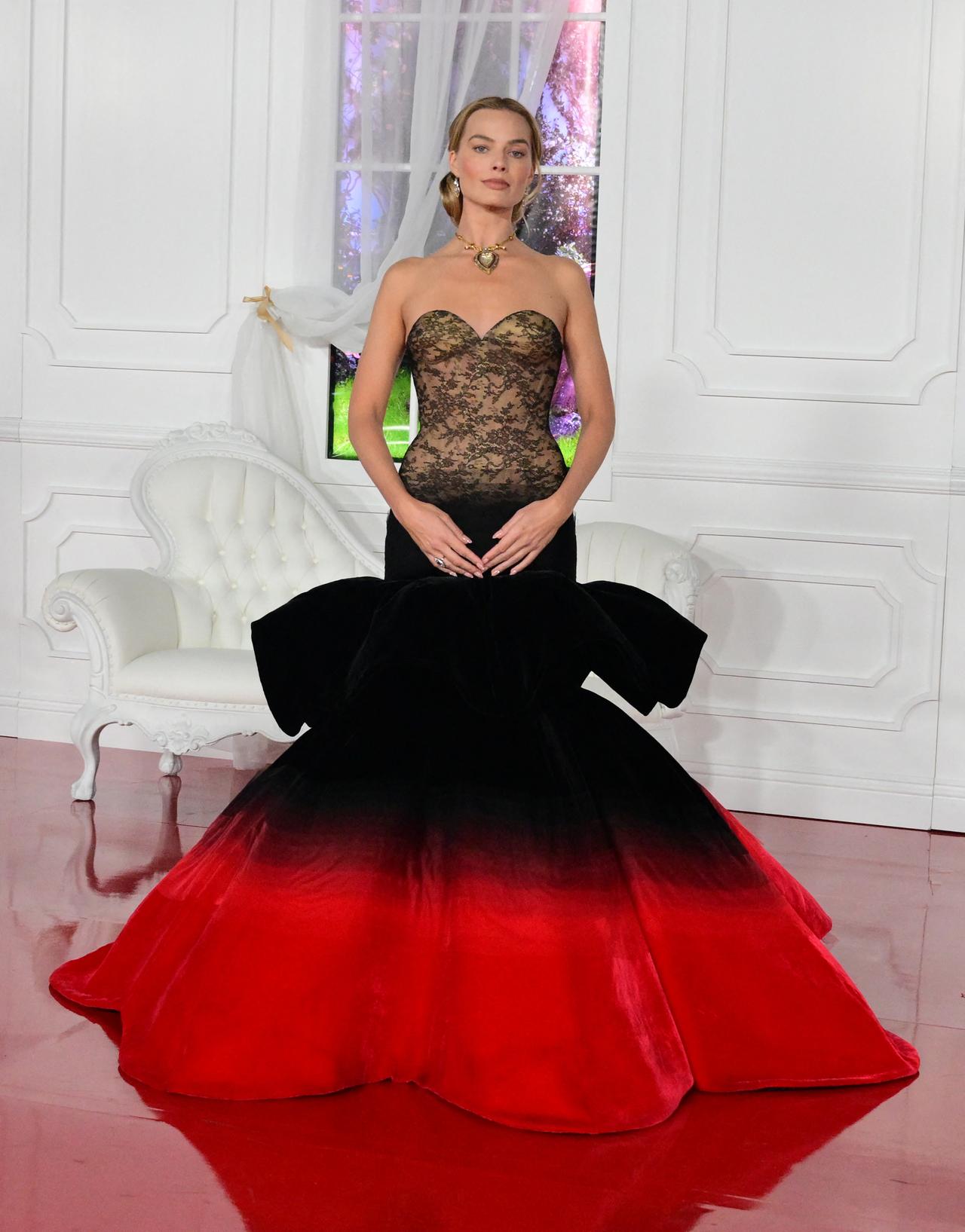
Margot Robbie drew global attention at the Los Angeles premiere of Wuthering Heights by wearing a heart shaped diamond necklace that traces its story back to the Mughal era, linking imperial South Asia, Old Hollywood romance, and today’s red carpet culture. The piece, widely known as the Taj Mahal diamond, once belonged to Mughal Empress Nur Jahan and later became one of the most iconic jewels associated with Elizabeth Taylor.
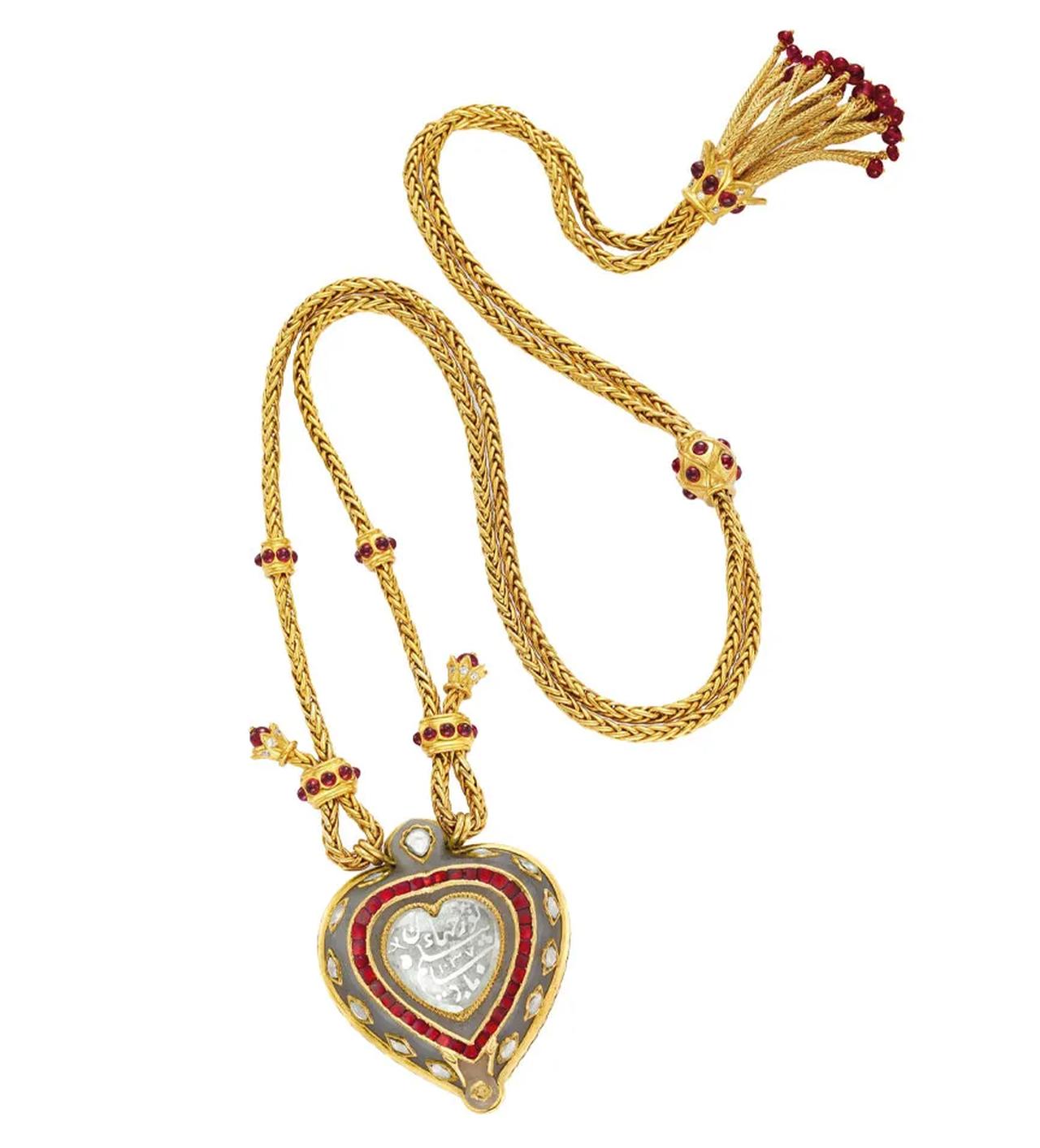

The necklace bears the name of Nur Jahan and the Hijri date 1037, corresponding to 1627–28. Nur Jahan, the wife of Mughal Emperor Shah Jahangir, was a central political and cultural figure of her time. The diamond later passed down to Shah Jahan, who gave it to his wife Mumtaz Mahal. After her death, Shah Jahan ordered the construction of the Taj Mahal in her memory, a connection that gave the jewel its modern name and tied it permanently to one of the world’s most recognizable monuments.
Set into jade and suspended from a custom chain of gold, rubies, and diamonds, the heart shaped stone carries a Persian inscription meaning “Love is eternal.”
According to historical assessments, the jewel survived into the modern era after being looted during the period of British colonial expansion in South Asia. It later entered the collection of Cartier, the French luxury house, where designer Alfred Durante created a new gold and ruby chain with tassels, replacing the original silk cord traditionally used in Mughal jewelry.
This transition from imperial artifact to luxury object reflects a broader pattern seen with many historic jewels, which were often removed from their places of origin and then traded privately or displayed in Western collections and museums.
The necklace gained renewed fame in the twentieth century when Richard Burton bought it for Elizabeth Taylor as a gift for her 40th birthday. Burton and Taylor, who married twice, were among the most celebrated couples in Hollywood history, and the necklace became one of the defining symbols of their passionate and turbulent relationship.
Taylor kept the piece as part of her legendary jewelry collection, and it remained closely associated with her public image until it was sold at auction in December 2011 for about 8.8 million US dollars, setting a record at the time for a jewel of Indian origin.
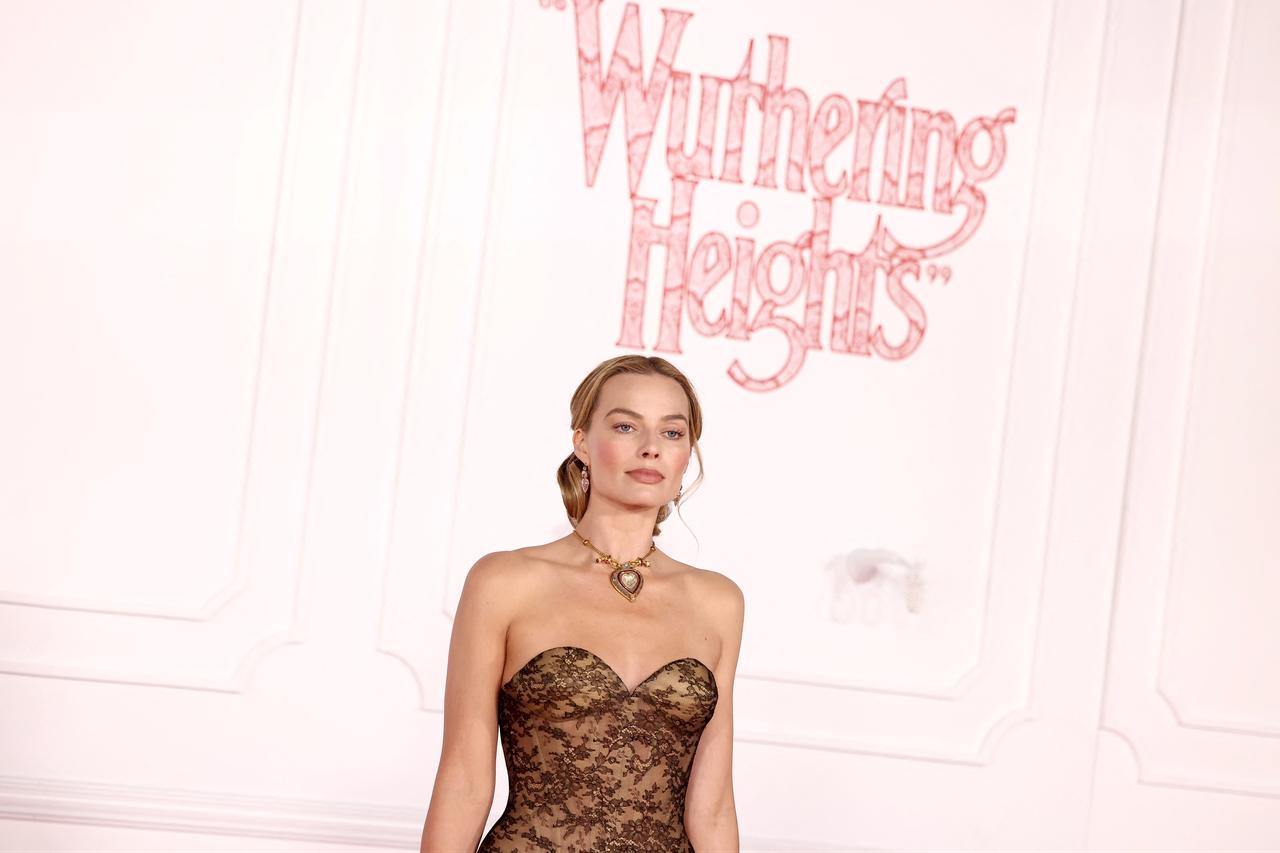
At the "Wuthering Heights" premiere, Robbie wore the necklace with a custom Schiaparelli haute couture gown adapted from the brand’s Spring Summer 2026 show. Styled by Andrew Mukamal, the look leaned into a darker, Victorian inspired aesthetic that echoed the gothic tone of Emily Bronte’s novel. The jewel served as the final element, bringing together cinema, fashion, and layered histories of love and loss.
Robbie paired the necklace with diamond earrings by Lorraine Schwartz and a nineteenth century ruby and diamond ring from Fred Leighton, reinforcing the Old Hollywood references while placing the Mughal era jewel firmly back into the global spotlight.
The reappearance of the necklace has also revived wider discussions around displaced cultural heritage. In Britain’s British Museum, around two thousand objects, including valuable jewels, are considered missing, while in France a major theft at the Louvre involved royal jewels valued at tens of millions of euros.
Such cases underline how historic ornaments often move across borders through looting, private sales, or museum collections, shaping how global audiences encounter them today.


 Set as preferred source
 Set as preferred source



 2 min read