Newsletters


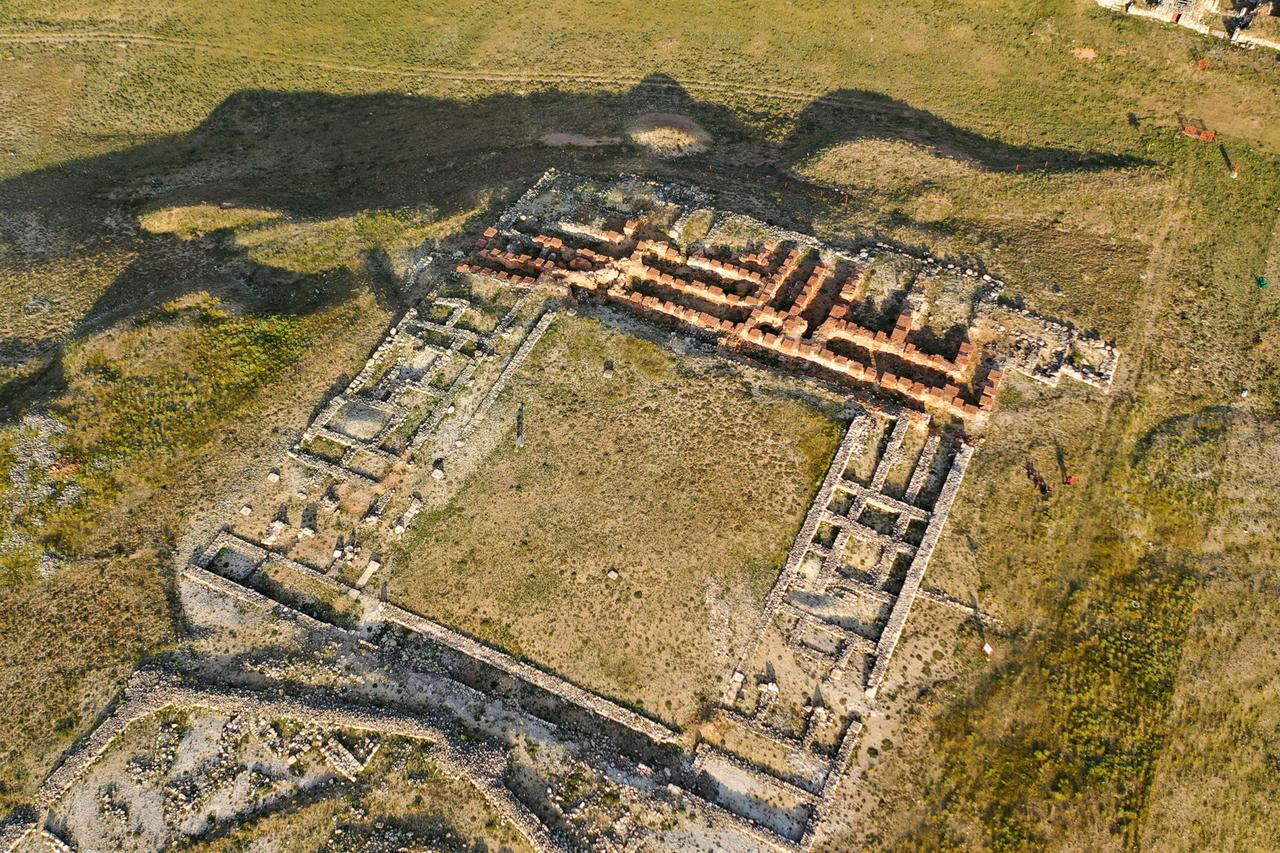


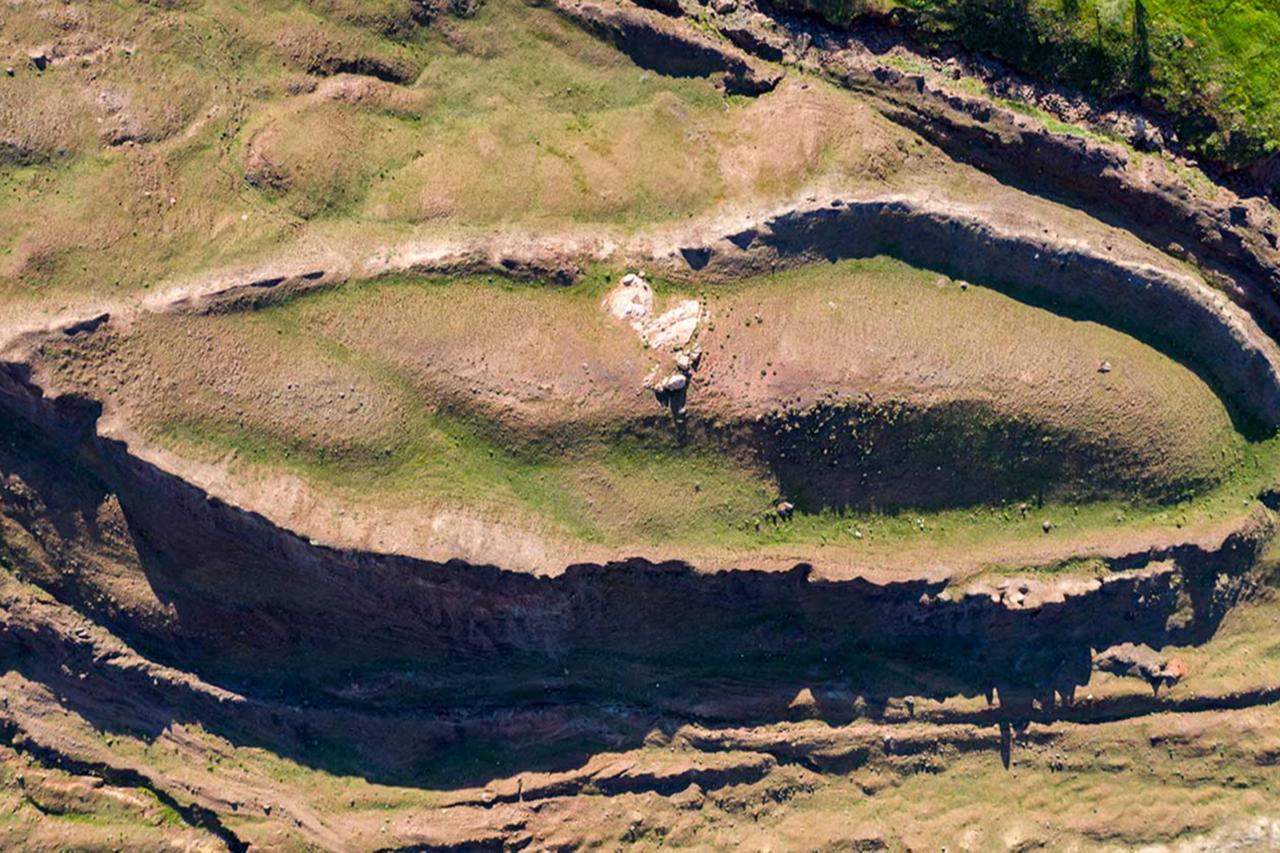
Excavations at Sarissa, a 3,500-year-old Hittite city in the central Anatolian province of Sivas, will resume in 2027, Governor Yilmaz Simsek said during a site visit, the Anadolu Agency reported.
Sarissa lies within Basoren village in the Altinyayla district of Sivas, east of the capital, Ankara.
The governorate said in a statement that Provincial Culture and Tourism Director Aziz Erdogan briefed Simsek on earlier excavation work.
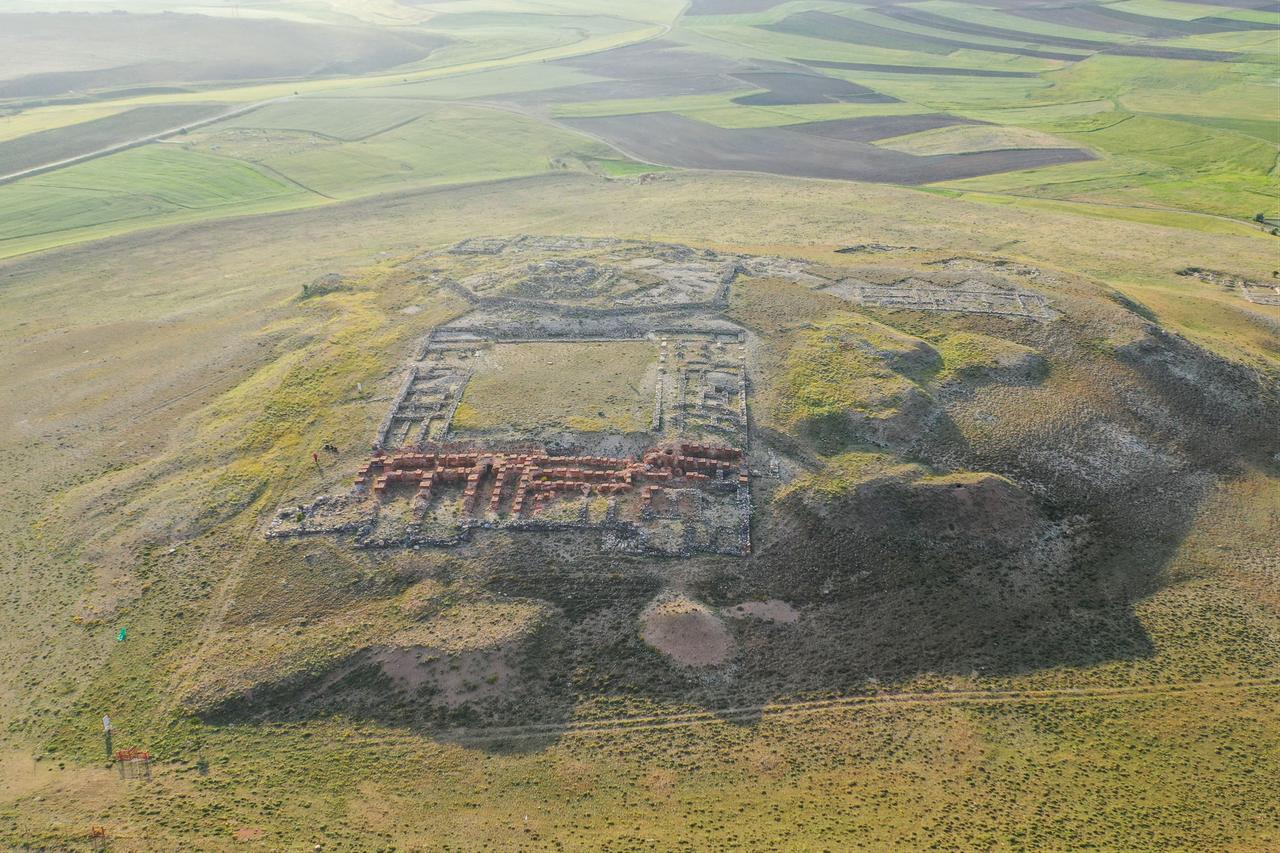

Metin, a professor at Istanbul University, will lead the new work, Simsek said. Professor Andreas Muller-Karpe of Marburg University in Germany led earlier excavations. Simsek said the aim is to protect the cultural heritage and bring tourism to the site.
He said further digs are expected to produce more artifacts and more information on the religious, administrative and social life of the Hittites. The Hittites ruled much of Anatolia in the Bronze Age from their capital Hattusa.
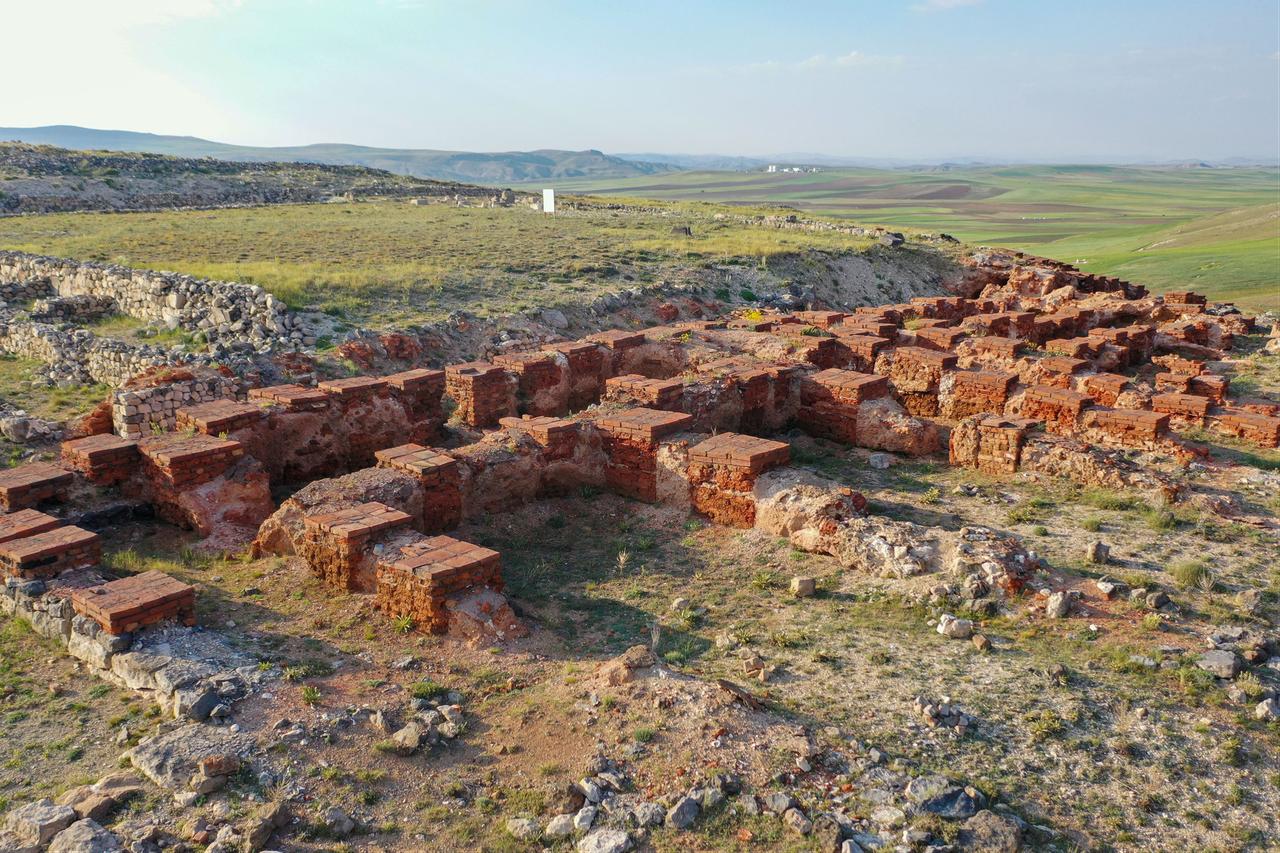
Excavations between 1993 and 2005 uncovered a temple covering 4,600 square meters, along with palace remains, city walls and 52 tablets, according to Simsek.
He said the tablets and palace remains show Sarissa served as a religious, political and administrative center.
Another key find is a twin bull rhyton statue, now displayed at the Sivas Archaeology Museum. A rhyton is a ritual vessel used for pouring liquids.
A second statue of the same type was found at Hattusa and is on display at the Museum of Anatolian Civilizations in Ankara. Hattusa is near the town of Bogazkale in Corum province. Simsek described the piece as a Hittite symbol.
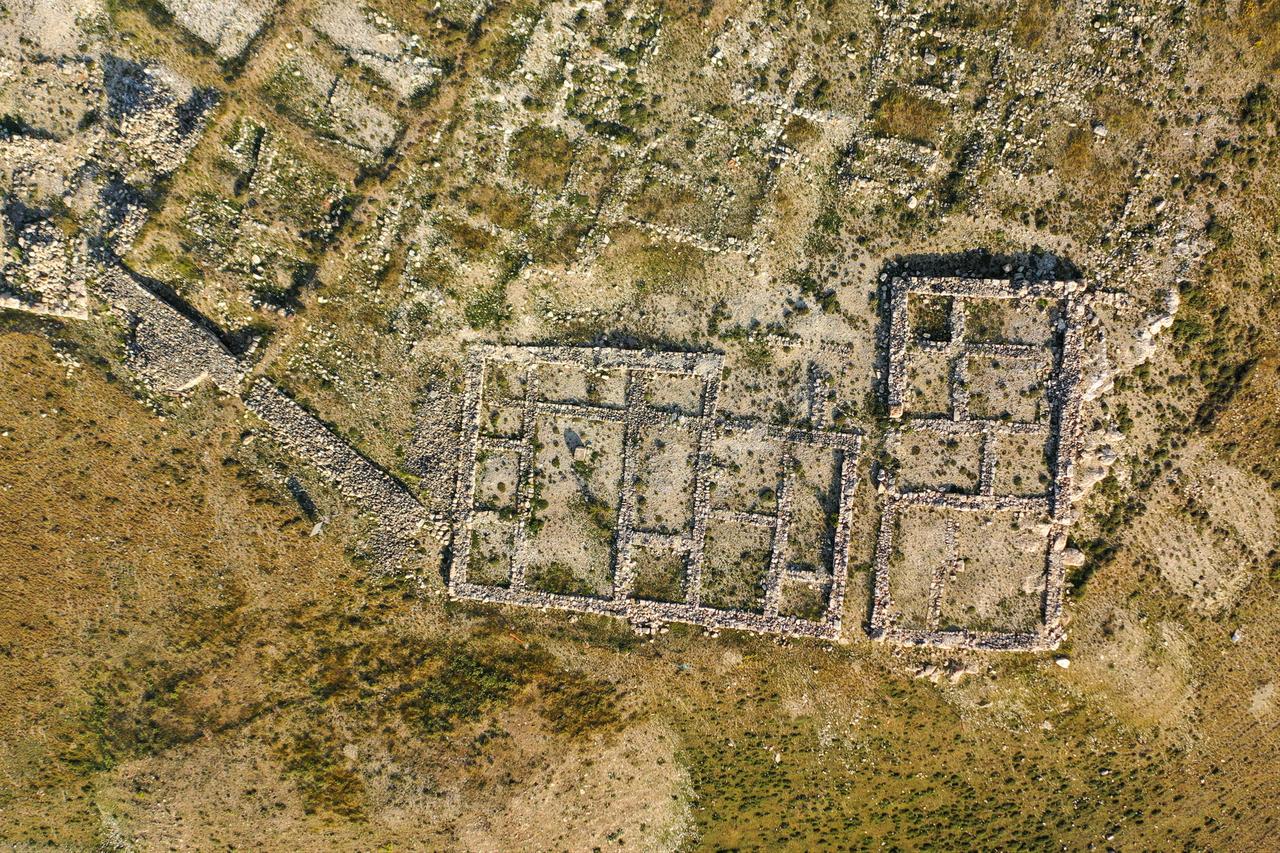
The governorate said Hittite kings used the site as a religious center around 1500-1400 B.C. Simsek said kings from Hattusa traveled to Sarissa in spring to perform ceremonies and visit the storm god's place.
The site also contains Lake Suppitassu, which Simsek described as 3,500-year-old water engineering that remains visible today. Authorities believe several more such ponds exist in the area.
Simsek named Sarissa as one of the major Hittite settlements, alongside Samuha. The site is also known as one of the largest Hittite cities in Anatolia. The governor thanked Muller-Karpe, his team and the provincial culture and tourism directorate for their work.


 Set as preferred source
 Set as preferred source



 2 min read