Newsletters


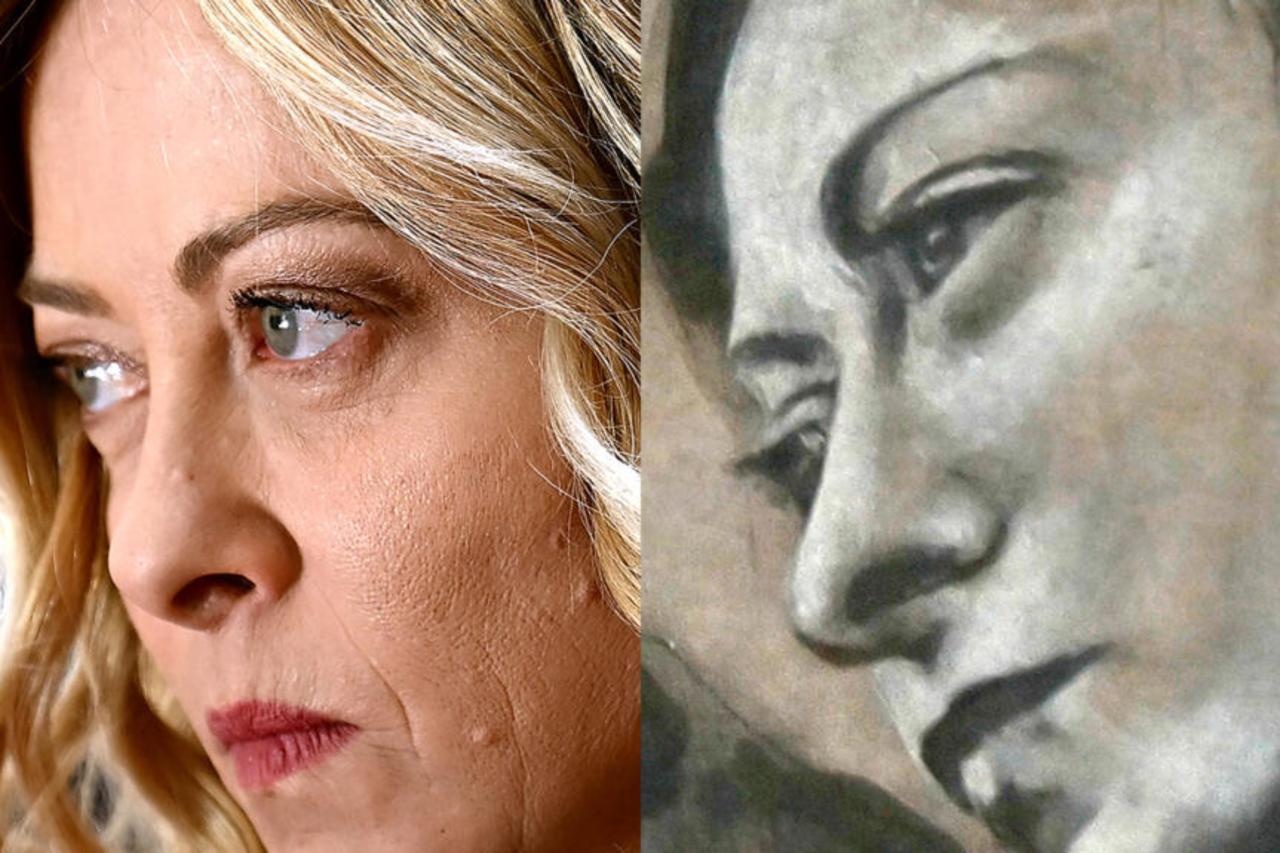


A fresco depicting an angel that many observers said resembled Italian Prime Minister Giorgia Meloni has been removed from public view following restoration work at a historic basilica in central Rome, according to Italian media reports.
The case quickly turned into a nationwide talking point, blending art restoration, politics, and public curiosity in one of Italy’s best-known religious sites.
The fresco was located inside the Basilica of San Lorenzo in Lucina, a Roman Catholic church in the heart of the Italian capital that dates back to antiquity and has undergone multiple restorations over the centuries. Italian daily La Repubblica first reported on Jan. 31 that one of the angel figures in the restored artwork appeared to bear a facial resemblance to Meloni, who has served as Italy’s prime minister since 2022.
Following the report, the basilica reportedly saw a surge in visitors, many of whom came specifically to view the fresco and judge the likeness for themselves. The growing public interest quickly turned a routine restoration project into a subject of political and cultural debate across Italy.
The fresco’s restorer, Italian artist Bruno Valentinetti, firmly rejected suggestions that the angel was modeled after the prime minister. He explained that his role was limited to restoring a fresco that he had originally painted in 2000, and that no contemporary political figure had influenced the work.
Valentinetti’s comments were aimed at cooling speculation that the artwork had been altered to reflect Meloni’s features, a claim that continued to circulate as images and descriptions of the fresco spread through traditional and social media.
As the discussion gathered pace, Prime Minister Meloni addressed the issue directly on Instagram. In a lighthearted response, she said she was “certainly not an angel,” adding a laughing emoji to underscore the joke and distance herself from the controversy.
Shortly after the media attention intensified, the fresco was removed following the completion of the restoration work. Italian outlets reported that the decision effectively brought the episode to a close, ending a brief but lively debate that had drawn together art, religion, and modern politics in an unexpected way.


 Set as preferred source
 Set as preferred source


 3 min read