Newsletters


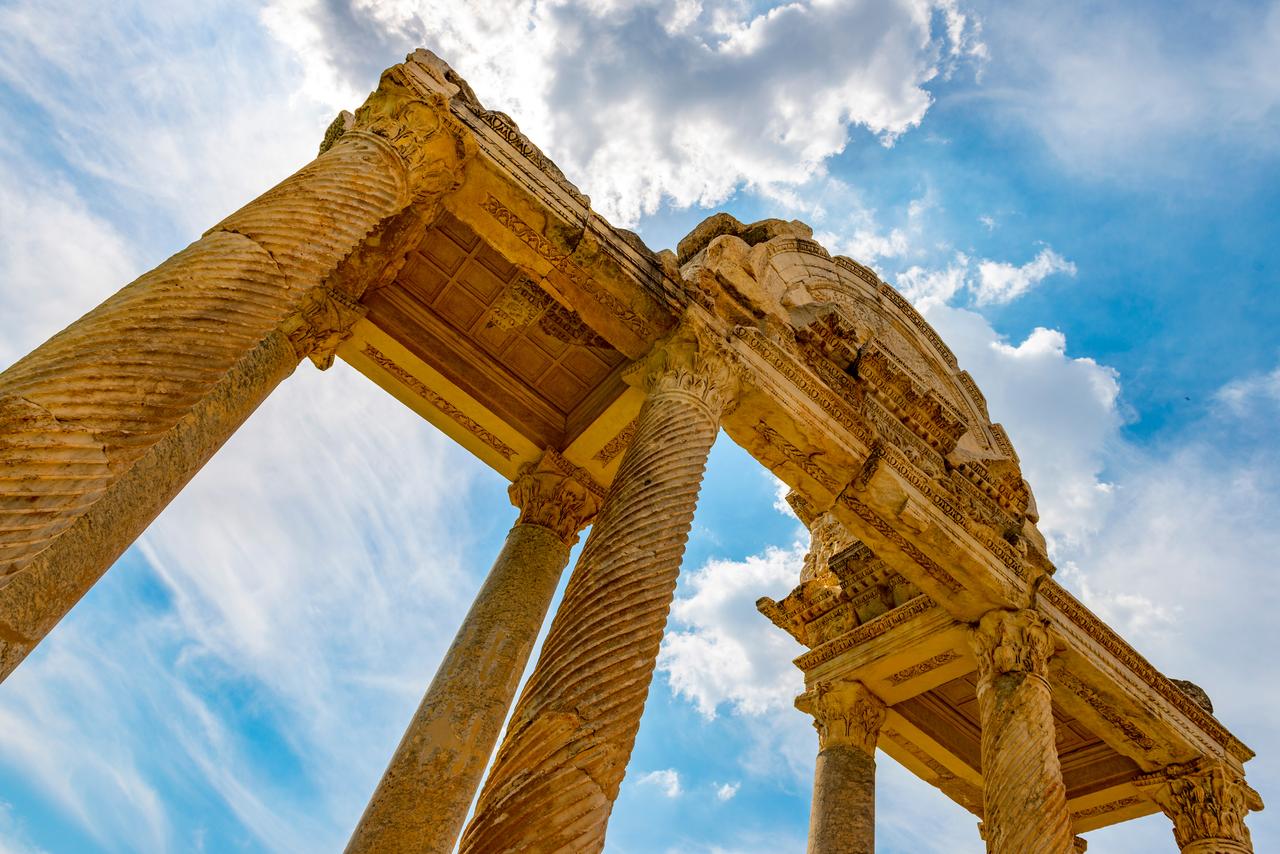
In 2025, Türkiye’s most visited museums and historical sites brought history and culture enthusiasts together. From the magnificent ancient city of Ephesus to the ancient ruins of Hierapolis, and from the mysterious underground cities of Cappadocia to the unique rock formations of the Goreme Open Air Museum, millions of visitors explored Türkiye’s rich cultural heritage and opened the doors to the past.
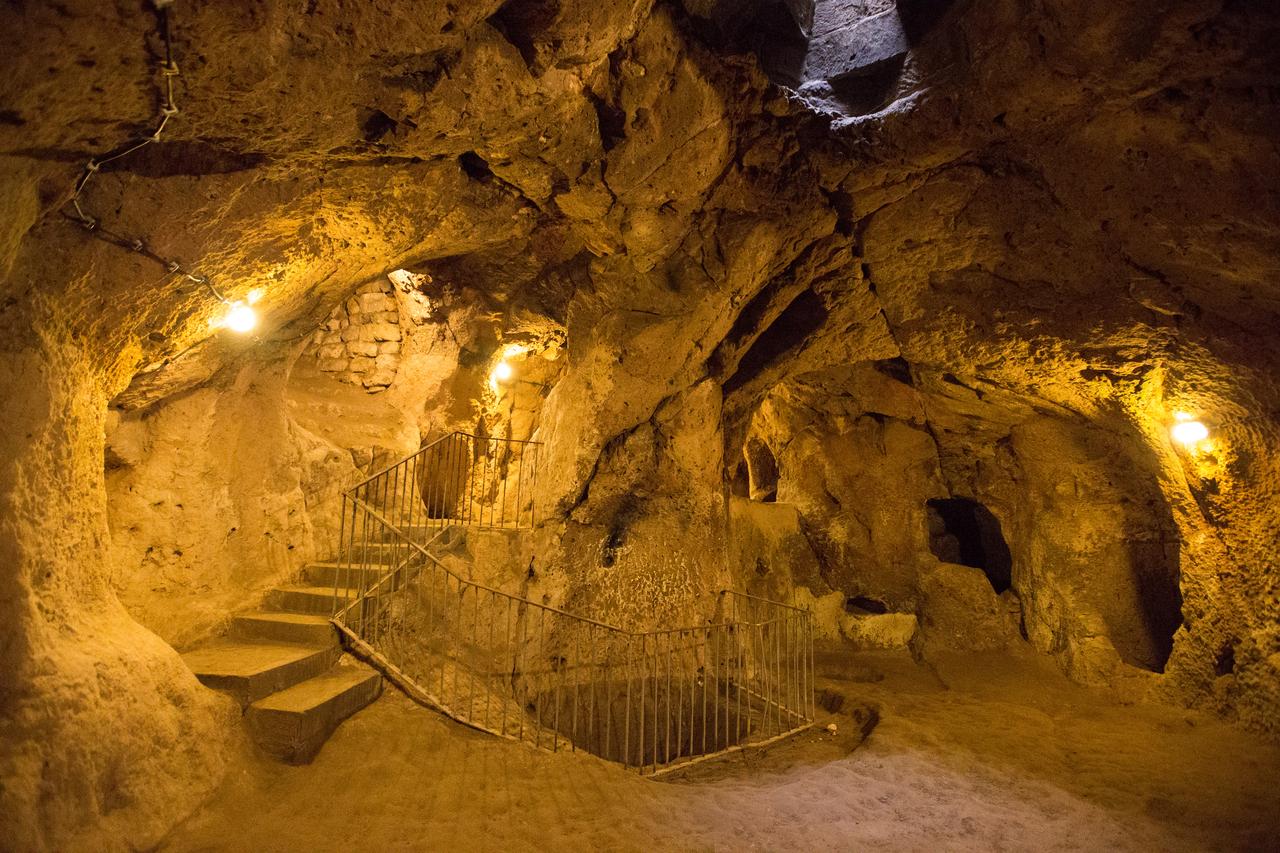
Derinkuyu Underground City ─ 375,870 visitors
Derinkuyu Underground City is one of the largest and deepest underground cities in Türkiye, located in Nevsehir province in the Cappadocia region. This ancient city reaches a depth of approximately 85 meters and consists of eight levels, although visitors today can explore only four of them. Dating back to the 8th–7th centuries B.C. during the Hittite and Phrygian periods, Derinkuyu was later used during the Roman and Byzantine eras. The underground city was built primarily to provide protection from attacks and to serve as a safe living space.
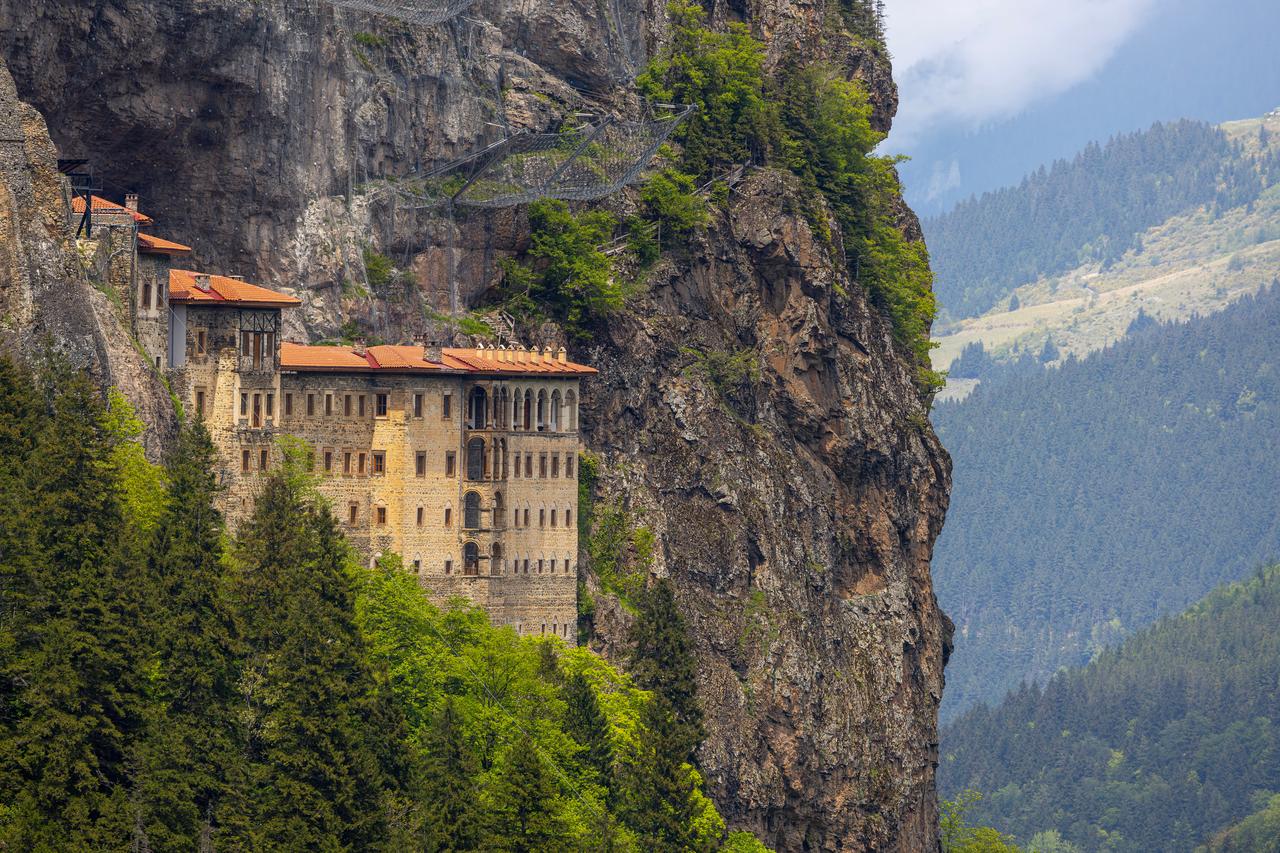
Sumela Monastery ─ 392,870 visitors
Sumela Monastery is an impressive structure built on the steep slopes of a mountain in Macka district, Trabzon province, in Türkiye’s Black Sea region. Believed to have been founded in the 4th century during the Byzantine era, the monastery served for centuries as both a place of worship and an educational center for Christian communities. Its location on sheer cliffs makes it remarkable both architecturally and visually, featuring churches, chapels, guesthouses, and storage rooms, along with interiors adorned with frescoes that captivate visitors.
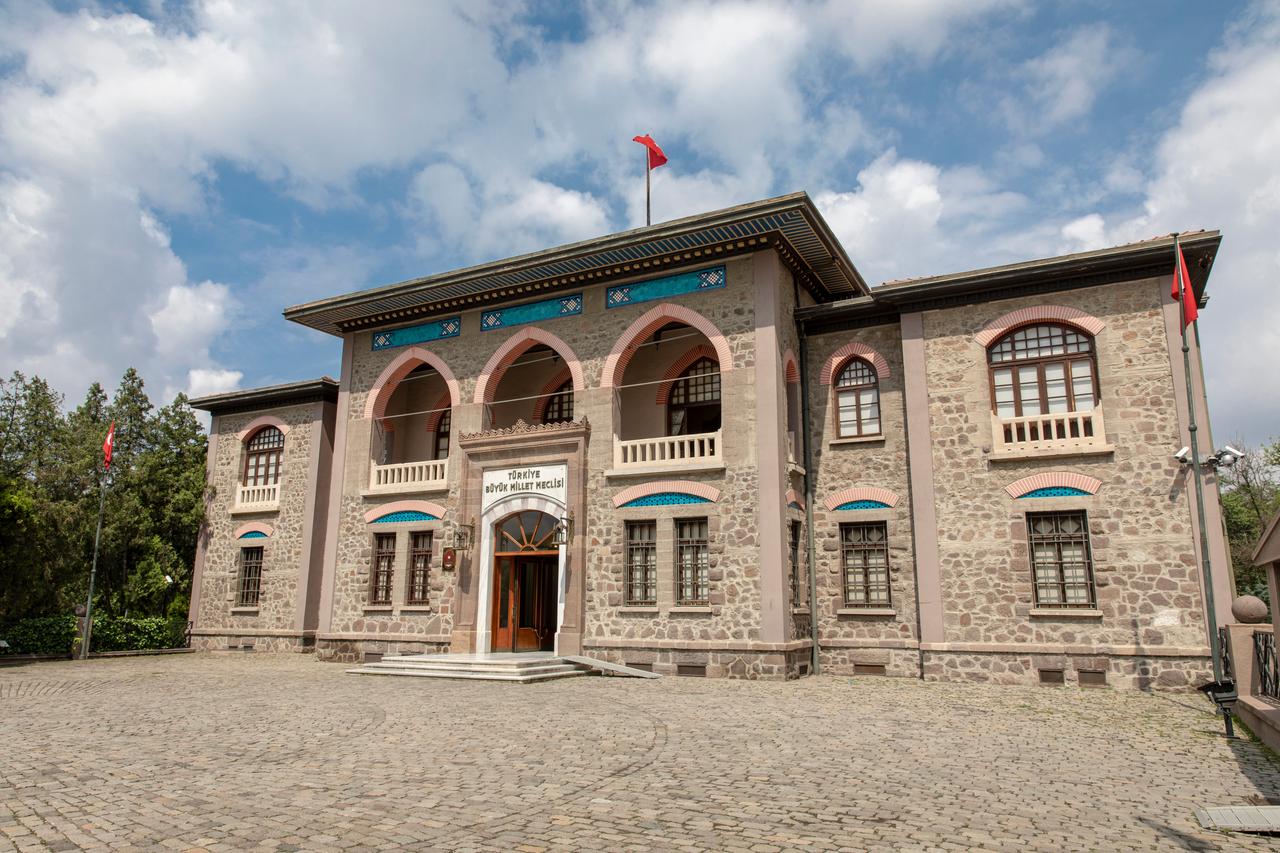
Museum of the Republic ─ 454,048 visitors
Located in Ankara, the Museum of the Republic (Cumhuriyet Museum) is housed in the former 2nd Grand National Assembly of Türkiye, which served as the parliament between 1924 and 1960. Designed by architect Vedat Tek, the building is a significant example of the First National Architectural Movement.
Opened as a museum in 1981, the Cumhuriyet Museum presents exhibitions on the early Republican period, focusing on Türkiye’s political life. The museum displays personal belongings of the spouses of the first three Turkish presidents, along with historical materials that reflect the social and political atmosphere of the early Republic.
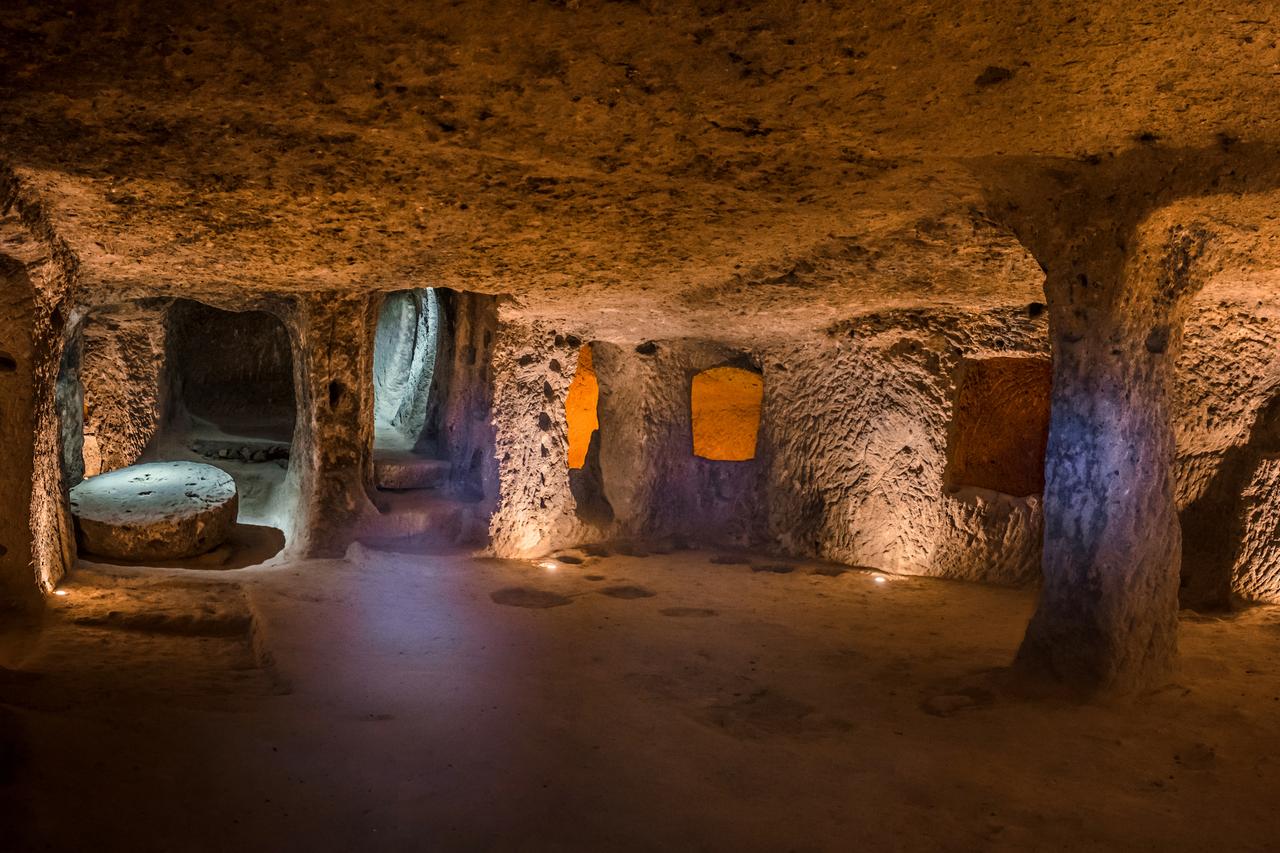
Kaymakli Underground City ─ 460,262 visitors
Kaymakli Underground City is a historic underground city located in the town of Kaymaklı, Nevsehir province, in Türkiye’s Cappadocia region. Like other underground cities in the area, Kaymakli was built for defensive purposes and served as a safe refuge for the local population for thousands of years. The city has a complex structure, with rooms, tunnels, storage areas, kitchens, churches, and chapels extending up to eight levels. Large stone doors and narrow passageways were designed to strengthen the city’s defense and provide protection against attacks.
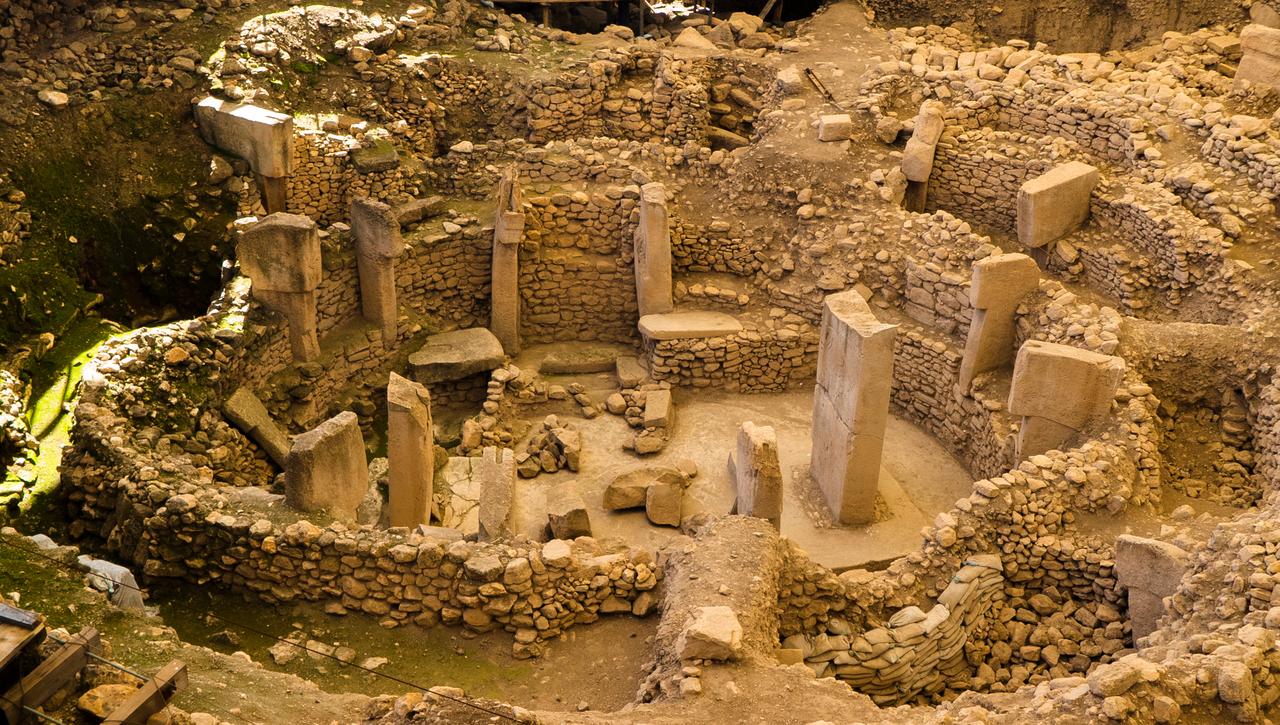
Gobeklitepe ─ 497,394 visitors
Gobeklitepe is an archaeological site located in Sanliurfa province, Türkiye, and is considered the oldest known ritual site complex in the world. Dating back to 9,600–8,200 B.C., Gobeklitepe provides important insights into human history and helps us understand the religious and social life of Stone Age societies. The site features circular temple structures made of massive stone pillars, many of which are decorated with animal carvings. Archaeological excavations have revealed that Gobeklitepe served as a center where prehistoric communities gathered to perform religious and ritual activities.
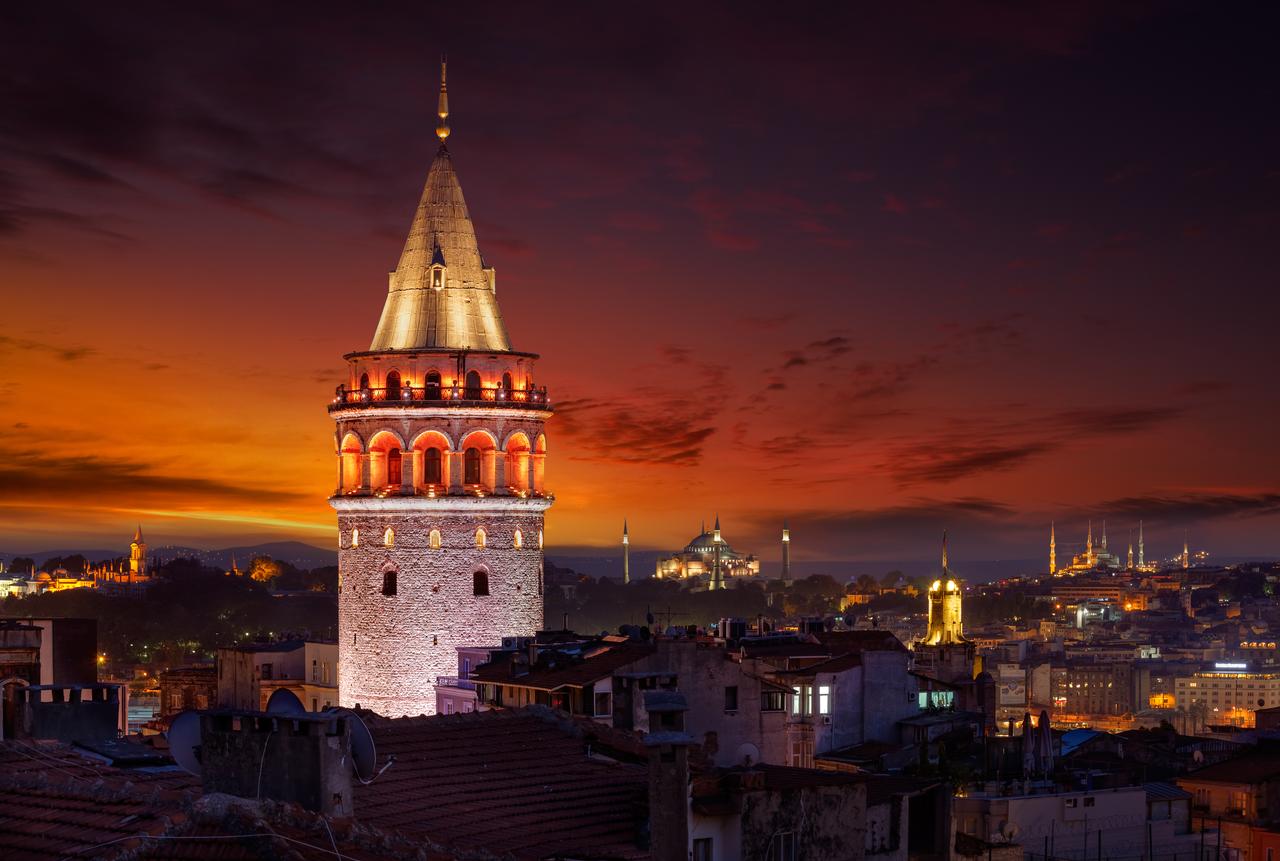
Galata Tower ─ 951,338 visitors
Galata Tower is a historic tower located in the Galata district of Beyoglu, Istanbul, and is one of the city’s iconic landmarks. Built in 1348 by the Genoese, the tower was originally used as a watchtower for defense purposes. From the 16th century onward, it also served various functions such as fire observation, a lighthouse, and a prison. Standing approximately 67 meters tall, Galata Tower offers visitors a unique experience with its panoramic views of Istanbul.
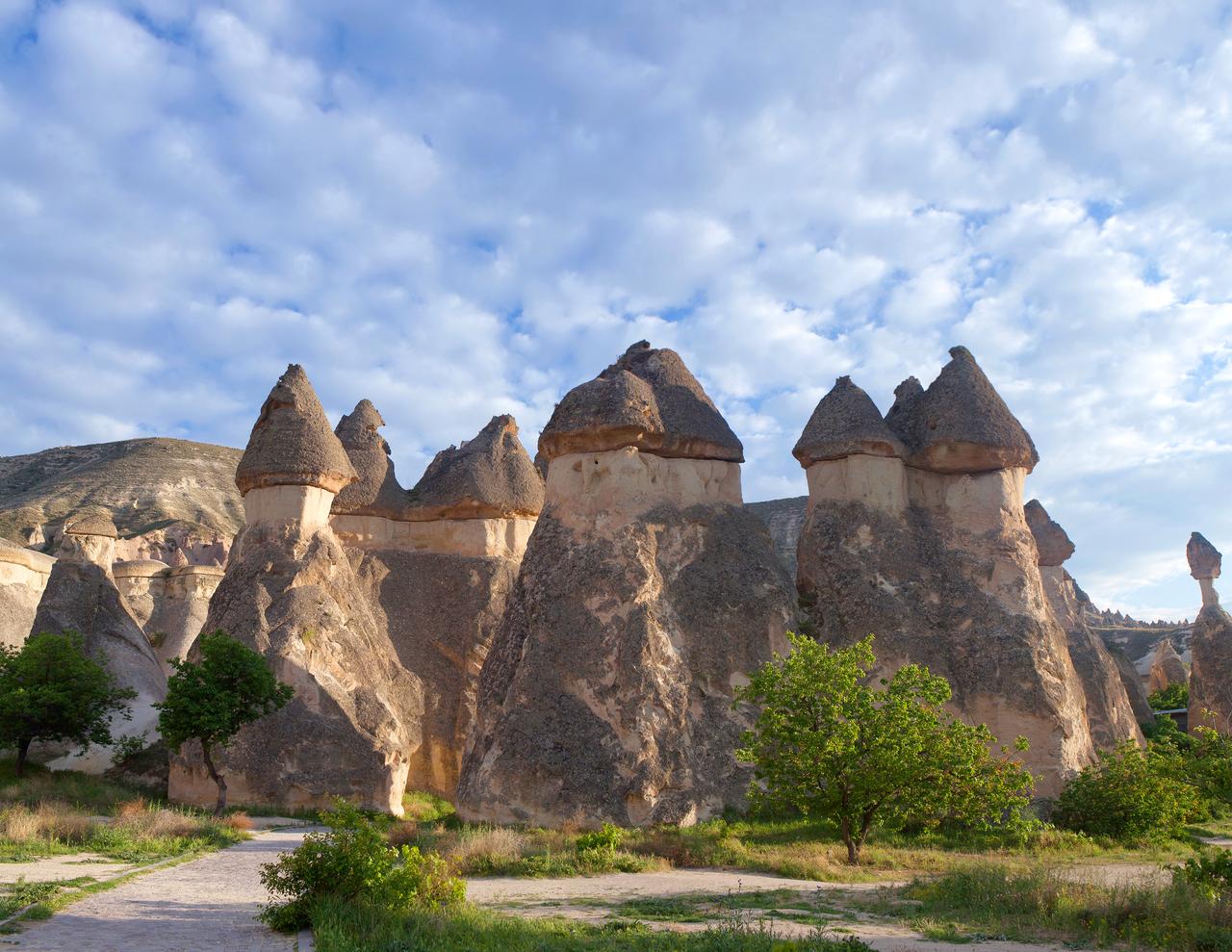
Zelve-Pasabaglar Archaeological Site ─ 1,141,219 visitors
Zelve-Pasabaglar Archaeological Site is a historic and natural area located in the Cappadocia region of Türkiye, near Avanos and Urgup in Nevsehir province. Zelve was used as a settlement during the Byzantine period, and its rock-cut houses, churches, and monasteries preserve the historical texture of the region to this day. Pasabaglar is particularly famous for its unique rock formations known as “fairy chimneys” and offers one of Cappadocia’s most iconic natural landscapes.
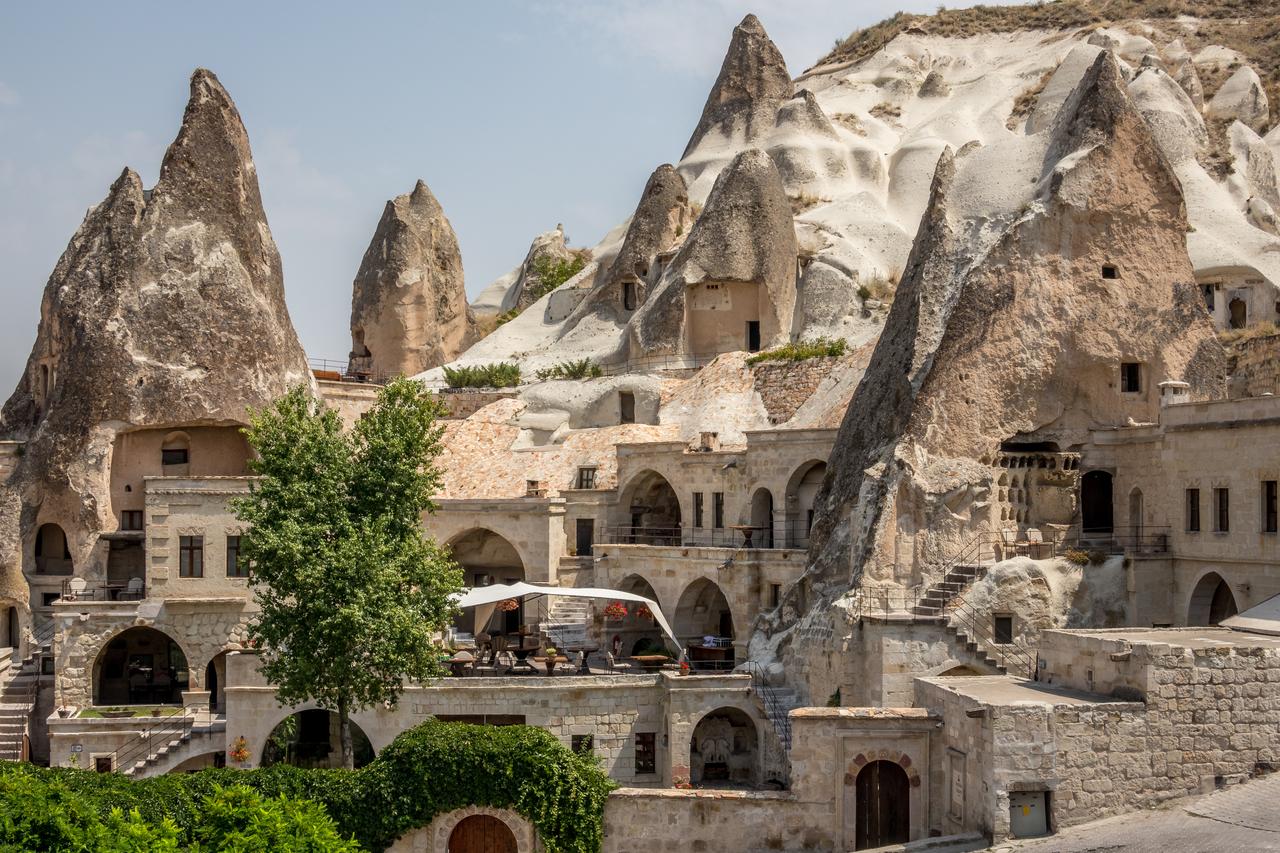
Goreme Open Air Museum ─ 1,184,285 visitors
The Goreme Open Air Museum is an important archaeological site located in the town of Goreme, Nevsehir province, in Türkiye’s Cappadocia region, and is listed as a UNESCO World Heritage Site. The area was used as a monastic complex during the early Christian period and features rock-cut churches, chapels, dining halls, and living spaces. The churches of Goreme, with their interiors adorned with frescoes, convey the religious life and artistic style of the era to the present day.
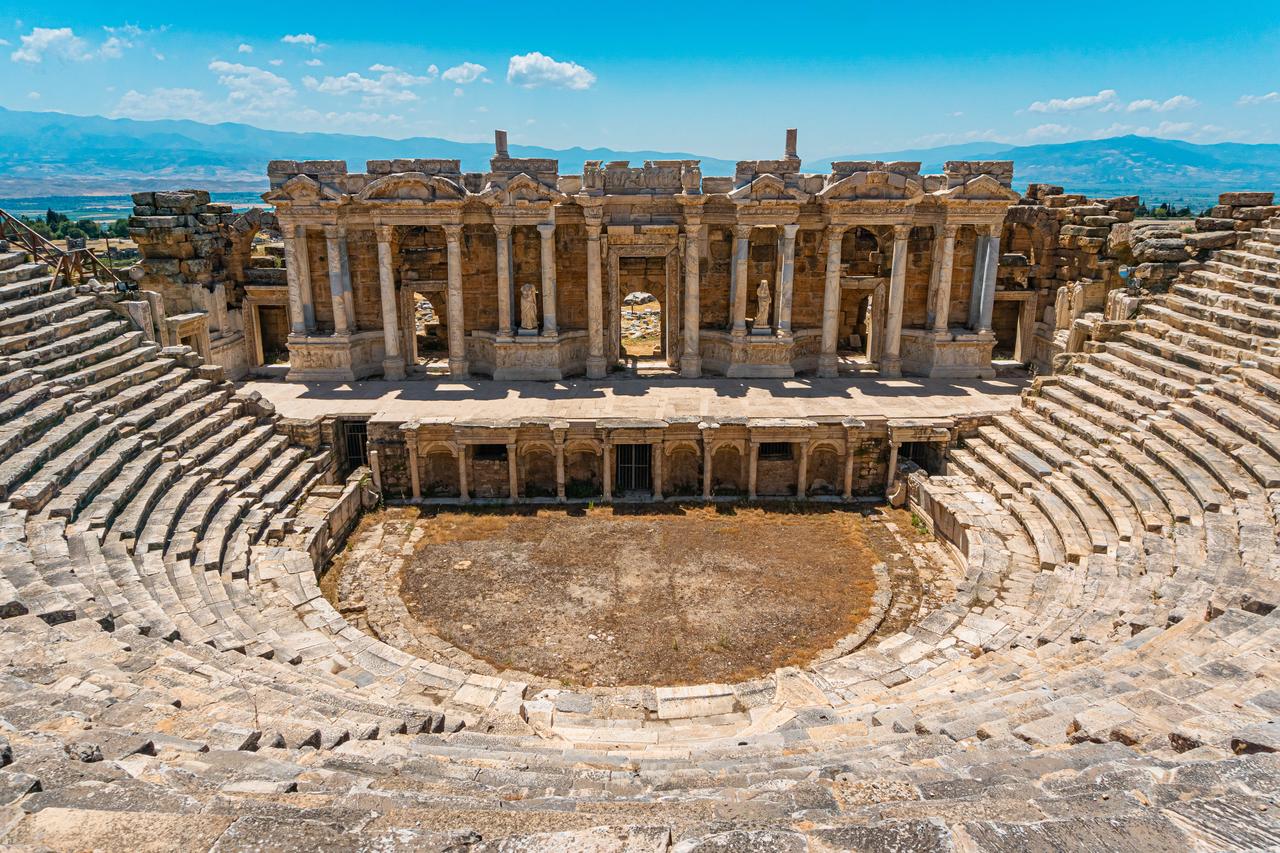
Ancient cit of Hierapolis ─ 2,299,914 visitors
Hierapolis is an ancient city located in Denizli province, Türkiye, situated right next to the Pamukkale travertines. Believed to have been founded in the 2nd century B.C. during the Pergamon Kingdom, the city later became an important cultural and religious center during the Roman and Byzantine periods. Hierapolis is notable for its ancient theaters, temples, necropolises, and baths, offering valuable insights into the social, religious, and cultural life of the era. The city was also known as a center for health and relaxation due to its hot springs and thermal structures.
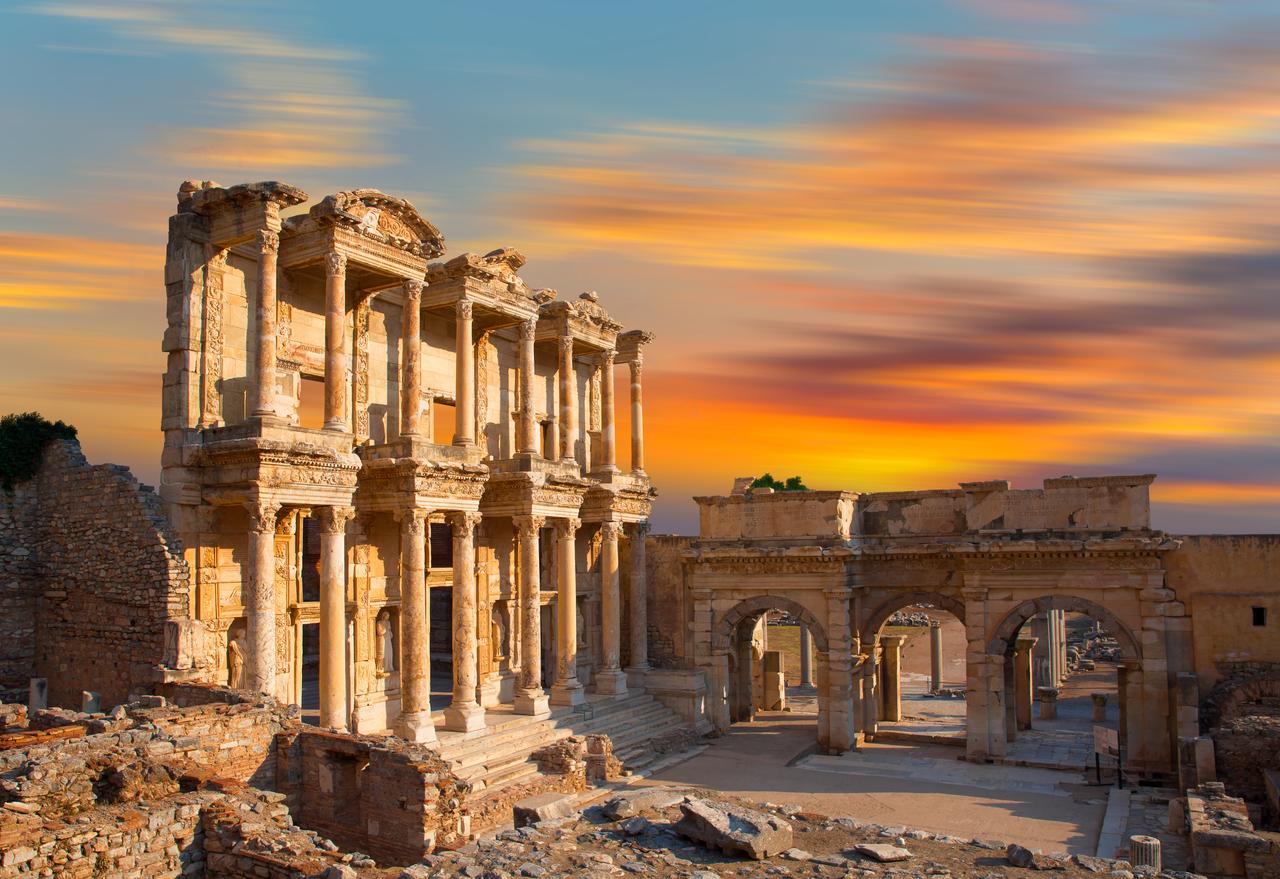
Ancient city of Ephesus ─ 2,550,458 visitors
The ancient city of Ephesus is one of the most important cities of the ancient world, located in the Selcuk district of Izmir province, Türkiye. Believed to have been founded in the 10th century B.C., Ephesus became a major center of trade, culture, and religion during the Roman period. The city is famous for its structures, such as the Temple of Artemis, the Library of Celsus, ancient theaters, the agora, and baths, providing valuable insights into the social, religious, and economic life of the era.

 1 min read


 Set as preferred source