Newsletters



Once celebrated for their vivid spring display of red flowers blooming on otherwise bare branches, Hong Kong's kapok trees, locally known as "hero trees," are showing signs of seasonal disruption as the city records its warmest winter on record, drawing concern from conservationists.

The kapok, also known as the red silk-cotton tree, is native to tropical and subtropical Asia including southern China.
Every spring, the trees draw large numbers of photographers for the striking contrast of bright red flowers against bare branches, a contrast that is becoming harder to find.
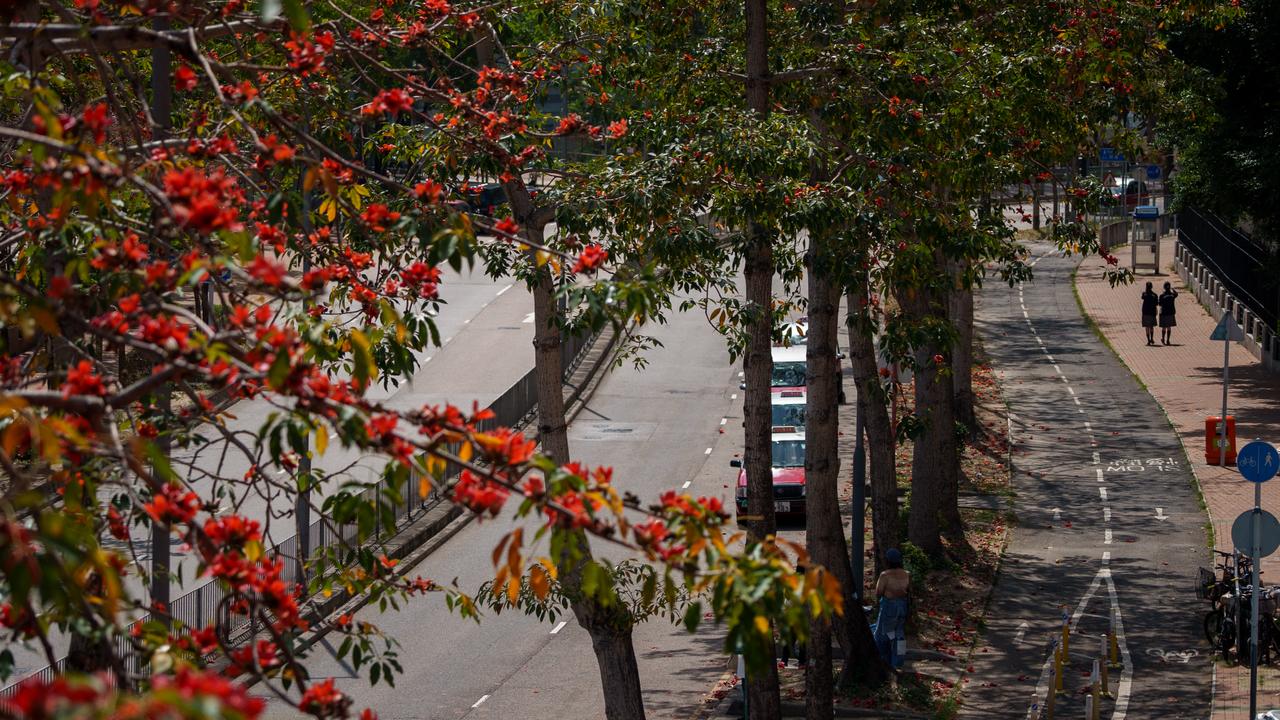
Ecologist Angie Ng of local NGO The Conservancy Association says the trees appear to be blooming approximately two weeks earlier than usual this year.
She attributes the shift to climate factors including changes in temperature and moisture tied to warming winters across the region.
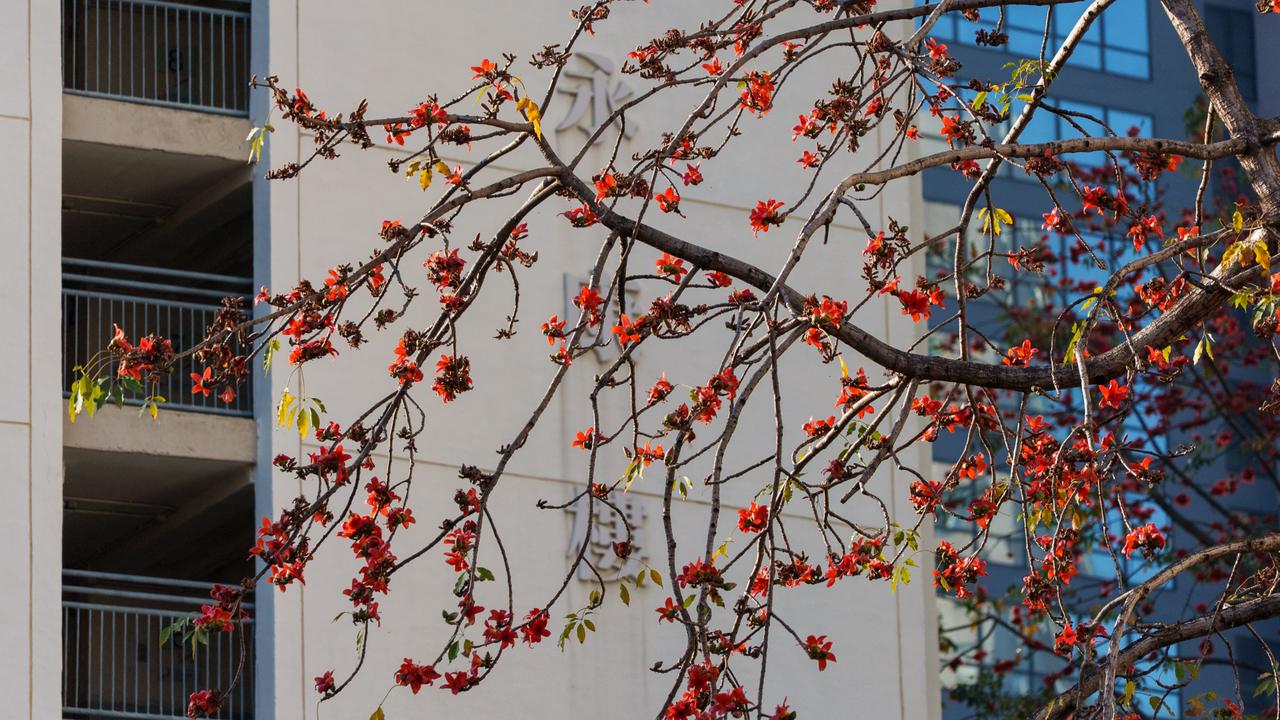
The simultaneous presence of flowers and foliage on the same branches, once rare, has become increasingly common over the past decade.
Lam Chiu-ying, former director of the Hong Kong Observatory, says warmer winters are preventing the trees from shedding their leaves on schedule before the blooming season begins.
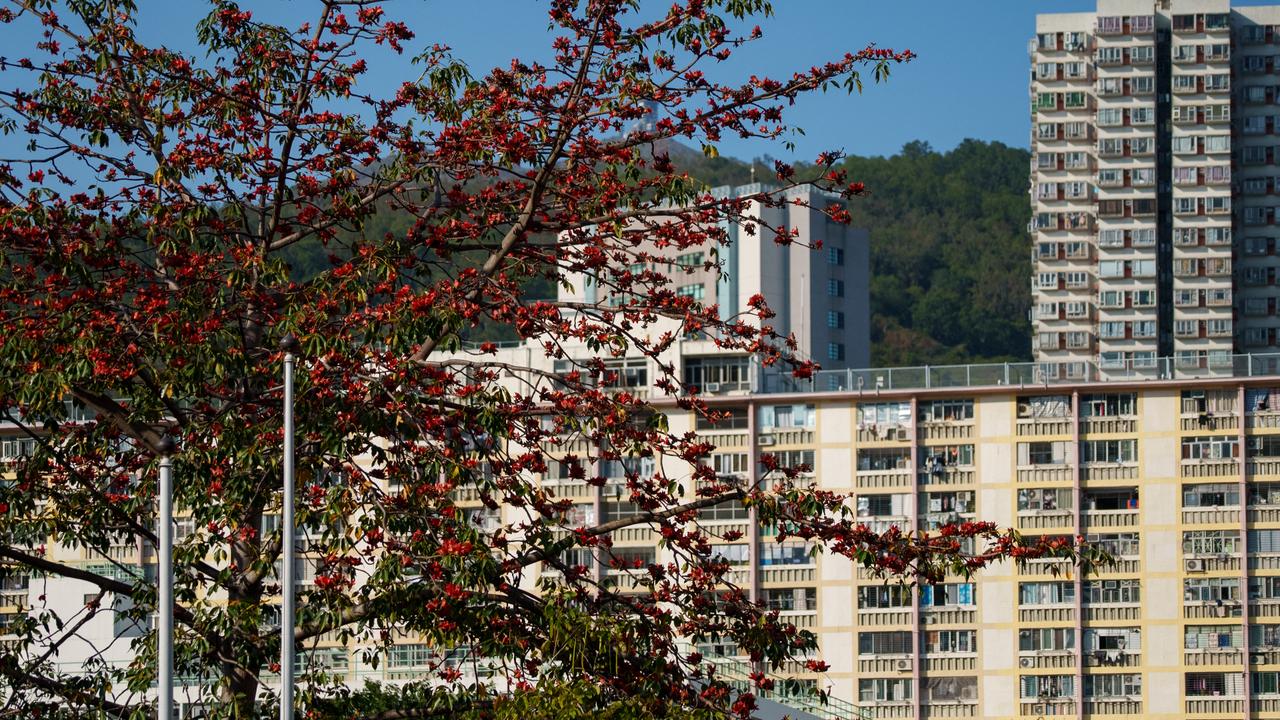
When forced to sustain old leaves while producing new flowers, the trees must divide their resources. Researchers say this strain may result in fewer and smaller blooms as seasons continue to shift, diminishing the spectacle the trees have long been known for.
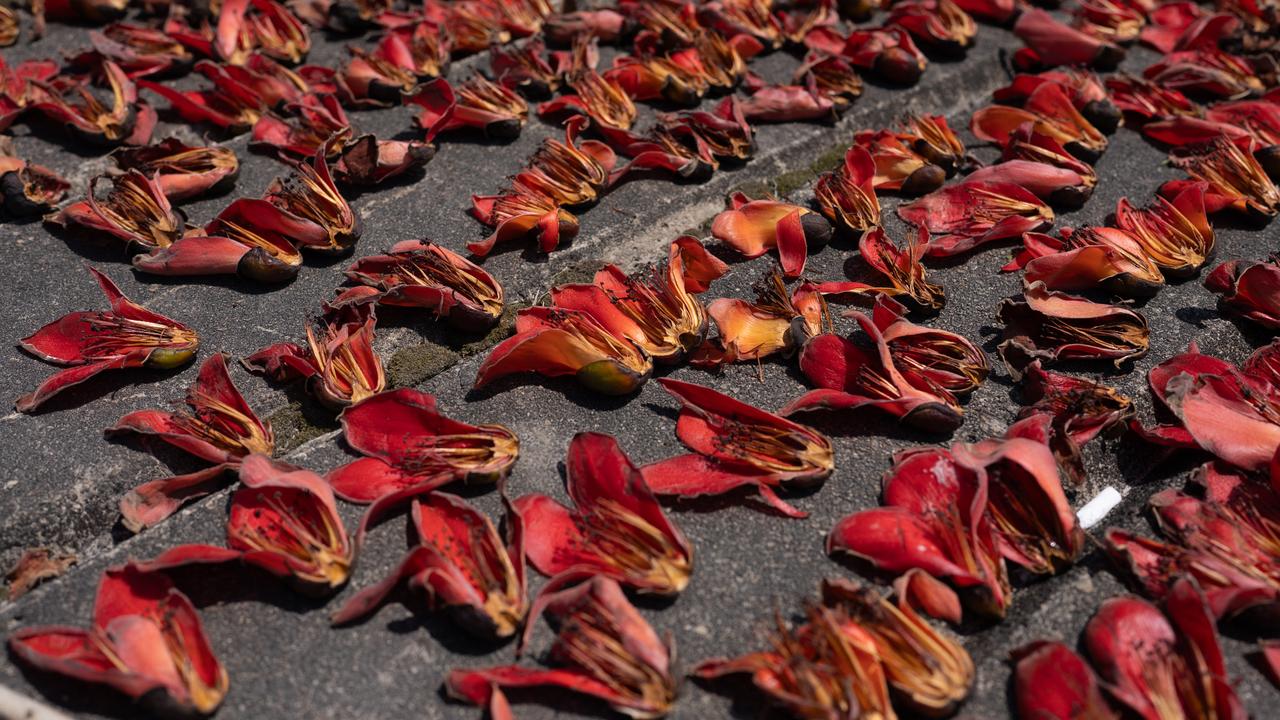
Hong Kong has recorded a mean winter temperature of 19.3 degrees Celsius from December to February, two degrees above normal, the warmest winter in the city's recorded history, according to the Hong Kong Observatory. Lam says the shift in the trees' springtime appearance has become increasingly common over the past decade due to warming winters caused by climate change
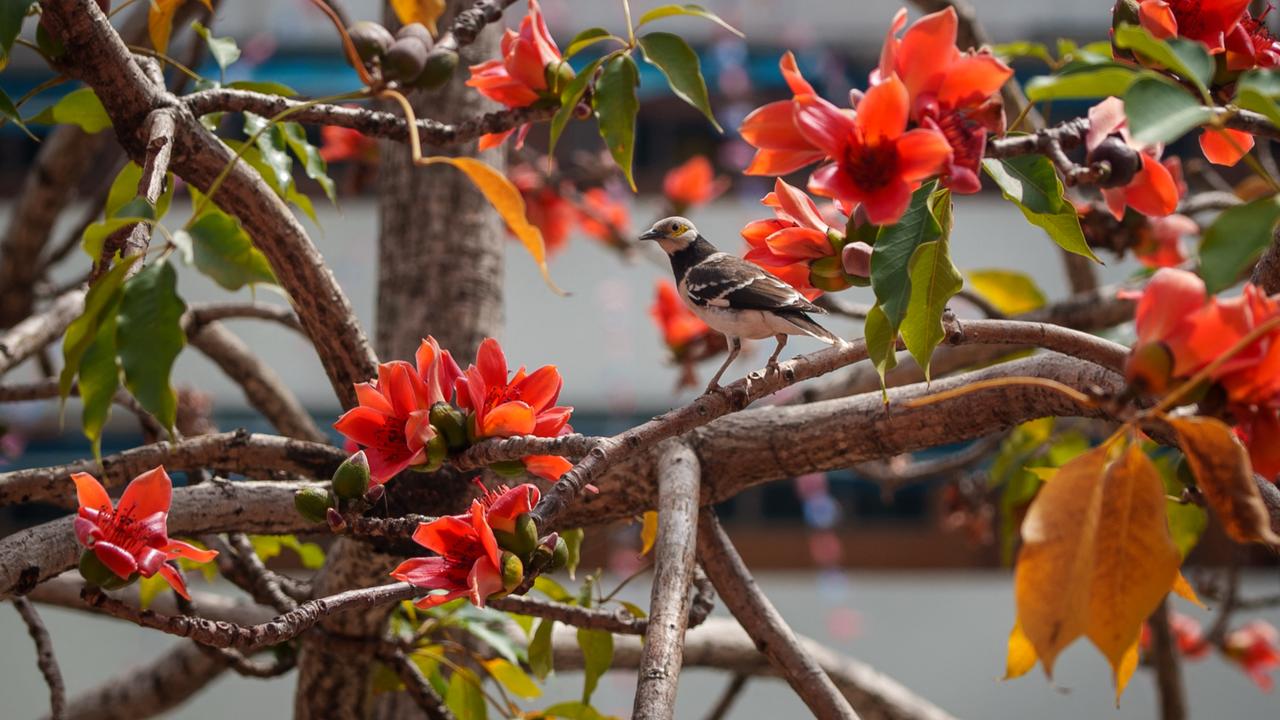
The blooms provide nectar for birds and pollen for bees, making the kapok a critical node in the local food web.
As flowering patterns shift and overall bloom volume decreases, researchers warn that the disruption extends well beyond the trees themselves.

Ecological processes as functioning like "an intricate web." When the timing of animals and plants falls out of alignment, ripple effects move through entire ecological chains, affecting not only species directly dependent on the kapok but broader wildlife communities connected to them.

 1 min read


 Set as preferred source