Newsletters


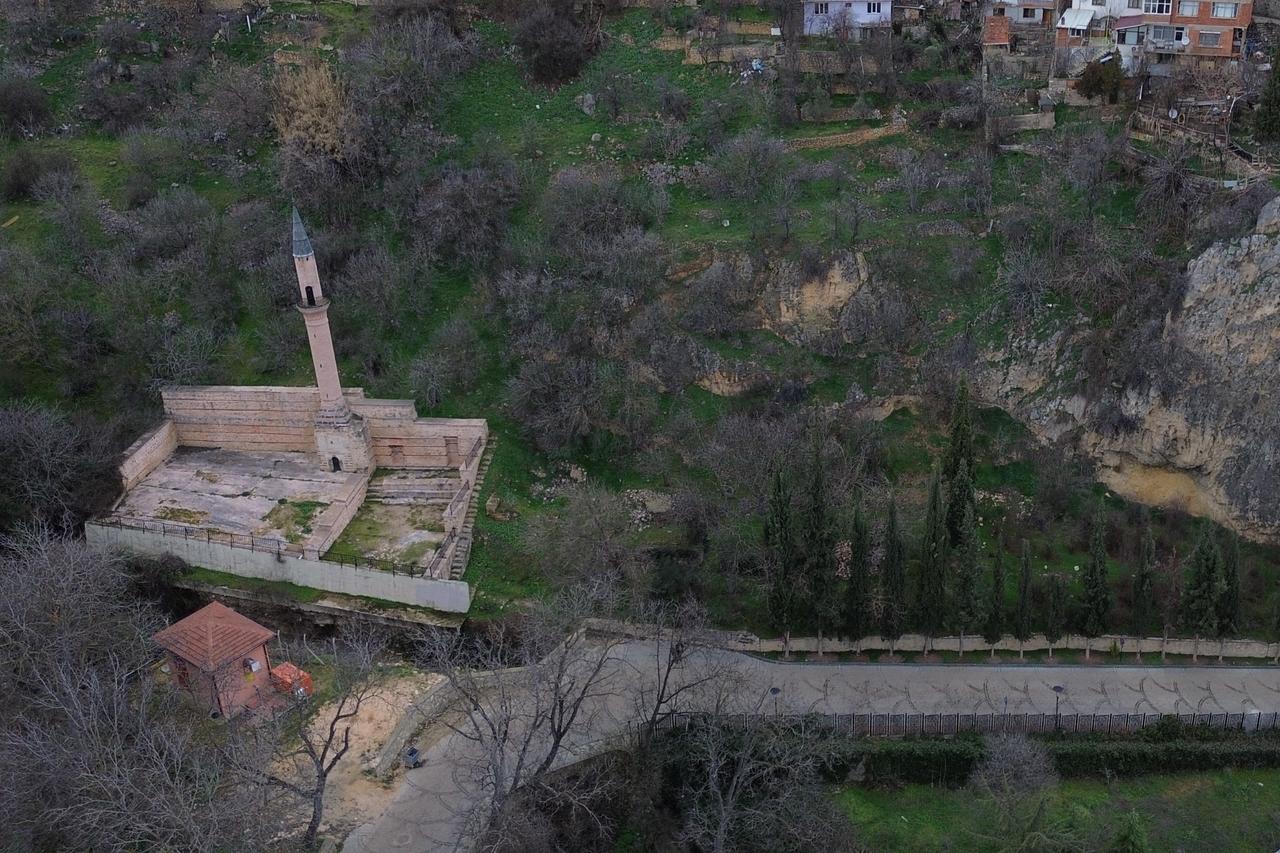


Osman I, the founder of the Ottoman state, may no longer have a standing house in Bilecik, but Turkish researchers have now formally pinned down where it once stood. Based on archival records, eyewitness testimony, a 19th-century oil painting, and fieldwork, the site where his home was believed to have been located inside the Sheikh Edebali Complex in Bilecik was officially registered as a cultural heritage asset in 2025.
Professor Taner Bilgin, head of the history department at Bilecik Seyh Edebali University (BSEU), said his research process began after meeting Celal Devecioglu in 2005.
Devecioglu, who was in his early teens during the Turkish War of Independence period, passed on a local account that Osman I had a house on the land of the Sheikh Edebali Complex, and that it was later destroyed during the Greek occupation in that era.
From that point on, Bilgin followed up by tracking down references across different sources in order to work out the precise location of the house.

Bilgin said a key lead came in 2006 during a visit to Berlin, where he went to a painting exhibition and came across an oil painting dated to 1891. The work had been painted by the wife of a German worker who had been employed on railway construction in Bilecik during the reign of Sultan Abdulhamid II, and it depicted Osman I’s house as it appeared at the time, as presented by the couple’s descendants at the exhibition.
Later, while continuing research at the Presidency of the Republic of Türkiye State Archives, Bilgin reported finding a further document in 2011: an April 1911 record sent by the Bilecik Mutasarriflik (governor's office) to the Interior Ministry regarding renovation work for Osman I’s house.
Bilgin also drew on a book written in Ottoman Turkish in 1935 by former Bilecik mayor Necmi Kadioglu, titled “Bilecik History and Geography Study.” In that text, the house was described as a two-storey structure featuring a gilded ceiling and carved wooden elements.
Using the documents he had gathered, Bilgin applied last year to the Bilecik Governorship so the presumed location inside the complex could be formally recorded.
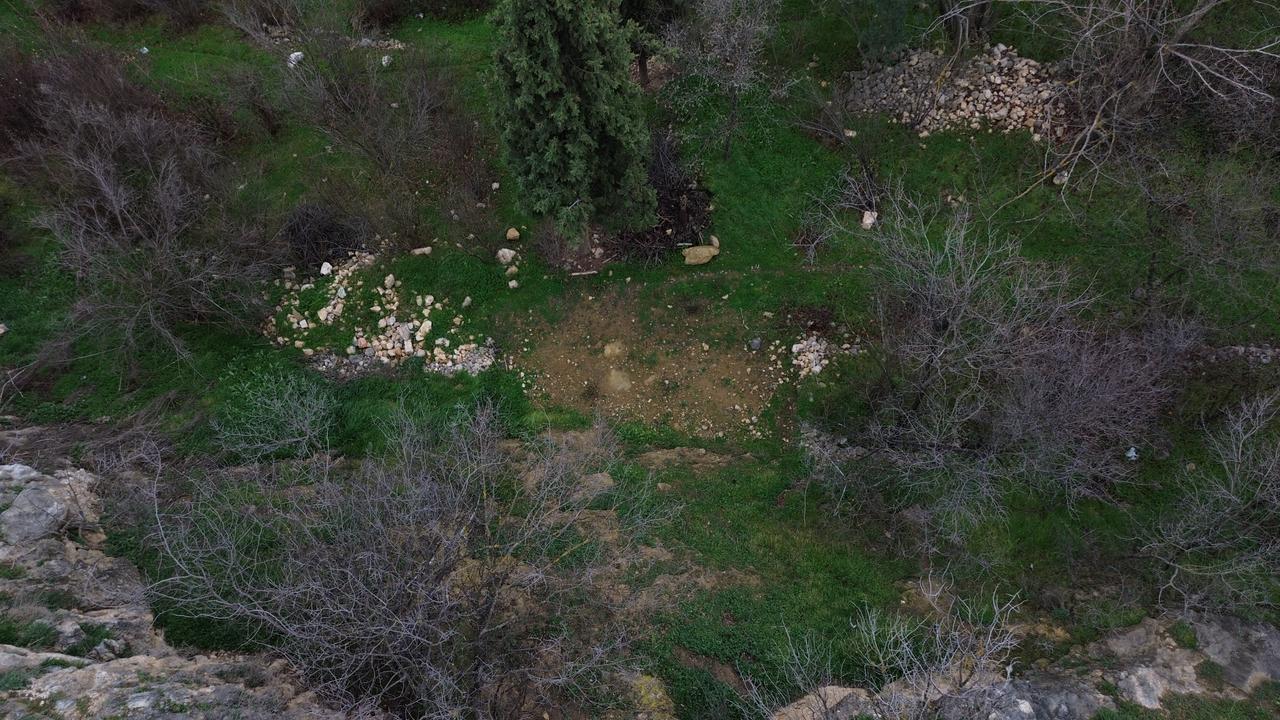
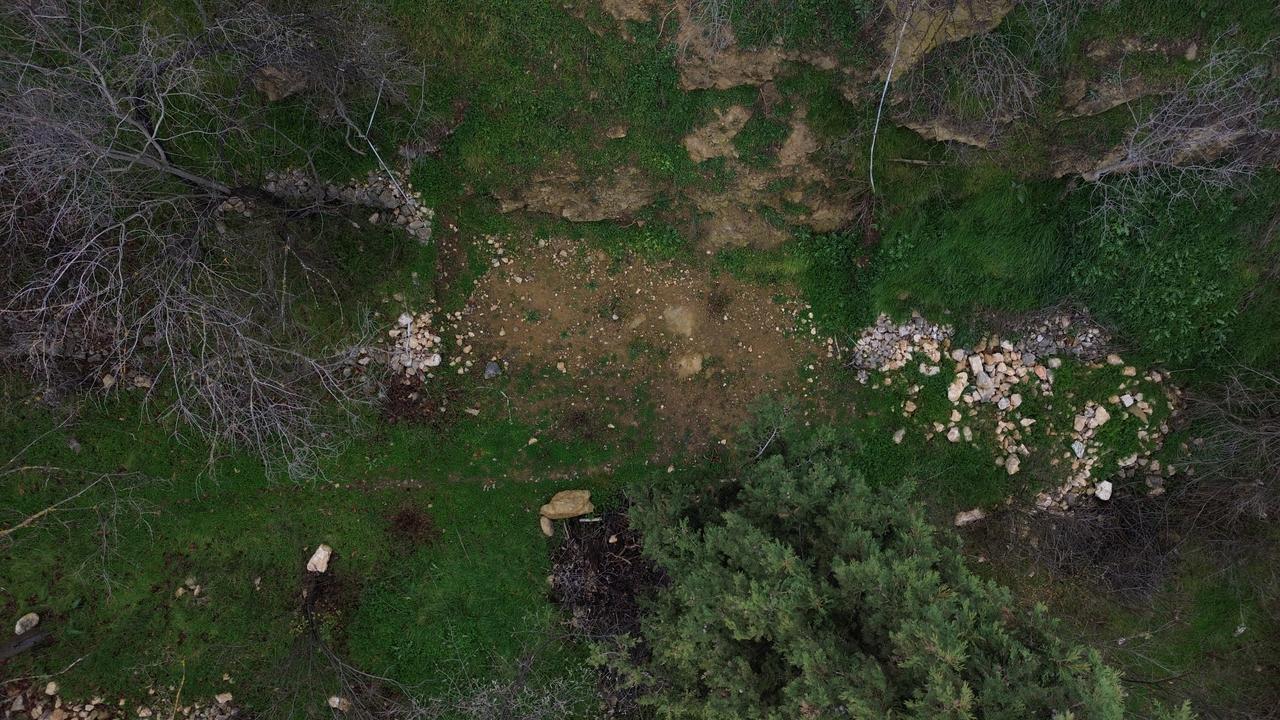
Following on-site studies carried out on the complex grounds by the Eskisehir Regional Council Directorate for the Protection of Cultural Assets, the house’s existence, location, and architectural features were registered in 2025. The team also reviewed title records held by the council and determined that the land was a waqf, meaning a charitable endowment property under Islamic law.
Bilgin said a 40-square-meter area has now been registered specifically as “the place where Osman I’s house was located,” adding, “I hope we can revive this two-storey house.”
Bilgin described Bilecik as a land that hosted the birth of the Ottoman state, recalling that many buildings constructed around and after 1299 did not survive into the present day.
He linked this loss to the extensive destruction Bilecik suffered during the Turkish War of Independence years.


 Set as preferred source
 Set as preferred source



 1 min read