Newsletters


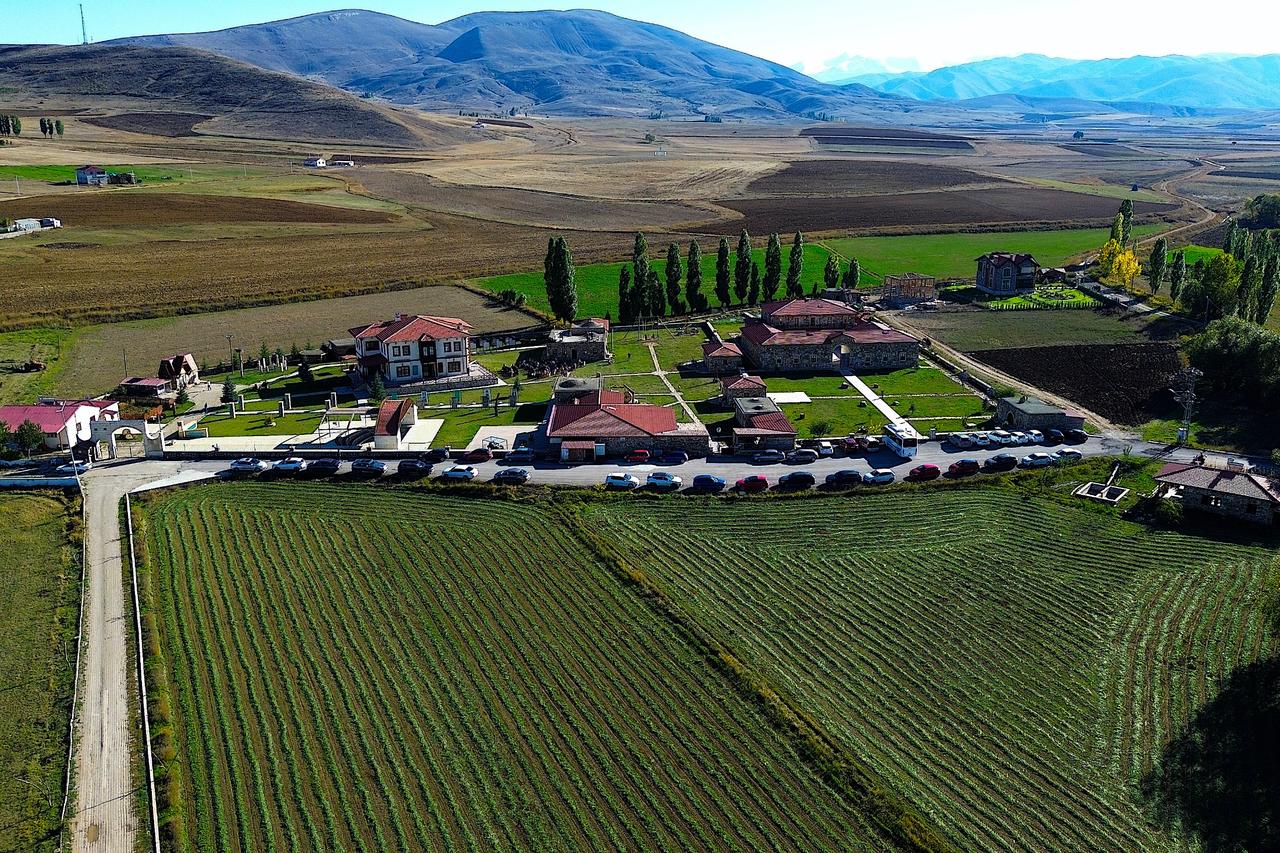


The Kenan Yavuz Ethnography Museum, located in a village in Türkiye's northeastern province of Bayburt, has received its fourth European award, bringing its total to five major honors over the past five years.
The museum was presented with the "Widen Your Scope" Award for inclusivity by the European Museum Academy (EMA) at a ceremony in Spain attended by nearly 100 museums from 24 countries.
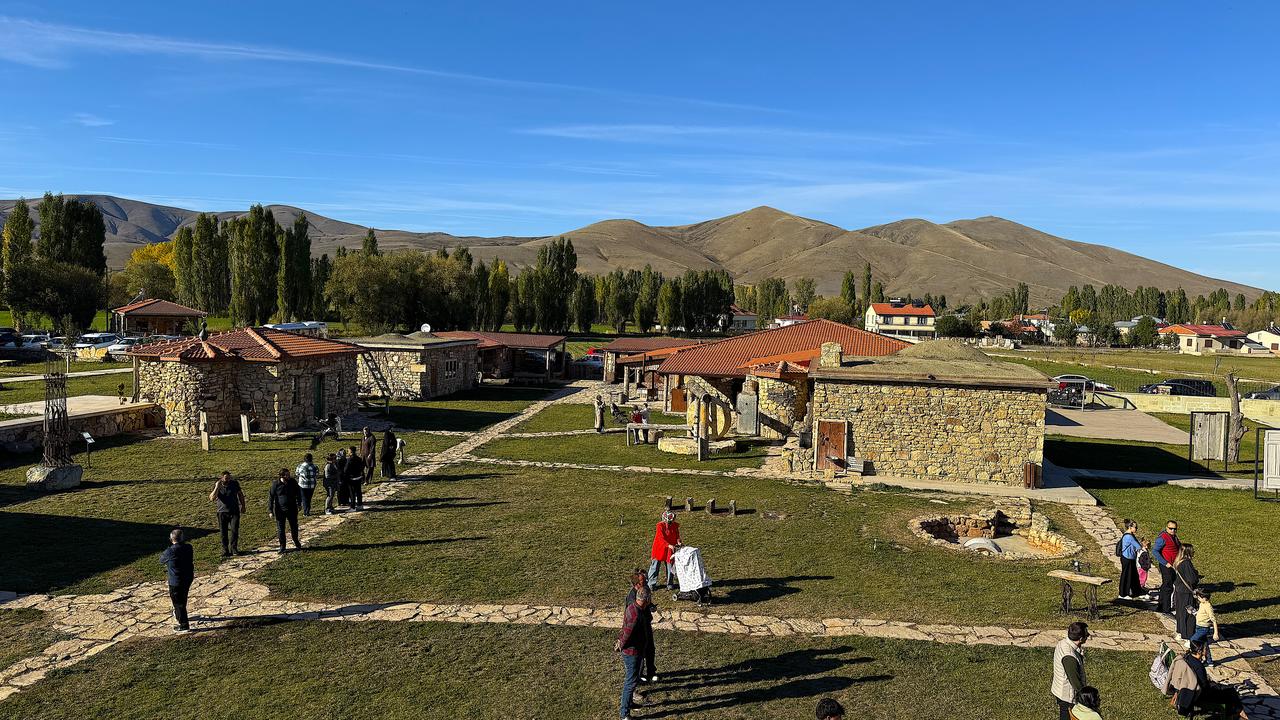
Founded by businessman Kenan Yavuz in 2013 in his home village of Bespinar, approximately 45–50 kilometers from Bayburt's provincial center, the museum preserves Anatolia's traditional way of life, architecture and cultural heritage.
Originally established as a cultural house, it gained official private museum status in 2019 and now covers 25,000 square meters, featuring 26 distinct spaces that showcase traditional tools, household objects and examples of stone and wooden architecture.
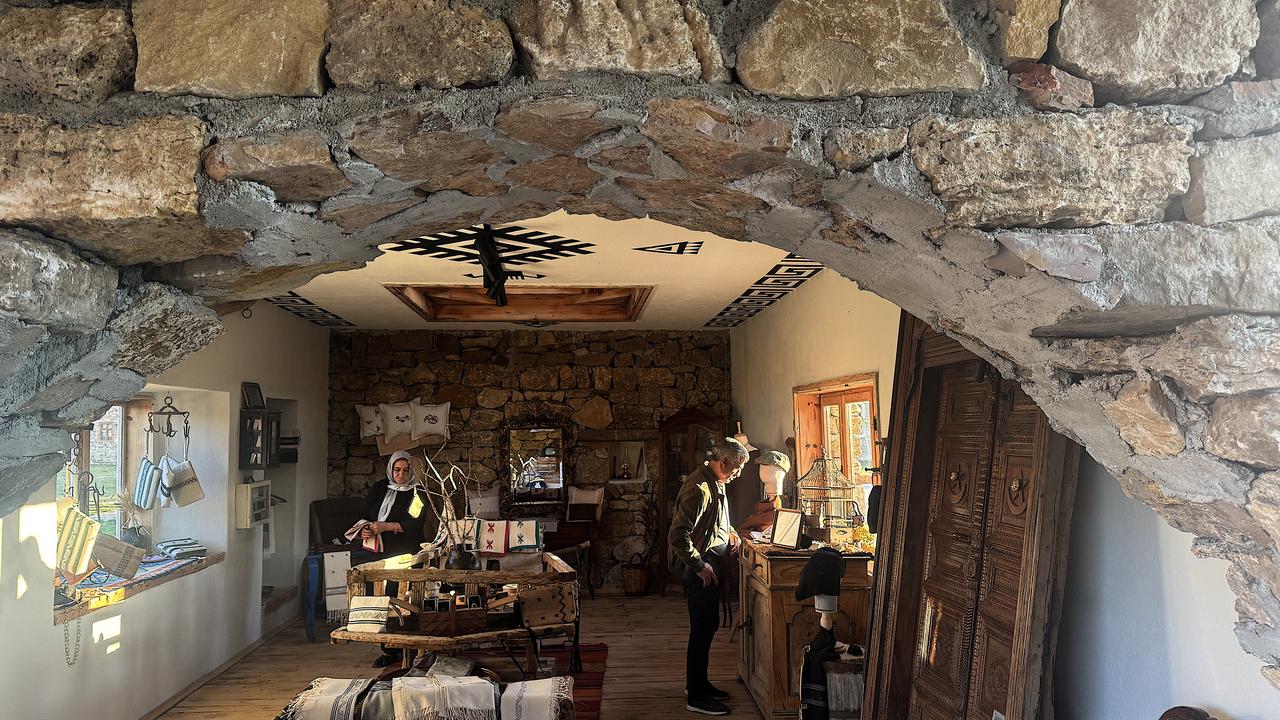

The museum's international recognition began in 2021 when it received the Silletto Award at the European Museum of the Year Awards. It went on to win the European Union's Europa Nostra Grand Prix in 2022.
In 2023, the institution received the Bixen Tourism Design Grand Prix, a joint UNESCO-Slovenia initiative, alongside a Special Award from Türkiye's Ministry of Culture and Tourism.
Its latest recognition from the European Museum Academy brings the museum's total to four European awards and one national award.
Speaking to Anadolu Agency (AA), founder Kenan Yavuz described the achievement as a milestone, saying the museum had become a "five-star museum" after securing five major awards in five years.
Yavuz attributed the recognition to the museum's distinctive identity, traditional Anatolian architecture and efforts to keep disappearing customs alive through experiences that visitors can take part in.
He emphasized that the institution had developed its own approach rather than following existing museum models, allowing visitors to experience Anatolia's traditions of hospitality, sharing and community life.
According to Yavuz, the museum has received numerous proposals for cooperation and partnerships from foreign museums, with plans to expand international collaborations next year.
He also highlighted the importance of international awards in raising awareness of a cultural institution based in a rural village far from Türkiye's major cities.
Although the awards carry no financial prizes, Yavuz said they have helped the museum gain visibility both domestically and internationally, drawing attention to Bayburt and its cultural heritage.
The museum expects to welcome more than 50,000 visitors in 2026 as interest continues to grow. Alongside its permanent cultural displays, it brings together local communities and visitors through concerts, festivals and other events celebrating Anatolia's living traditions.


 Set as preferred source
 Set as preferred source


 2 min read