Newsletters


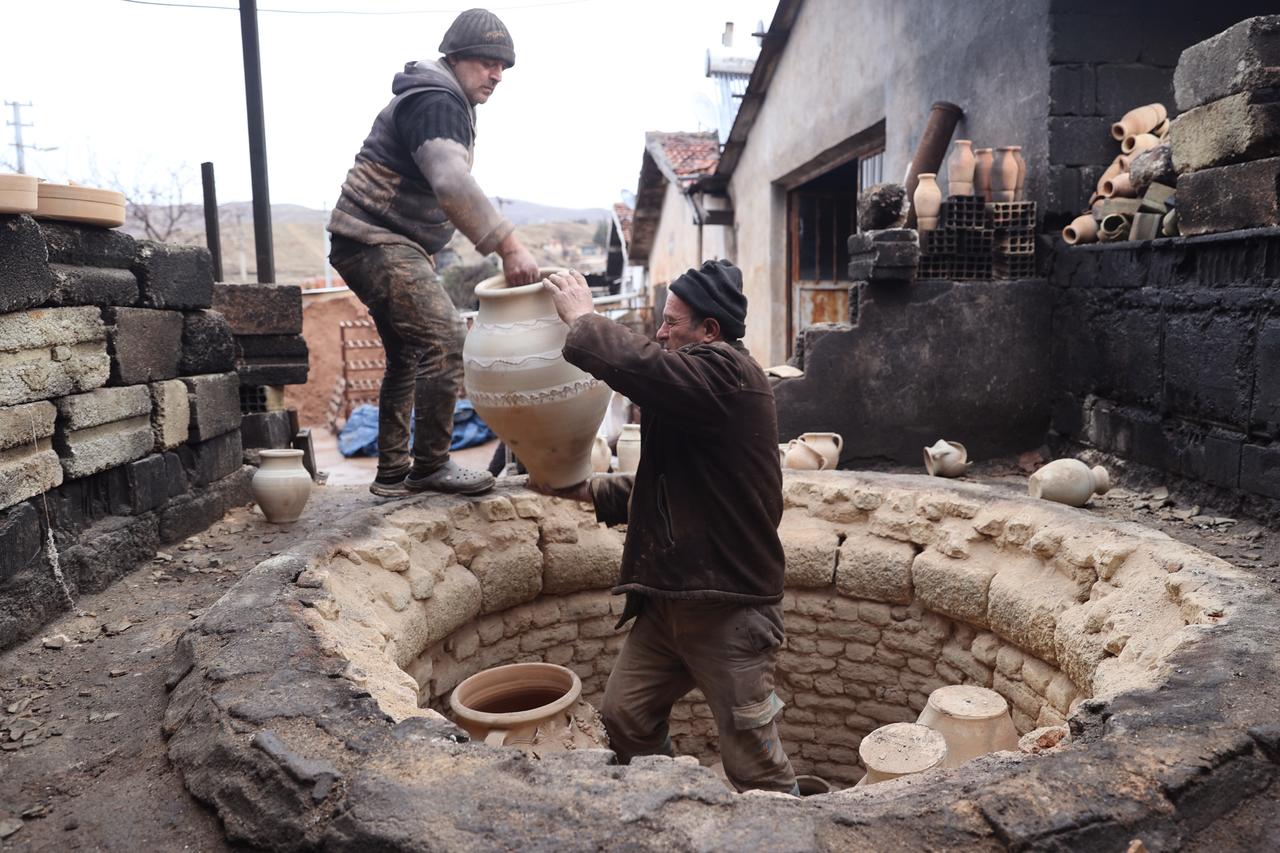


In the historic pottery town of Avanos, Nevsehir, the Yorgun family has spent generations mastering the art of shaping clay.
Using alluvial soil carefully collected from the old beds of the Kizilirmak River, Türkiye’s longest river that flows entirely within its borders, they create exquisite handmade ceramics, preserving a centuries-old craft that has been passed down from fathers to sons for five generations.
Family members extract and refine the clay using traditional methods learned from their forebears, shaping it by hand and on the potter’s wheel.
The workshop produces a wide range of items, including traditional vessels and modern kitchenware, responding to contemporary demand while maintaining longstanding techniques.
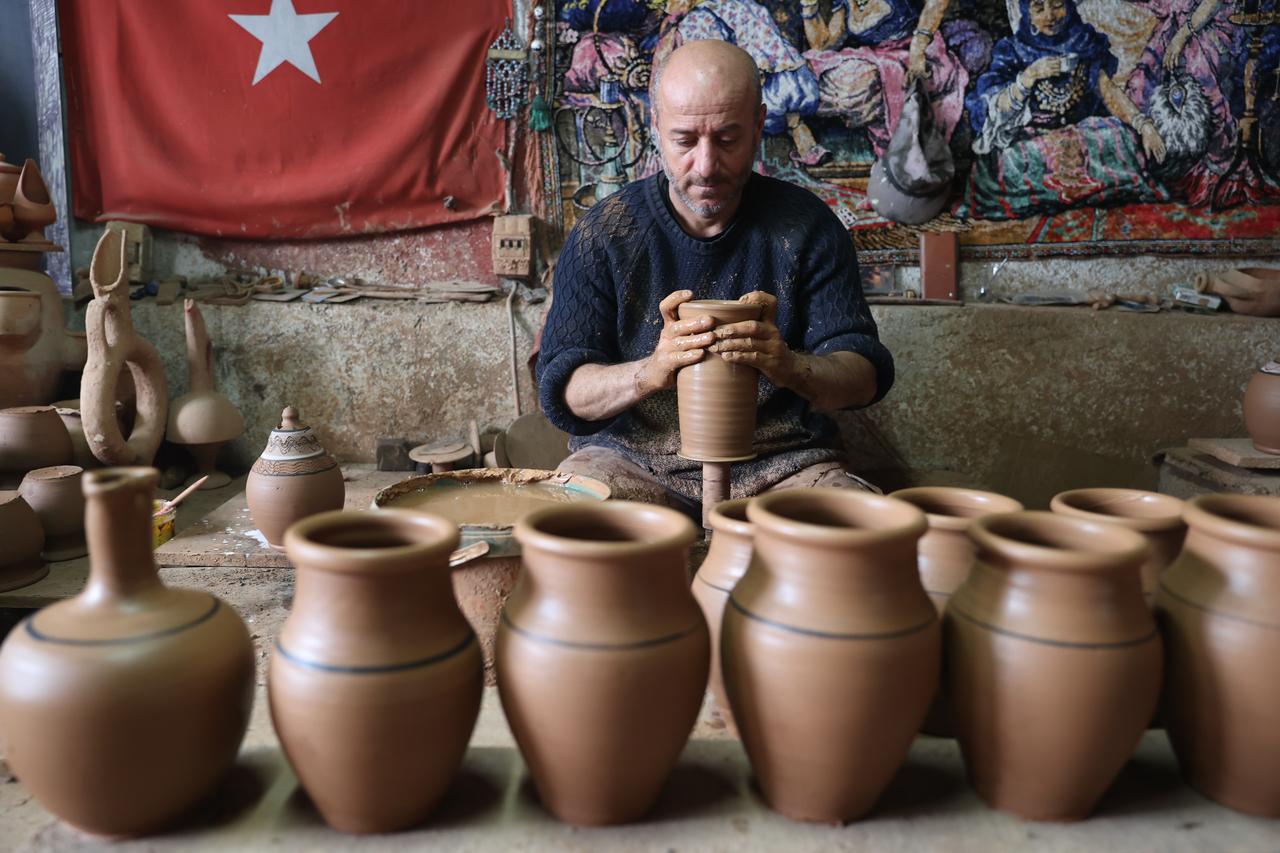

Speaking to an Anadolu Agency reporter, Mumtaz Yorgun, 58, said he began learning the craft at the age of seven under the guidance of his grandfather.
He described pottery not only as a profession but also as a cultural inheritance that the family is committed to preserving.
Master craftsman Yildiray Yorgun, 55, noted that their products are made solely from clay and water, without additives.
He emphasized that dedication and sustained practice are essential to mastering the craft, which can yield pieces ranging from small household items to large vessels. He also referenced the cultural significance of Avanos in Anatolian folk tradition, citing the verses of Asik Seyrani.
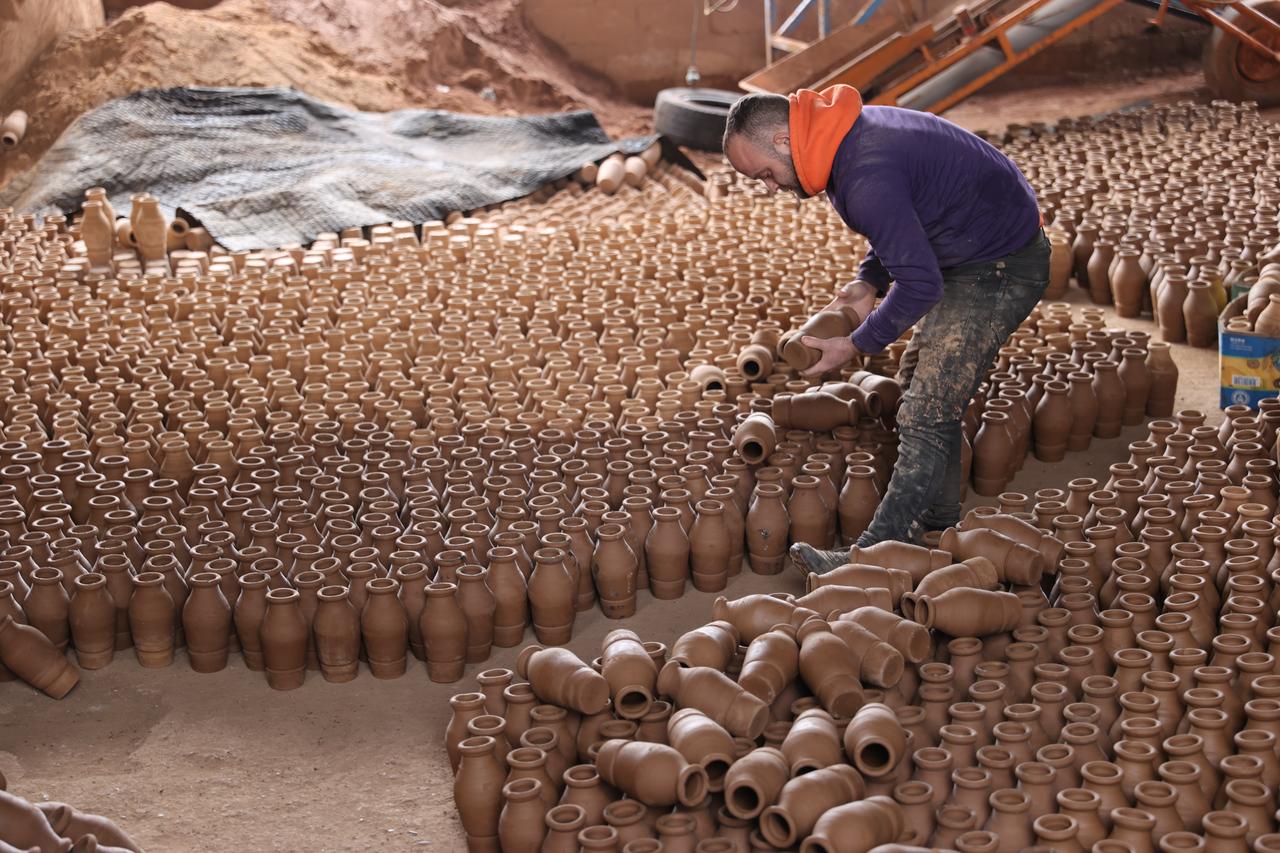
Younger artisan Mustafa Yorgun, 29, said he intends to pass the craft on to the next generation, continuing a lineage that family members estimate extends back approximately five centuries.
According to workshop member Gokhan Ozgul, 52, the family operates collectively, with artisans participating in each stage of production.
He added that increased interest in traditional clay cookware has supported the sustainability of the craft.


 Set as preferred source
 Set as preferred source


 8 min read