Newsletters


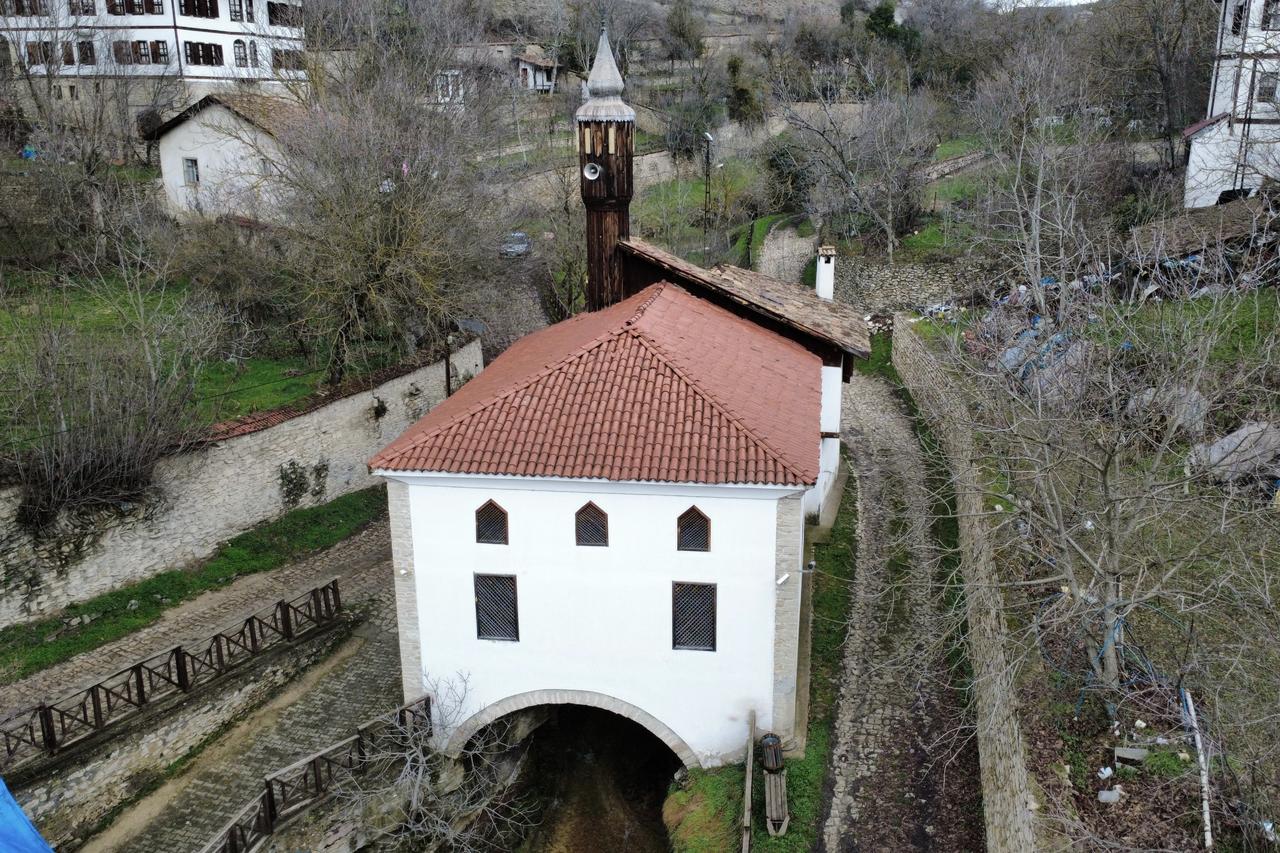


A mosque where the sound of flowing water accompanies prayer is capturing attention in the UNESCO World Heritage town of Safranbolu.
Built directly over a stream more than a century ago, the Lutfiye Mosque stands out not only for its striking setting but also for the story behind its popular nickname, the “Kacak Mosque.”
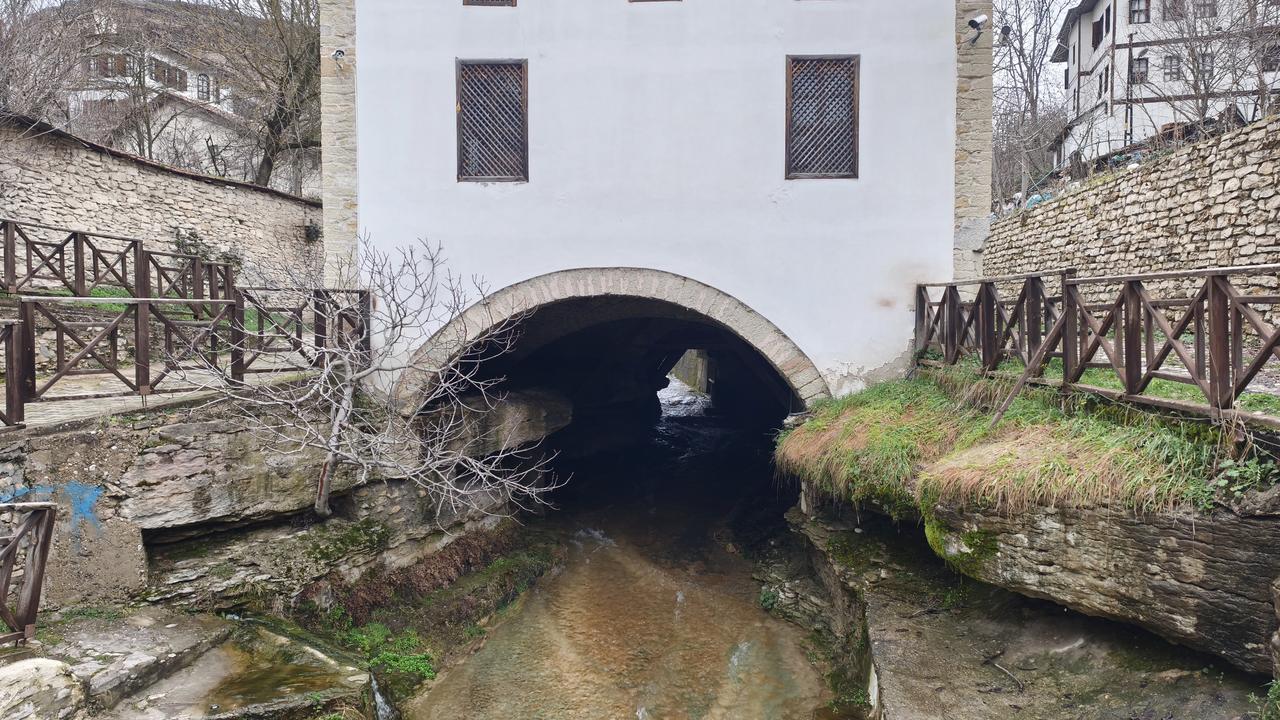

The mosque was constructed in the 1880s in the Akcasu neighborhood by Muslubeyoglu Haci Huseyin Husnu Efendi after he safely returned from a demanding pilgrimage.
Fulfilling a vow of gratitude, he commissioned the mosque and named it “Lutfiye,” meaning “divine grace.”
Built with rubble stone over the Akcasu Stream and covered with a wooden roof, the structure has preserved much of its original character.
Its wooden gallery, carved railings, and timber minaret, combined with the sound of water flowing beneath, create a distinctive atmosphere for worshippers and visitors.
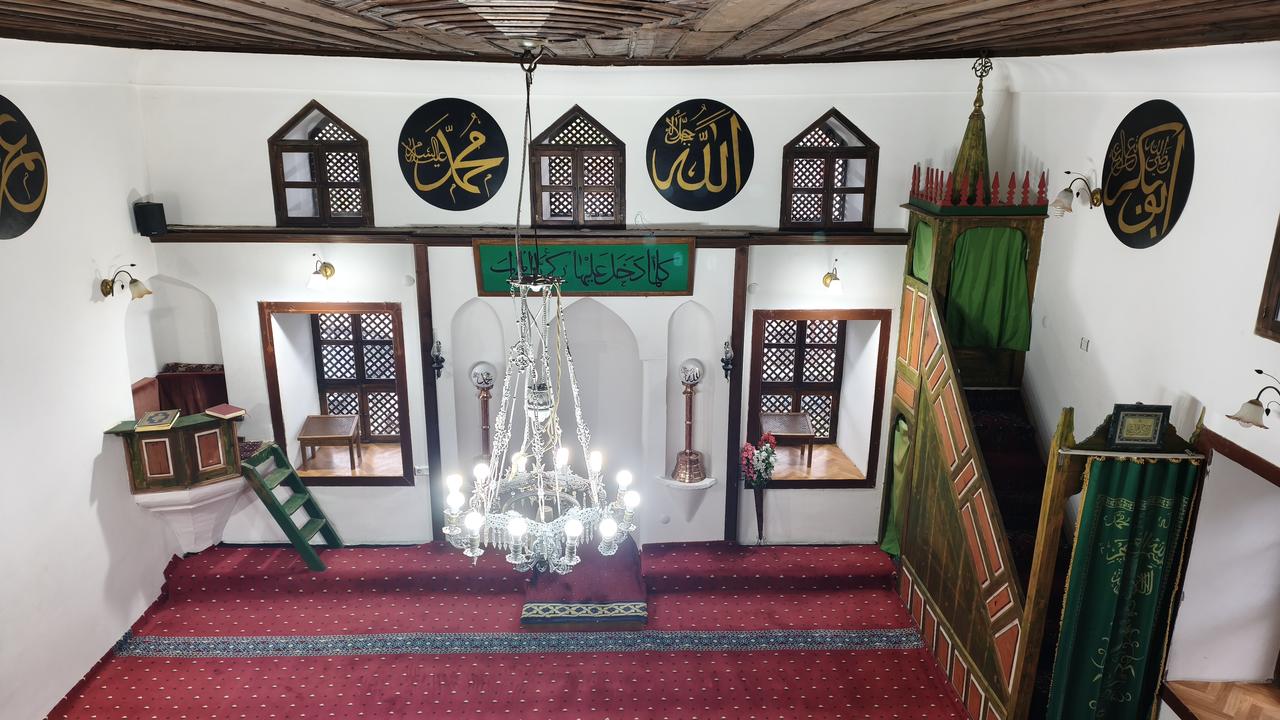
Although officially named Lutfiye Mosque, the building is widely known among residents as the “Kacak Mosque.”
The nickname stems from a nearby water source that historically dried up during the summer months. Locals described the phenomenon as “the water escaping,” which led to the terms “kacak water,” “kacak fountain,” and “kacak neighborhood,” from which the mosque’s popular name emerged.
Safranbolu Mufti Aydin Bostanci said the mosque’s unusual design makes it a focal point for visitors and emphasized the importance of preserving historic structures for future generations.


 Set as preferred source
 Set as preferred source



 1 min read