Newsletters


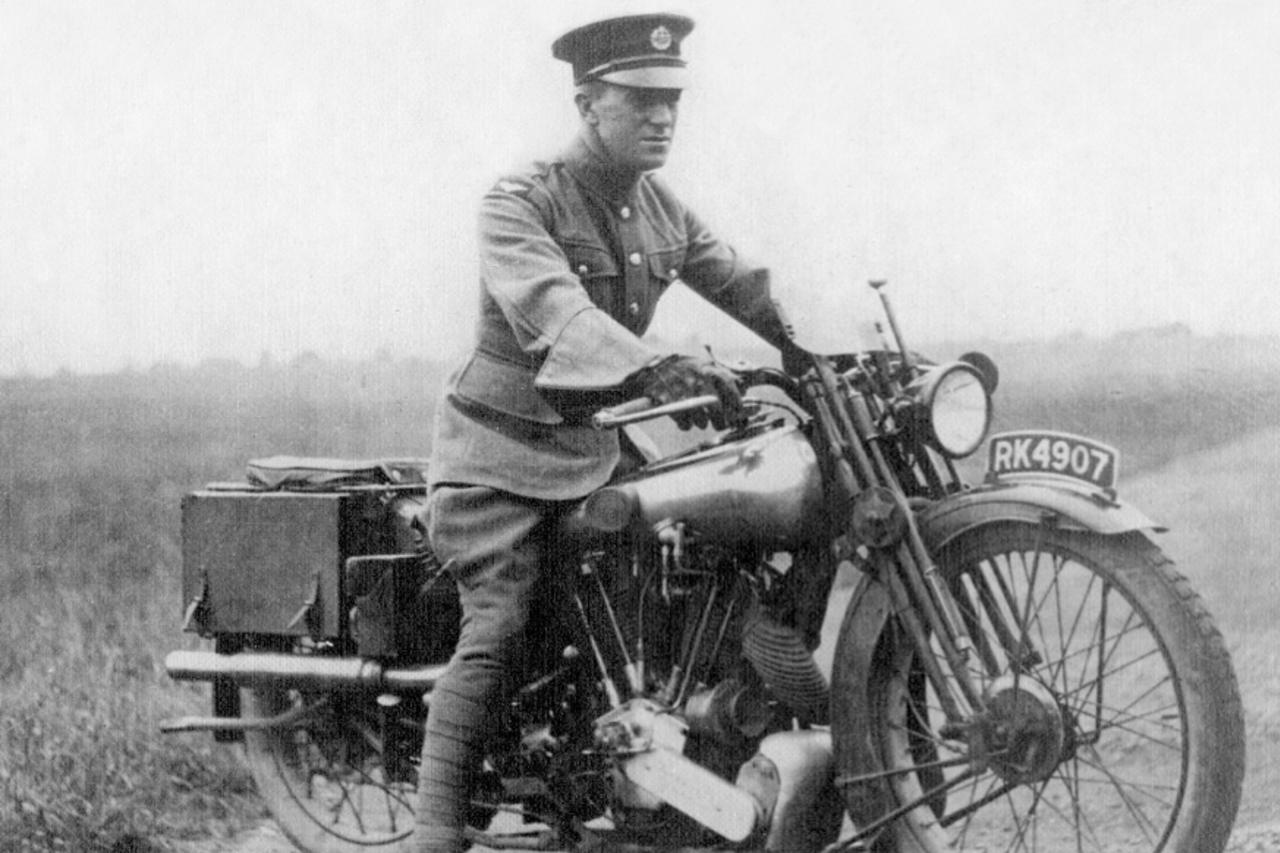


The 1935 motorcycle crash that killed British intelligence officer Thomas Edward Lawrence, widely known as "Lawrence of Arabia," helped set off a chain of medical research that later pushed motorcycle helmets from a niche racing item toward wider and eventually mandatory use.
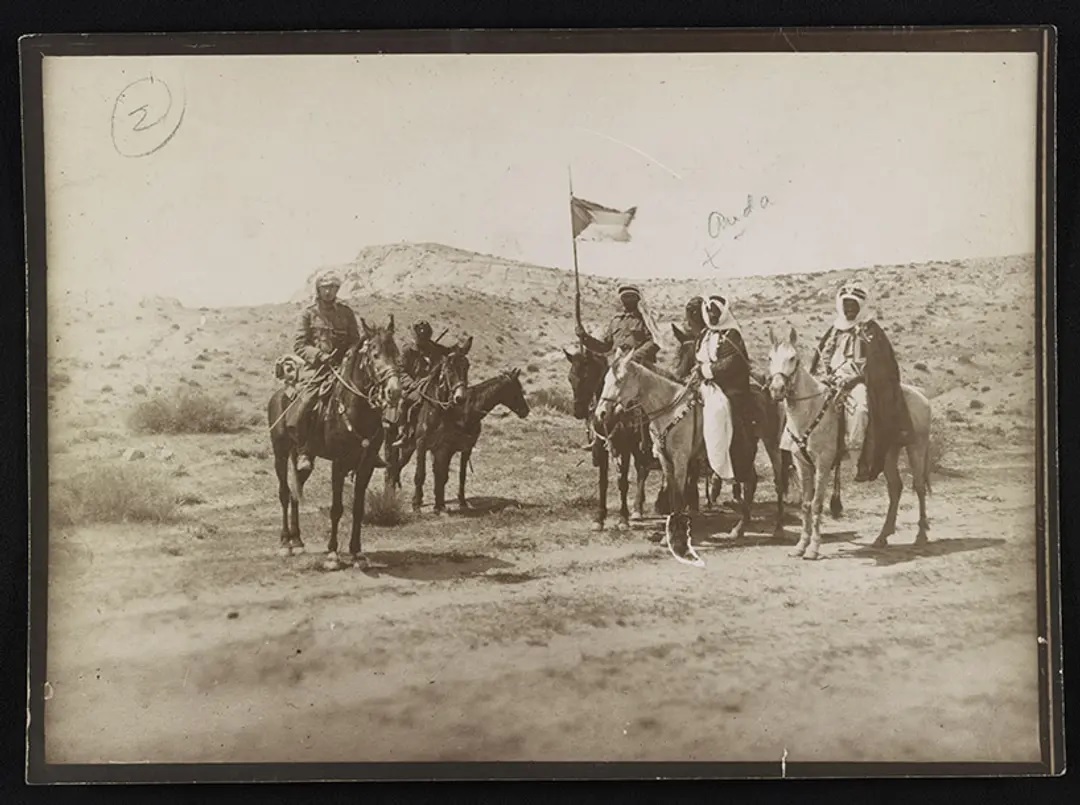
Lawrence, known for his espionage and activities in the Middle East during World War I, died after a crash in Dorset in southwest England.
His death was later described by some as suspicious, with claims that postmortem and hospital records were incomplete and that a black car may have been seen near the scene.
The case also raised a practical medical question: what could be done to prevent fatal head injuries?
That question drew in Sir Hugh Cairns, one of Britain's early neurosurgeons, whose work after Lawrence's death helped shape the modern idea that some deaths on the road could be prevented through protective equipment.
According to press reports and open sources, Lawrence was riding his motorcycle on May 19, 1935, when he swerved to avoid hitting two boys on bicycles.
He was thrown from the motorcycle, suffered a fractured skull and remained in a coma for six days before dying.
A postmortem examination found that his brain had been severely damaged after his head struck the ground. It was also stated that, even if he had survived, he could have faced serious consequences such as blindness or loss of speech.
At the time, one of the main issues raised after the crash was that motorcycles were commonly ridden without helmets. Although motorcycle helmets had been invented in 1914, they were mostly used in racing rather than daily transport.
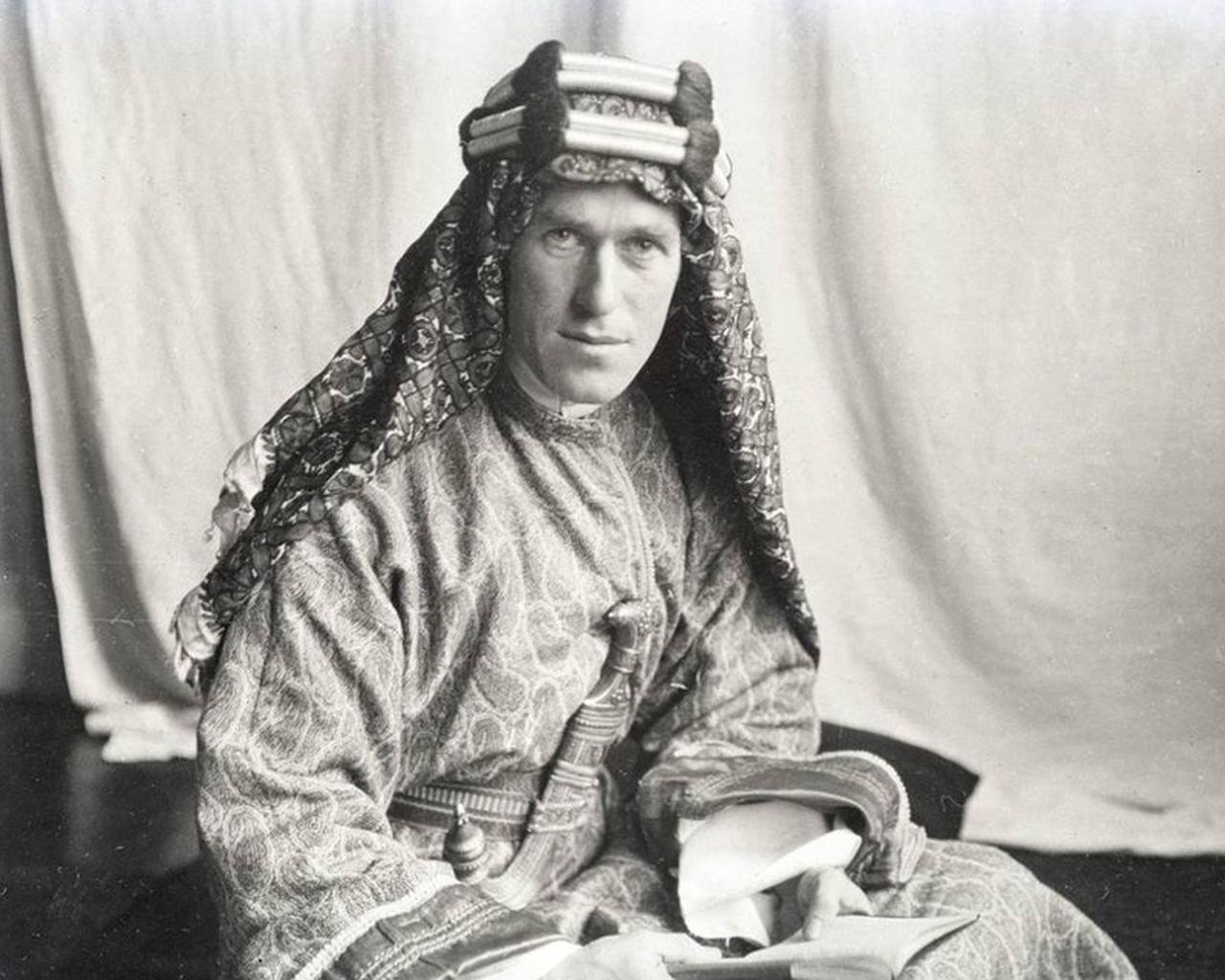

Stephen Casper, a history professor at Clarkson University in the United States, told Anadolu Agency that Lawrence's death was viewed as a "personal tragedy" among certain elite circles in British society.
Asked whether the same debate would have followed if an ordinary person had died in the crash, Casper said no, noting that many people were killed in car or motorcycle accidents in 1939.
He said Lawrence's death felt personal to many people because it created the sense that "one of us" had been affected and that something had to be done.
"People do not change until they identify with someone," Casper said, describing the case as an example of how personal connection can push public health issues into wider attention.
Cairns began studying head injuries in bicycle and motorcycle accidents after Lawrence's death. Casper said Cairns' most important legacy was helping bring the concept of "preventable death" into medical literature.
At the time, neurosurgery was still developing in Britain, and many major procedures were being carried out in the United States. Cairns, who was Australian, had trained in that tradition and later became one of the leading figures in establishing neurosurgery in Britain.
During World War II, Cairns worked as an adviser to the British Health Ministry and the army on head injuries and neurosurgery. He also examined head trauma among military motorcycle dispatch riders, whose work involved frequent and dangerous travel.
In October 1941, Cairns published early findings in the British Medical Journal under the title "Head Injuries in Motor-cyclists: The Importance of the Crash Helmet." His research examined deaths among motorcycle riders and passengers during the first 21 months of World War II and pointed to the protective value of helmets.
In the cases he reviewed, helmeted riders were not fatally injured. Around the same period, two army motorcycle riders were dying each week, and in November 1941, an order was issued to provide helmets to military riders.
Casper said such a decision could not have been taken so quickly without Cairns' work, adding that Cairns was surrounded by well-positioned doctors who were ready to listen to him.
Cairns later argued in a 1946 British Medical Journal article that making helmets compulsory in the army had been followed by a relative fall in motorcycle rider deaths. He also maintained that wider civilian helmet use could save many lives.
Despite Cairns' findings, civilian helmet use did not become compulsory in Britain until 1973. Casper said part of the resistance was cultural, as helmets had long been associated with war rather than everyday transport.
He also pointed out that helmet production required a different approach to design, physics and materials.
According to Casper, those practical difficulties, beyond cultural resistance, were not fully overcome until nearly the 1970s.
Lawrence's death did not immediately make helmets mandatory, but it helped set in motion the medical research and public debate that eventually changed how motorcycle safety was understood.


 Set as preferred source
 Set as preferred source


 2 min read
 1 min read