Newsletters


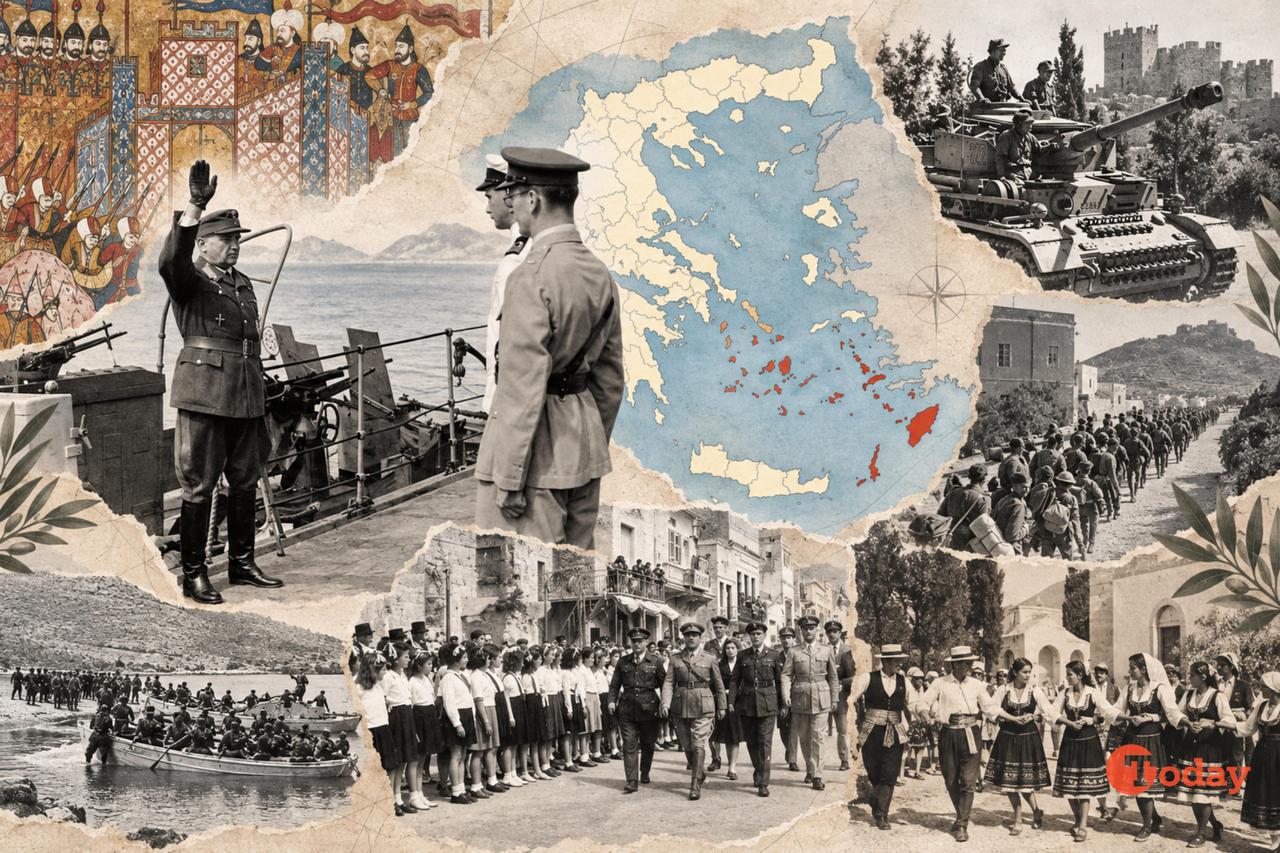


The Dodecanese islands in the southeastern Aegean Sea slipped out of Ottoman control during the Italo-Turkish War of 1911-1912, remained under Italian occupation for more than three decades and were eventually transferred to Greece after World War II.
Although commonly referred to as the "12 Islands," the Dodecanese group includes more than 12 islands and should not be confused with the Eastern Aegean islands farther north, including Chios, Samos, Lesbos, Ikaria, Lemnos and Samothrace, many of which passed out of Ottoman control during the Balkan Wars.
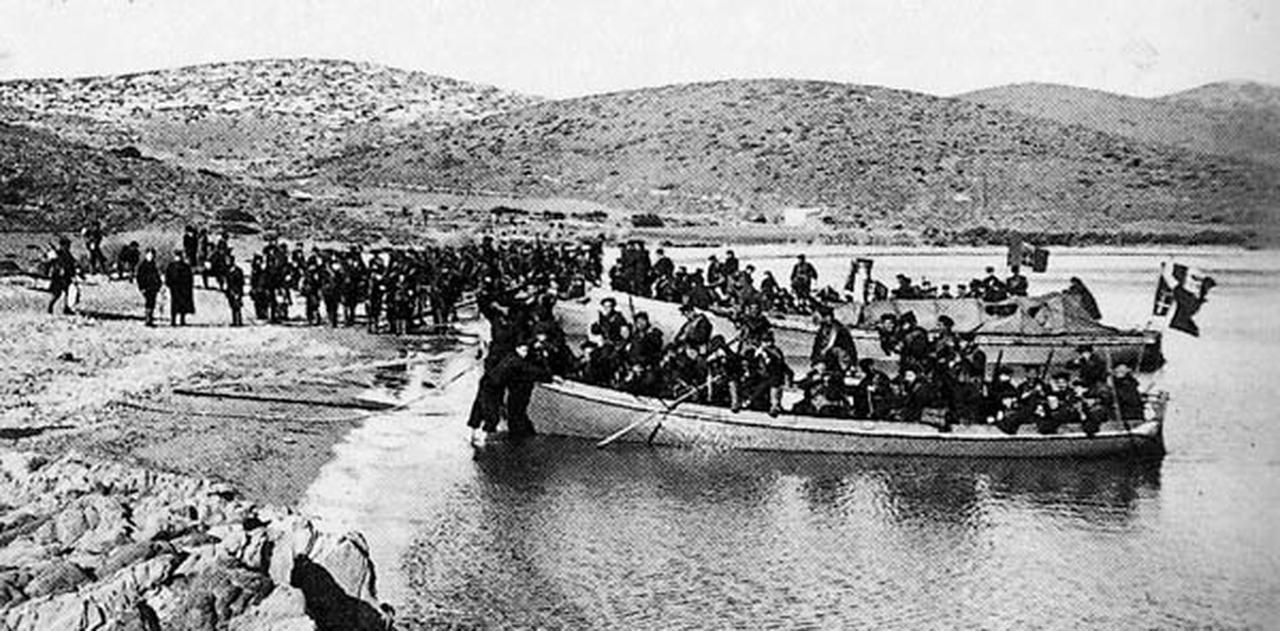

The process began after Italy moved into Ottoman-controlled Libya in 1911. The Ottoman Empire did not have a regular army capable of confronting the invasion there, although some officers traveled to the region and helped organize local resistance.
As fighting carried on in Libya, Italian forces occupied the Dodecanese, with the exception of Kastellorizo at that stage. The Ottoman Empire lacked the naval power needed to drive Italy out of the islands.
The conflict ended with the Treaty of Ouchy, also known as the First Treaty of Lausanne, signed on Oct. 18, 1912. Under the settlement, Ottoman forces were to leave Libya, while Italy was expected to pull out of the Aegean islands it had occupied.
The withdrawal, however, did not take place as planned. Italy maintained its presence, arguing that Ottoman officers were still operating among local forces in Libya.
The Ottoman government also allowed the situation to remain unresolved partly because officials feared that a rapid Italian withdrawal could allow Greece, which had naval superiority in the Aegean, to move into the islands.
The Balkan Wars then broke out, leaving the Italian occupation in place while Greece took control of several other islands in the central and northern Aegean.
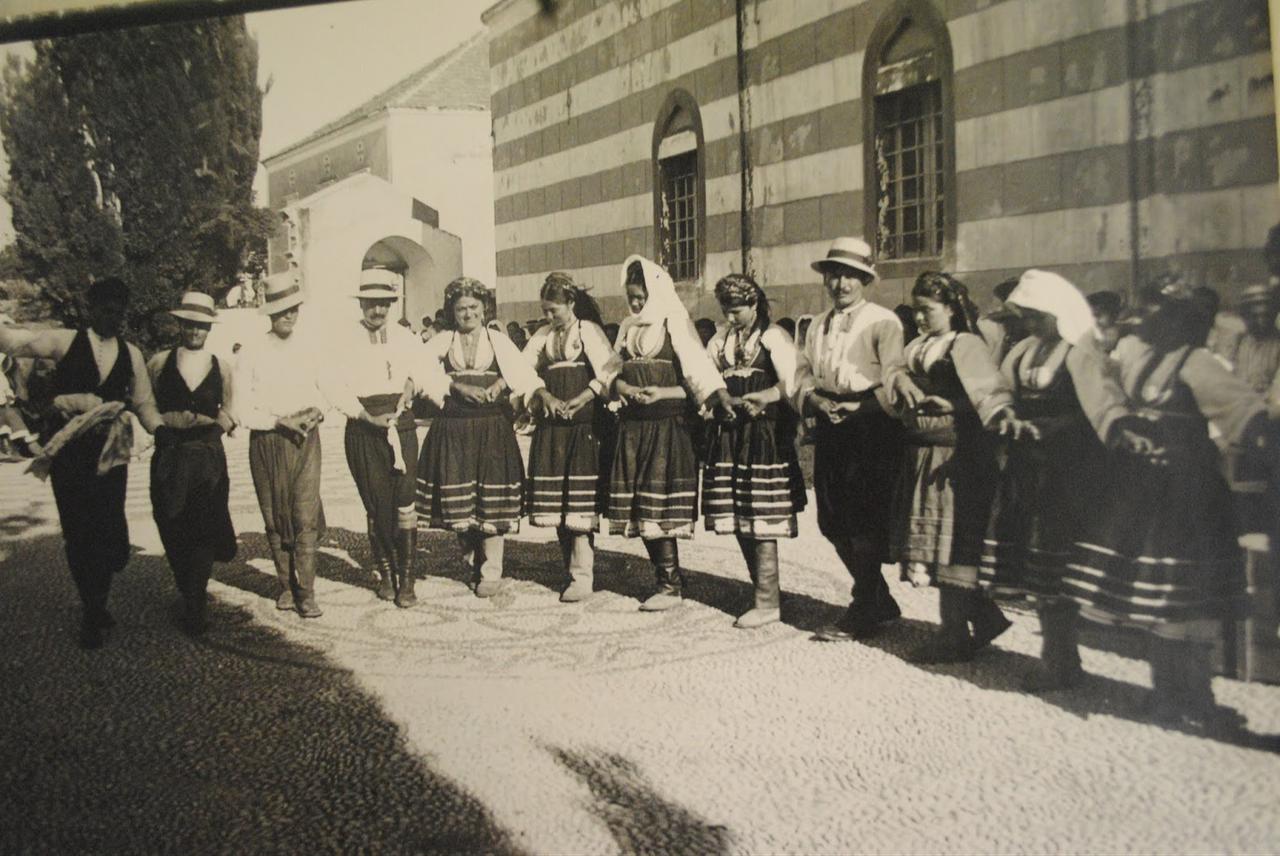
The status that had emerged through military occupation was formally settled after Türkiye's War of Independence.
Under Article 15 of the Lausanne Peace Treaty signed on July 24, 1923, Türkiye renounced its rights and title in favor of Italy over Rhodes, Kos, Leros, Patmos, Symi and the other listed Dodecanese islands, as well as Kastellorizo and dependent islets.
The treaty therefore did not mark the beginning of Italian control. Rather, it gave legal recognition to a situation that had already developed following Italy's occupation in 1912.
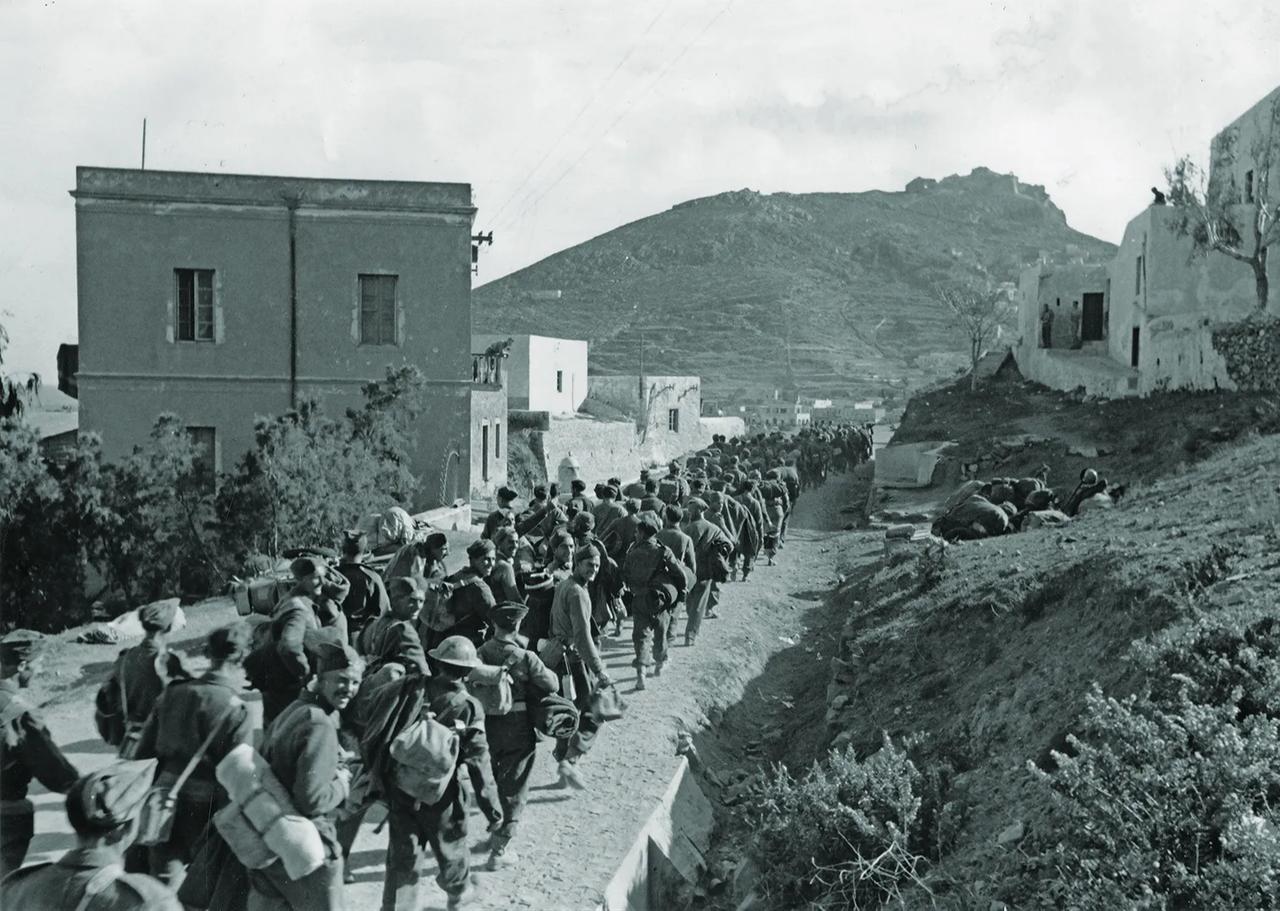
The question resurfaced during World War II, particularly as both the Allied and Axis powers sought to shape Türkiye's position in the conflict.
Britain did not put forward a concrete proposal under which Türkiye would receive the Dodecanese in return for entering the war. Contemporary diplomatic records show that British discussions with Türkiye focused on military cooperation, including possible Turkish air bases for operations against the Dodecanese, while Allied planning also considered capturing Rhodes and other islands.
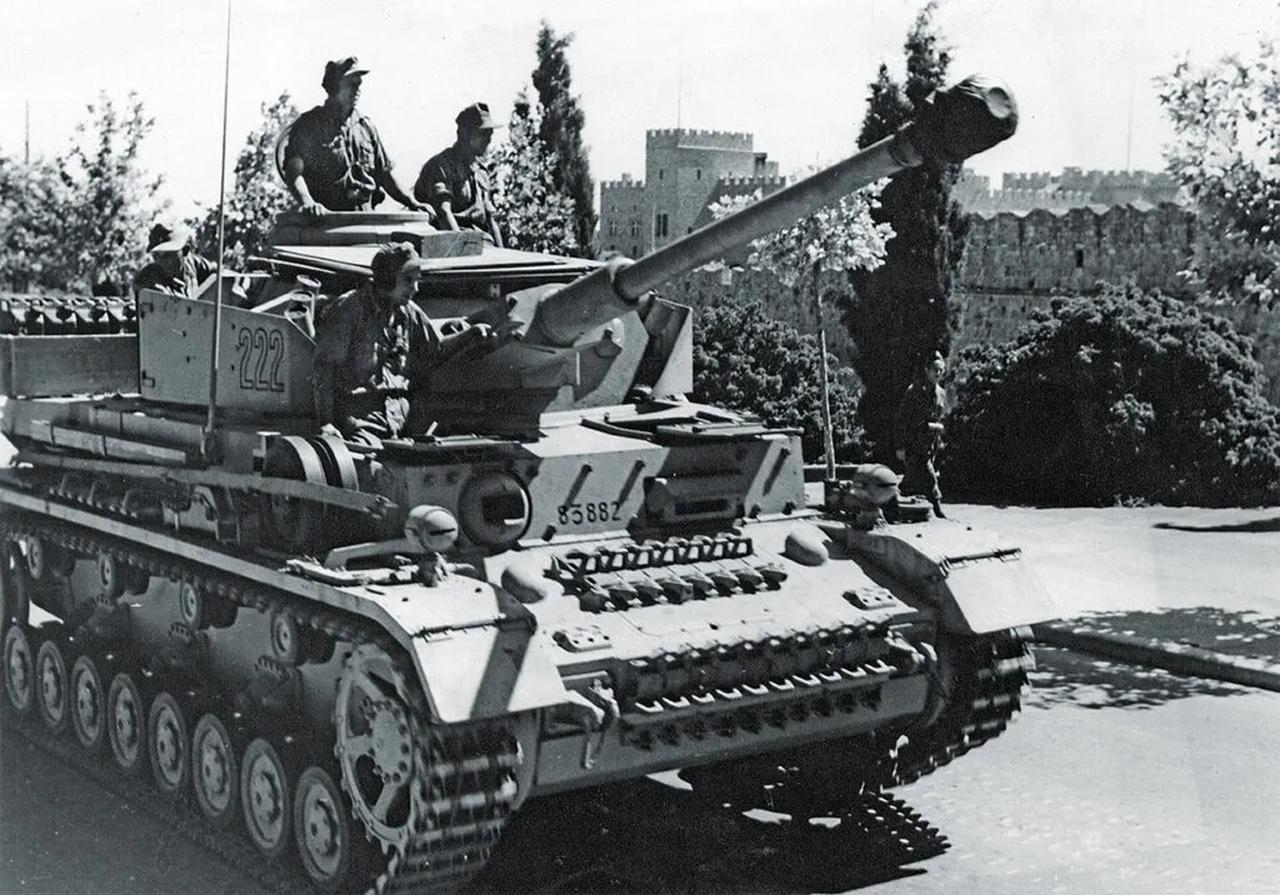
A more direct approach came from Germany in September 1943.
According to a Turkish archival document cited in studies of the period, an intelligence official from the German Embassy in Ankara contacted Naci Perkel, then head of Turkish intelligence, and conveyed a message linked to German Ambassador Franz von Papen about handing islands over to Türkiye.
Prime Minister Sukru Saracoglu informed President Ismet Inonu, who was then traveling in Kars. Inonu's response, as reproduced in the archival correspondence, set out a condition:
"We can take the islands to use them unconditionally. Otherwise, we cannot enter into conflict with the British and the Greeks over this."
The exchange took place as Germany's military position was deteriorating and Berlin was seeking to draw Türkiye closer to the Axis side, rather than as part of a straightforward arrangement to transfer the islands.
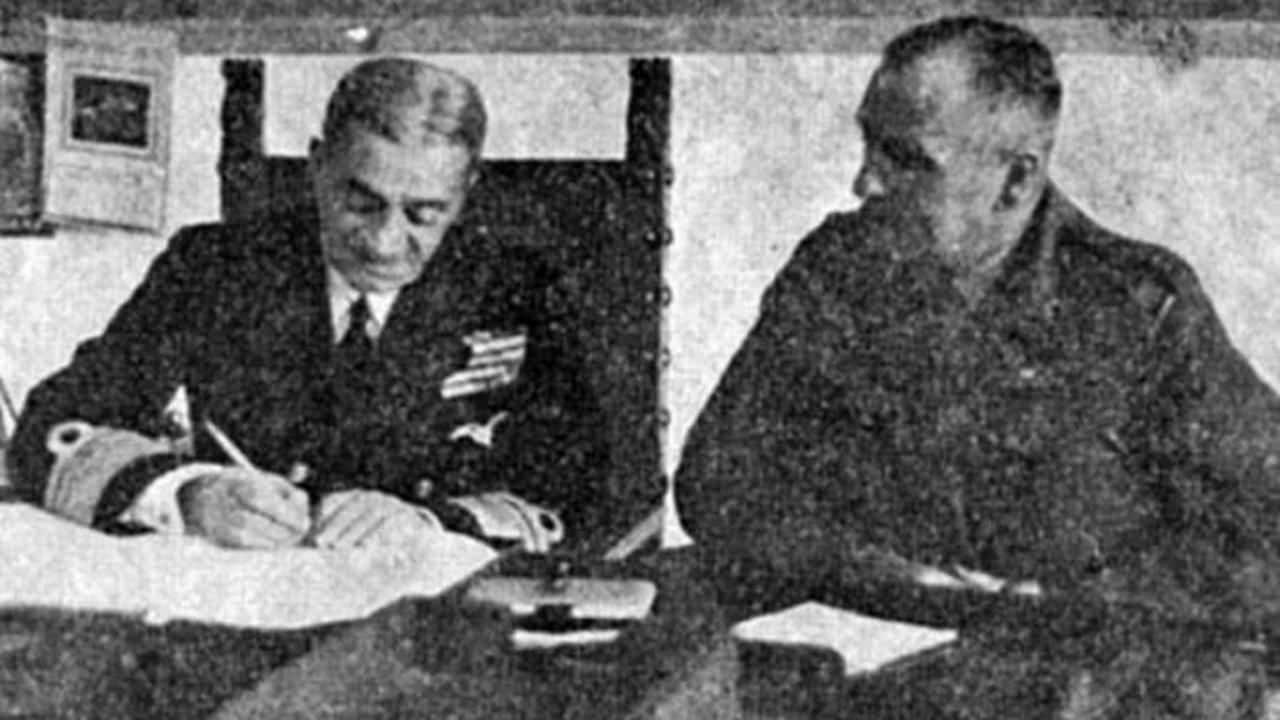
Italian rule over the Dodecanese lasted until the final stages of World War II.
Their postwar status was settled through the Treaty of Peace with Italy, signed in Paris on Feb. 10, 1947. Article 14 provided for Italy to cede the Dodecanese, including Rhodes, Kos, Leros, Patmos, Symi and Kastellorizo, together with adjacent islets, to Greece.
The transfer completed a process that had started with Italy's occupation during the Italo-Turkish War in 1912: the islands moved from Ottoman control to prolonged Italian rule, before ultimately becoming part of Greece after World War II.
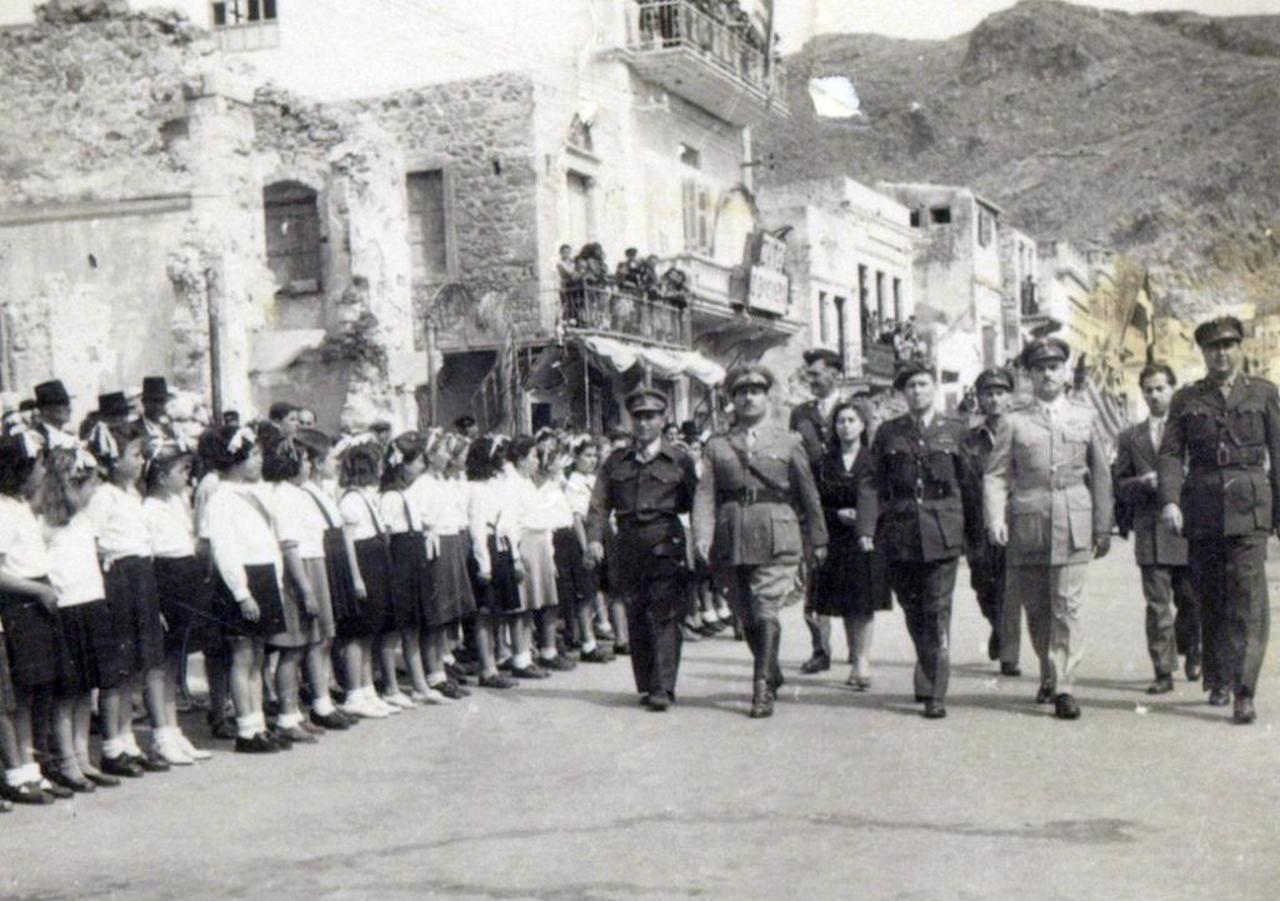
The Dodecanese had entered Ottoman rule centuries earlier. Rhodes, the political and military center of the island group, had been controlled by the Knights of Saint John since 1309 before Sultan Suleiman I, commonly known as Suleiman the Magnificent, captured Rhodes and the Dodecanese in 1522.
The Ottoman conquest of the wider group was subsequently completed as the remaining islands came under its control.
The 1947 settlement therefore came 425 years after the Ottoman conquest of Rhodes and the Dodecanese in 1522. Ottoman control itself had already ended in practice with the Italian occupation in 1912, but the islands that had entered Ottoman rule under Suleiman eventually passed from Italy to Greek sovereignty under the post-World War II peace settlement.


 Set as preferred source
 Set as preferred source


 1 min read