Newsletters


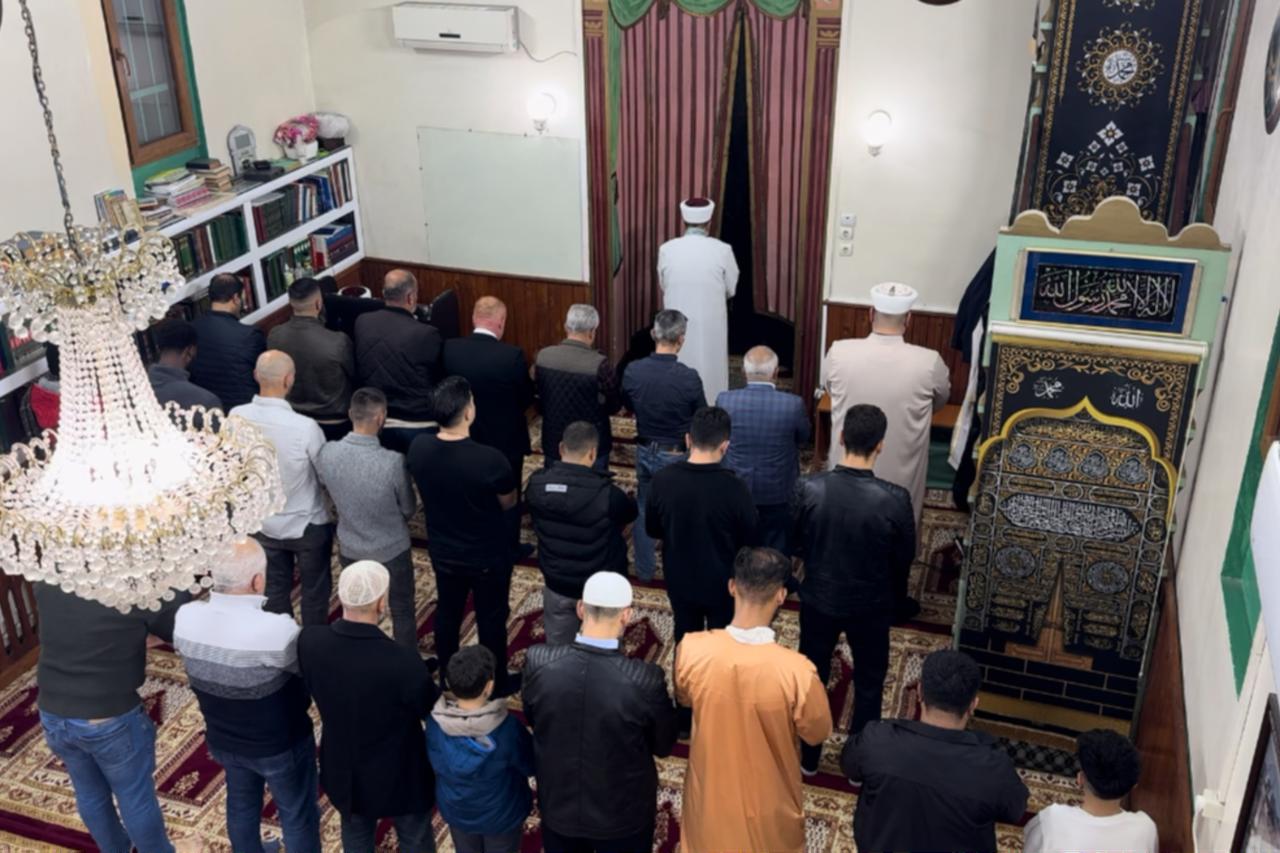


The Hunkar Mosque in Romania’s capital Bucharest continues to serve both as an active place of worship and as a lasting symbol of the deep-rooted friendship between Türkiye and Romania.
Built in 1906 by King Carol I, a Christian monarch, for the use of the Muslim community, the Hunkar Mosque reflects Romania’s long-standing tradition of religious tolerance and peaceful coexistence. The mosque was recently highlighted in the final installment of Anadolu Agency’s three-part special report titled “Türkiye–Romania Friendship Bridges.”
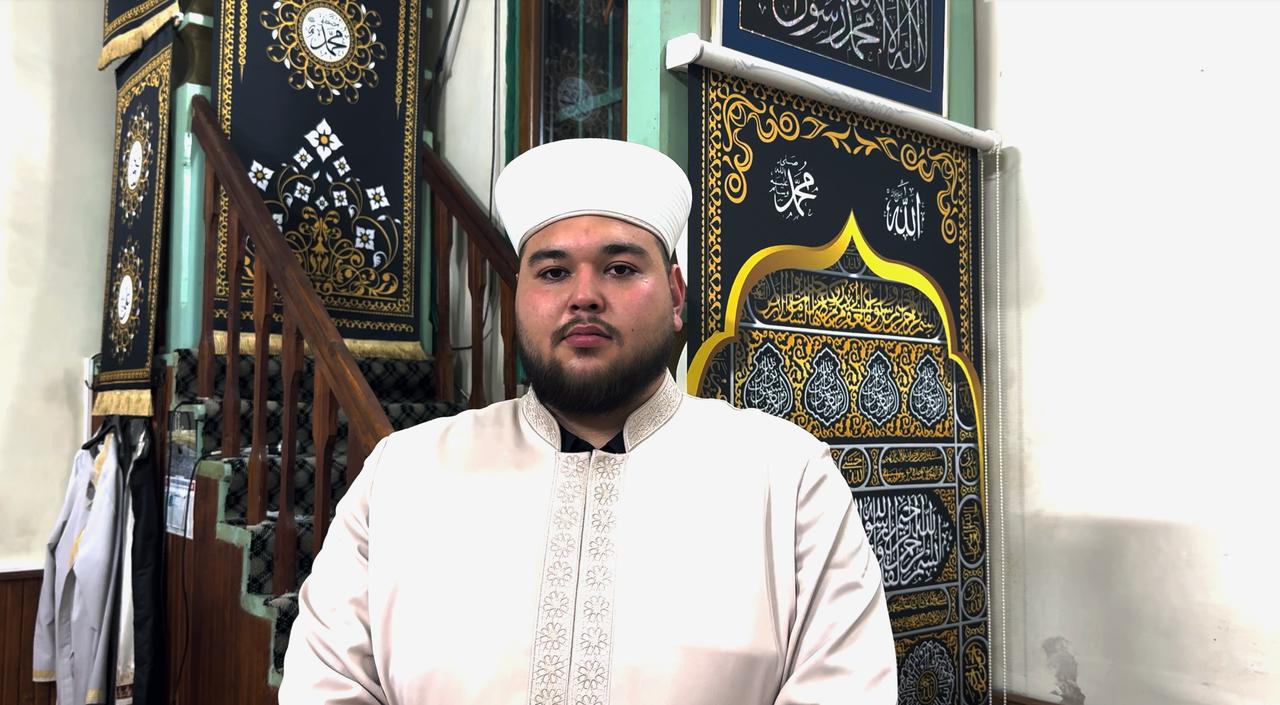

Imam Mehmet Ertugrul, who has served at the mosque for nearly four years, said Bucharest provides a safe and inclusive environment for Muslims. He noted that Islamophobia is not prevalent in Romania and emphasized the respectful and welcoming attitude commonly observed in daily life.
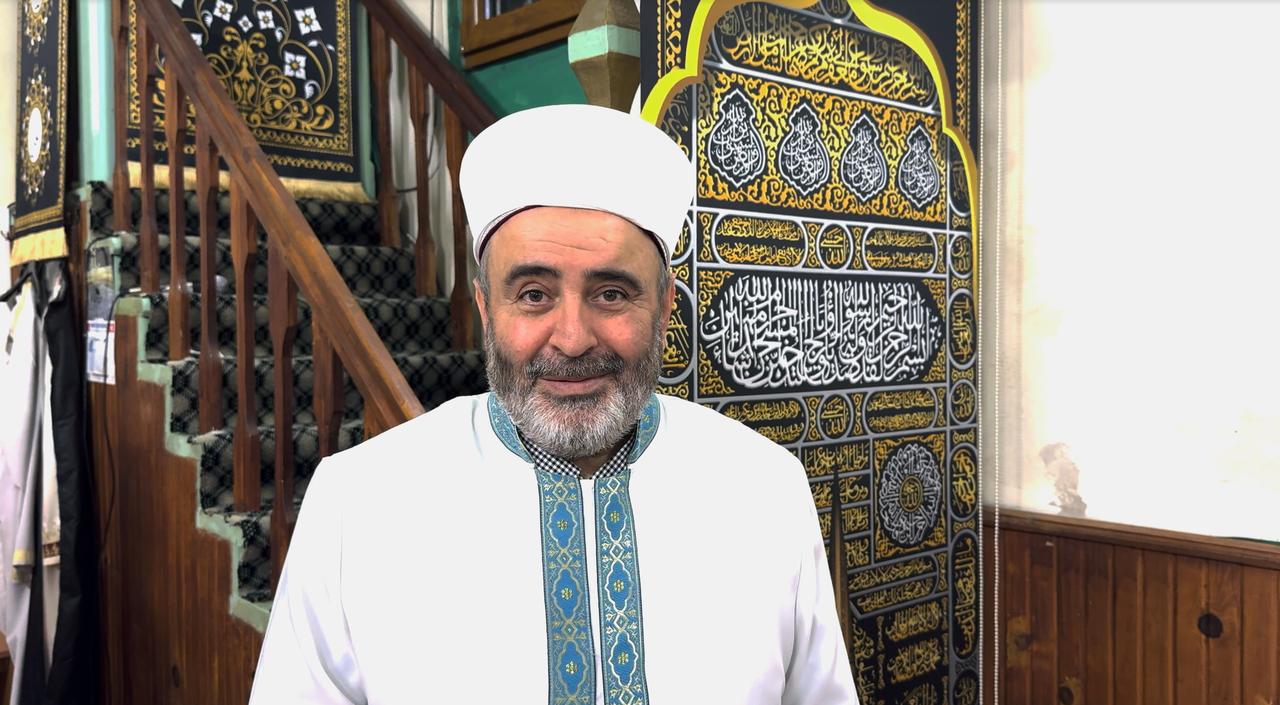
Second Imam Memis Firaz, a Turkish-Tatar from Constanța, underlined the importance of preserving language, faith and cultural identity across generations. Coming from a family with a three-generation tradition of imamship, Firaz highlighted the role of cultural continuity within the Muslim community.
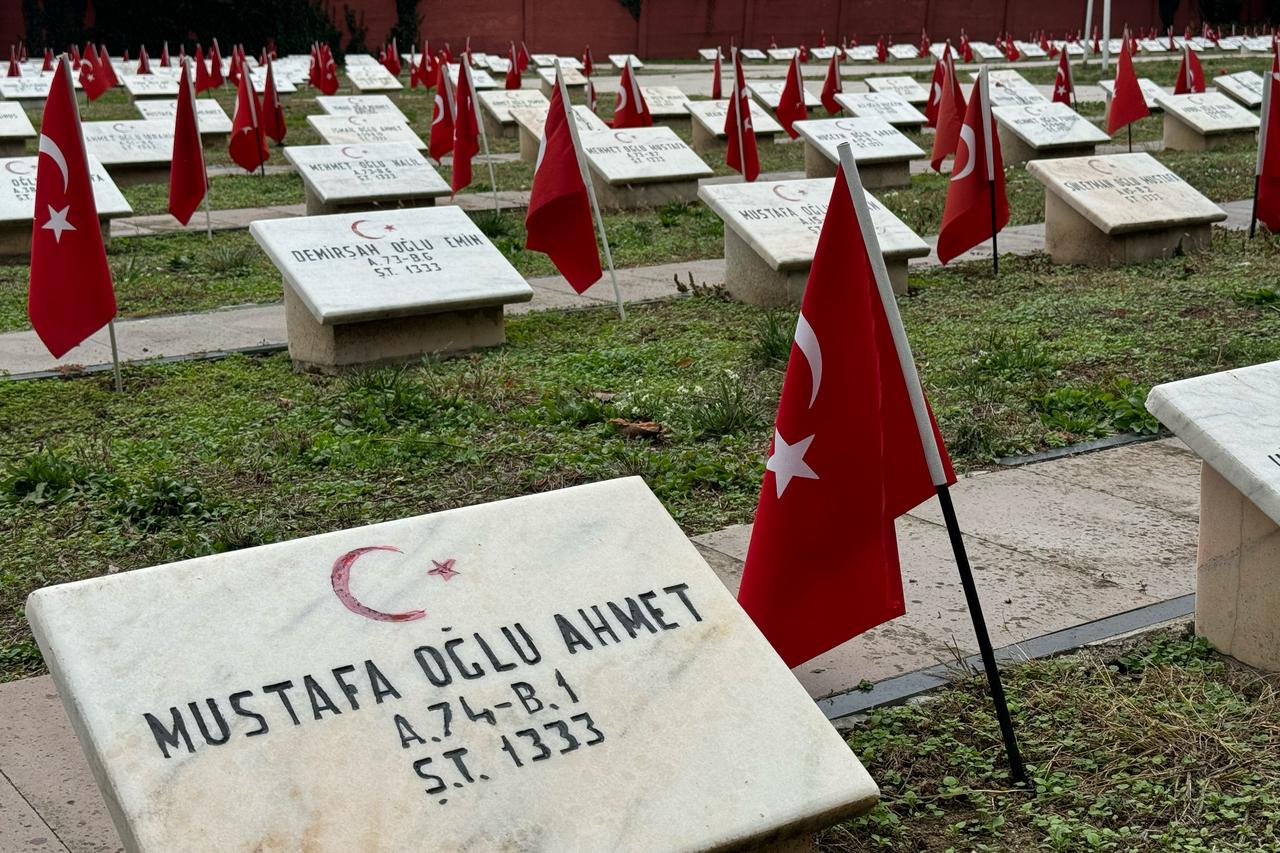
Businessman Cesur Durak, a member of the mosque’s congregation and the grandson of a veteran awarded Türkiye’s Independence Medal, said representing Turkish and Muslim identity in Romania carries a strong sense of responsibility. He stressed the importance of honoring ancestral heritage through positive representation.
The mosque also holds historical significance due to its relocation. In 1959, it was dismantled stone by stone as part of a monument project in Carol Park and reconstructed in 1960 at its current location using the original architectural plan.


 Set as preferred source
 Set as preferred source


 1 min read
 1 min read