Newsletters


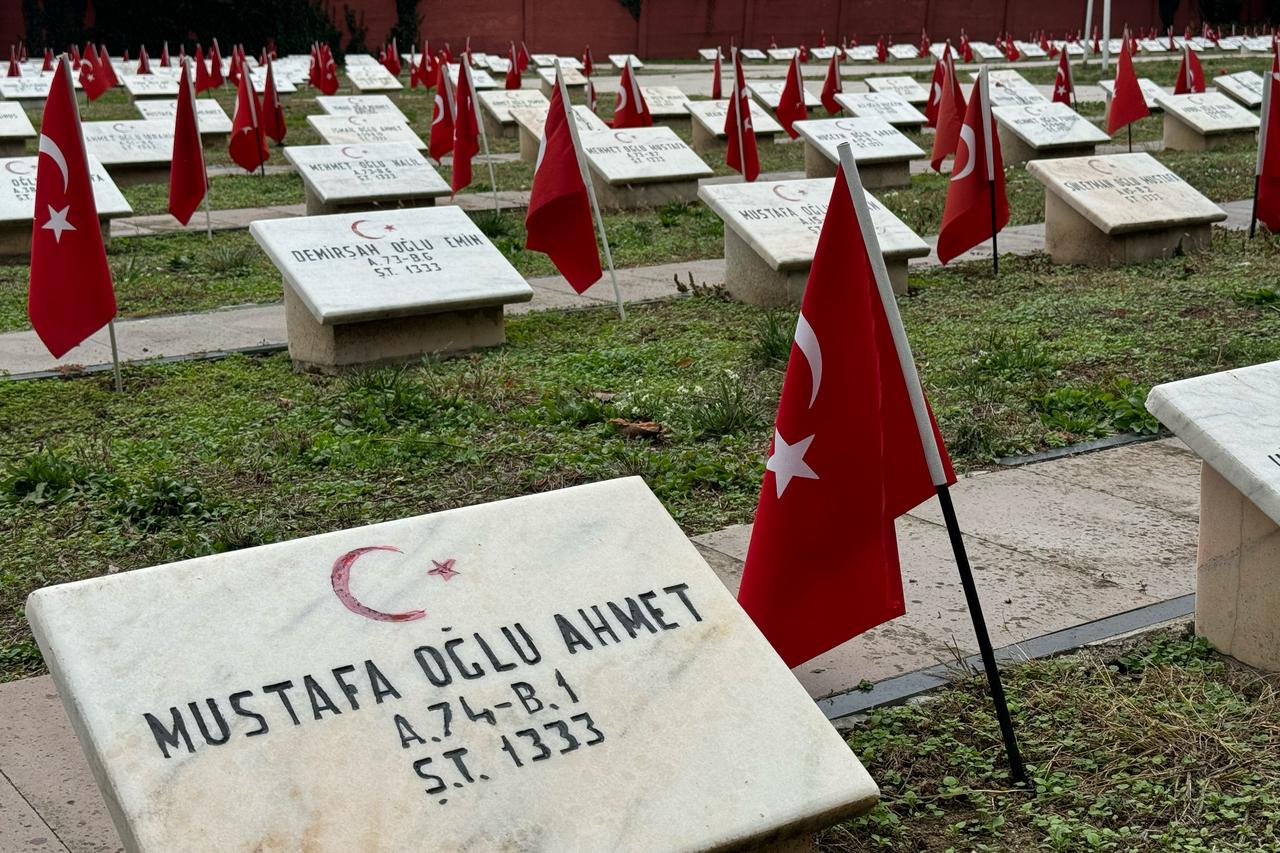


Bucharest’s Turkish Martyrs’ Cemetery stands as one of the clearest, still-visible traces of the long friendship between Türkiye and Romania, while also preserving a shared memory from World War I that continues to resonate today.
The site is presented as a bridge of goodwill between the two countries, reflecting not only wartime loss but also the humanitarian legacy associated with Ottoman soldiers who served in the region.
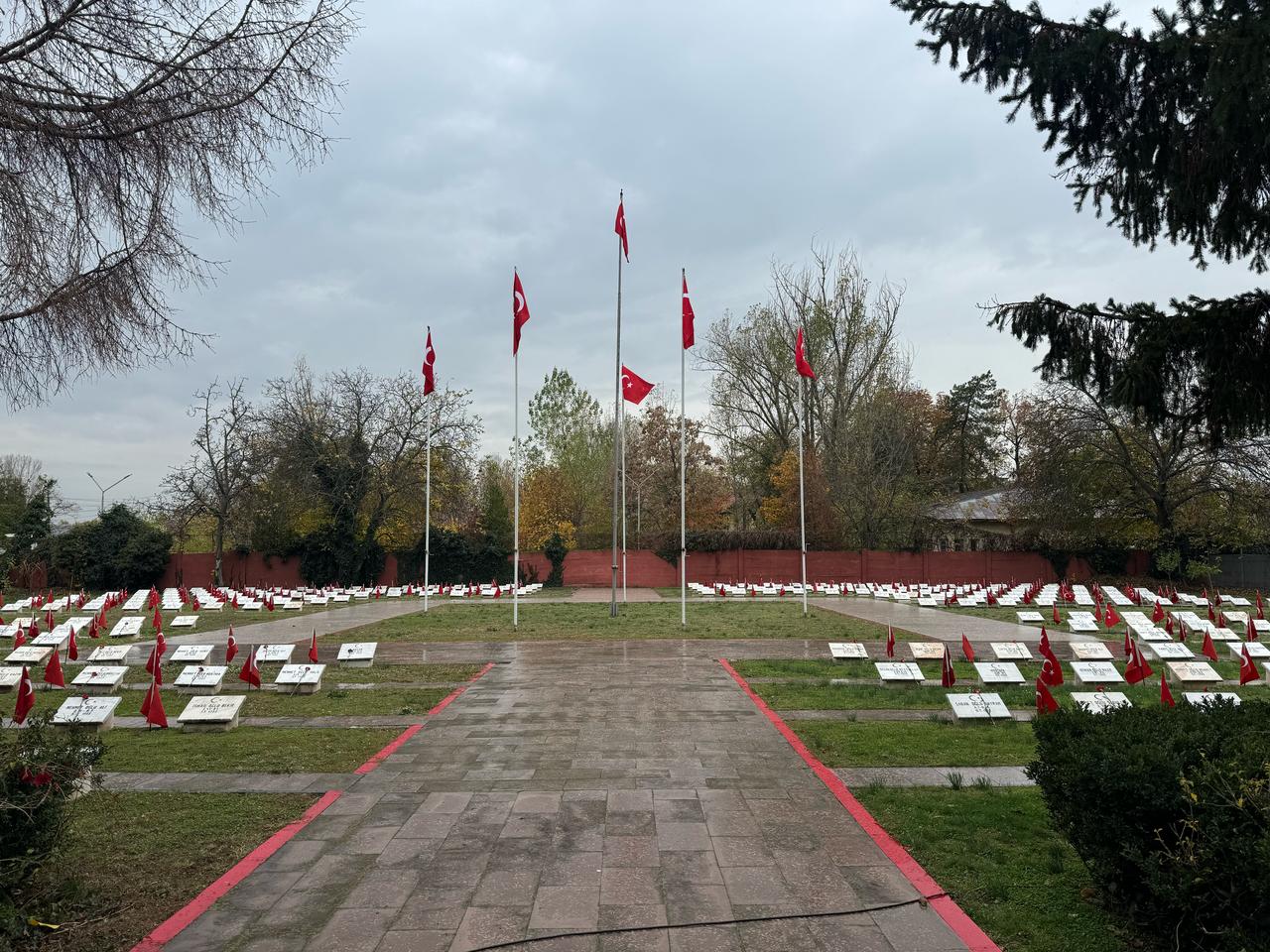

During World War I, Ottoman soldiers were sent to the Dobruca region between 1915 and 1917. In the account shared in the text, their role went beyond military duty, as they also supported local Romanian communities that had been hit hard by the effects of war.
The soldiers are described as setting up essential services, including a school, a hospital, and bakeries, to help civilians cope with wartime conditions.
Visitors continue to treat the cemetery as a meaningful place tied to Türkiye’s spiritual and historical presence in the Balkans. Mustafa Akdavul, who visited the site, underlined that the humanitarian support provided by Ottoman soldiers remains strongly remembered by the local population, recalling that they opened a school, a hospital, and a bakery for those affected by the war.
Akdavul also described the cemetery as carrying deep moral value for both Türkiye and Romania, and said he felt pride as a Turk, stressing that the site mattered because “our history lives here,” adding that protecting it is a responsibility.
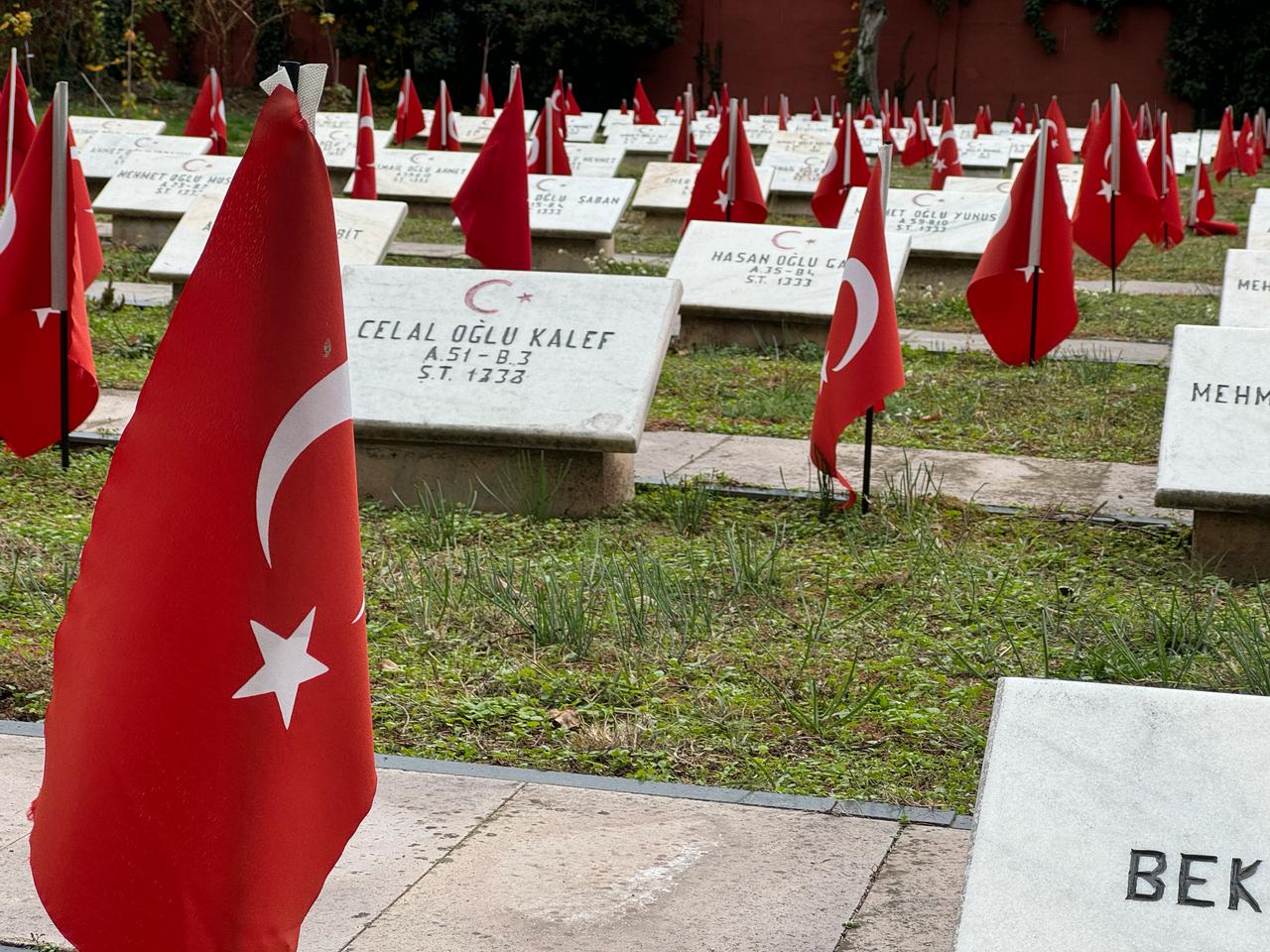
The Bucharest Turkish Martyrs’ Cemetery is portrayed as a silent reminder of both the historical ties between Türkiye and Romania and a shared past in the wider Balkan geography.
Established in 1932, the cemetery contains the graves of more than 900 martyrs, and visitors say being there brings them peace while making Türkiye’s spiritual heritage feel strongly present on these lands.


 Set as preferred source
 Set as preferred source


 2 min read
 1 min read