Newsletters


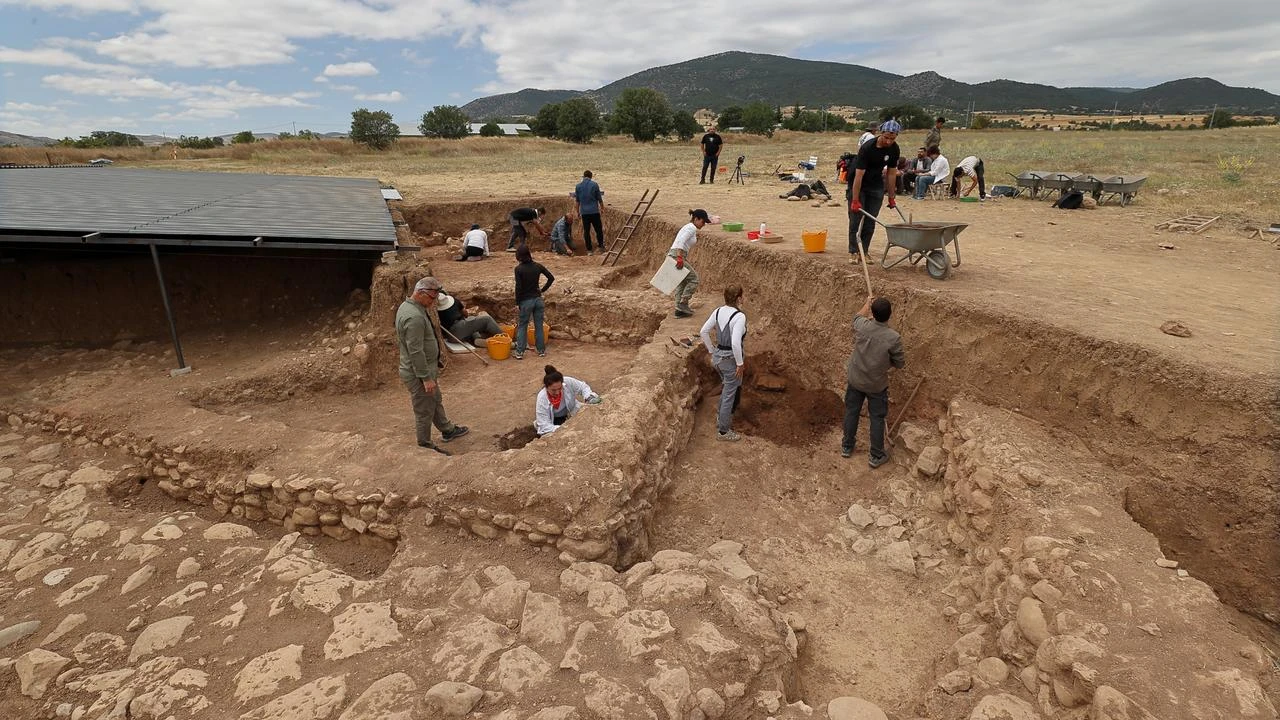
Excavations at the Sapinuva Ancient City in Corum province, north-central Türkiye, continue to focus on a monumental structure first identified in 2024.
A team of archaeologists, philologists, restoration experts, geologists and archaeobotanists is working to determine the building's original function, three years into a project that has gradually revealed its full outline.
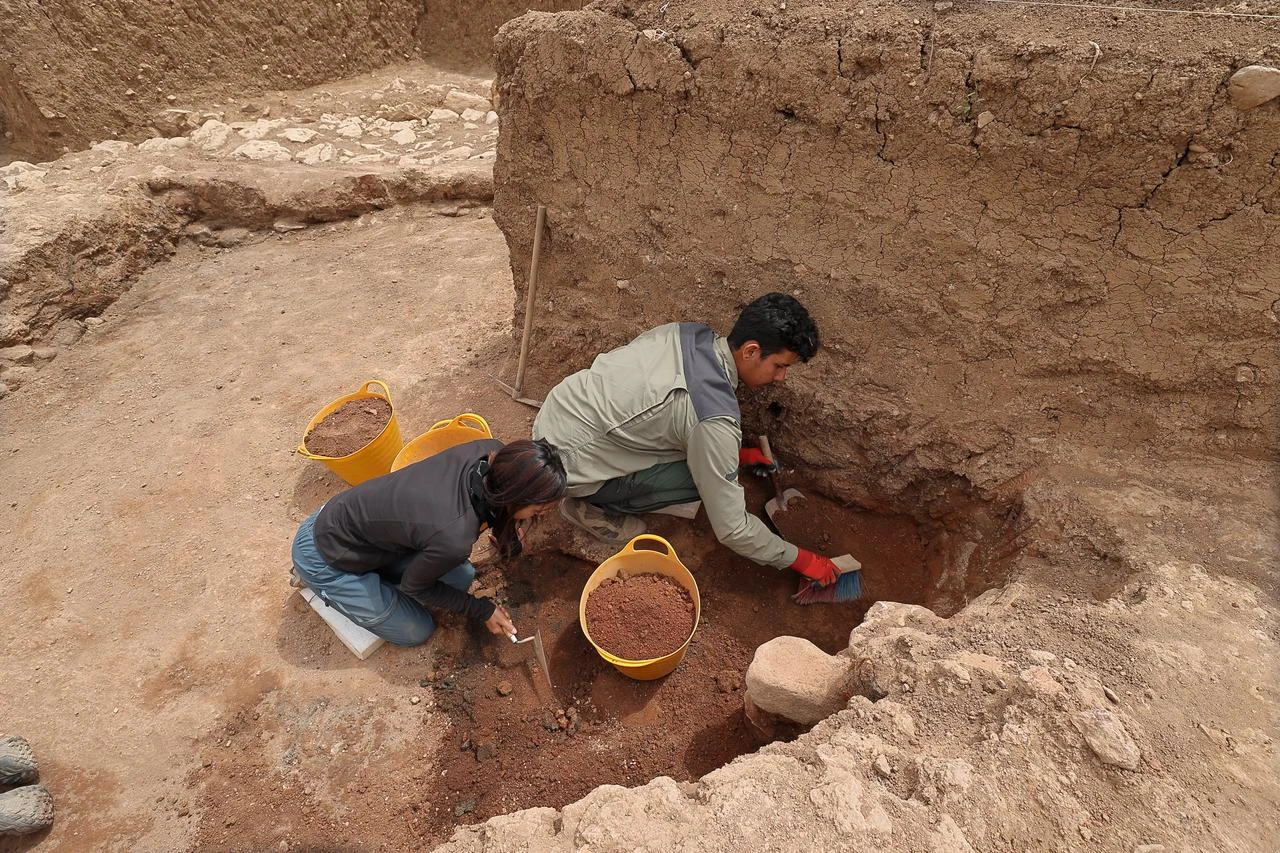
Archaeological work at Sapinuva, in the Ortakoy district of Corum province, began in 1990 and has continued without interruption for 36 years under Hitit University
The site, once a major Hittite settlement following Hattusa, is considered one of the civilization's key religious, military and economic centers of its era.
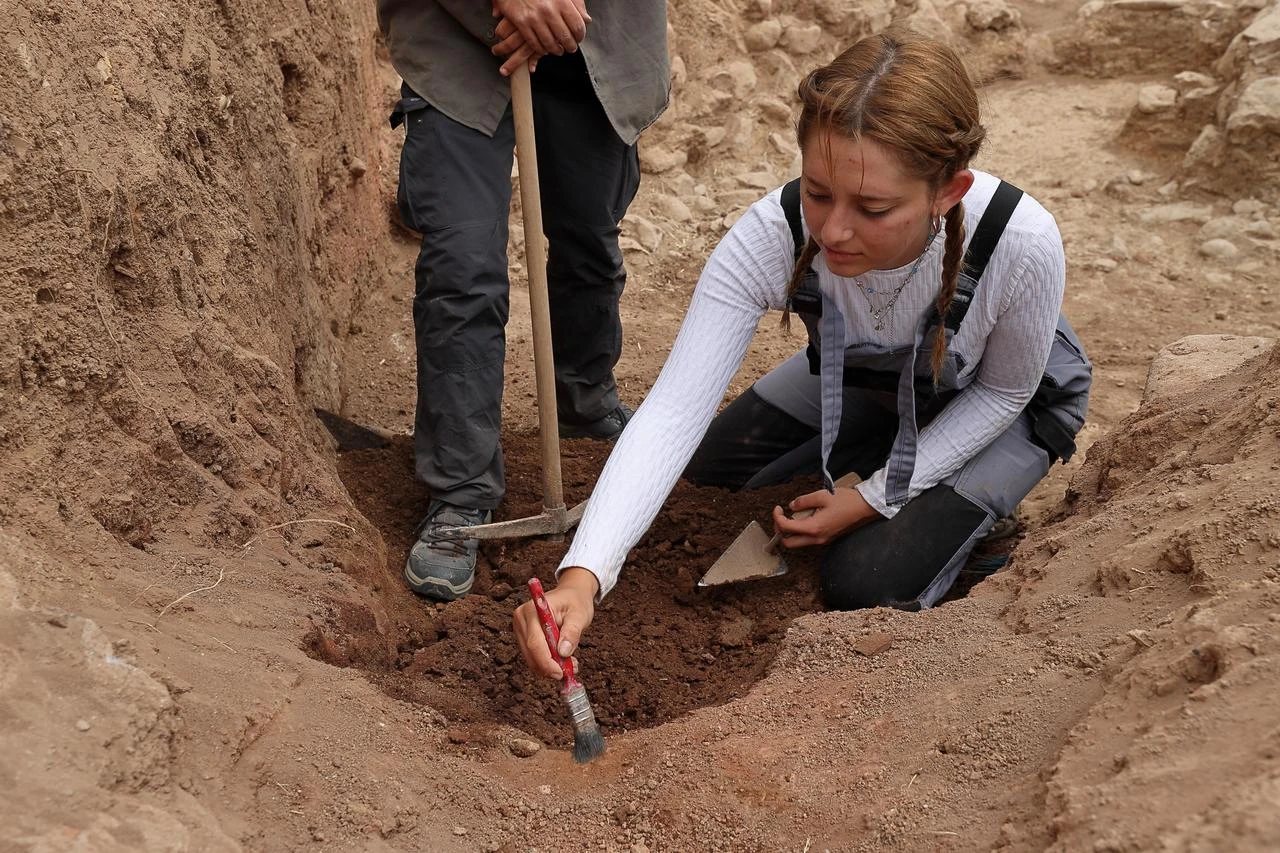
Around 4,000 clay tablets unearthed at the site have provided insight into the administrative structure, daily life, and cultural practices of the Hittite state some 3,500 years ago.
Researchers say Hittite King Tuthaliya II visited the city with his wife and that Sapinuva briefly served as a Hittite capital.
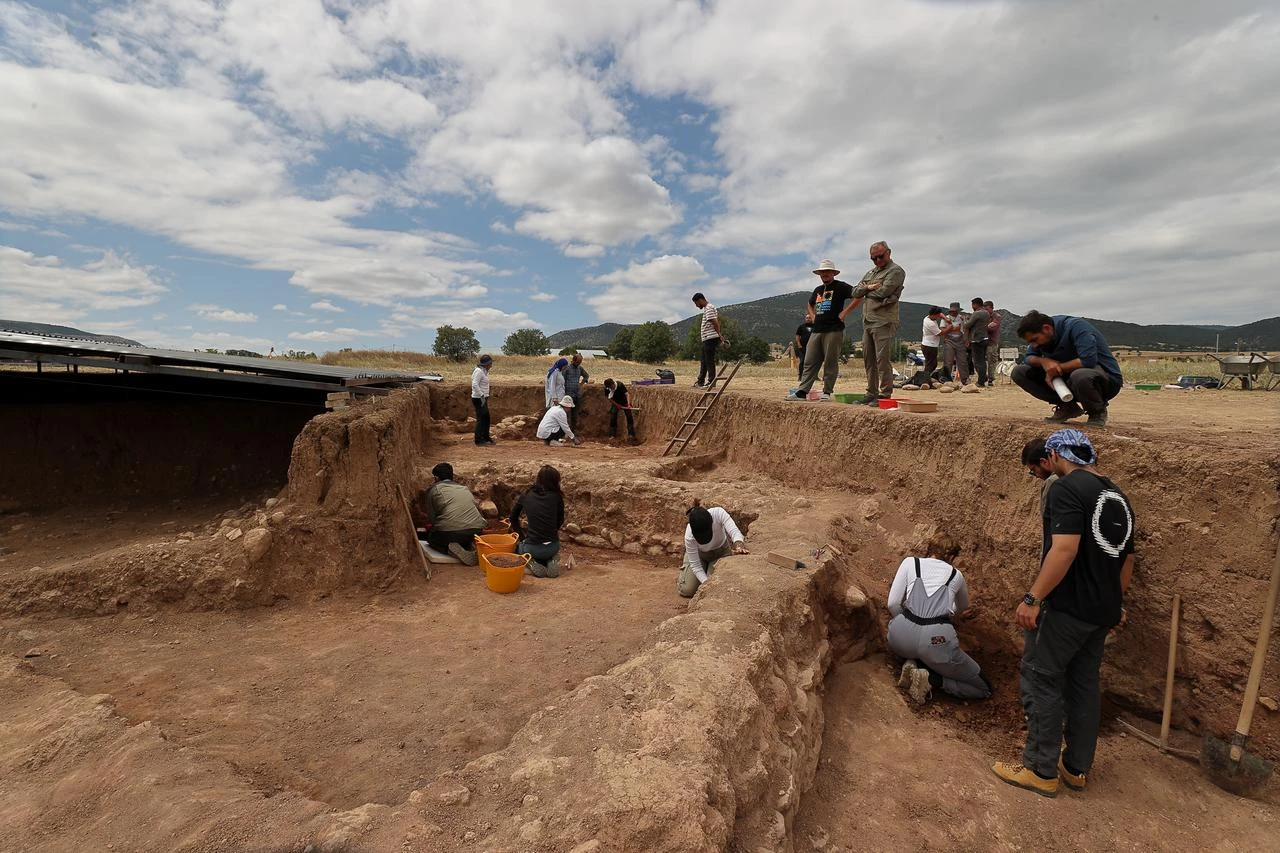
In 2024, geophysical surveys detected a large buried structure at the site. Excavations began with a five-by-five-meter trench, uncovering roughly 20 percent of the building in the first season, marking the start of a multi-year effort to expose it fully.
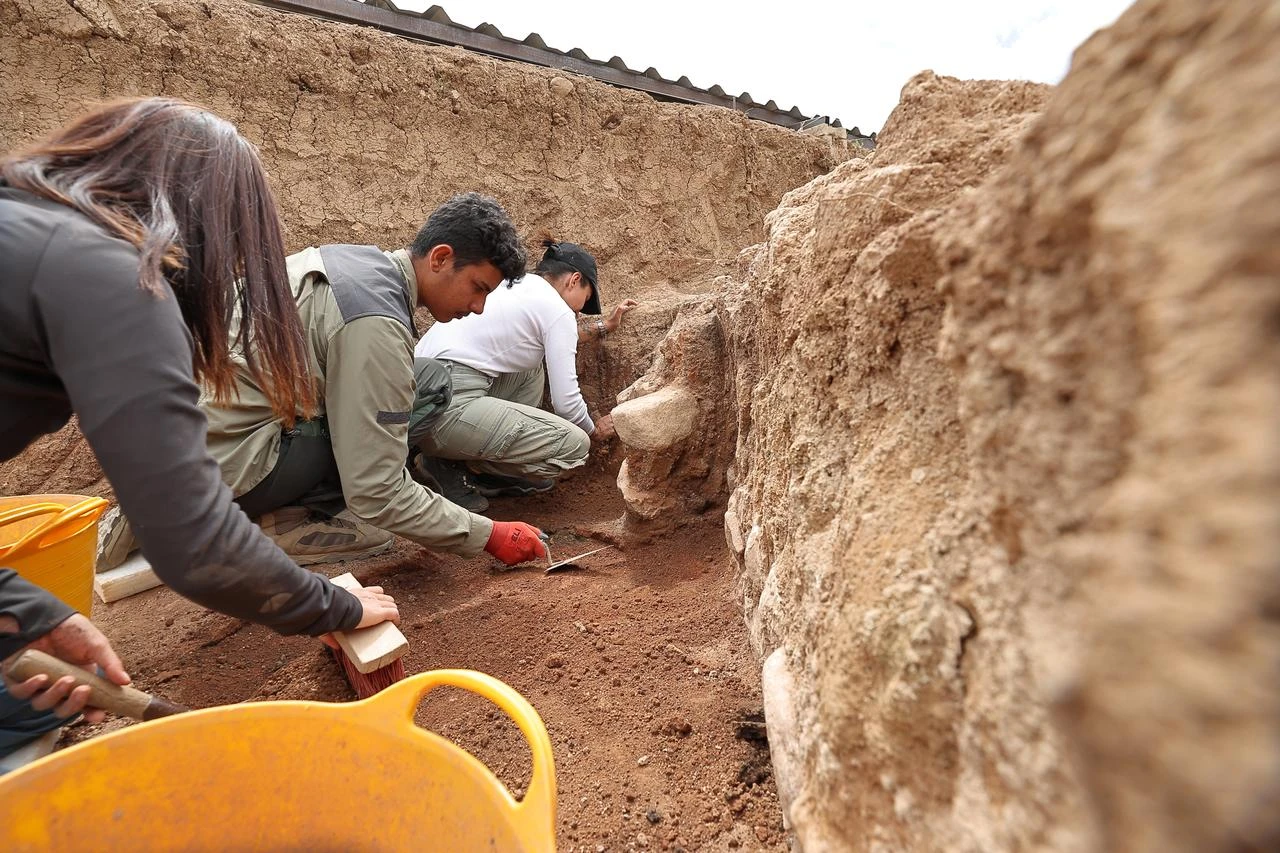
Over the 2025 and 2026 excavation seasons, most of the building's outer walls and several interior rooms, including a pair of long, L-shaped chambers, were brought to light.
Carbon testing indicates the structure was built around 1380 BC, during the height of Hittite influence in the region.
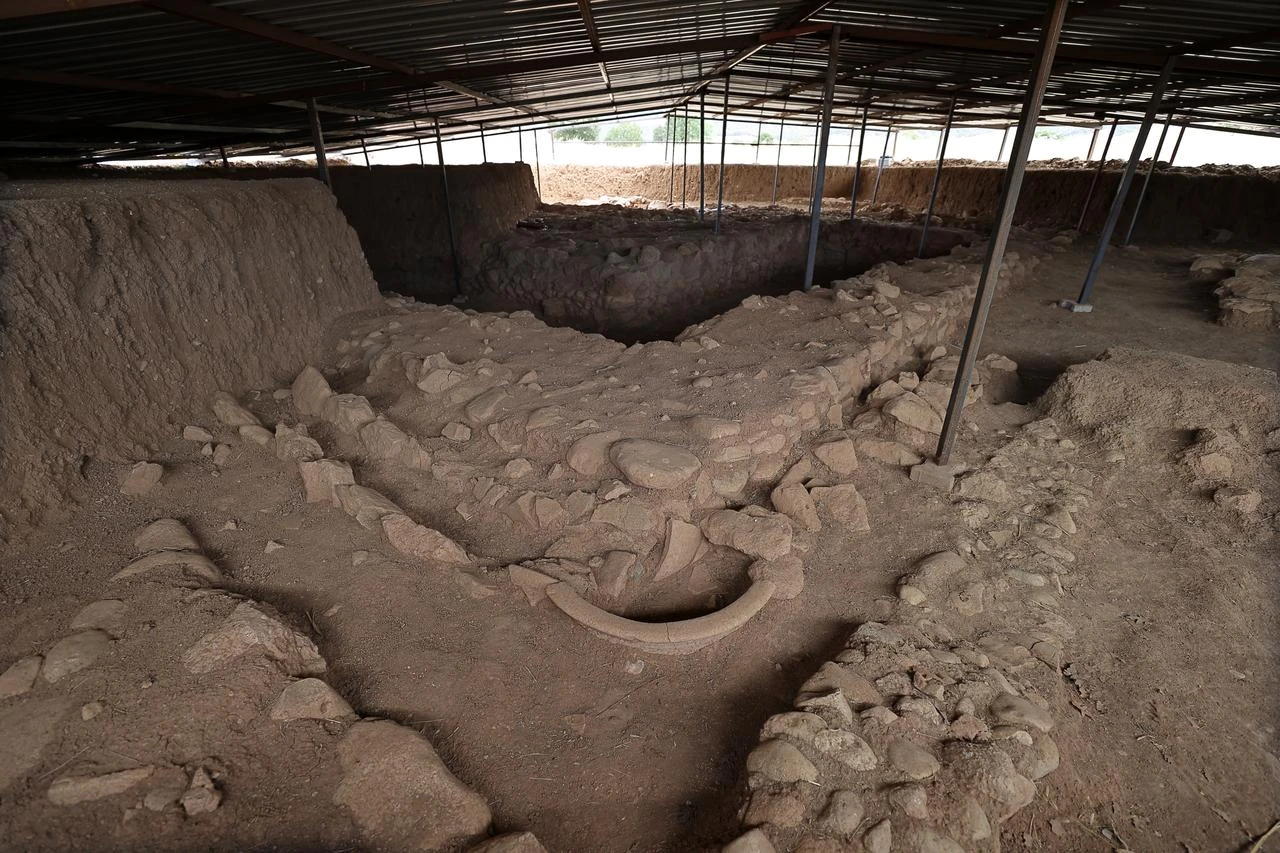
In 2025, excavators found a stone-paved section within one L-shaped room holding the headless skeleton of a lamb or young goat.
This year, a cattle skull was uncovered on a similar stone platform in the second L-shaped room, adding to evidence of ritual activity tied to the structure's use.
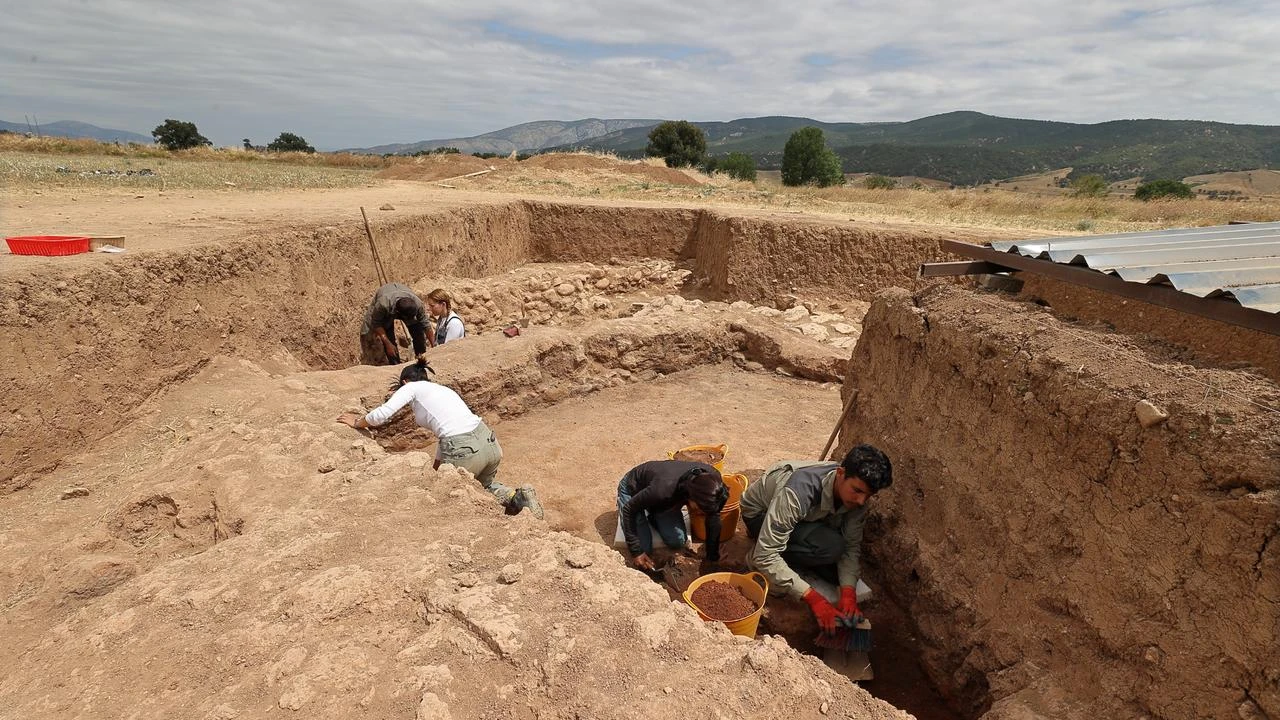
Written Hittite sources indicate that renovations to such buildings were often accompanied by animal sacrifice, and researchers believe the remains found at Sapinuva reflect that practice across multiple construction phases.
Whether the structure served as a public building, a temple, or an administrative center remains undetermined, with excavation work continuing into the building's interior rooms.

 1 min read
 1 min read
 3 min read


 Set as preferred source