Newsletters


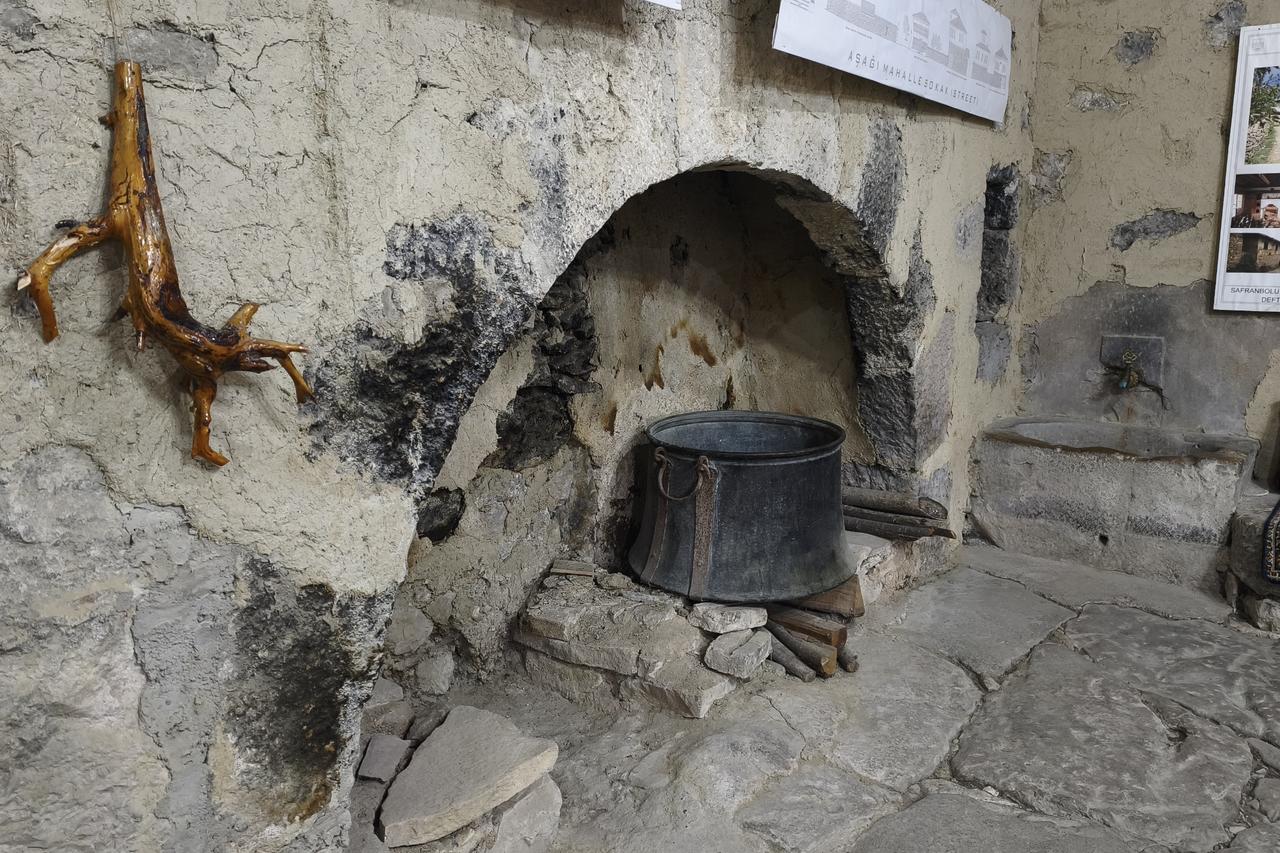


A historic communal laundry house in Safranbolu, Karabuk, northwestern Türkiye, is drawing visitors with a 12-sided stone washing platform designed centuries ago around geometry, water drainage, and the varying heights of its users.
Located in Yoruk village in Karabuk's Safranbolu district, the stone building remained in active use by villagers until 1985. According to village resident Ender Gumus, it was built by a Bektashi family around 300 to 350 years ago.
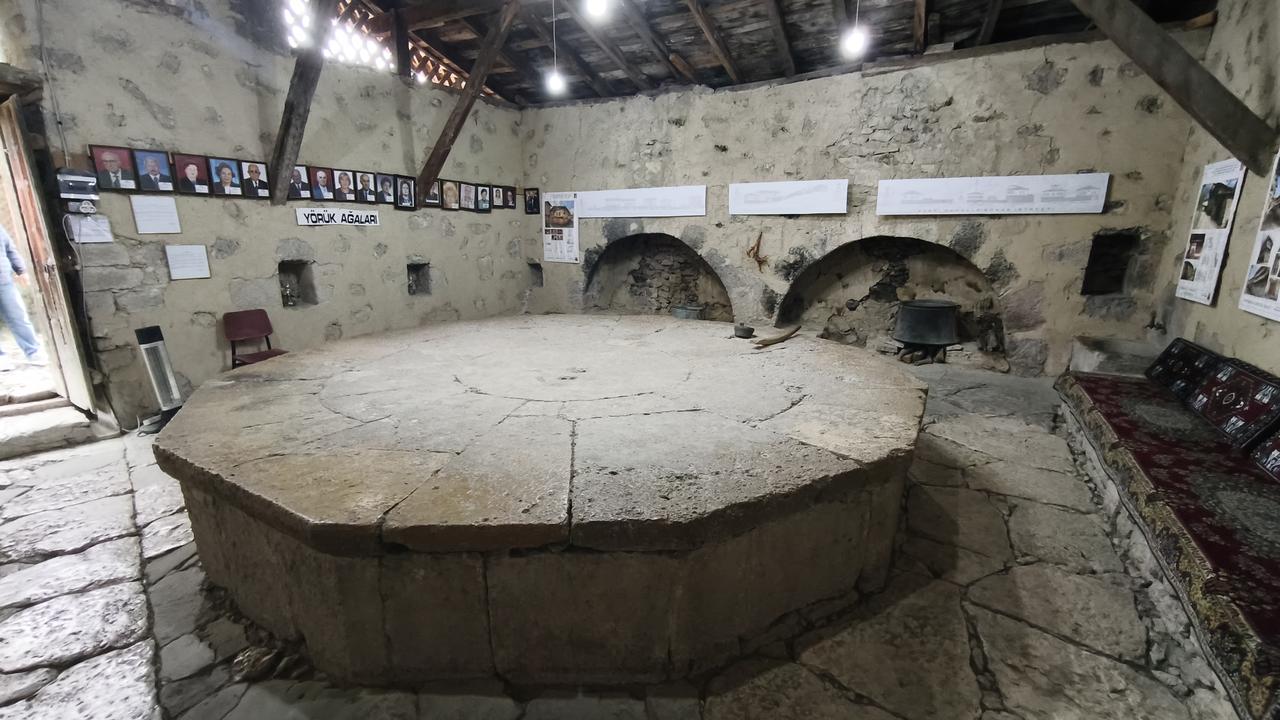

Gumus said the central washing stone forms a regular 12-sided geometric shape, while its surface was constructed with a slight gradient to direct water toward the middle.
"The stone is completely regular and geometrically dodecagonal. The slope is given so that the water goes toward the center and varies between 2% and 3%. In other words, 300-350 years ago, mathematics and geometry were used to build such a laundry house in the village," he said.
The height of the washing platform also changes around its edges rather than remaining uniform. Gumus explained that the design took different body heights into account, allowing villagers to choose a more comfortable working position and helping them avoid back pain while washing clothes for hours.
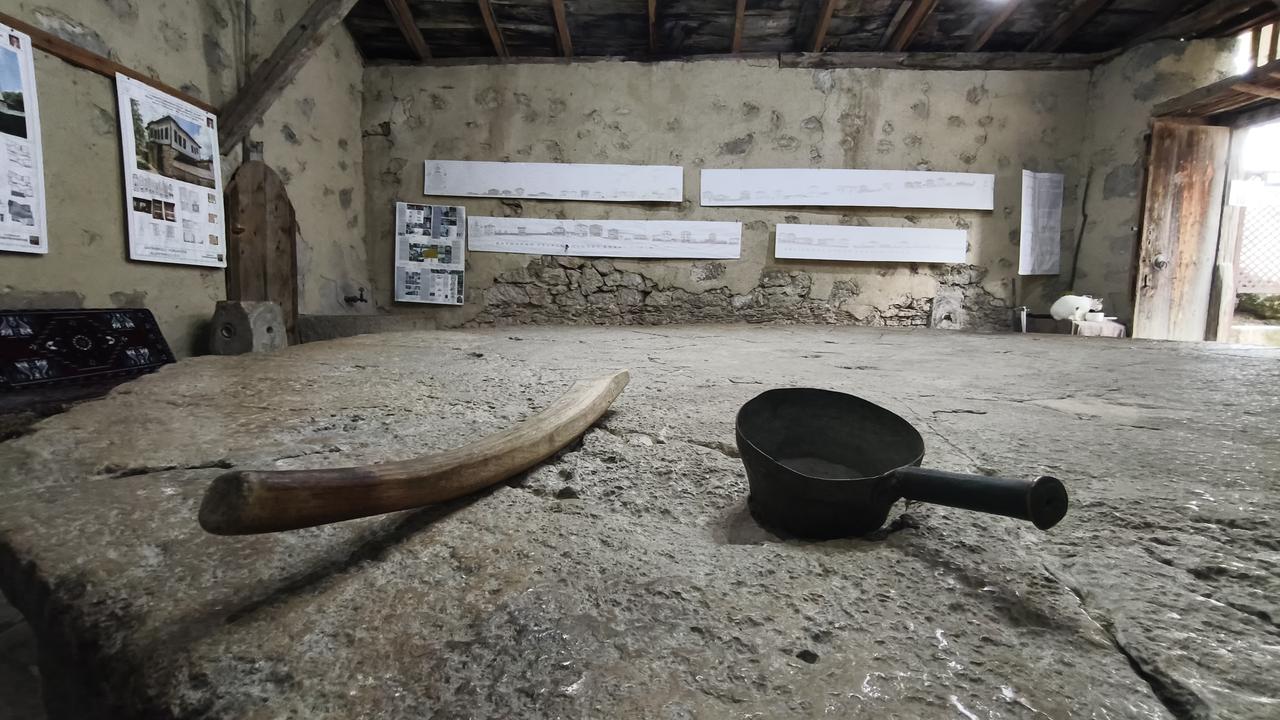
Beyond its practical purpose, the building served as one of the village's social spaces, where residents would spend much of the day washing clothes together.
A simple reservation system also developed around the building. People planning to wash clothes the following day would leave firewood in one of the corners to mark their place.
Gumus said communal laundry houses can be found elsewhere in Türkiye but added that they were not aware of another example bringing together the same architectural and ergonomic characteristics.
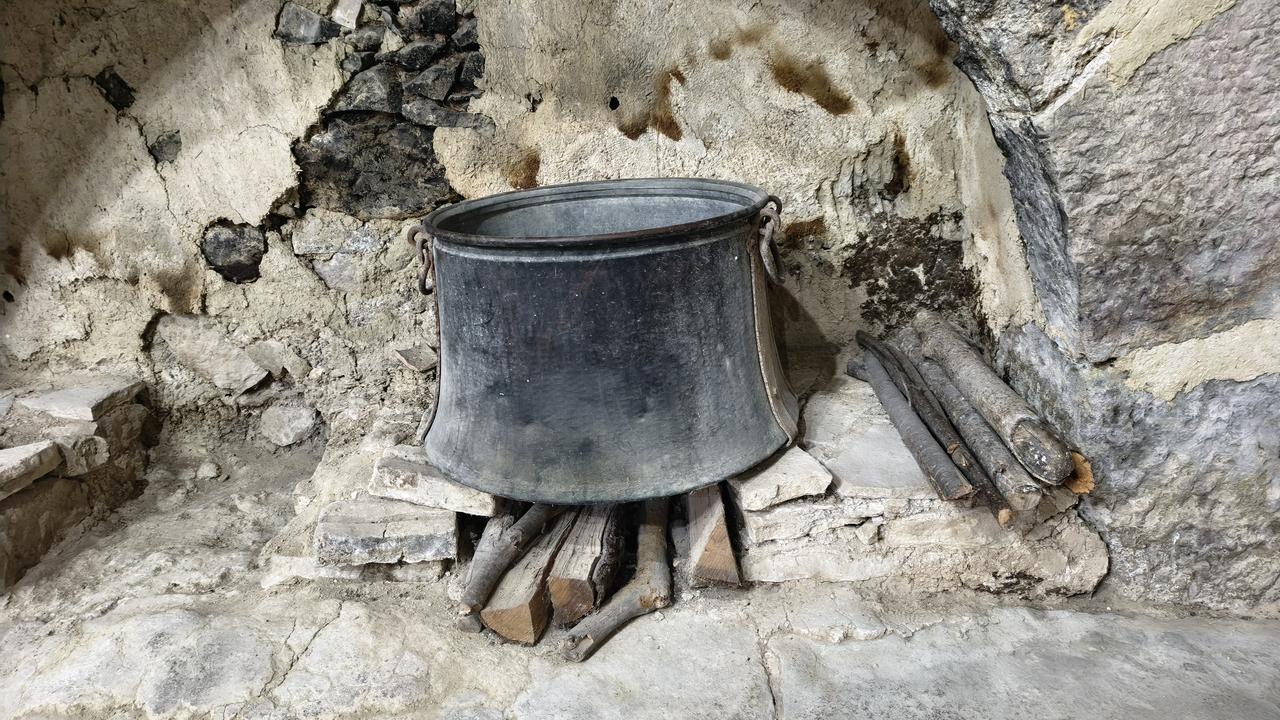
Karabuk University has also produced a measured architectural survey of the village, which is displayed in the area.
According to Gumus, the site draws visitors from different parts of Türkiye as well as from abroad, particularly from Europe and the Far East. Organized groups are more common in spring and autumn, while individual visitors tend to arrive during the summer season.


 Set as preferred source
 Set as preferred source


 2 min read