

 Newsletters


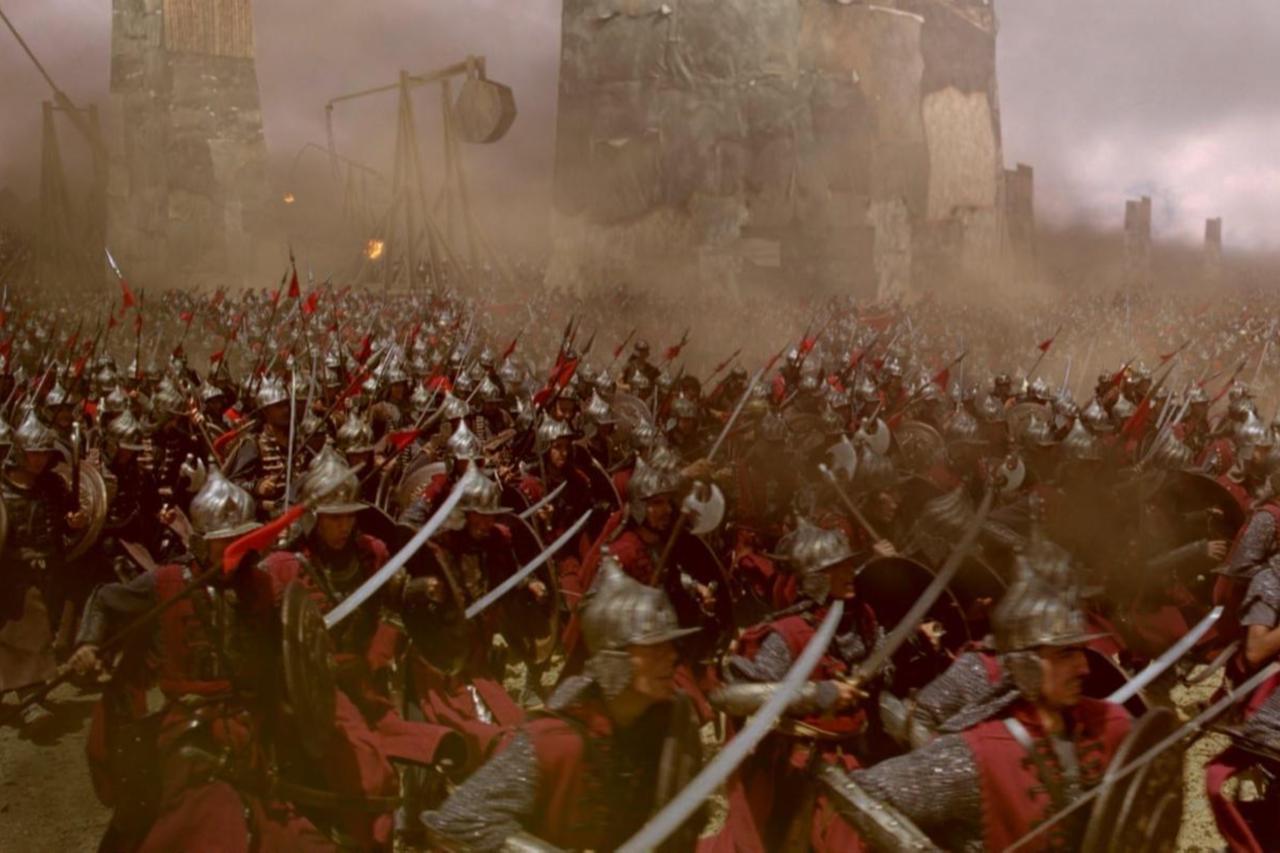


The conquest of Istanbul on May 29, 1453, was not the result of a single military breakthrough, but the outcome of long-term Ottoman planning, Byzantine political weakness, diplomatic maneuvering, advanced siege technology and deep social divisions inside the city.
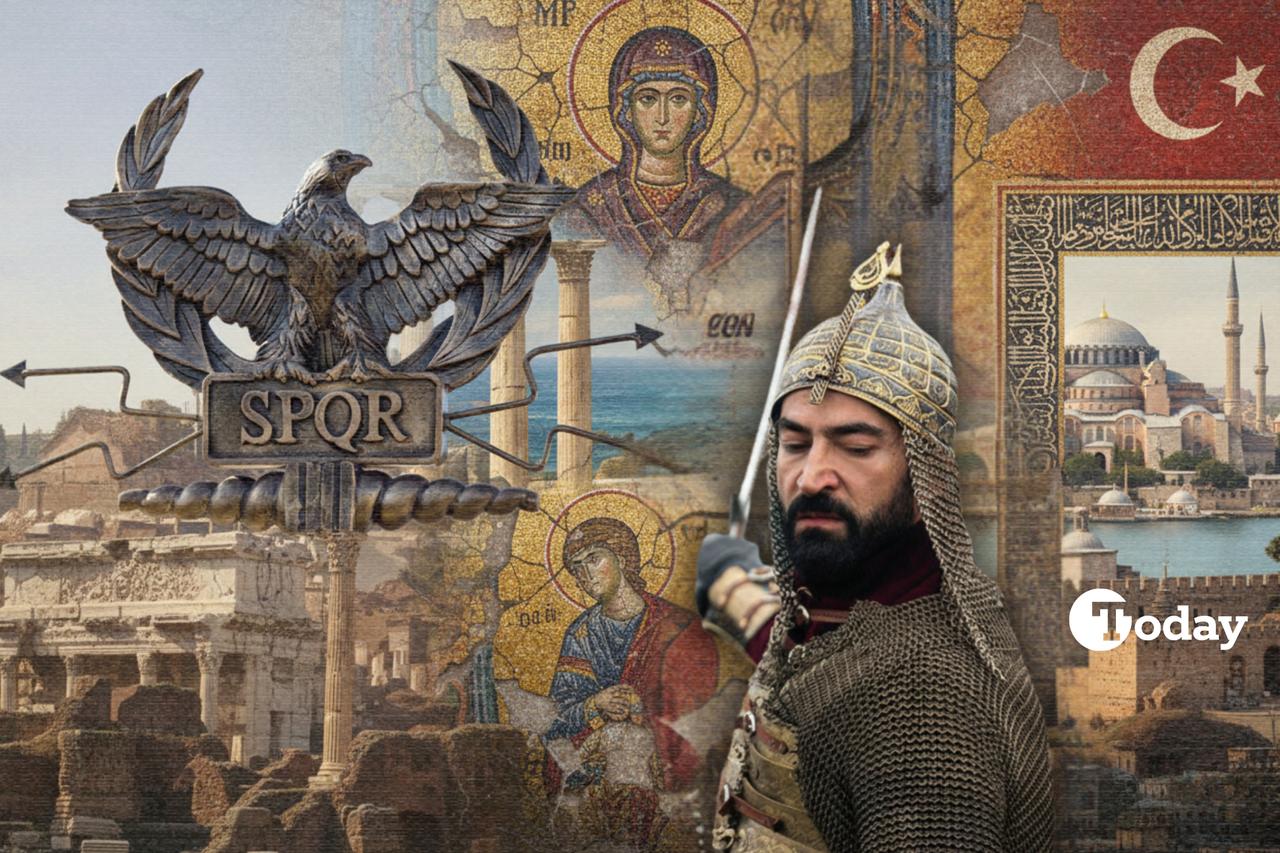
As the 573rd anniversary of the conquest is observed, the fall of the Byzantine capital stands out as one of the most decisive turning points in both Ottoman and world history. Led by Sultan Mehmed II, known after the conquest as Mehmed the Conqueror, the Ottoman campaign brought an end to the Byzantine Empire and opened up a new political era centered on Istanbul.
Although popular accounts often focus on the giant cannons that battered the city walls or the Ottoman ships carried overland into the Golden Horn, the wider process was more complex. The conquest grew out of a combination of military preparation, logistical organization, diplomatic pressure and the weakened condition of Byzantium.
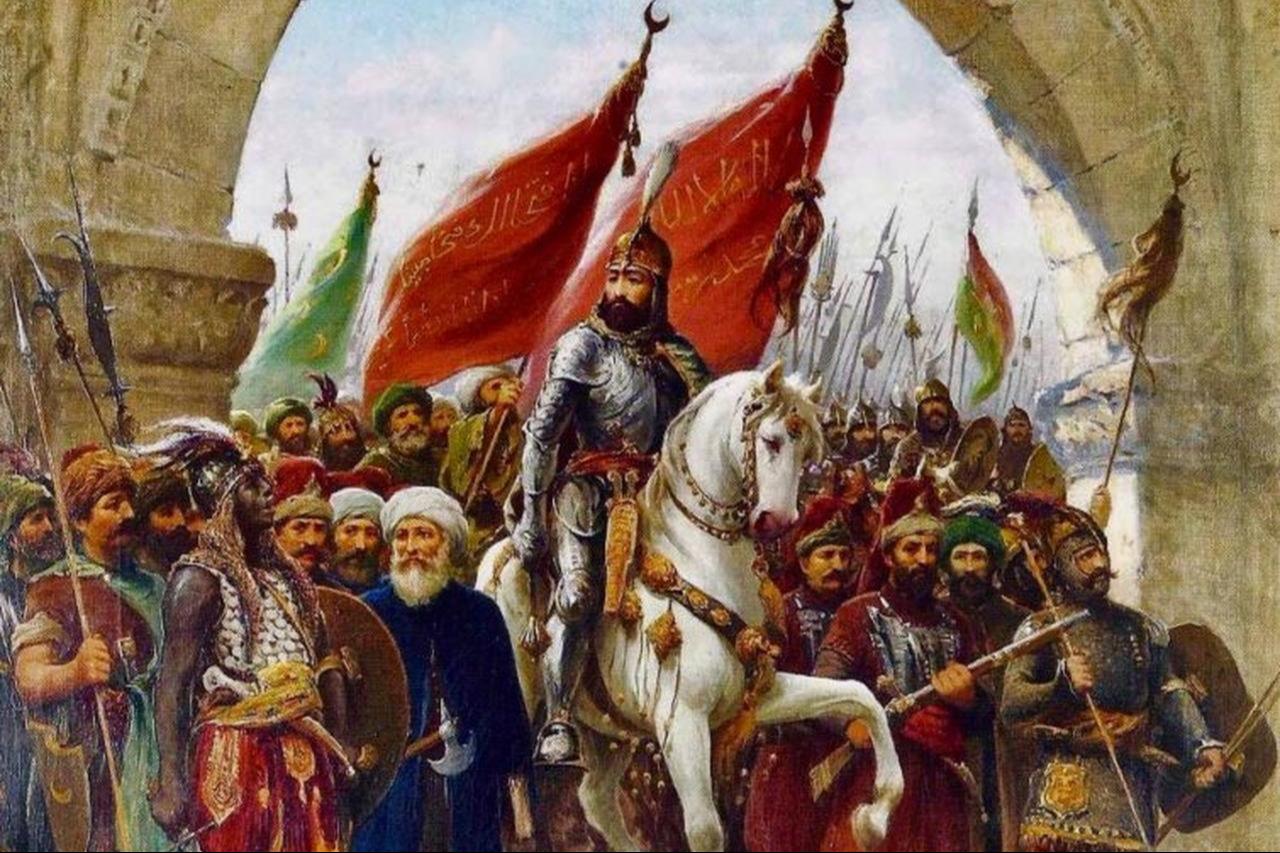

By the 1450s, the Byzantine Empire had been reduced to a symbolic power. Emperor Constantine XI faced severe financial and political problems, while the city struggled to repair its defenses and pay its soldiers during the siege.
The population was also divided over the question of union with the Catholic Church. While some Byzantine officials saw Catholic support as a necessary step against the Ottoman threat, many Orthodox residents opposed such a move. The union service held at Hagia Sophia in 1452 failed to draw broad public support, showing how weak internal unity had become before the final siege.
This lack of cohesion mattered because Istanbul’s defenses depended not only on its famous land walls, but also on morale, manpower and coordination. The city’s population had fallen sharply after the Fourth Crusade of 1204. By the mid-15th century, it could provide only a limited number of defenders.
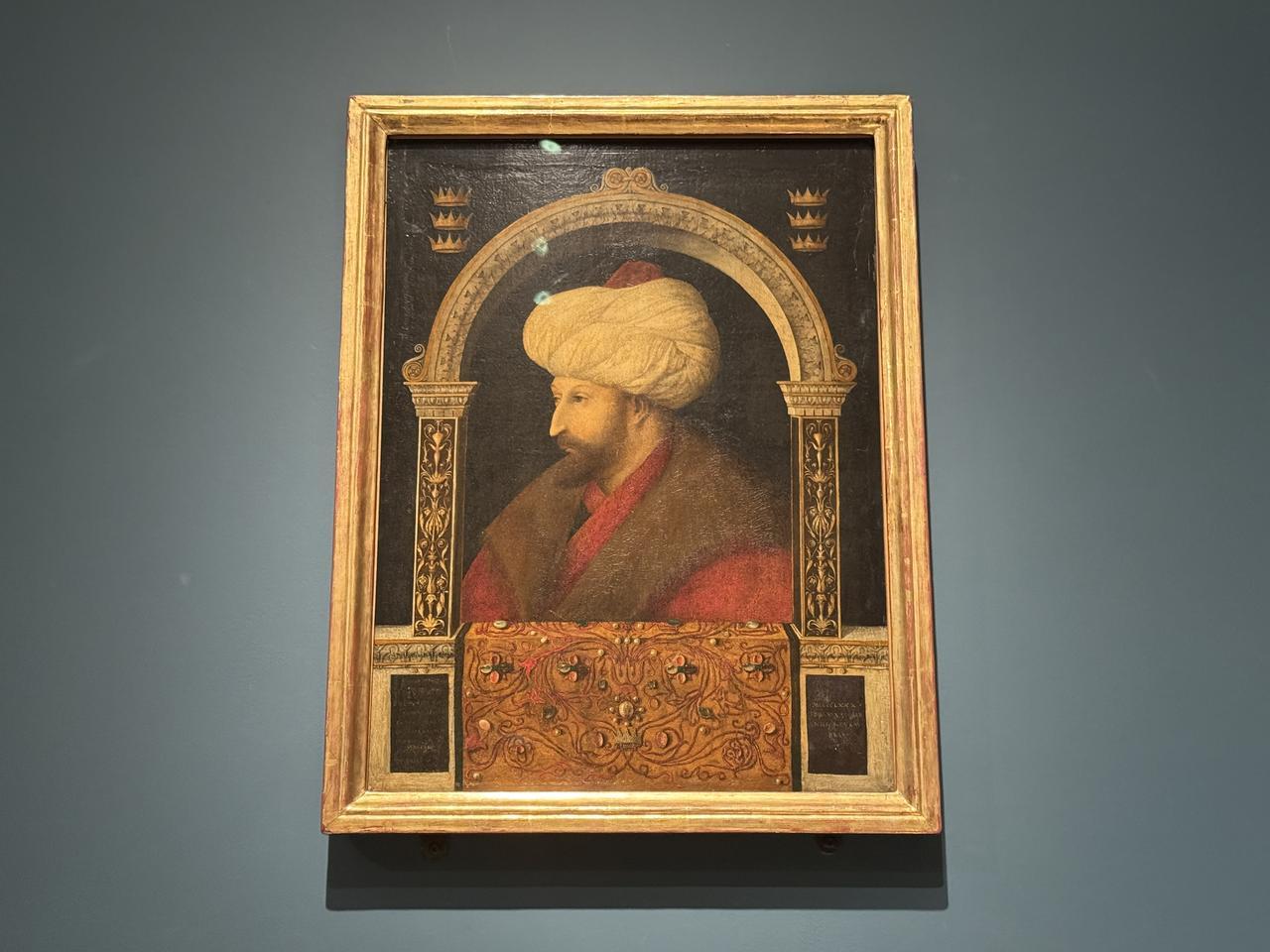
For the Ottoman state, Istanbul was more than a strategic target. It was a political objective tied directly to the authority of Mehmed II.
After being seen earlier as a young and inexperienced ruler under the shadow of his father, Murad II, Mehmed needed to prove his authority both inside the empire and abroad. Taking Istanbul would strengthen his position and support his claim to inherit the imperial legacy of Rome.
After the conquest, one of the titles he adopted was Kayser-i Rum, meaning “Caesar of Rome.”
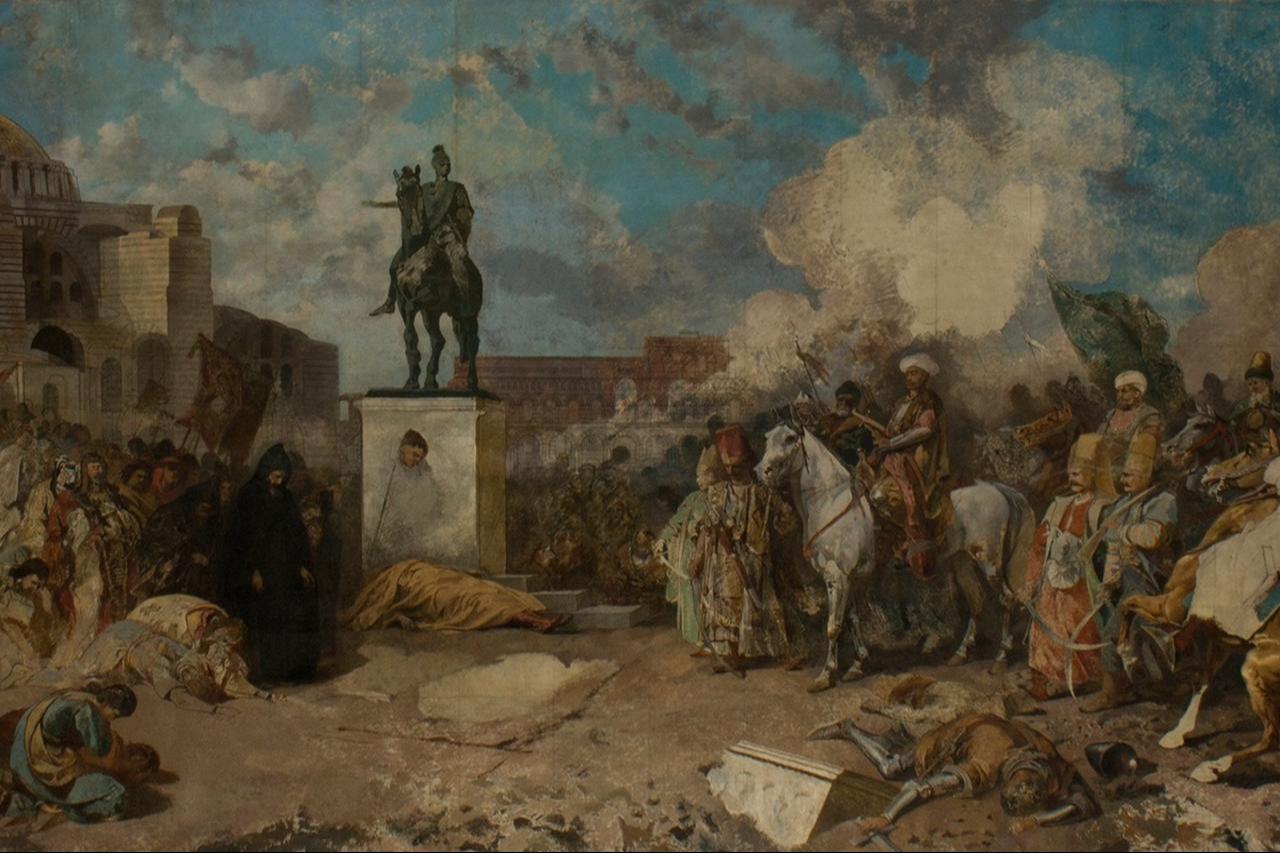
Before launching the siege, Mehmed II worked to limit the possibility of outside help reaching Byzantium. He followed a careful policy toward Venice and Genoa, while giving assurances to the Genoese colony of Galata so that it would largely stay out of the conflict. Although individual Genoese fighters supported the Byzantine defense, Galata as a community mostly remained neutral.
The Ottomans also moved to control the Bosporus, the narrow waterway linking the Black Sea to the Sea of Marmara. In 1452, they built Bogazkesen, later known as the Rumeli Hisari, to cut off northern assistance and strengthen Ottoman control over maritime traffic. The fortress also served as a logistical base for the siege.
At the same time, the Ottoman army built up its siege capacity. Large cannons were cast in Edirne, including the famous Sahi Topu, designed by the cannon founder Urban. Moving such heavy artillery to Istanbul required major organization, with roads and bridges strengthened along the route.
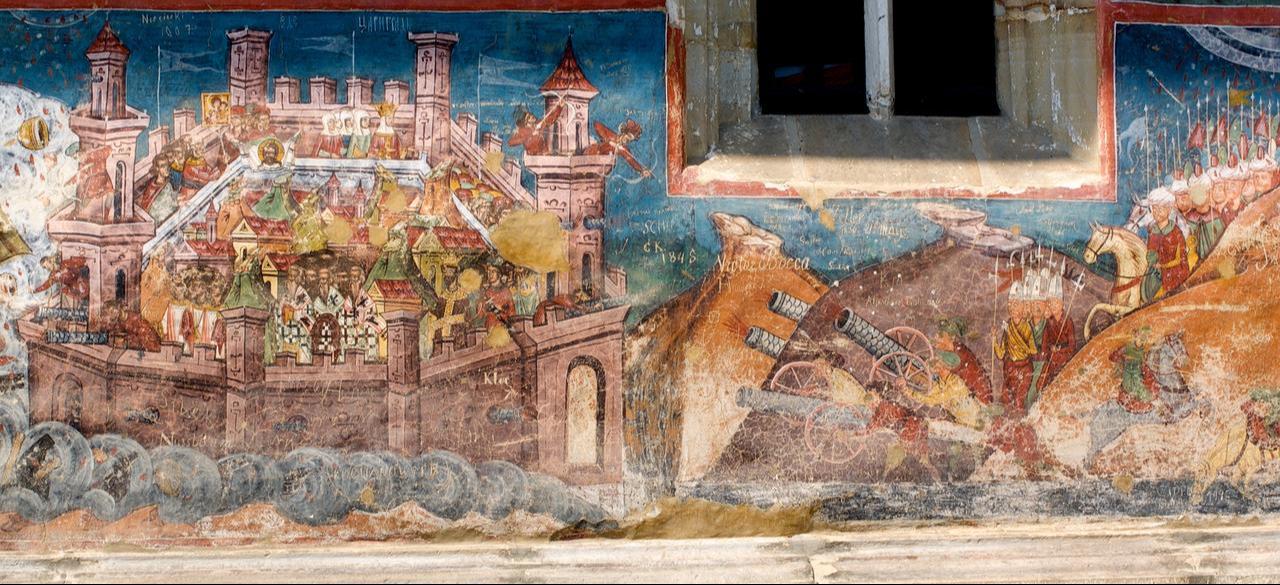
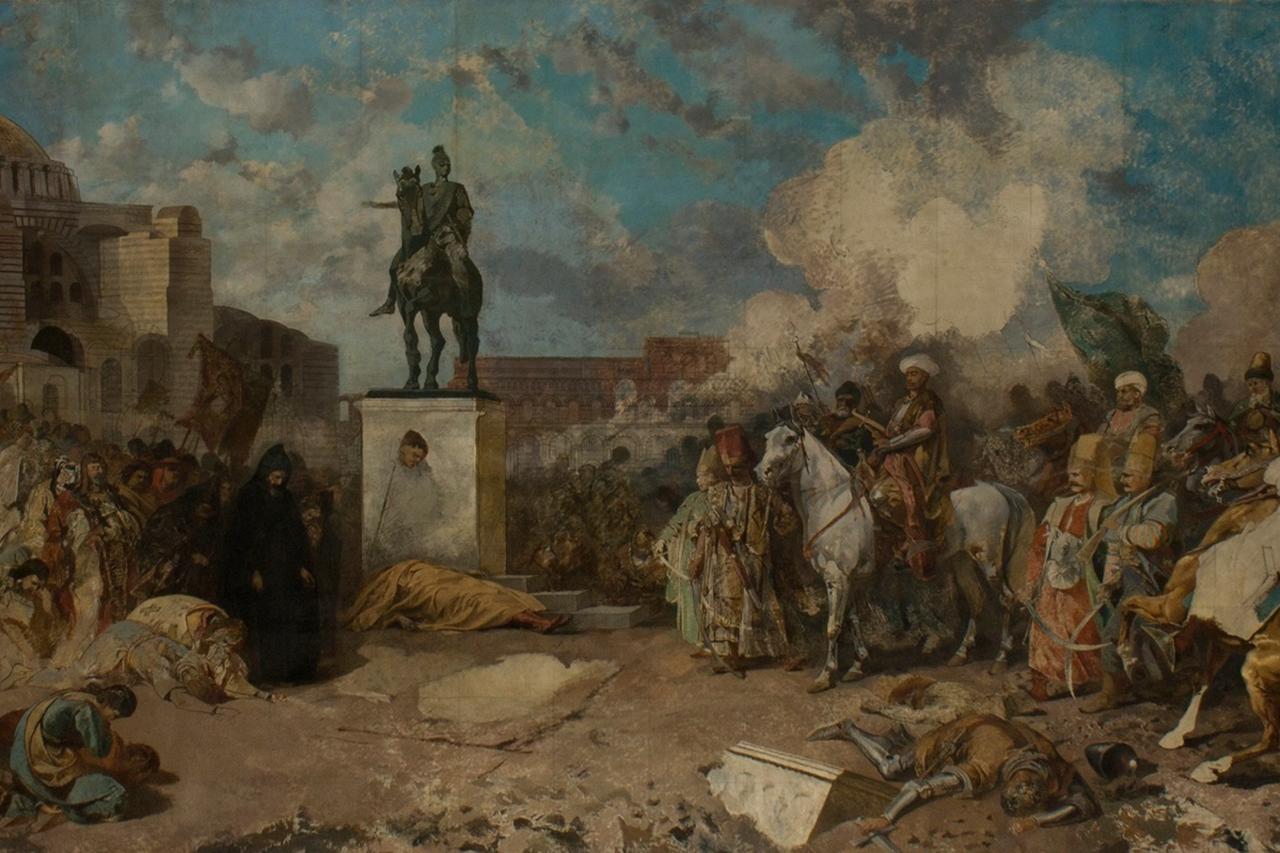
The siege began on April 6, 1453, and lasted 53 days. The Ottoman army brought together tens of thousands of soldiers, auxiliary forces and siege equipment, while the city’s defenders relied on strong walls, limited manpower and foreign support.
As the siege dragged on, frustration grew among some Ottoman troops, including the janissaries, the elite infantry corps of the empire. Mehmed II responded with discipline, promises of rewards and firm leadership to hold the army together.
On the Byzantine side, one of the most important figures was the Genoese commander Giovanni Giustiniani, who oversaw key sections of the land walls. His injury on the final day of the siege damaged morale and helped speed up the collapse of the defense.
Another major moment was the Ottoman operation to move ships overland into the Golden Horn, the inlet that protected part of the city. Rather than a simple act of dragging vessels over wooden tracks, the maneuver required workers, rollers, lifting systems and careful coordination. It showed how the conquest depended as much on logistics as on battlefield force.
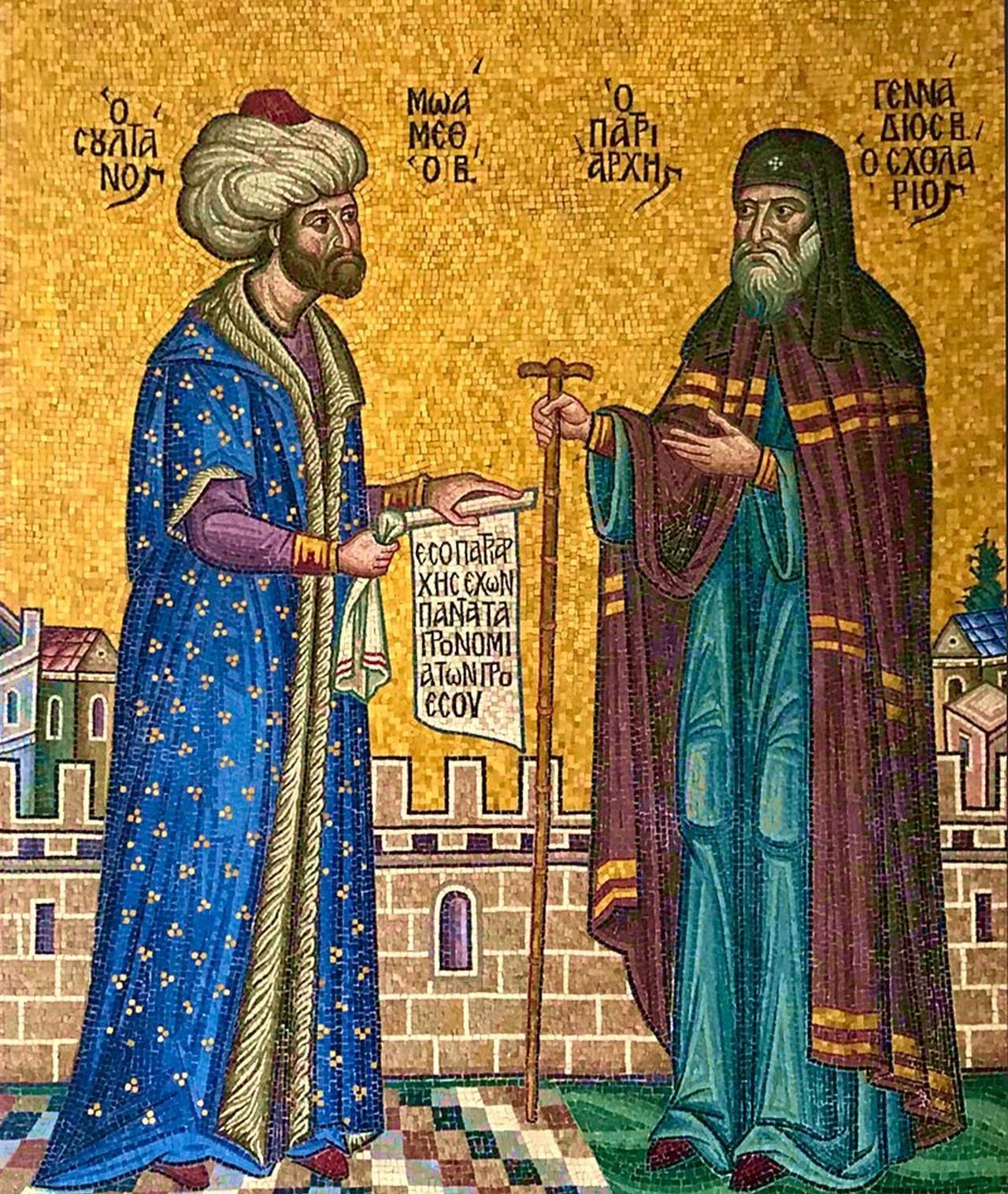
After the conquest, Mehmed II chose to rebuild Istanbul rather than leave it ruined. The city had lost much of its population, so the Ottoman administration brought in communities from Anatolia and Rumelia, including Muslim, Armenian and Jewish groups, to revive urban life.
Hagia Sophia was converted into a mosque on the day of the conquest, but the Ottoman state also allowed the Greek Orthodox Patriarchate to continue functioning. Mehmed II approved the appointment of a patriarch, reflecting a pragmatic policy toward different religious communities under Ottoman rule.
These steps reshaped Istanbul into a new imperial capital. Over time, it became a cosmopolitan center where Muslim, Christian and Jewish communities lived within the political framework of the Ottoman Empire.
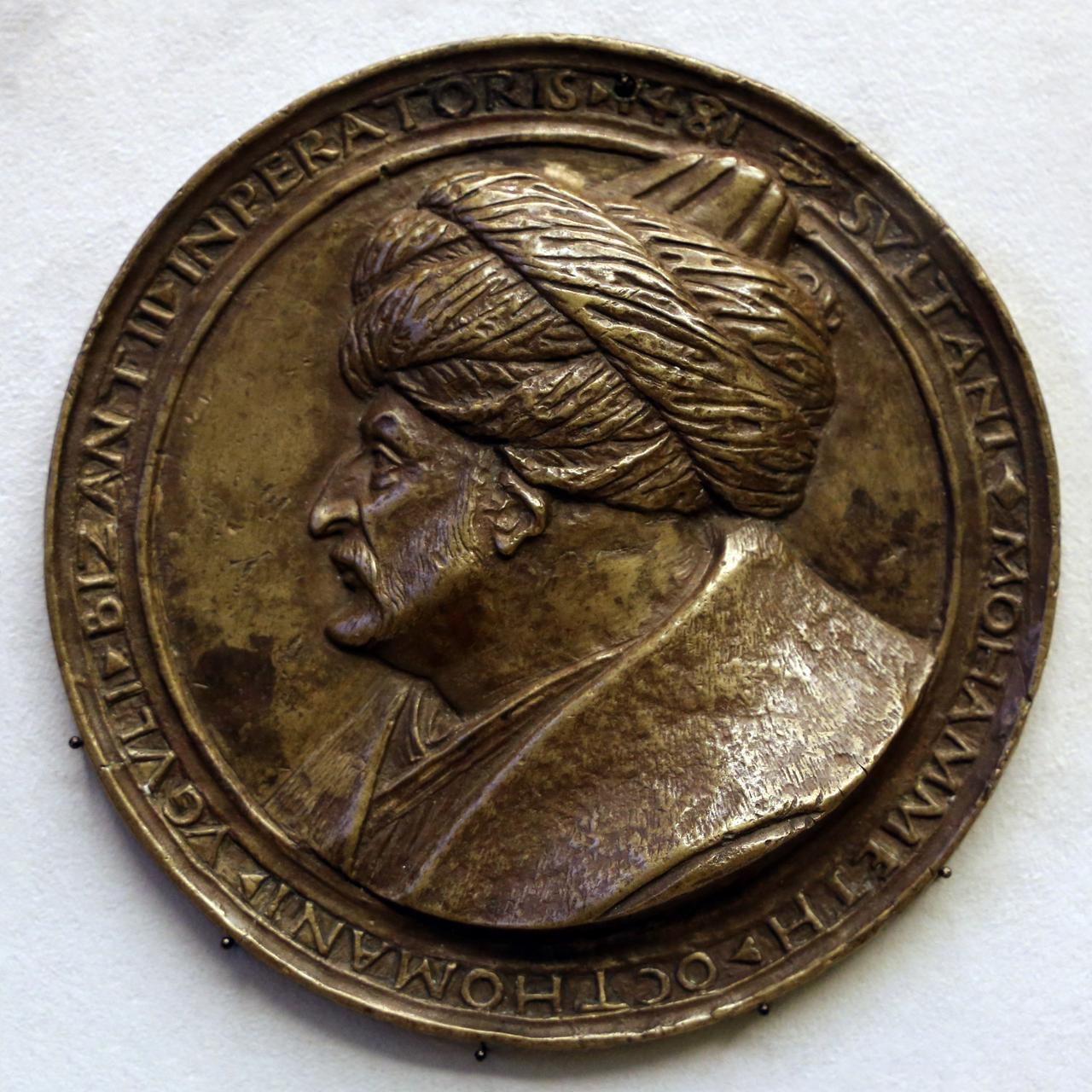
The conquest ended the Byzantine Empire and removed a major obstacle between the Ottoman lands in Anatolia and the Balkans. It strengthened Ottoman military mobility and helped the state grow from a regional power into an imperial force.
The event also had major consequences for Europe. The fall of Istanbul changed the balance of power in the eastern Mediterranean and created anxiety in Western Europe. According to the provided historical account, this pressure contributed to the search for new trade routes in later years.
In military history, the conquest also underlined the growing importance of artillery. The fall of a city long protected by powerful walls showed that cannon technology could change the outcome of sieges and weaken older assumptions about urban defense.
For these reasons, May 29, 1453, remains more than the date of a city’s capture. It marks the end of Byzantine rule, the rise of Istanbul as the Ottoman capital and a major shift in the political and military history of the wider world.


 Set as preferred source
 Set as preferred source


 2 min read
 1 min read


