Newsletters


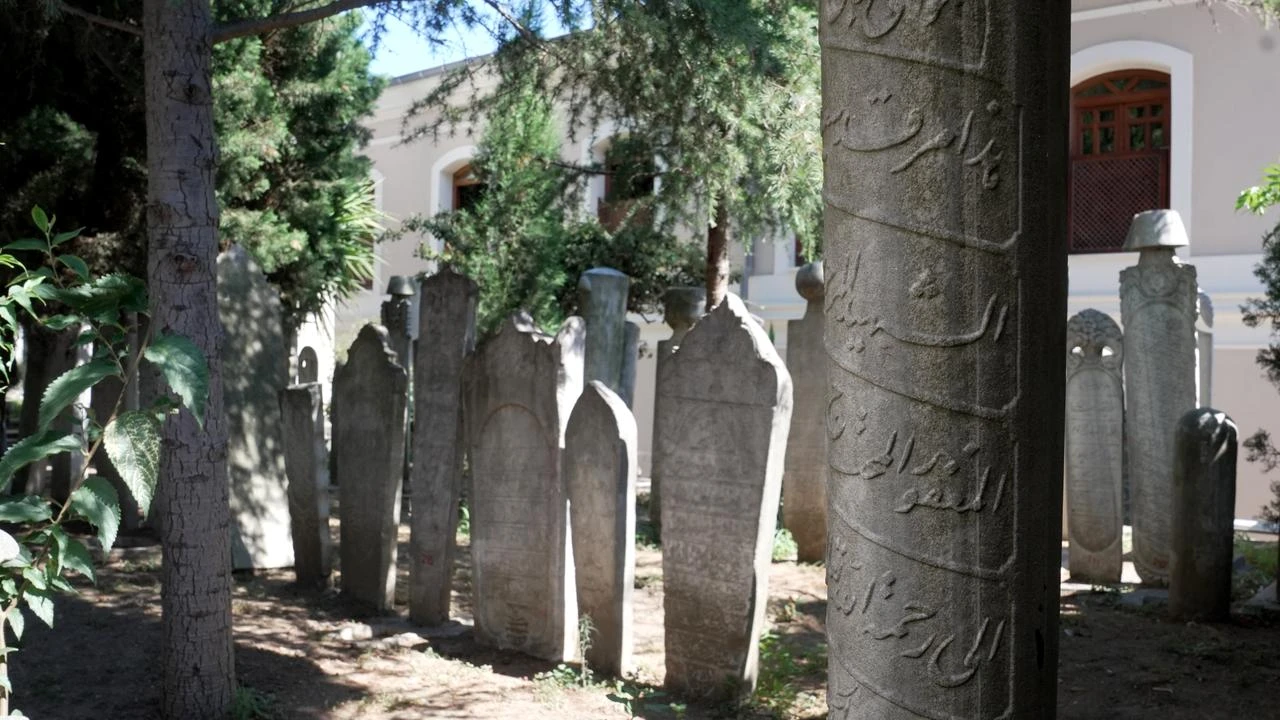
In Istanbul's historic cemeteries, centuries-old gravestones carved with names, professions and dates offer a rare window into the Ottoman era's social and artistic life.
A new inventory project, carried out under presidential patronage by Türkiye's Ministry of Culture and Tourism, is now recording these monuments before time or urban change erases them.
Each gravestone carries a distinct headpiece, a stylistic marker that once signaled the deceased's profession and standing in Ottoman society.
Art historians say these carved forms, along with inscriptions and ornamentation, make gravestones among the most valuable surviving records of period craftsmanship, on par with major nearby architectural monuments.
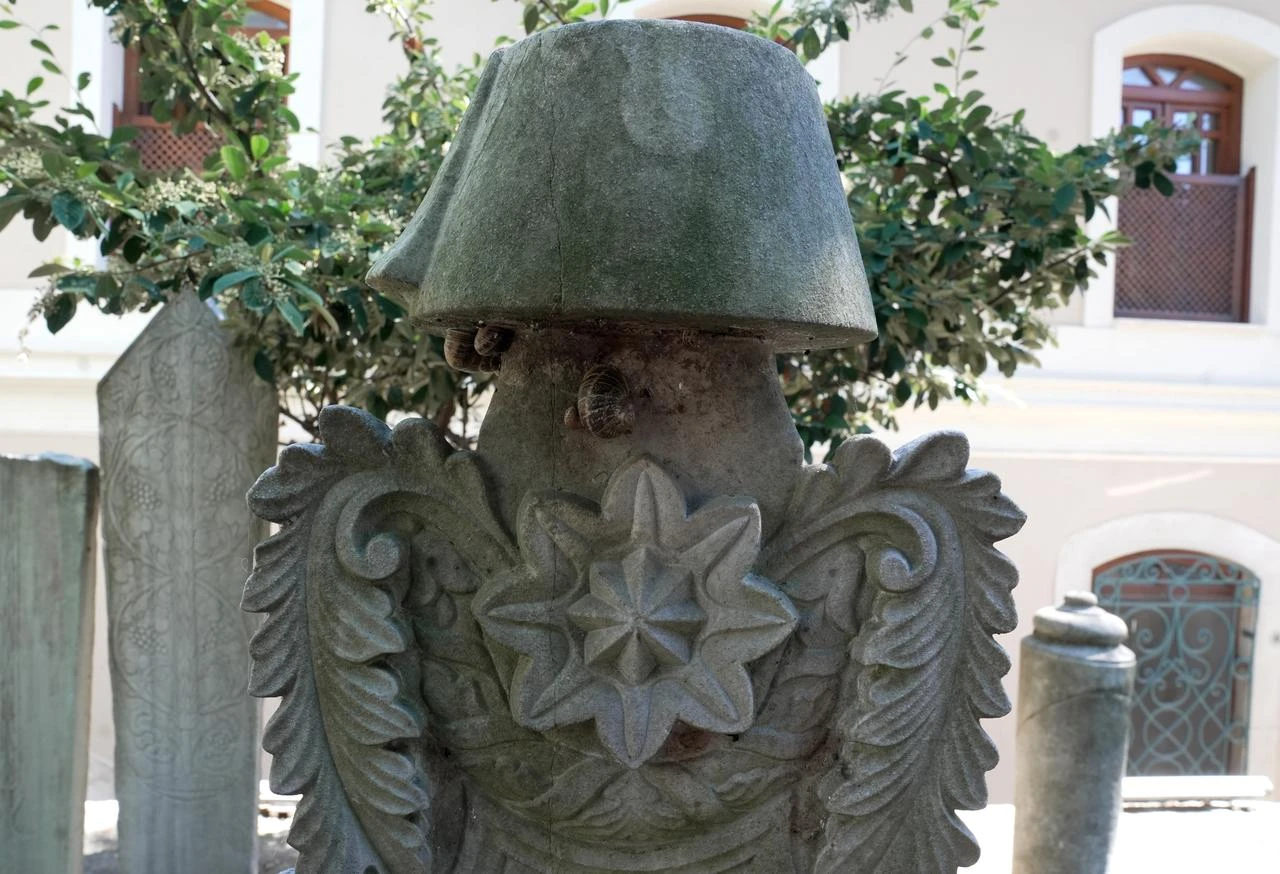
Beyond decoration, the inscriptions carved into each stone identify who is buried beneath it and when they died, anchoring individual lives to specific moments in Istanbul's past.
Researchers read these inscriptions (kitabe) line by line, extracting names, dates and biographical details that rarely survive in written archives from the same era.
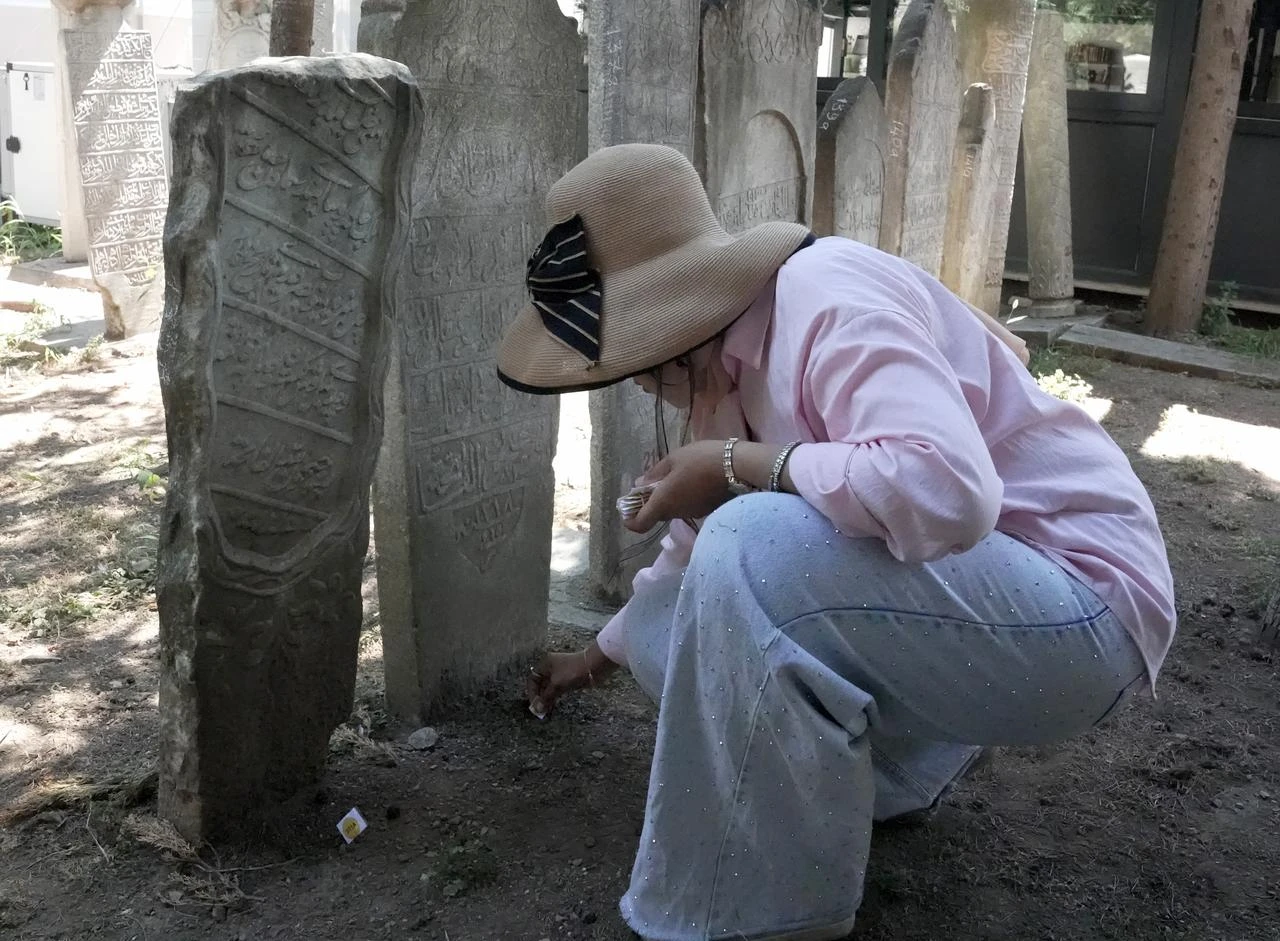
Ornamentation on the stones carries symbolic weight: cypress trees represent eternity, carved fruit bowls evoke the abundance of paradise, and inscribed phrases reflect the spiritual outlook of their time.
Scholars note that wording shifted after the 19th century, as expressions of resignation gave way to phrases mourning worldly separation and loss.
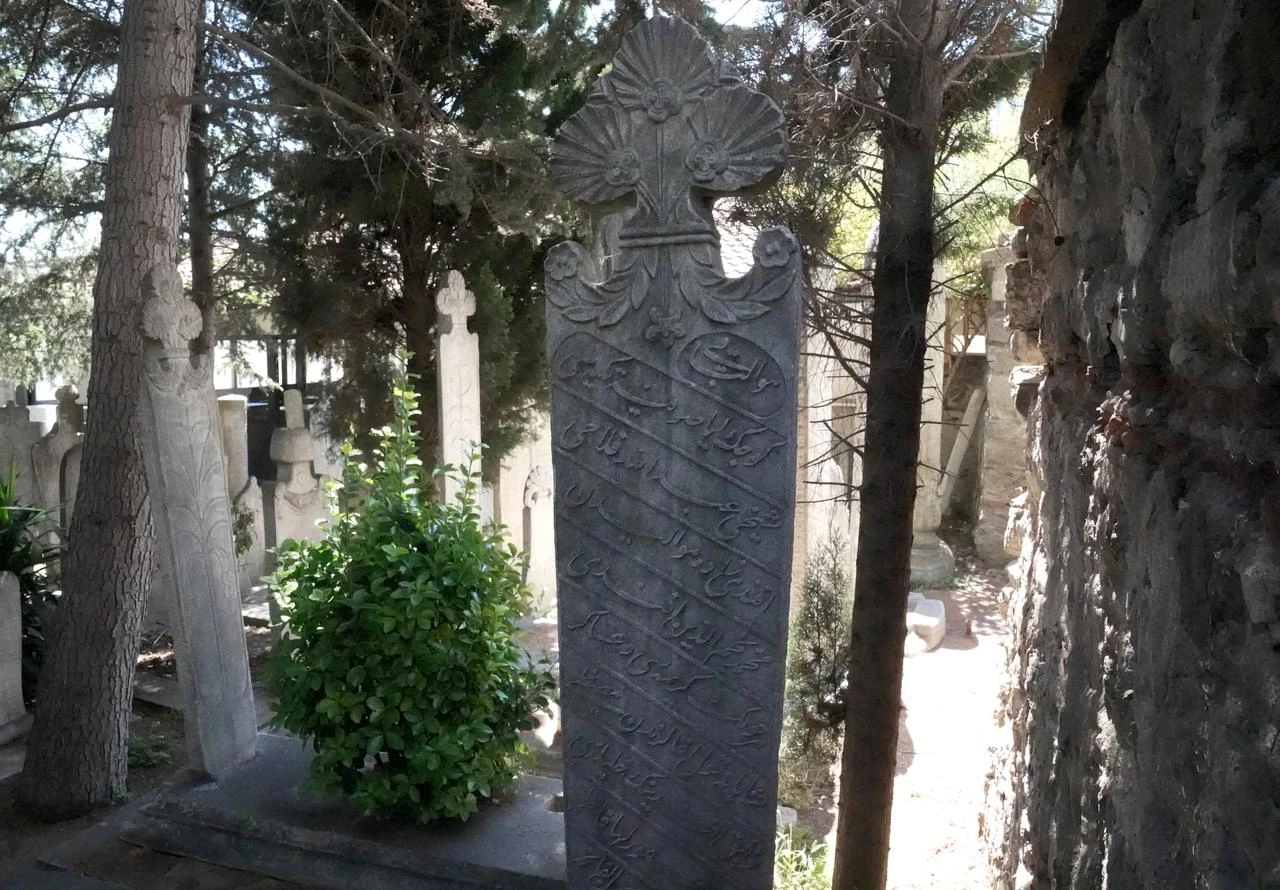
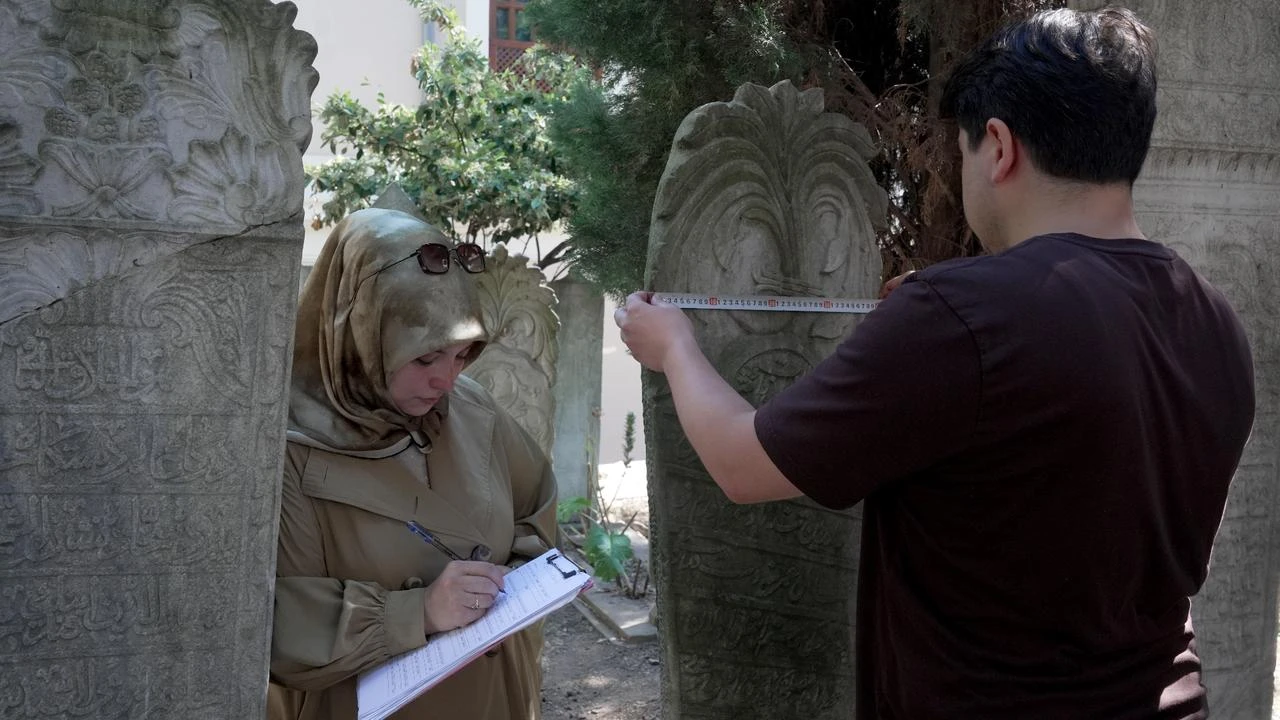
On site, teams of eight to ten specialists move through mosque cemeteries, assigning each stone a number before photographing it and recording its measurements.
The process, part of the Islamic Inscriptions and Gravestones Inventory Project, has been underway in Istanbul's Uskudar district since preparations began nearly two years ago.
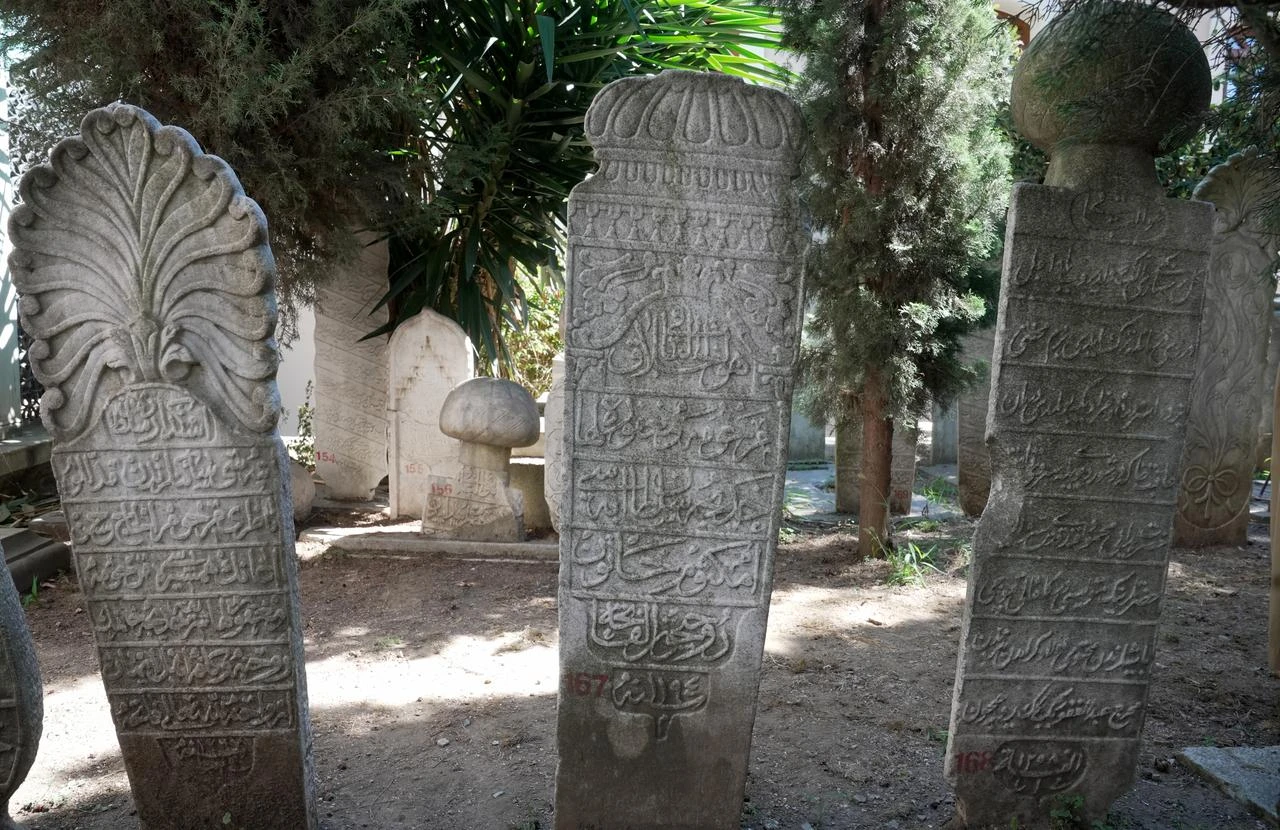
Each stone's exact position is logged using GPS coordinates and geographic information systems, fixing its location within the cemetery for the first time in many cases.
Researchers describe this step as effectively securing a title deed for the monument, ensuring that even if a stone is later moved or lost, its recorded place remains intact.
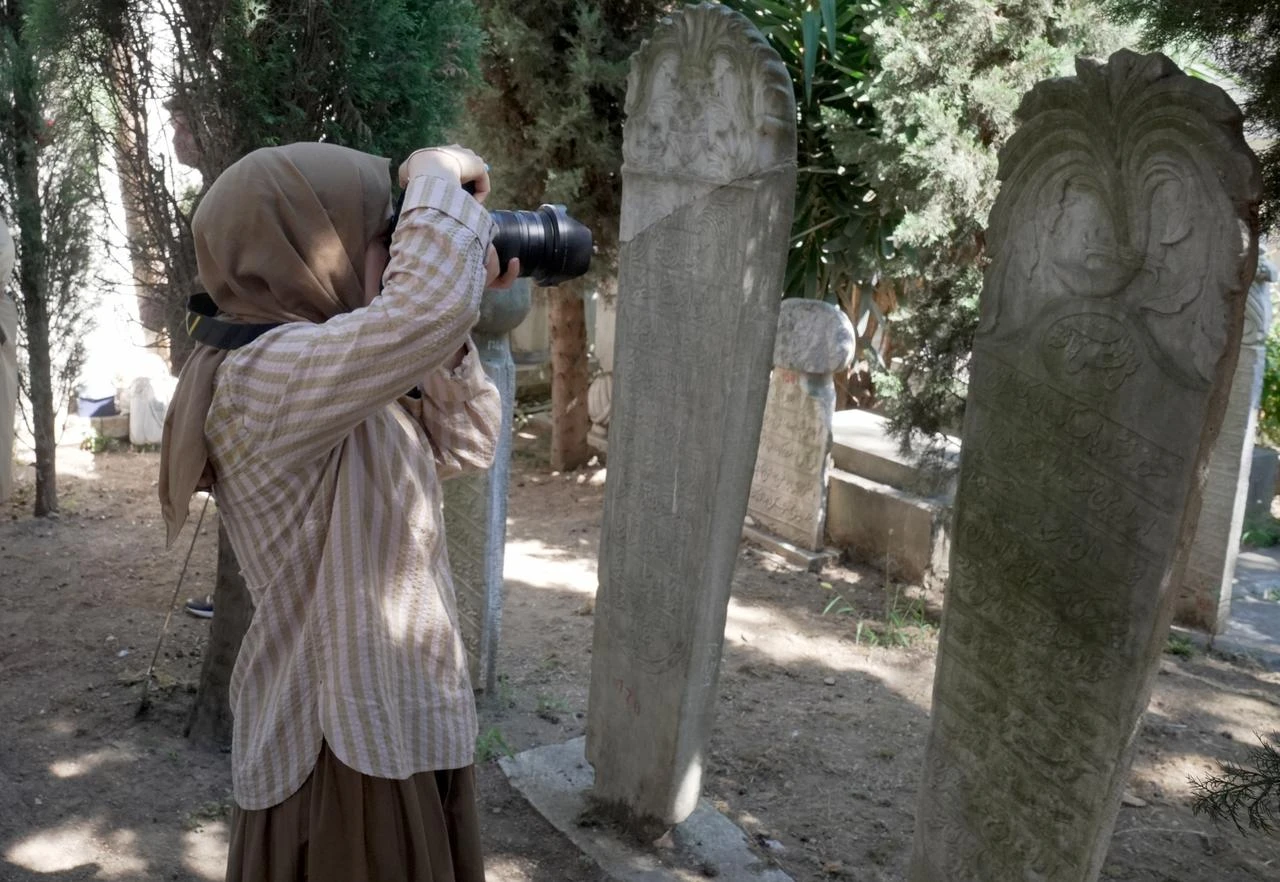
Findings from each stone, its shape, script, decoration and inscribed text, are entered into a digital inventory system, where specialists review and verify the data before it is finalized.
This scholarly cross-checking distinguishes the project from a simple photographic survey, embedding expert analysis into every recorded entry.
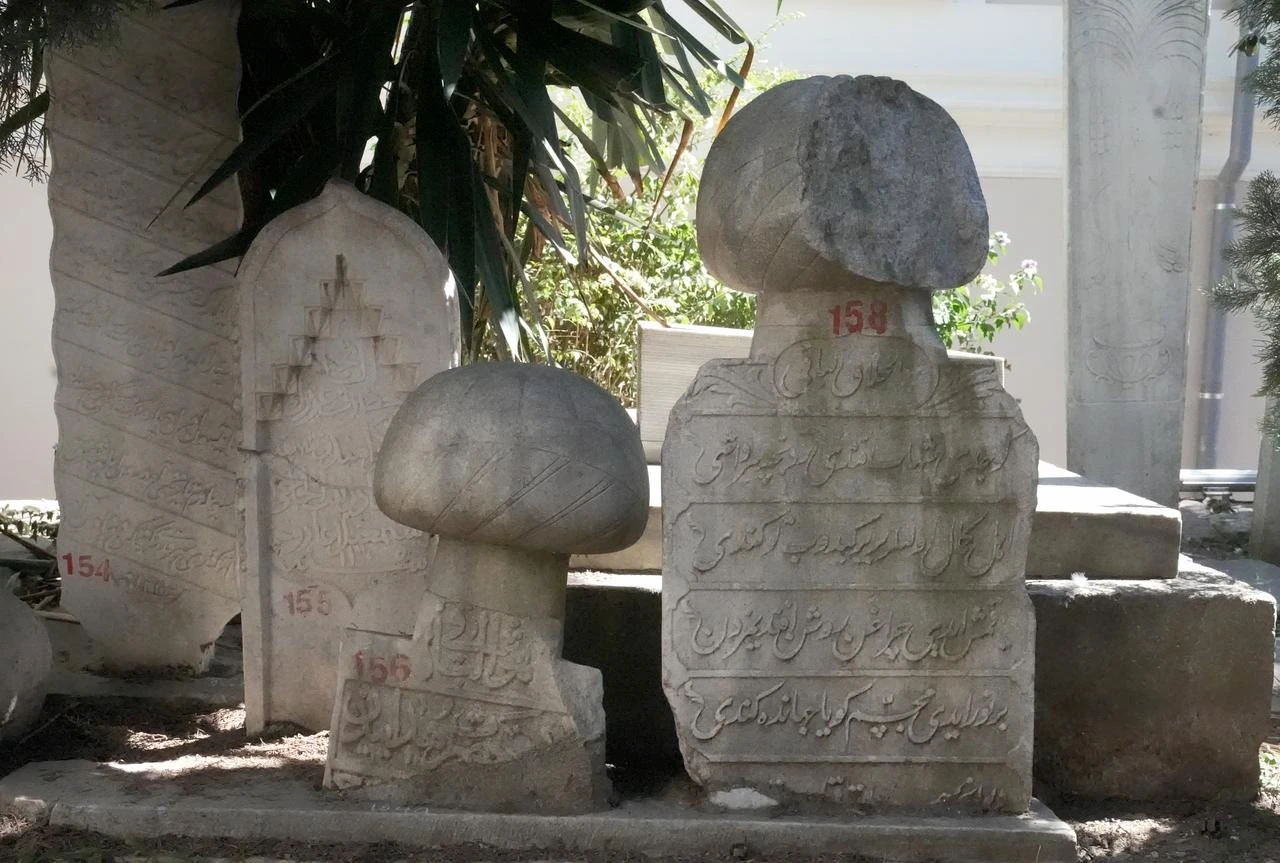
Once verified, records from Istanbul's cemeteries feed into Türkiye's national Museum Inventory System, linking local findings to a country-wide archive accessible to researchers.
Project coordinators say the goal extends beyond preserving physical stones, aiming to safeguard the personal, artistic, and cultural knowledge carved into them for generations to come.

 1 min read


 Set as preferred source