Newsletters


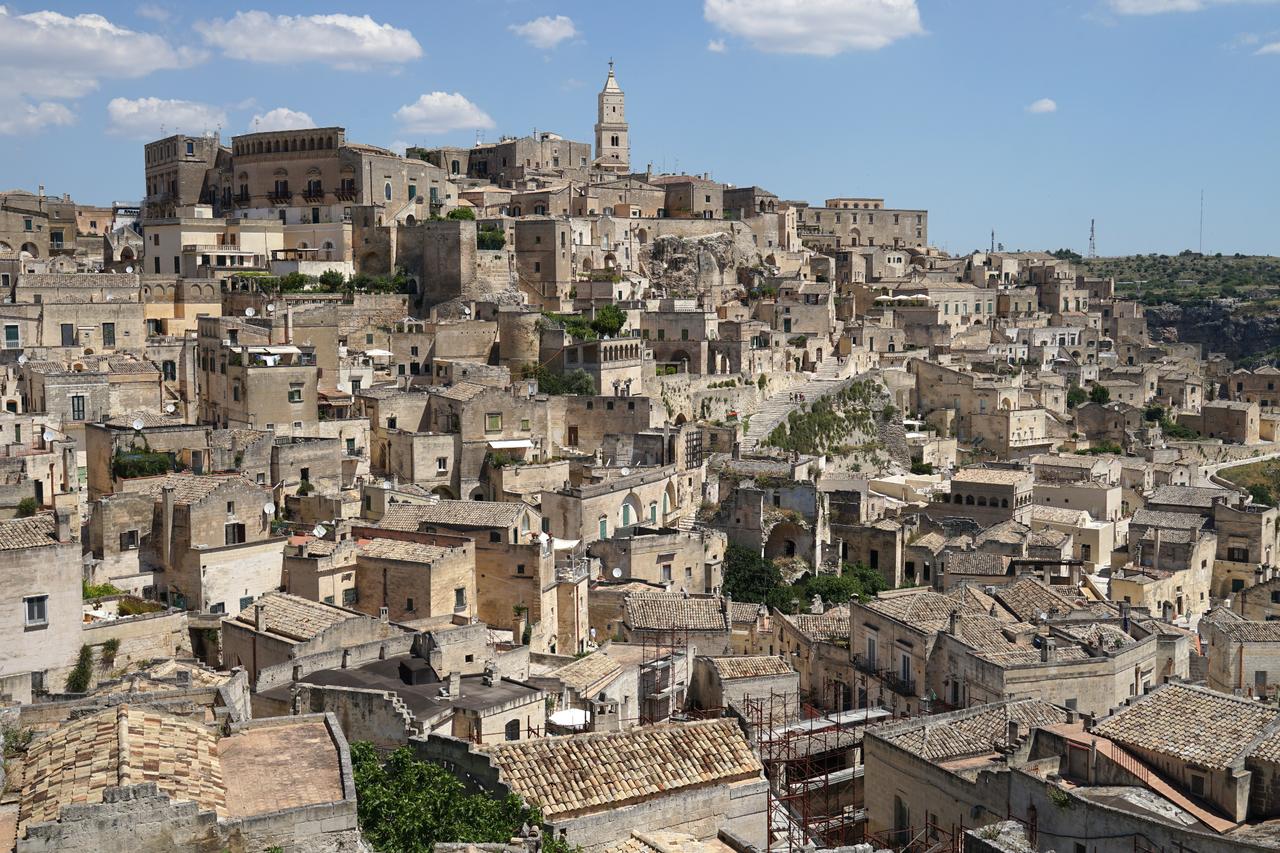


Exhibitions, concerts and artistic residencies are turning Matera, a southern Italian city far from the coast, into a meeting point for Mediterranean artists this year. The city is the Mediterranean Capital of Culture and Dialogue 2026, and organizers say the program aims to open channels of communication across a region increasingly associated with war, migration, and political division.
From the Sassi, its ancient cave dwellings, the view takes in pale rock, scrub and ravines rather than the sea. The Mediterranean nonetheless runs through the year’s program, evoked through art, music, ancient languages and centuries of migration.
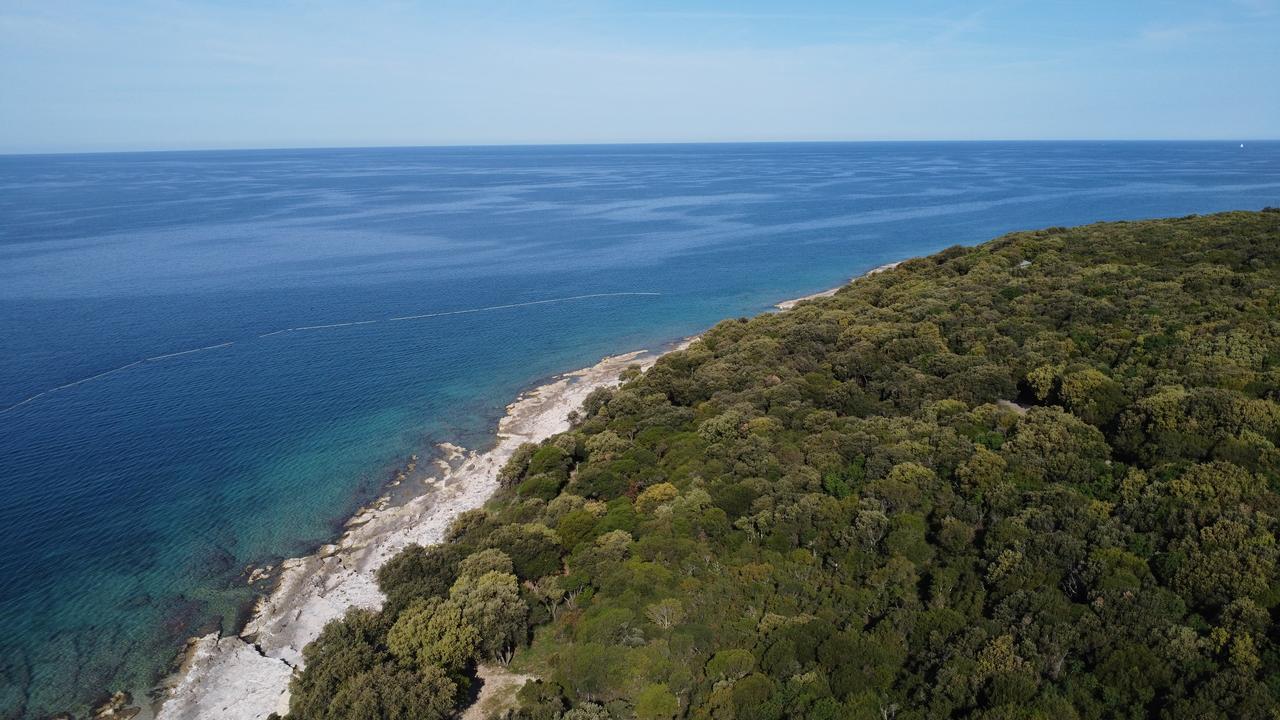

Rita Orlando, general director of the Matera Basilicata 2019 Foundation, described the Mediterranean as “a vast liquid continent that carries with it millennia of history and culture.”
Orlando said the initiative is an exercise in cultural diplomacy, based on the belief that encounters among artists, musicians and communities can foster understanding where conventional diplomacy struggles.
In Michelangelo Pistoletto’s “Love Difference,” installed in the rock-hewn Complesso Rupestre Madonna delle Virtu e San Nicola dei Greci, a mirrored table takes the shape of the Mediterranean. Chairs representing the cultures around the sea surround it.
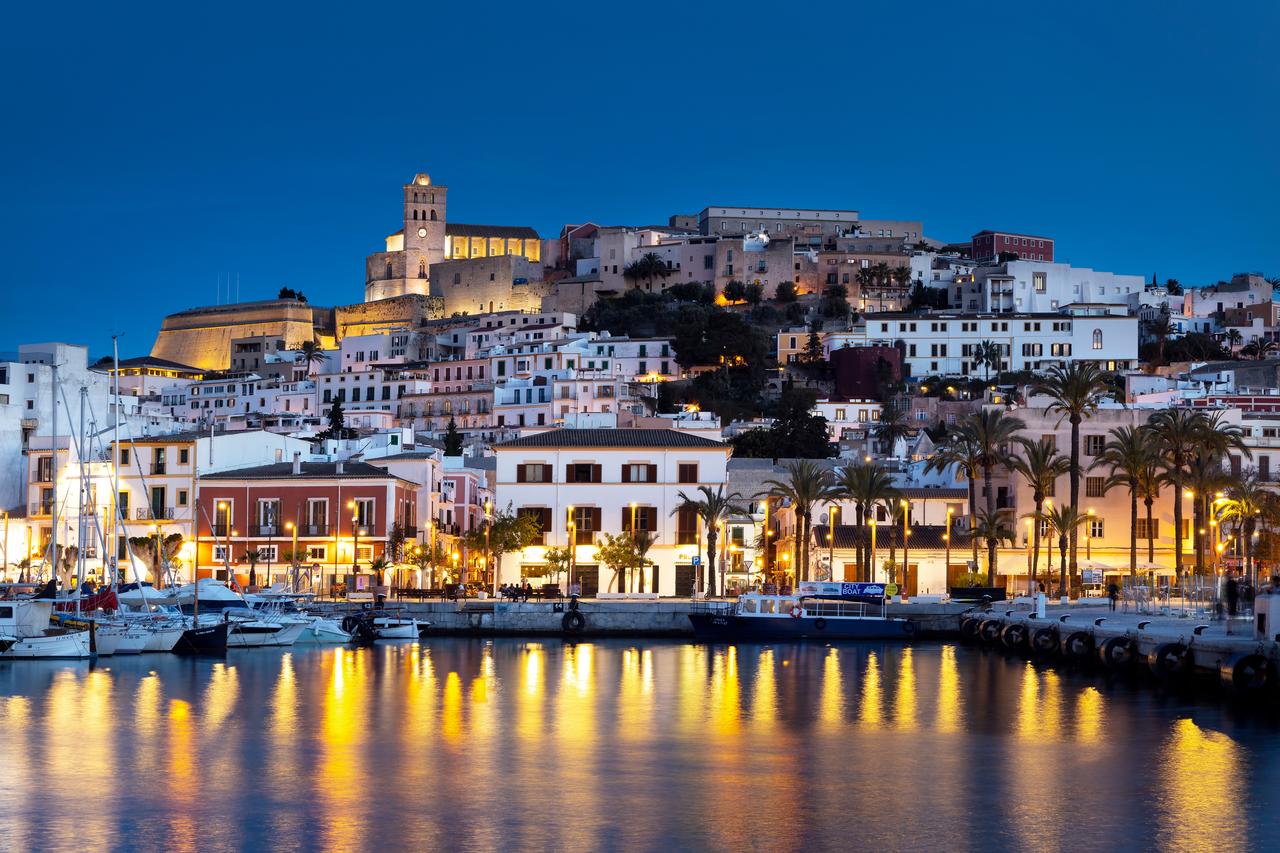
Musician and composer Stefano Saletti’s residency revisits Sabir, a lingua franca once spoken in Mediterranean ports, drawing on Italian, French, Spanish, Arabic, and regional dialects. “It was the language of possible encounter within the Mediterranean,” Saletti said. The project combines music with a dramaturgical text about Matera and its history, and involves local artists, actors and other residents.
Driant Zeneli, an Albanian visual artist and film director working in Matera, has researched traditional songs preserved by the Arbereshe communities of Basilicata, whose ancestors arrived from across the Adriatic centuries ago. One polyphonic song from San Costantino Albanese centers on women, wheat and the changing seasons. A video installation reinterprets it, showing how migration carries memory and culture across generations.
“The Sea Is Closer Than You See,” a citywide exhibition, opened on Oct. 3 and runs through Dec. 8 across four venues in Matera. It presents the region not as a single, uniform culture but through connections formed by movement, memory and shared practices.
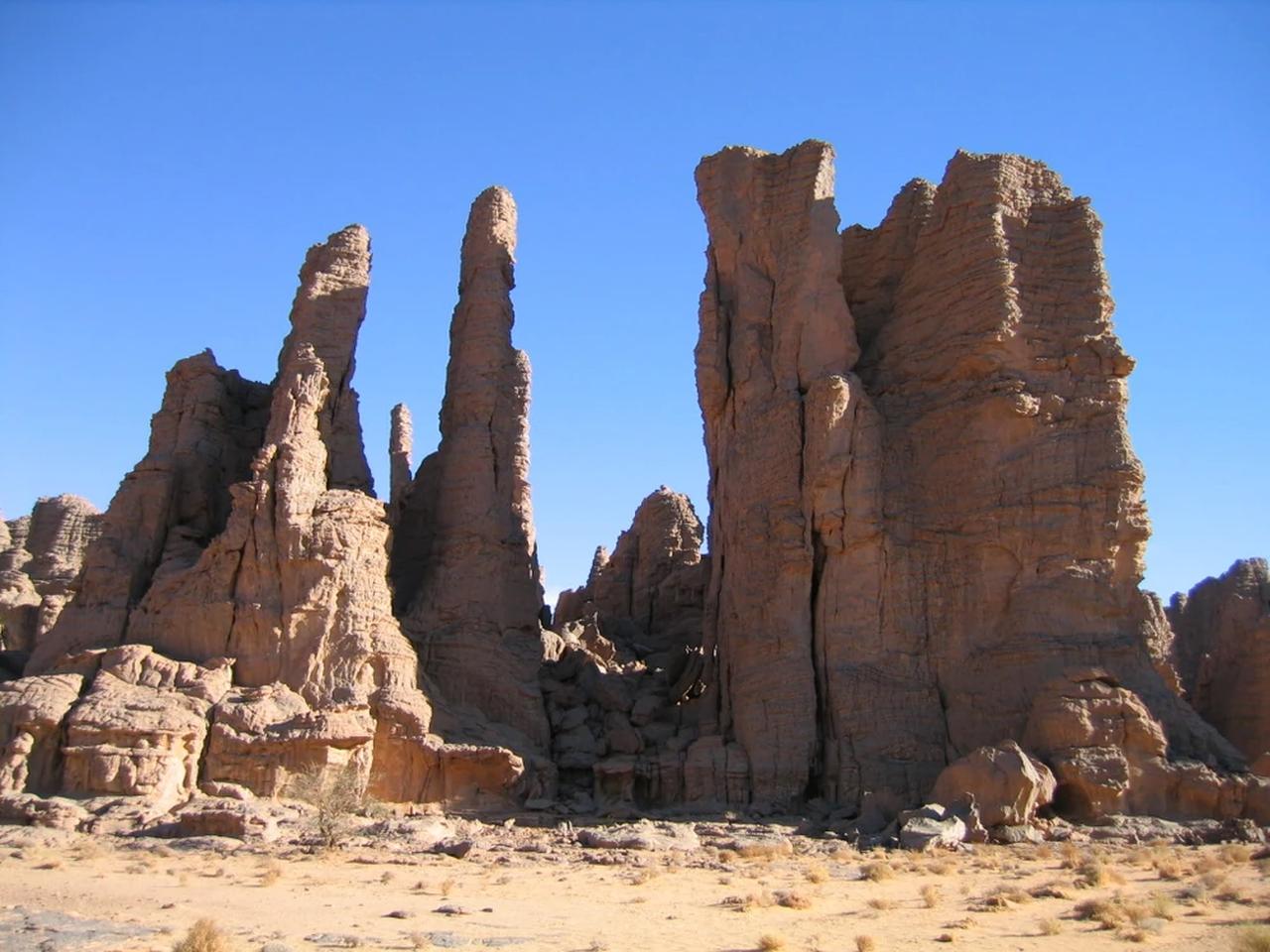
At MUSMA, Matera’s Museum of Contemporary Sculpture, Studio Azzurro’s “Il Colore dei gesti. Sinfonia Mediterraneo” draws on the gestures of fishermen, potters, luthiers, weavers and other artisans. Another work, TEMET, emerged from research in Algeria’s Tassili n’Ajjer and combines photography and technology with Tuareg communities' knowledge to explore prehistoric rock art and the histories of migration and trade.
Mimmo Jodice’s “Mediterraneo” brings together photographs from Italy, Greece, Türkiye, Tunisia and Jordan. The exhibition presents the sea as a shared cultural space rather than a boundary between nations.
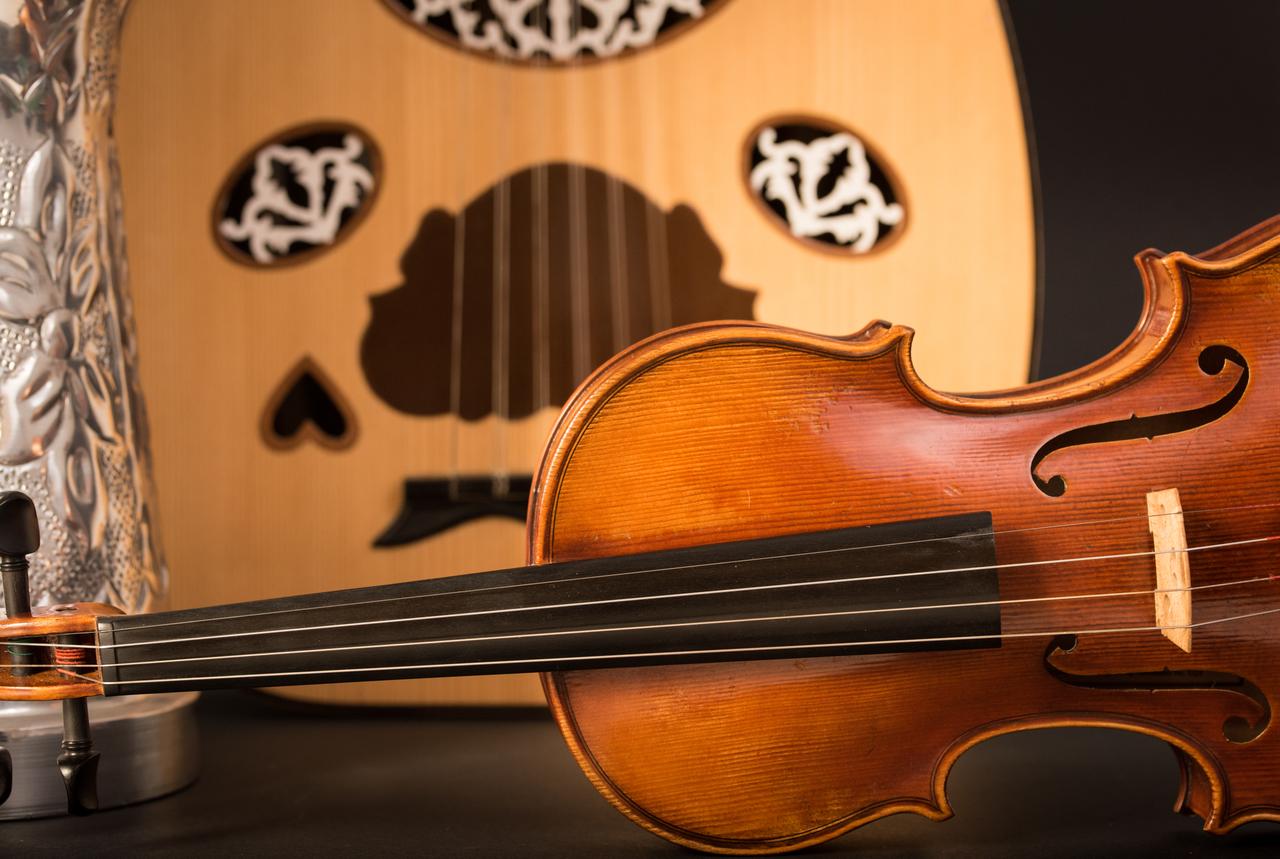
At the “Suoni Mediterranei” concert on Oct. 2, musicians from Italy and Morocco combined Italian strings with Arab-Andalusian musical traditions. The performance formed part of a collaboration between Matera and Tetouan, Morocco, its partner Mediterranean capital this year.
Lebanese artist and illustrator Karen Keyrouz, who is in Matera for an artistic residency, said the Mediterranean surfaces in her work through images of water and the marine environment, often in connection with cities facing catastrophe.
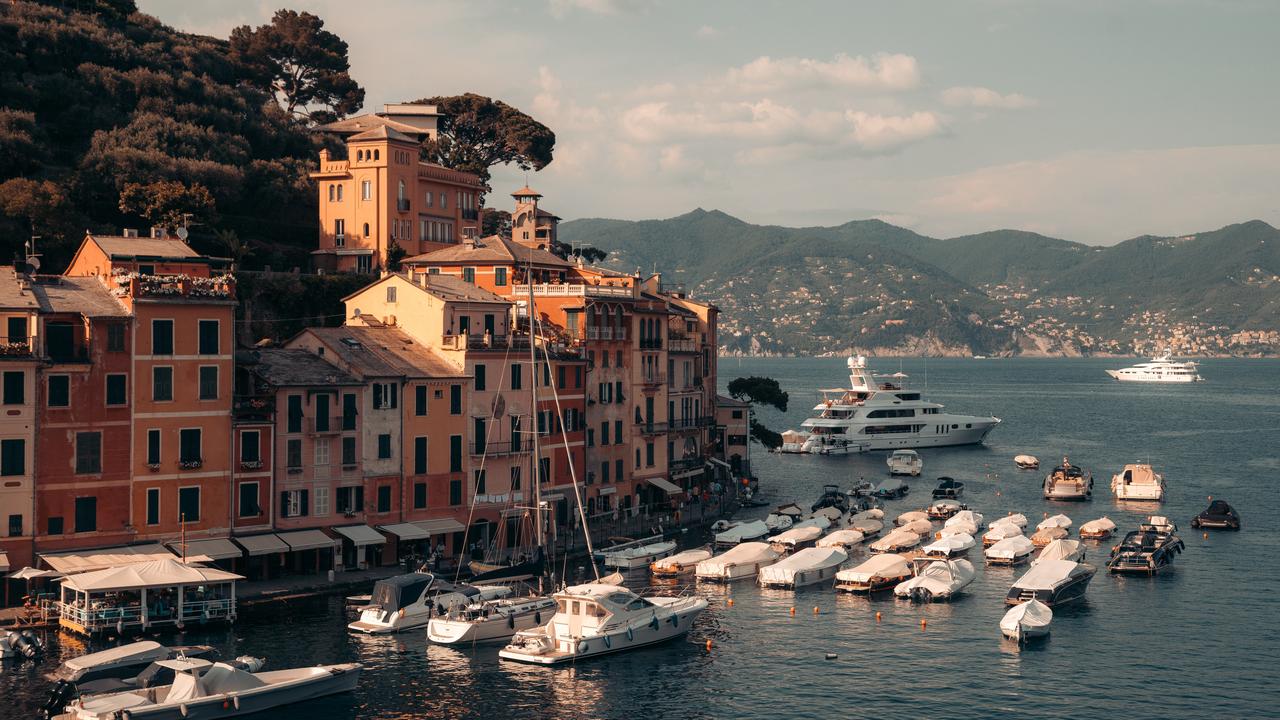
Orlando said cultural diplomacy does not mean being naive about the conflicts surrounding the Mediterranean, a region often viewed through war, trafficking and migration. “Rather than viewing differences as barriers, it means stripping away preconceptions, listening, being willing to understand those differences,” she said.
Mediterranean communities once navigated linguistic differences through Sabir, borrowing words from different languages. Matera’s 2026 program explores whether culture can offer a similar language of encounter in a region where conflict and division often dominate the conversation.


 Set as preferred source
 Set as preferred source


 3 min read