Sign in
 Newsletters


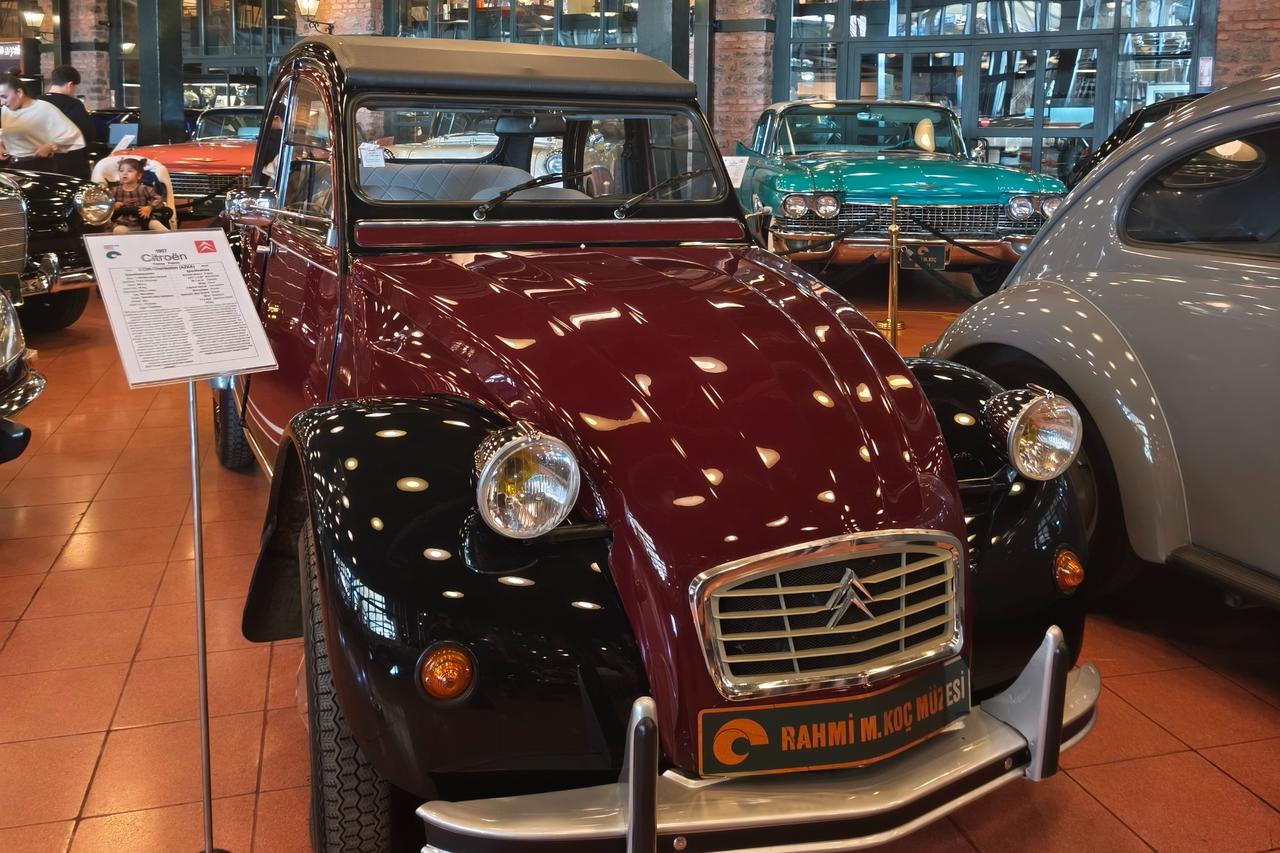


Istanbul's Rahmi M. Koc Museum has added a 1987 Citroen 2CV6 Charleston to its classic automobile collection, bringing visitors closer to a model that left its mark on both automotive and cinematic history through the James Bond franchise.
First introduced in 1948, the Citroen 2CV was designed to provide affordable and reliable transportation in rural France. Its lightweight construction, low fuel consumption, easy maintenance and suspension system designed for rough roads helped it gain widespread popularity.
With its modest design and accessibility, the vehicle eventually became a symbol of French automotive culture.
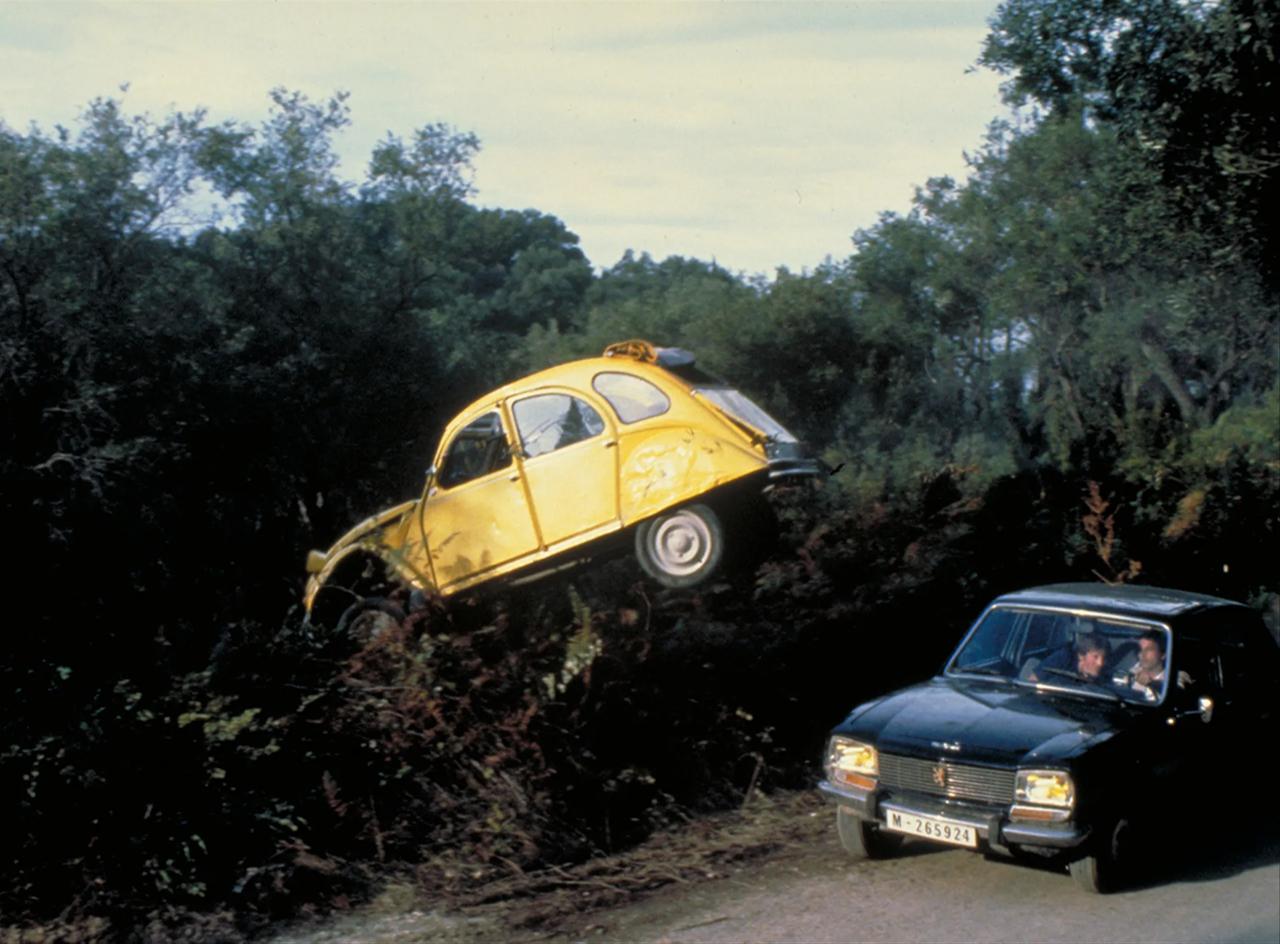

As preparations continue for the next James Bond film under director Denis Villeneuve, some of the franchise's most memorable automobiles are drawing renewed attention.
In the 1981 film "For Your Eyes Only," starring Roger Moore as James Bond, a yellow Citroen 2CV featured in one of the franchise's most unconventional chase scenes.
Breaking away from the luxury sports cars typically associated with Agent 007, the modest French automobile earned its place among the series' most memorable vehicles.
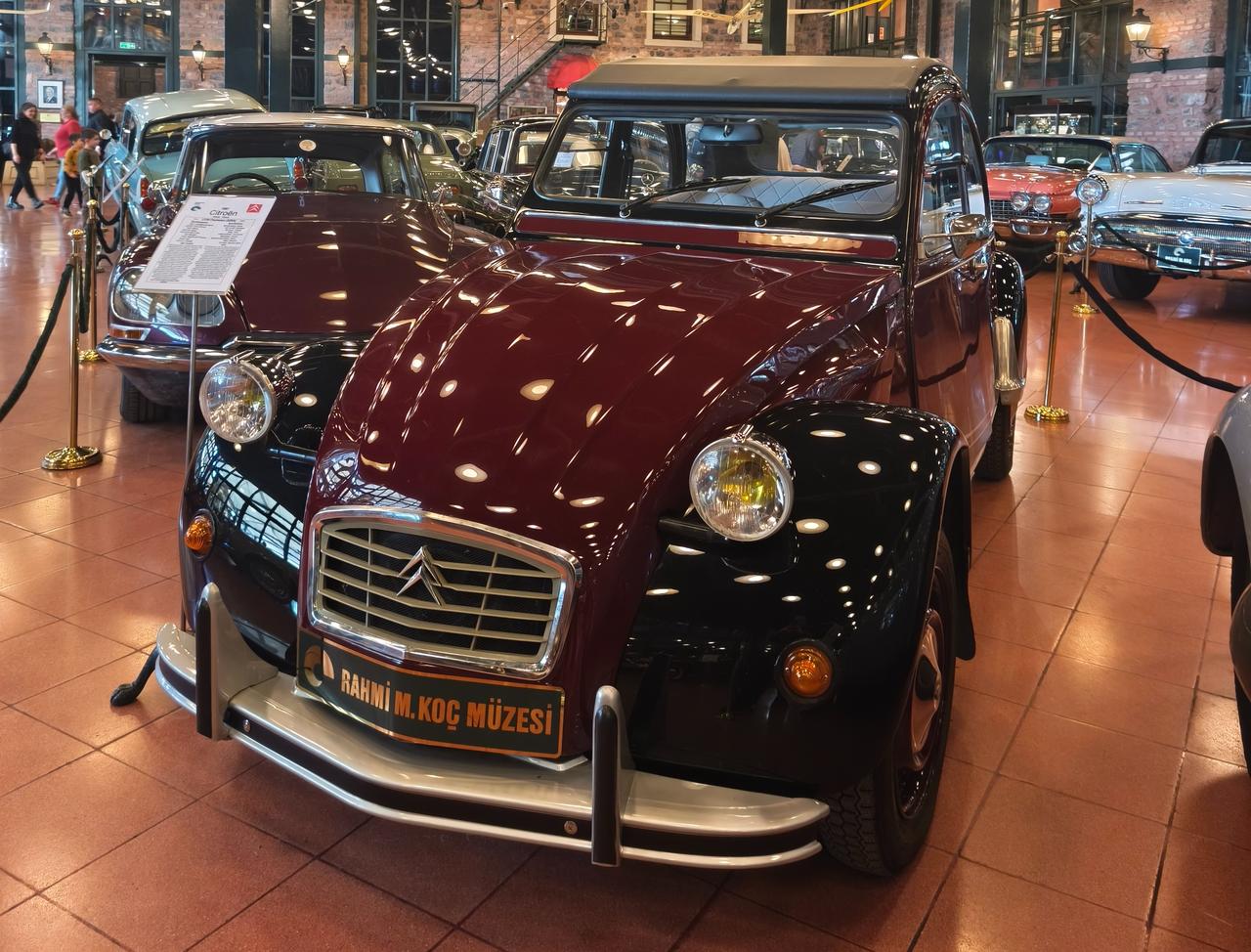
The 1987 Citroen 2CV6 Charleston displayed at the Rahmi M. Koc Museum represents one of the model's more prestigious versions.
Initially introduced as a limited edition in 1980, the Charleston went into regular production in 1981 following strong demand. Its two-tone bodywork, chrome details and distinctive interior upholstery gave the traditionally understated automobile a more refined appearance.
The museum's burgundy-and-black model features a 602 cc two-cylinder engine producing 29 horsepower. Equipped with a four-speed manual transmission, the vehicle can reach a top speed of 115 kilometers (71 miles) per hour.
Produced during the model's final years, the Charleston remains a sought-after version among automobile collectors.
Opened in Istanbul in 1994, the Rahmi M. Koc Museum showcases the history of transportation, industry and communications.
With four museums across Istanbul, Ankara, Cunda and Ayvalik, the institution houses more than 15,000 objects covering road and rail transportation, aviation, maritime history, machinery, scientific instruments and communications technology.


 Set as preferred source
 Set as preferred source


 1 min read


 1 min read