Newsletters


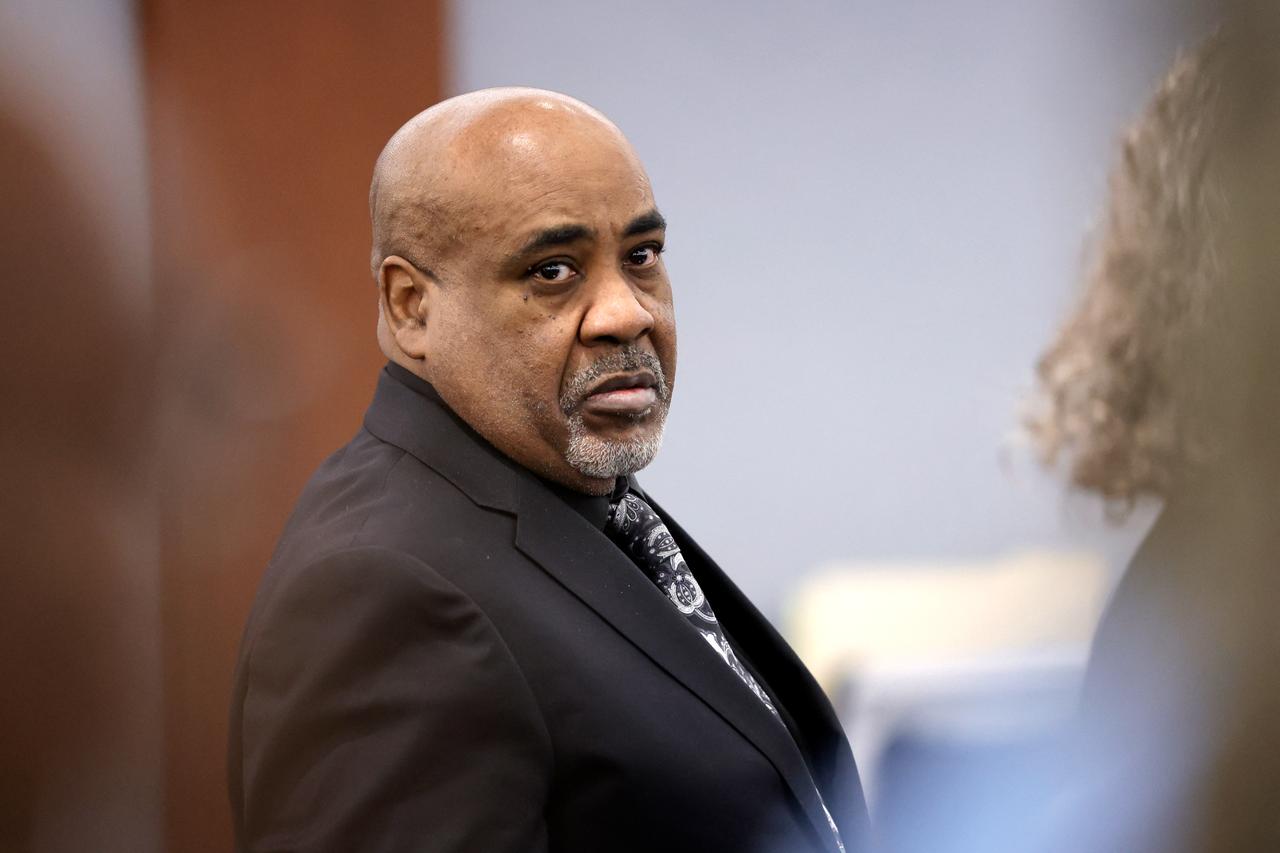


A Las Vegas jury on Monday found Duane "Keffe D" Davis guilty of murdering rapper Tupac Shakur, delivering the first conviction in a case that had gone unsolved for nearly 30 years.
The 16-member jury reached its verdict in less than three hours following a nine-day trial. The foreperson announced the decision in court: "Count one, murder with use of a deadly weapon, guilty of first-degree murder with use of a deadly weapon."
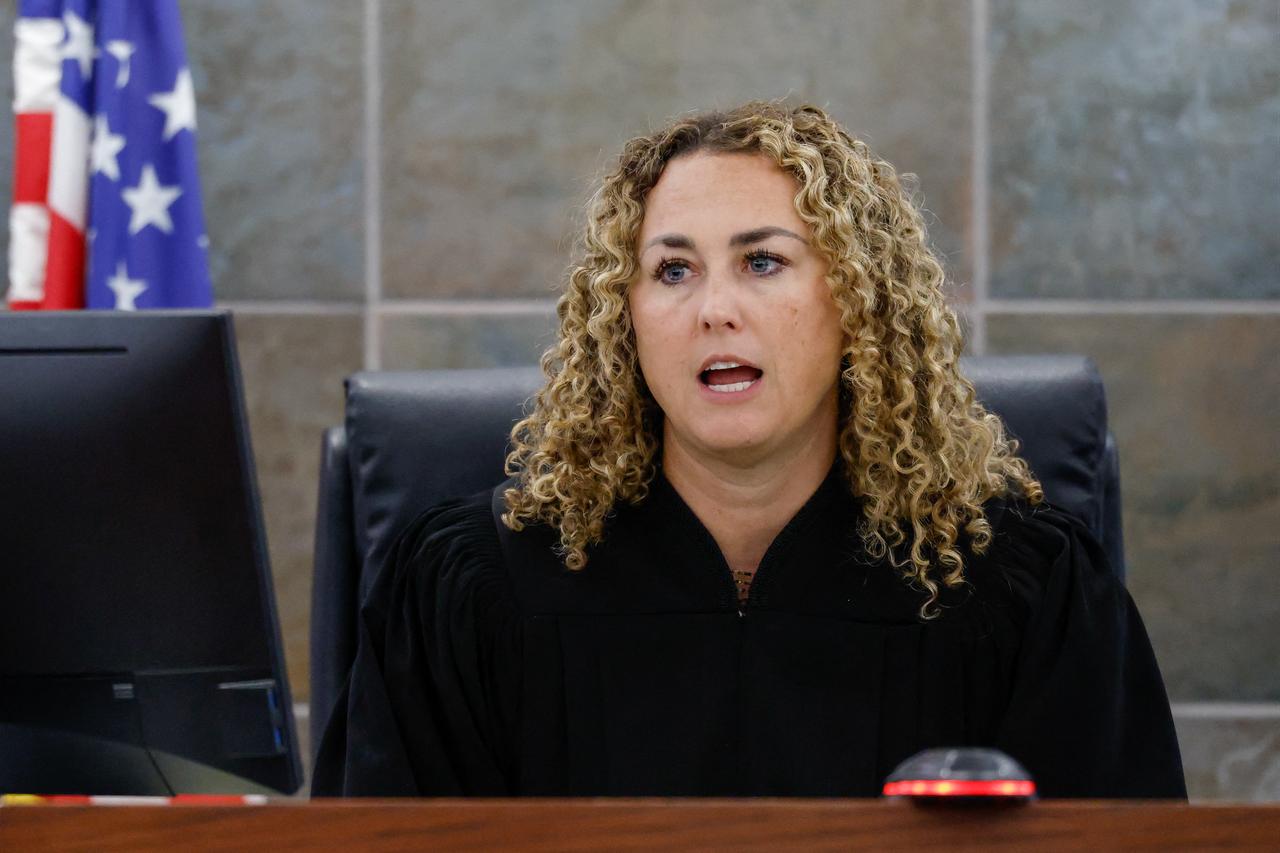
Davis, 63, a former leader of the South Side Compton Crips gang, faces a possible sentence of life in prison without parole. He had pleaded not guilty. Sentencing is scheduled for Oct. 13. After the verdict, Davis addressed Judge Carli Kierny and stated his intention to appeal.

Prosecutors said Davis orchestrated the killing after his nephew was beaten by members of Shakur's entourage during a confrontation at a Las Vegas casino earlier that night.
Chief Deputy District Attorney Binu Palal told jurors during closing arguments that Davis obtained a firearm and organized the attack. "So what did he do? He acquired a firearm, got his group together, and went hunting for Mr Shakur," Palal said.
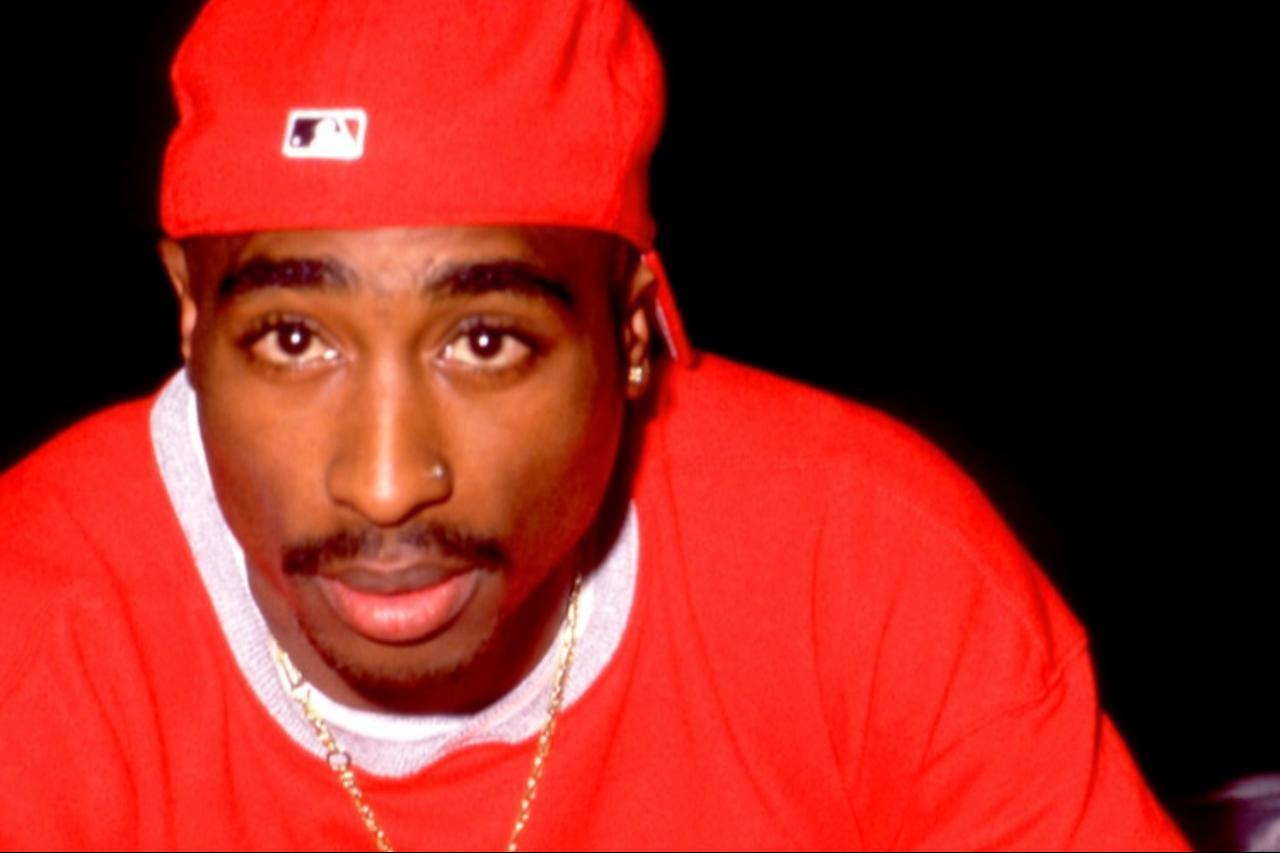
Shakur, 25, was shot on Sept. 7, 1996, at a Las Vegas intersection when a white Cadillac pulled alongside the BMW in which he was riding as a passenger.
The rapper died six days later. Death Row Records co-founder Marion "Suge" Knight, who was driving the BMW, was wounded but survived.
Prosecutors said Davis handed a firearm to someone in the back seat of the Cadillac and directed that person to shoot Shakur, though they did not allege Davis fired the weapon himself. "Who fired is not the question," Palal said, adding that the attack had been premeditated. "It's a plan, not an impulse."
Defense attorney Michael Sanft argued that no independent evidence placed Davis in Las Vegas or inside the Cadillac on the night of the shooting, pointing to missing surveillance footage and phone records. "They have nothing in this case that says that man was here in Las Vegas on Sept. 7, 1996," Sanft said.
The case had stalled for decades due to a lack of evidence until Davis published a memoir in 2019 titled "Compton Street Legend," in which he described being in the front seat of the Cadillac and handing a pistol to those in the back, without naming who fired the shot. Davis had also discussed his alleged involvement in interviews with law enforcement and media over the years.
Sanft characterized those accounts as fabrications intended to promote the book. "You're reading a book that is fiction and not fact," he told jurors, arguing the state had no evidence implicating Davis beyond his own statements.
Prosecutors, however, argued Davis' varying accounts consistently placed him inside the Cadillac used in the shooting. "The core facts remain. The material facts remain," Palal said.
Davis is the only person who was in the Cadillac that night who is still alive, and the only individual to have been charged in connection with Shakur's killing. The trial featured testimony from 24 prosecution witnesses and three defense witnesses.
Shakur, the son of a Black Panther, grew up in Harlem and Baltimore before rising to prominence as a leading figure in West Coast hip-hop after signing with Los Angeles-based Death Row Records.
Known for songs including "California Love" and "All Eyez on Me," his death remains one of the most widely discussed unsolved cases in American music history.


 Set as preferred source
 Set as preferred source


 4 min read