Newsletters


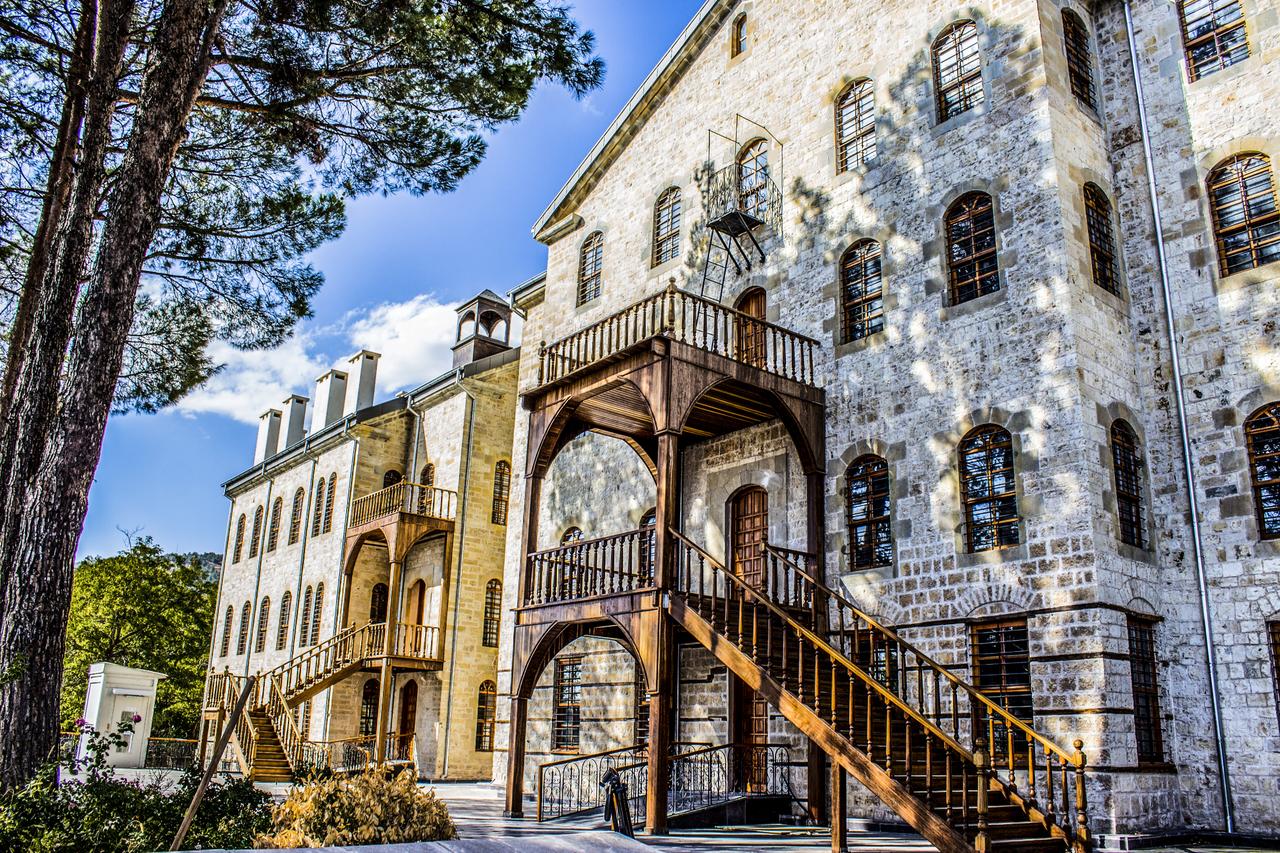


Kahramanmaras has become Türkiye's first and only UNESCO City of Literature, placing the city's rich creative heritage on the global stage and launching a new phase in its culture-led development vision.
The designation brings Kahramanmaras into the UNESCO Creative Cities Network, which was established in 2004 to support creativity as a driver of sustainable urban development.
The network brings together cities working in areas such as literature, gastronomy, design, music, film, media arts, crafts and folk art.
UNESCO's City of Literature status goes beyond honoring historical legacy. It actively recognizes communities where storytelling and writing continue to drive daily life through strategic policy, education, publishing, public events, and widespread civic participation.
Kahramanmaras secured its place in this network by bringing together its historical literary identity with an active contemporary cultural scene. The title is expected to support the city's international visibility, cultural tourism, creative industries and long-term economic development.
A key part of the city's UNESCO application was its nearly five-century literary tradition. The city has produced or shaped important figures ranging from Halili-i Marasi, Karacaoglan, Sunbulzade Vehbi and Kuddusi Ahmed Efendi to modern writers and poets such as Necip Fazil Kisakurek, Nuri Pakdil, Cahit Zarifoglu, Rasim Ozdenoren, Erdem Bayazit, Mehmet Akif Inan and Alaeddin Ozdenoren.
By bringing folk literature, classical Ottoman poetry, Sufi literary traditions and contemporary writing into a shared cultural memory, Kahramanmaras has built a distinct literary identity among UNESCO Cities of Literature.
The designation follows years of cultural planning rather than a single short-term initiative. International poetry and literature festivals, the Kahramanmaras Book Fair, the International Kahramanmaras Literature Awards, symposiums, literary talks, youth-focused projects and the Literature Route all formed part of the city's UNESCO nomination.
Through these activities, Kahramanmaras showed that literature is not only preserved as heritage in the city but also written, shared and celebrated as part of everyday cultural life.
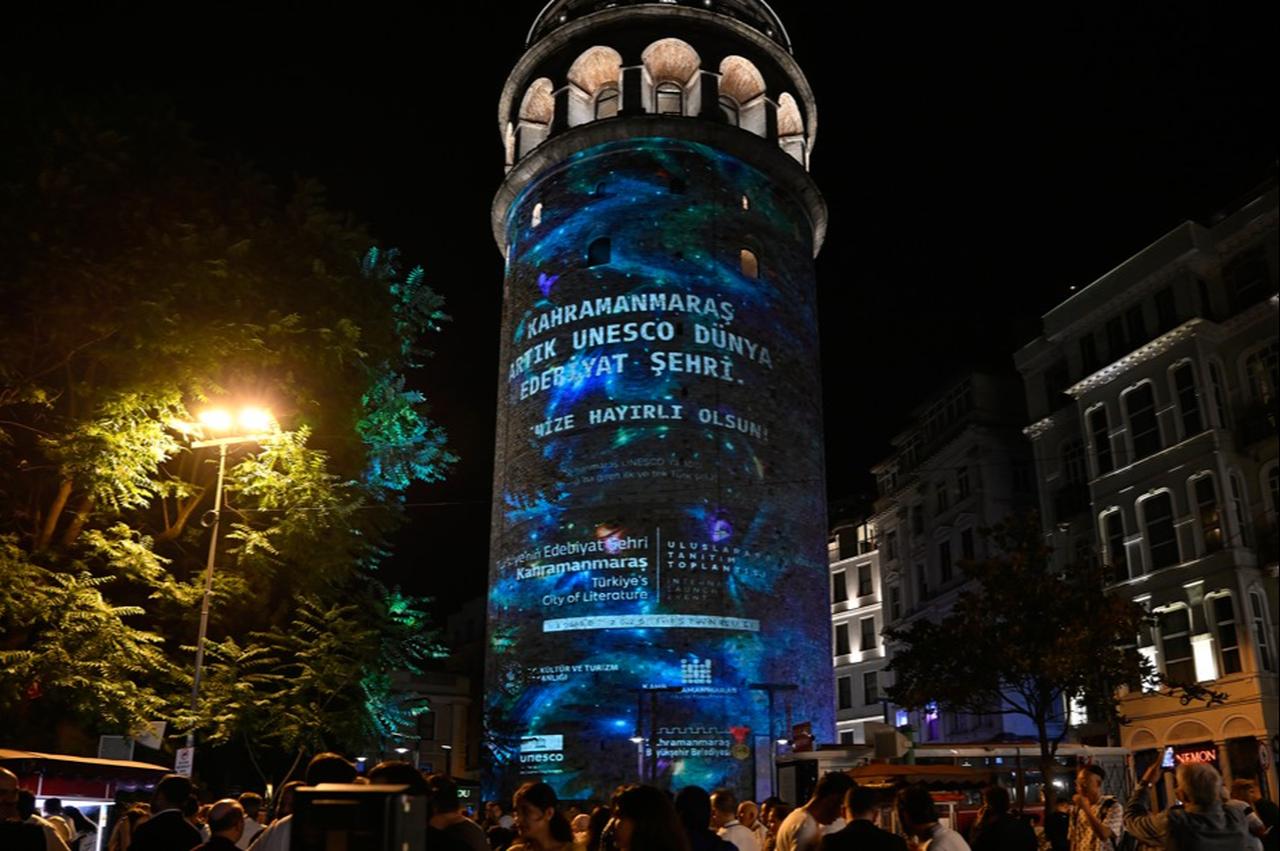

Other UNESCO Cities of Literature show how the designation can reach beyond symbolic recognition. Edinburgh expanded one of the world's leading international book festivals after receiving the title, while Dublin tied its literary heritage more closely to the city's identity. Krakow also strengthened its cultural profile through festivals, literary routes and creative projects.
These examples show how literature can become part of urban development by supporting tourism, cultural activity and the wider creative economy.
After receiving UNESCO recognition, Kahramanmaras has begun preparing to strengthen its international cultural calendar. The Kahramanmaras Book Fair, planned for October, and the 6th International Kahramanmaras Literature Awards, planned for November, are expected to become flagship events in the city's new UNESCO period.
Both events already bring together authors, publishers and readers in large numbers. Under the UNESCO banner, they are expected to draw wider international participation, support new literary partnerships and contribute to cultural tourism.
With its UNESCO City of Literature designation, Kahramanmaras is now part of an international network focused on creativity, cultural exchange and sustainable urban development.
In the coming years, international literary festivals, translation projects, cultural routes, publishing partnerships and creative industry initiatives are expected to strengthen the city's position on the global literary map while creating new opportunities for cultural diplomacy, tourism and economic development.


 Set as preferred source
 Set as preferred source


 2 min read