Newsletters


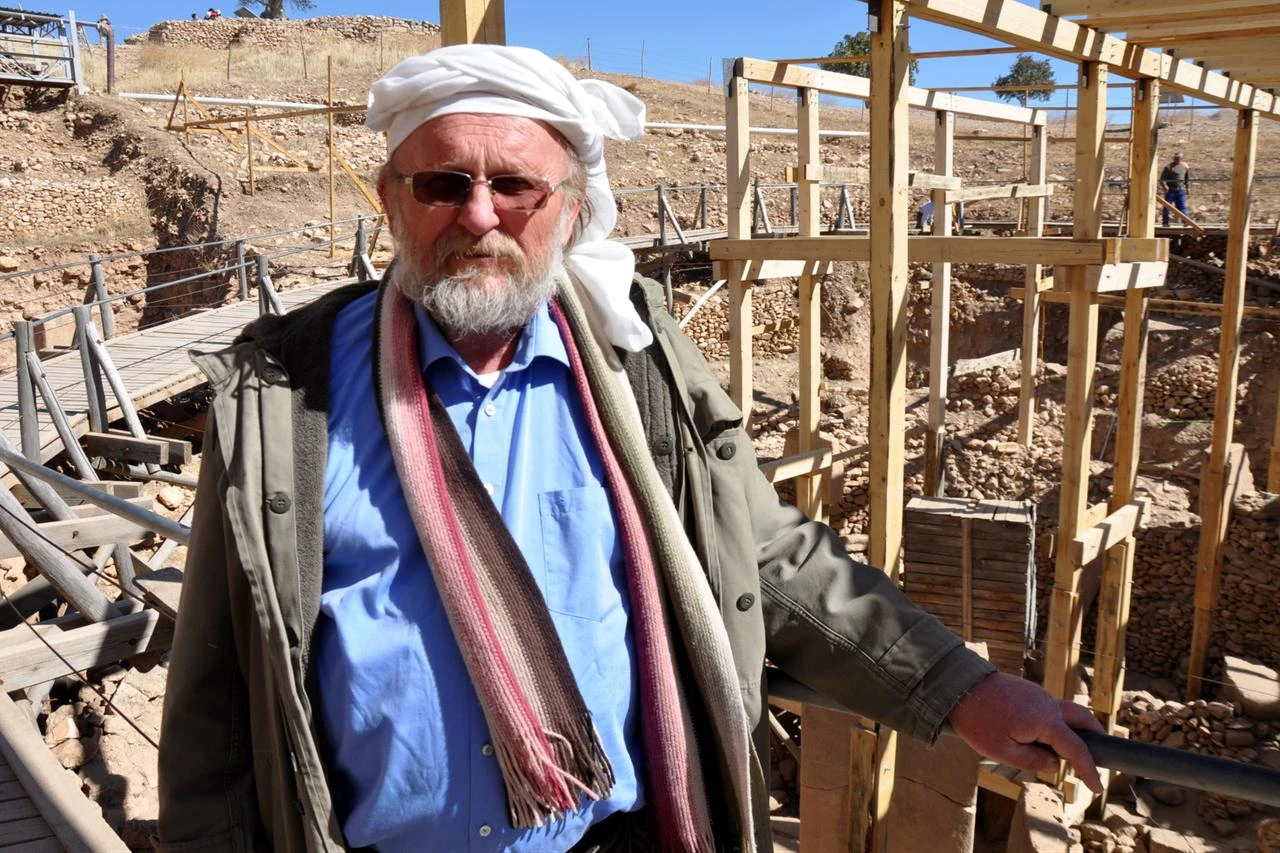


German archaeologist Klaus Schmidt, whose excavations at the 12,000-year-old Gobeklitepe site reshaped understandings of human history and brought it international recognition, is being remembered on the 12th anniversary of his passing.
Gobeklitepe, located in Türkiye’s southeastern Sanliurfa province and often described as the “zero point of history,” is a UNESCO World Heritage Site. Schmidt’s groundbreaking excavation work uncovered critical findings that shed new light on the social and cultural organization of Neolithic communities.
Considered the world’s oldest known center of worship, Gobeklitepe first drew the attention of the scientific community in 1963 during a joint surface survey conducted by Istanbul and Chicago universities. However, the true turning point for research at the site occurred in 1986, when a local farmer discovered an ancient statue while plowing his field.
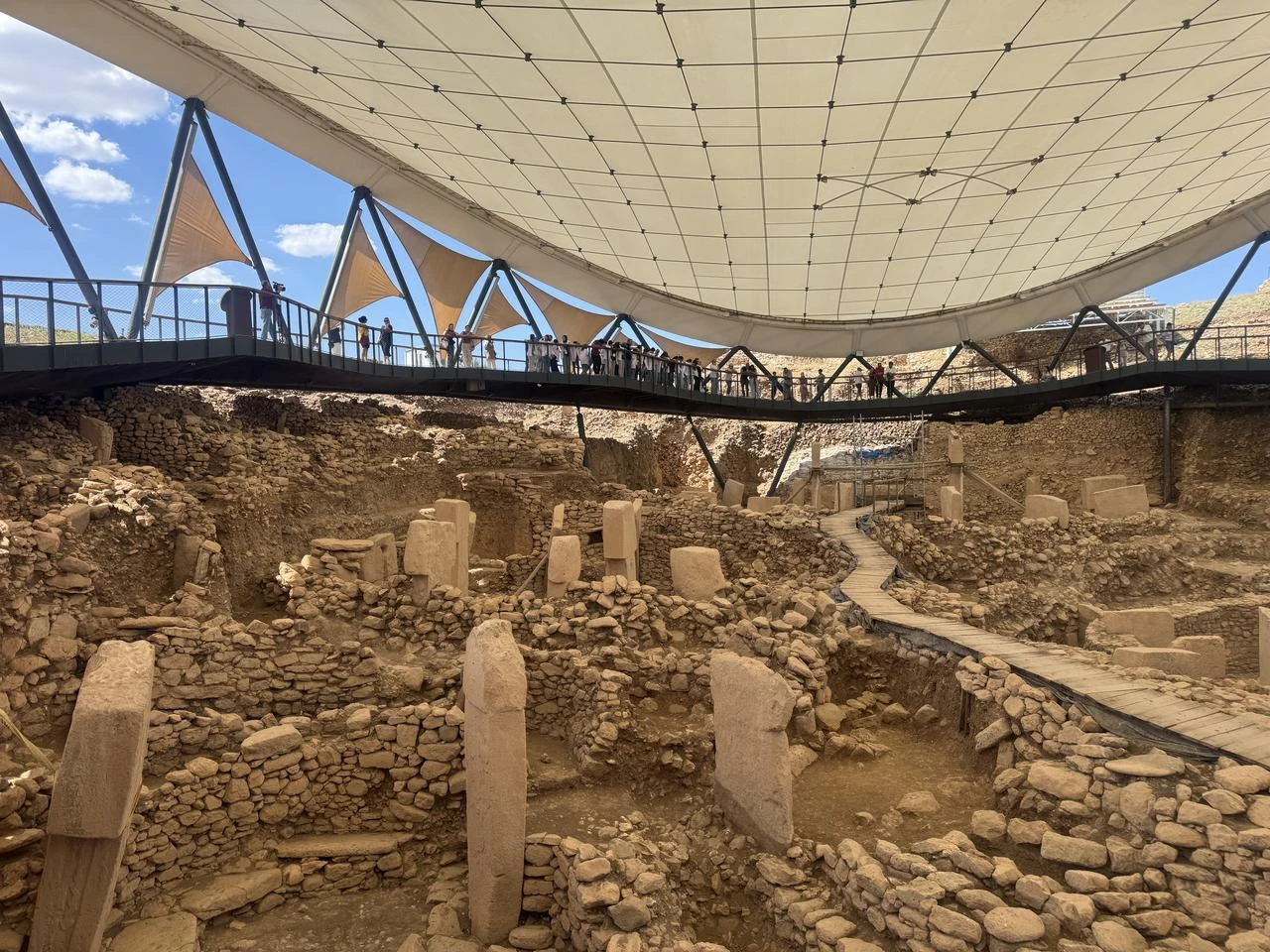

Schmidt visited Gobeklitepe in 1994 and determined that the stones whose upper sections were visible above the ground belonged to the Neolithic Period.
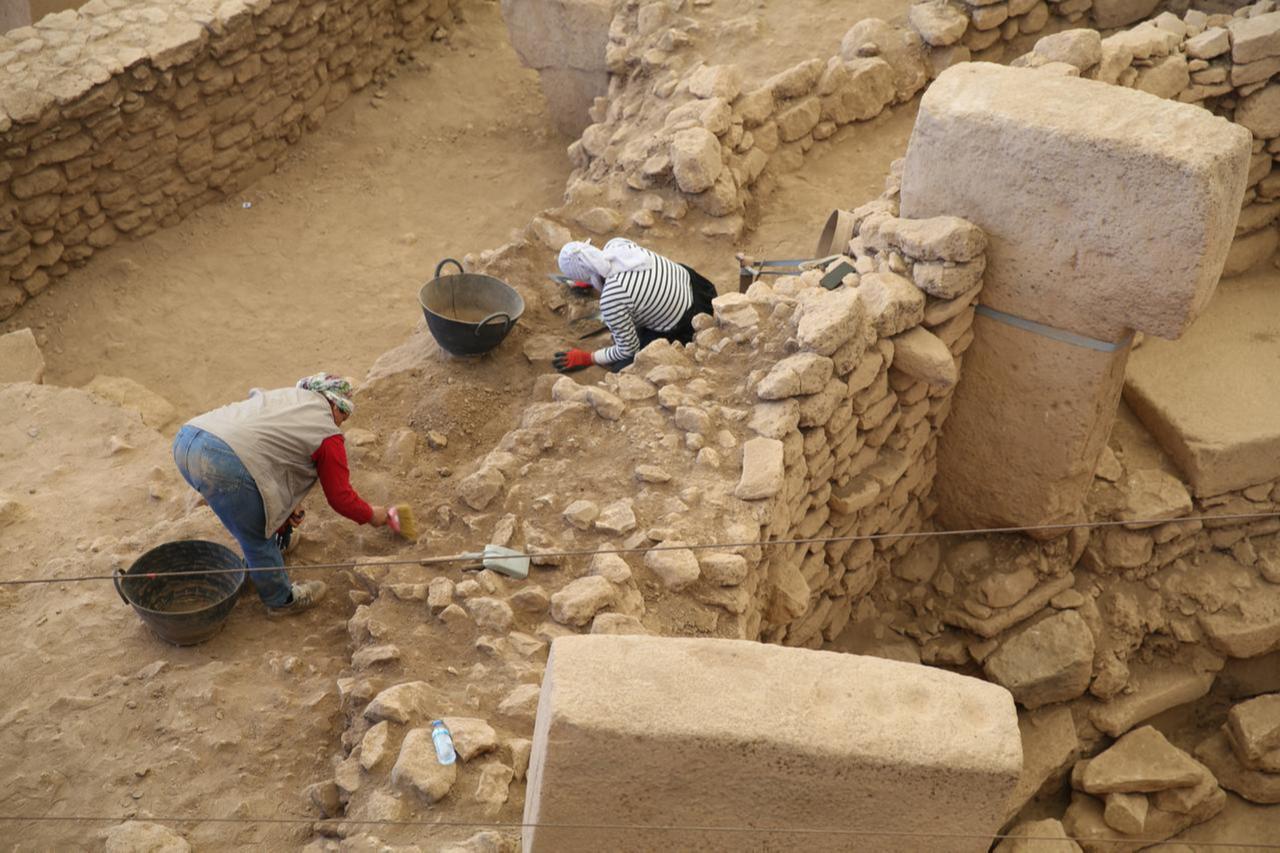
Excavations coordinated by the Sanliurfa Museum Directorate began in 1995, with Schmidt and his team participating in the fieldwork.
Schmidt was appointed head of the Gobeklitepe excavations in 2007. Under his leadership, researchers uncovered significant findings that transformed our understanding of human history.
The discoveries demonstrated that people living during the transition from a hunter-gatherer lifestyle to settled life did more than meet their basic needs; they also possessed an advanced social and cultural organization capable of constructing monumental structures.
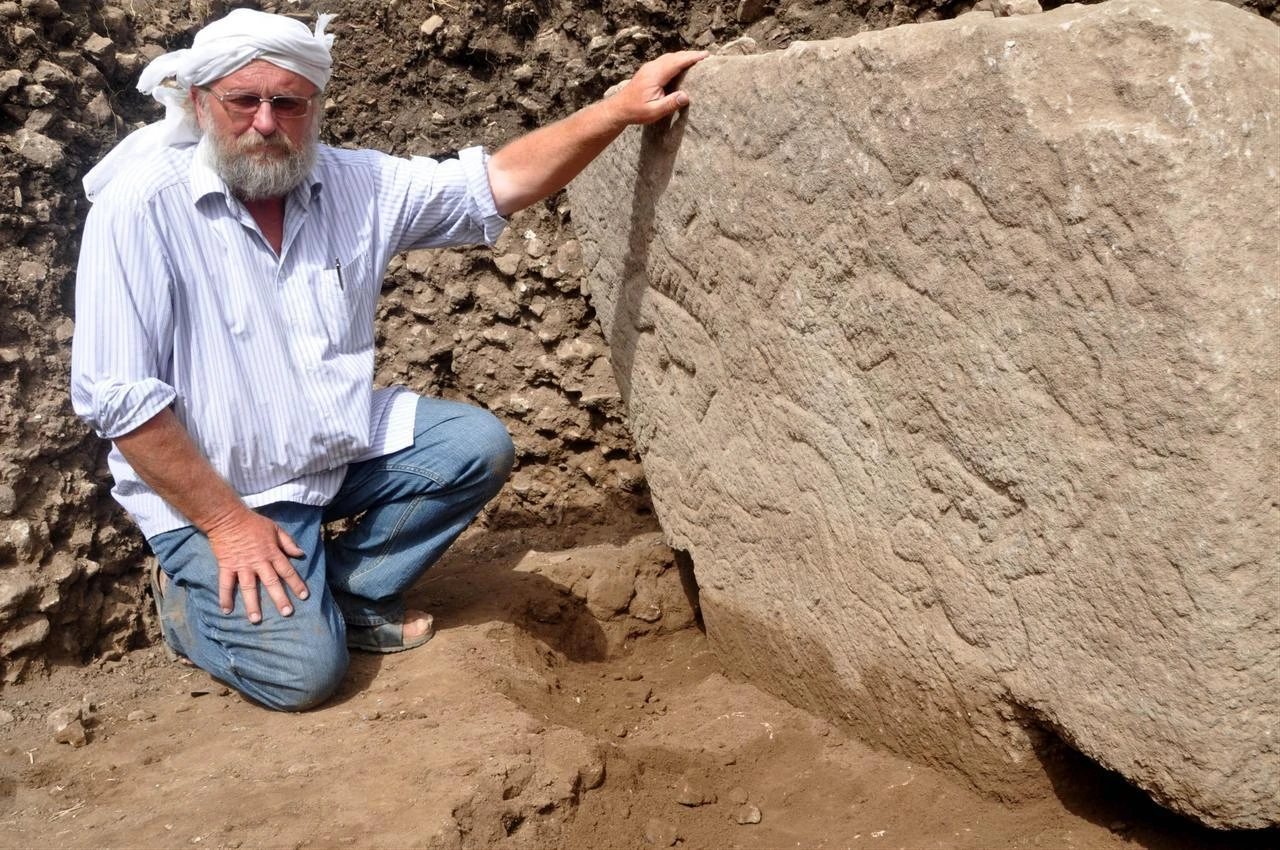
The excavations revealed a Neolithic human statue, a limestone wild boar sculpture, fox and bird reliefs, and numerous arrowheads made from flint.
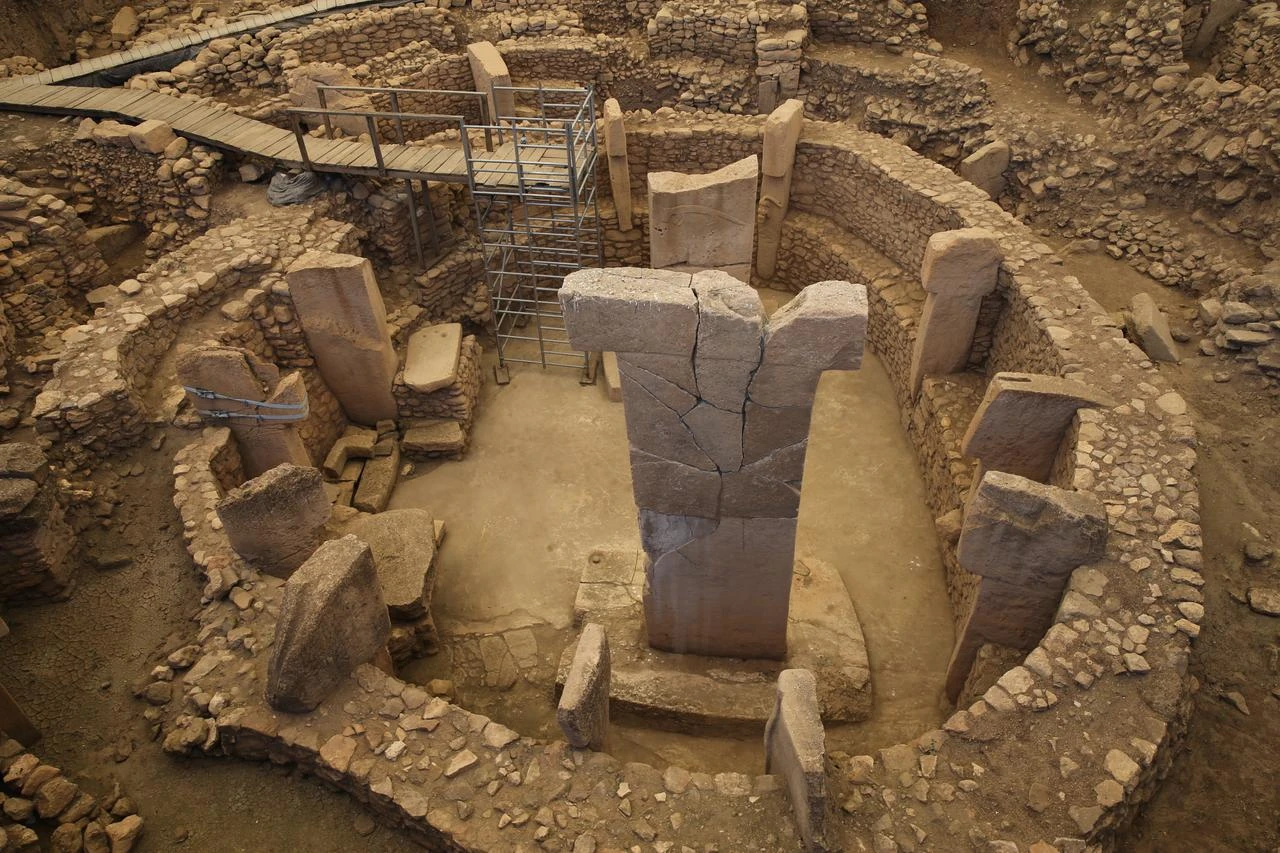
Researchers also uncovered T-shaped standing stones measuring between 3 and 6 meters (10 to 20 feet) in height and weighing between 40 and 60 tons.
The site contained the remains of circular and rectangular structures ranging from 8 to 30 meters in diameter.
Among the other artifacts was a 65-centimeter (26-inch) human statue dating back about 12,000 years.
These findings led Gobeklitepe to be described as the “zero point of history” and drew global attention to the archaeological site.
Gobeklitepe quickly gained international recognition and was added to UNESCO’s Tentative World Heritage List in 2011.
Schmidt’s greatest dream was fulfilled after his death when Gobeklitepe was officially included on the UNESCO World Heritage List on July 1, 2018.
Schmidt died at age 61 after suffering a heart attack in Germany, where he had traveled for a vacation, on July 20, 2014.
He was buried after a ceremony held in the German town of Diebach on July 25, 2014.
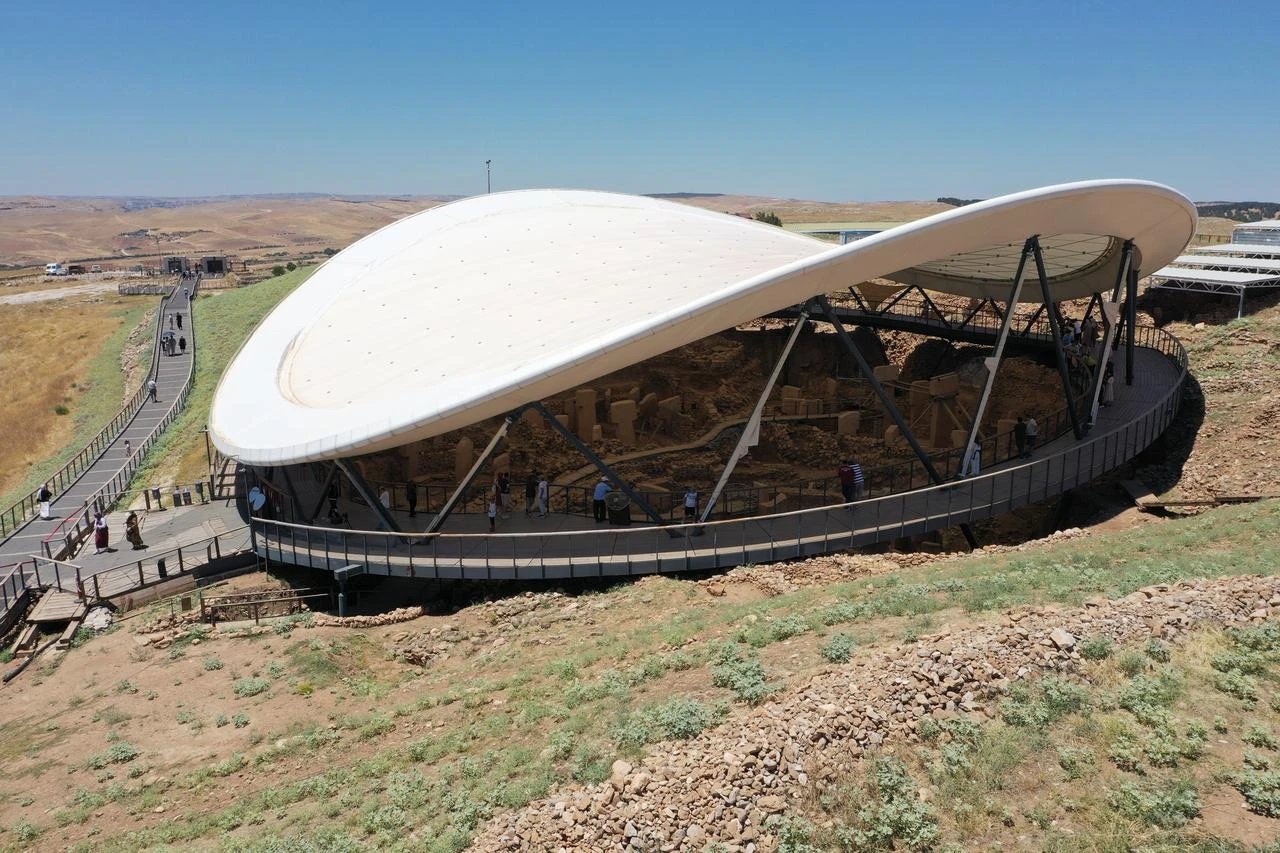
Mehmet Kamil Turkmen, head of the Sanliurfa Tourism Development Association, told Anadolu that Schmidt was among the first names that came to mind when Gobeklitepe was mentioned.
Turkmen said Schmidt was remembered with gratitude for bringing important archaeological discoveries to the city.
“I never saw him without a traditional scarf on his head. In my opinion, he was more of a Sanliurfa resident than many people from Sanliurfa,” Turkmen said.
“He was very enthusiastic and never abandoned his work discipline. He would welcome us with his dog at the hut at the entrance to the excavation site, even in that heat.”
Turkmen described Schmidt as deeply committed to his profession and highly professional in his approach.
“He contributed greatly to Sanliurfa. Klaus Schmidt’s contribution to Gobeklitepe becoming known worldwide is immense,” he said.


 Set as preferred source
 Set as preferred source


 1 min read
 1 min read