

 Newsletters


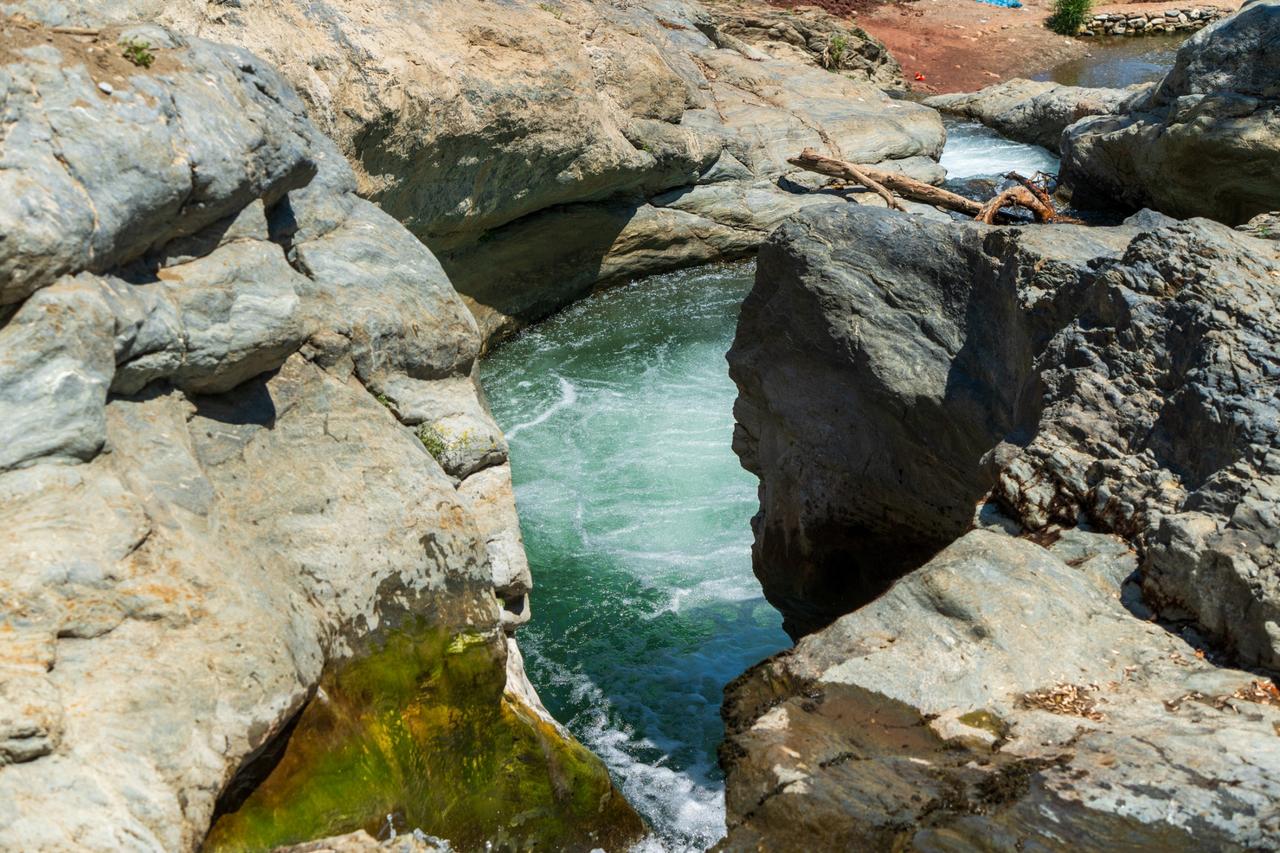


The Dev Kazanlari rock pools in Manisa's Salihli district, a natural site linked in local legend to Lydian kings and Phrygian King Midas, are facing growing pressure from uncontrolled visitors, pollution and safety risks.
Located inside the Tabak Deresi canyon, the pools were shaped over thousands of years by the erosive force of water. Their circular formations, often described in Turkish as "giant cauldrons," have turned the area into a striking natural attraction near Sardis, the ancient capital of the Lydian Kingdom.
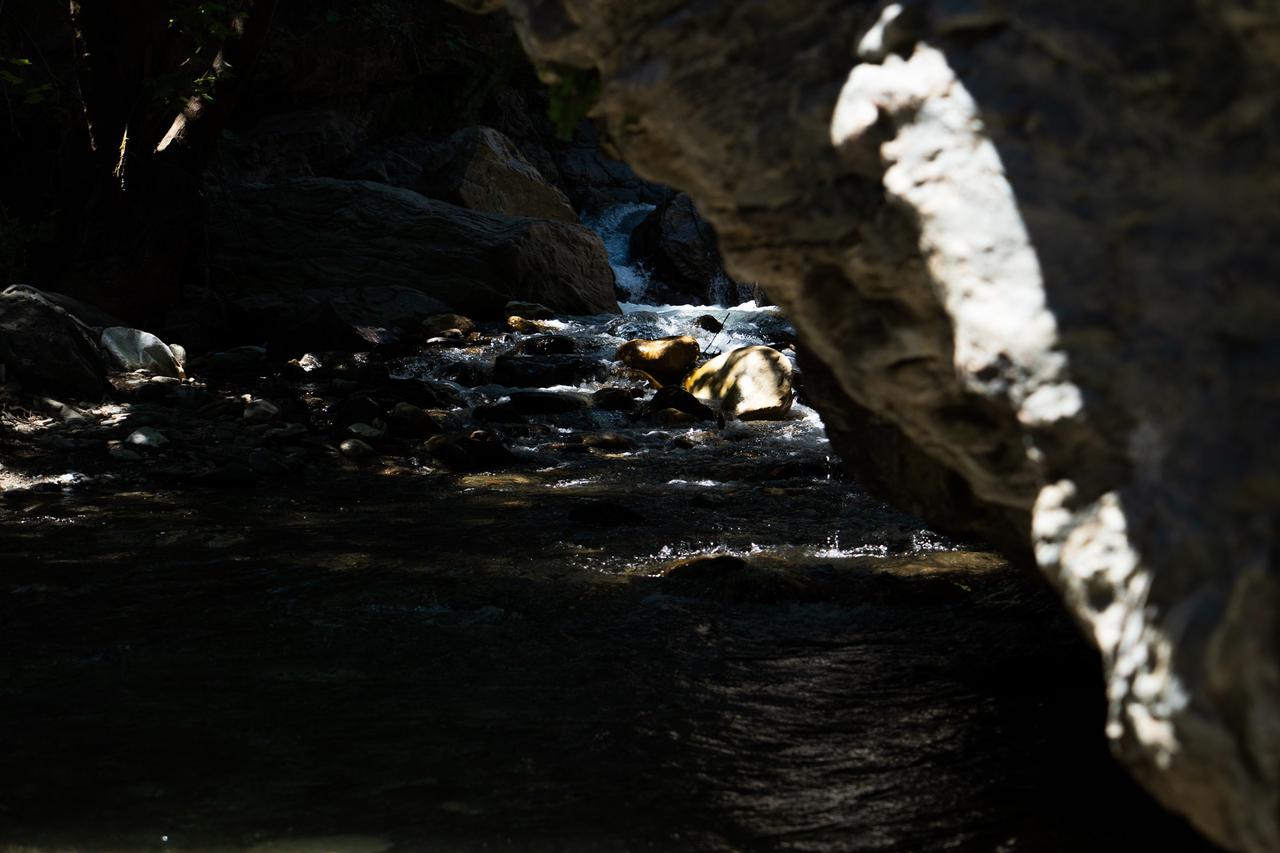

The site stands close to an area connected with the UNESCO Global Geopark network, a designation associated with landscapes of geological significance. Its appeal comes not only from its unusual rock formations, but also from the historical stories surrounding the region, where Lydian rulers and the legendary King Midas are said to have bathed.
However, the same beauty that draws visitors has also brought growing damage. With no organized walking routes, viewing terraces or visitor controls in place, people move through the canyon freely, leaving behind plastic bottles, food waste and packaging around the pools.
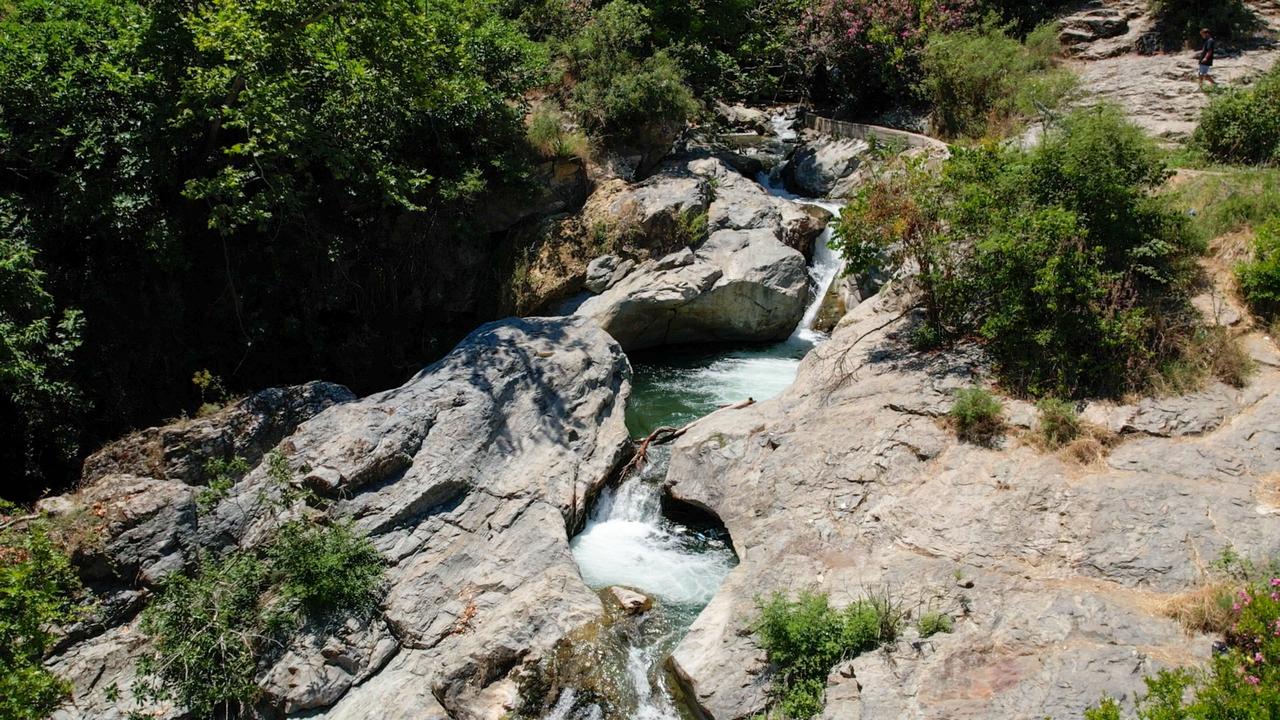
The area attracts thousands of visitors each year because of its scenery and easy access, but local residents and nature lovers say the site is being pushed toward an environmental crisis. Waste left behind by visitors has turned parts of the area into a dumping ground, overshadowing one of the region's rare natural formations.
They are calling for urgent steps, including nature-friendly walking paths, waste containers and warning signs, to help protect the site while allowing visitors to experience it safely.
The risks are not limited to pollution. Although swimming is banned, some visitors still enter the pools and waterfall area to cool off. The slippery rocks, deep water and current create serious danger, while falls and near-drowning incidents are reported repeatedly.
Local officials say the lack of supervision makes the problem worse, especially because some visitors also light fires for picnics near the forested area, increasing the risk of wildfire.
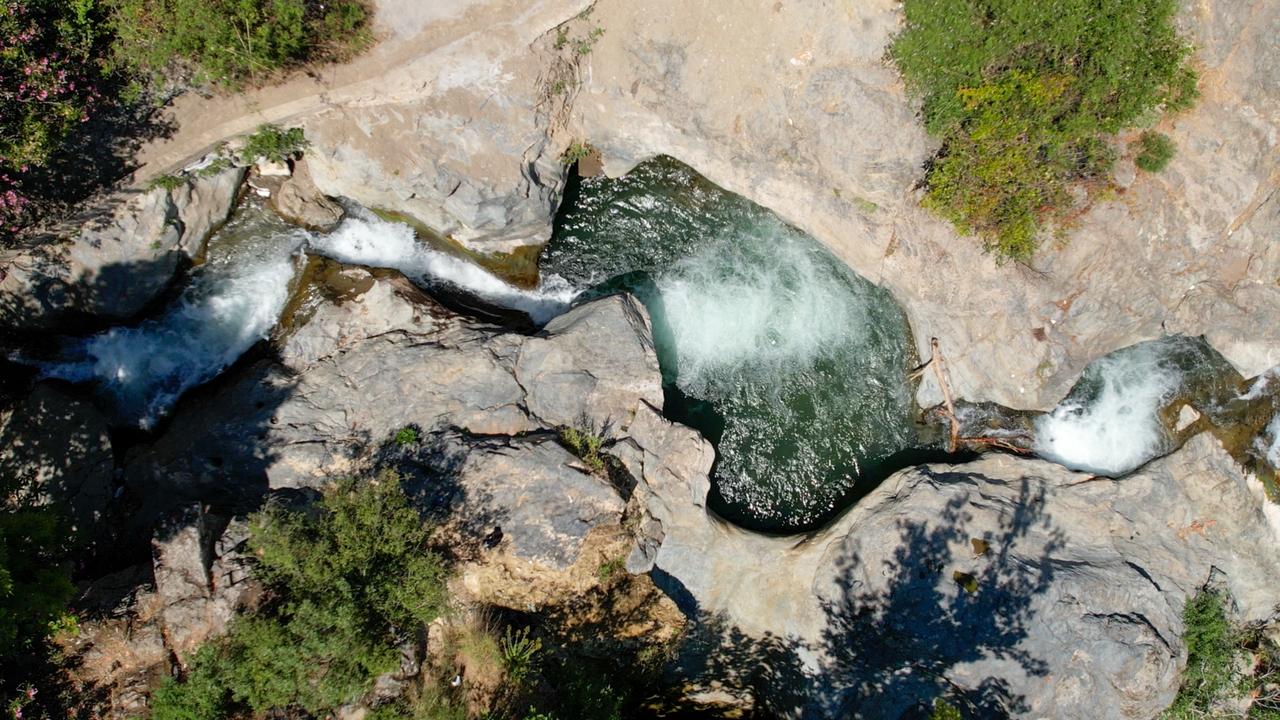
Atakan Oguz, the headman of Salihli's Camurhamami neighborhood, said the area has rare value but has not been properly protected or brought into tourism. He said local authorities, municipalities and ministries were working on possible steps for the site.
"Dev Kazanlari is known in history as the place where 'Midas with donkey ears' bathed. We know that Lydian kings bathed here," Oguz said, adding that wooden walking paths and a visitor facility could allow people to see the area without putting themselves at risk.
Oguz also said a staffed entrance and controlled access could reduce drownings, falls and fire risks. He stressed that the area was more valuable than many tourist sites but had fallen behind because it had not yet been properly organized for visitors.


 Set as preferred source
 Set as preferred source


 1 min read
 1 min read


