Newsletters


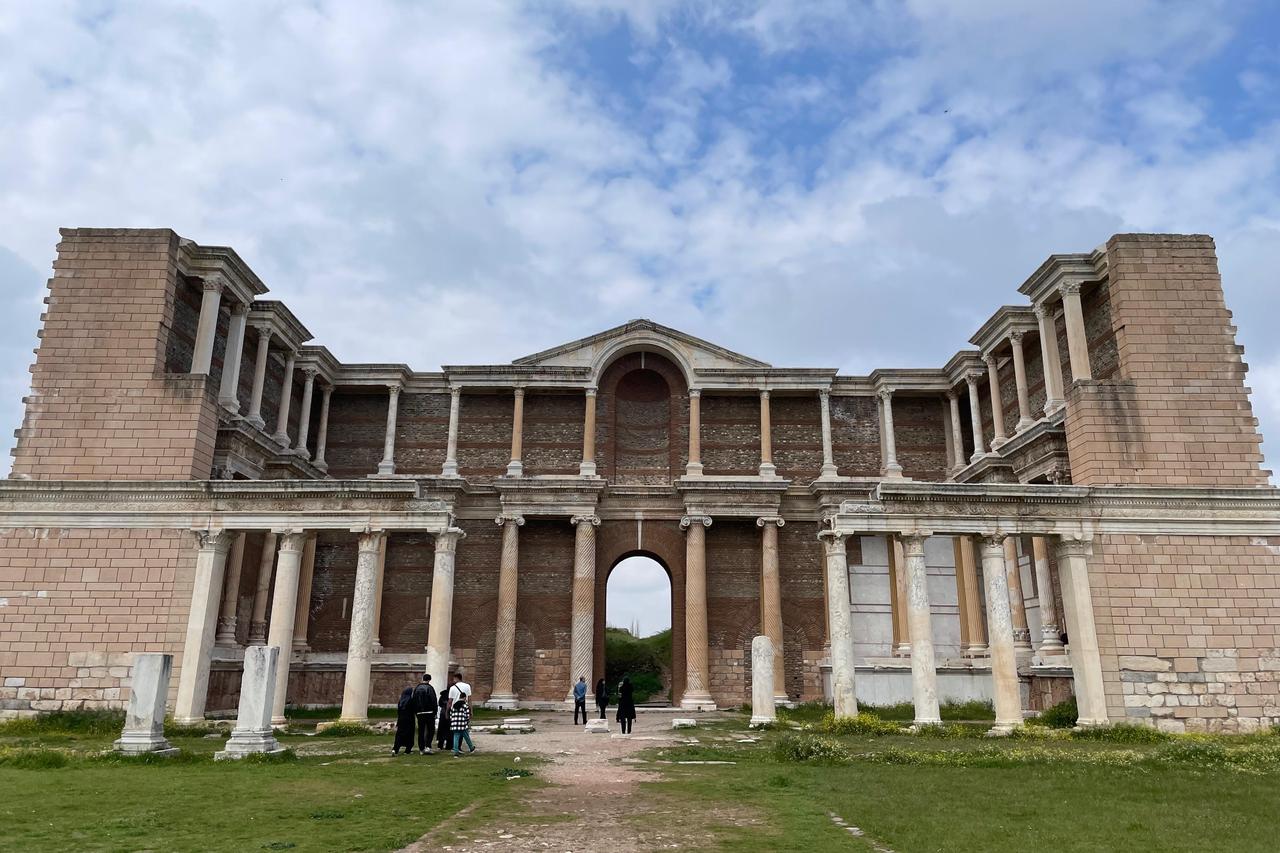


In the ancient city of Sardis, the sprawling Bath-Gymnasium Complex stands as a monument to a Roman way of life centered on bathing, exercise and intellectual exchange—a sophisticated social tapestry that researchers are still studying today.
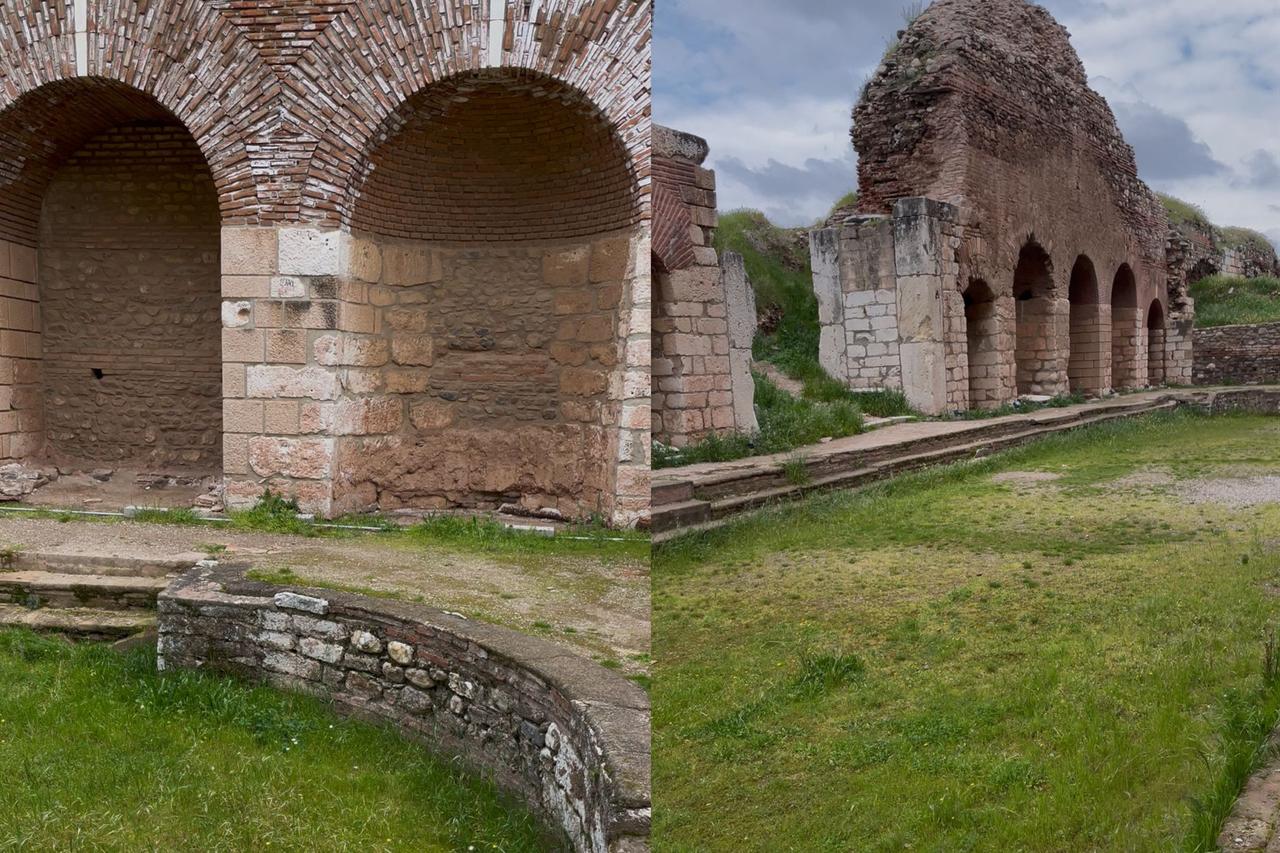

Bathing in the Roman world went far beyond hygiene, forming a central social tradition that spread across the empire and blended relaxation with conversation, physical activity and intellectual pursuits.
This culture took shape in large public bath buildings, where visitors would move through spaces designed for different water temperatures, including hot rooms known as caldarium and cold pools called frigidarium.
This long-standing tradition still echoes in the Turkish hamam, which stands as a direct continuation of Roman bathing culture, preserving elements of its structure and social role in a more recent form.
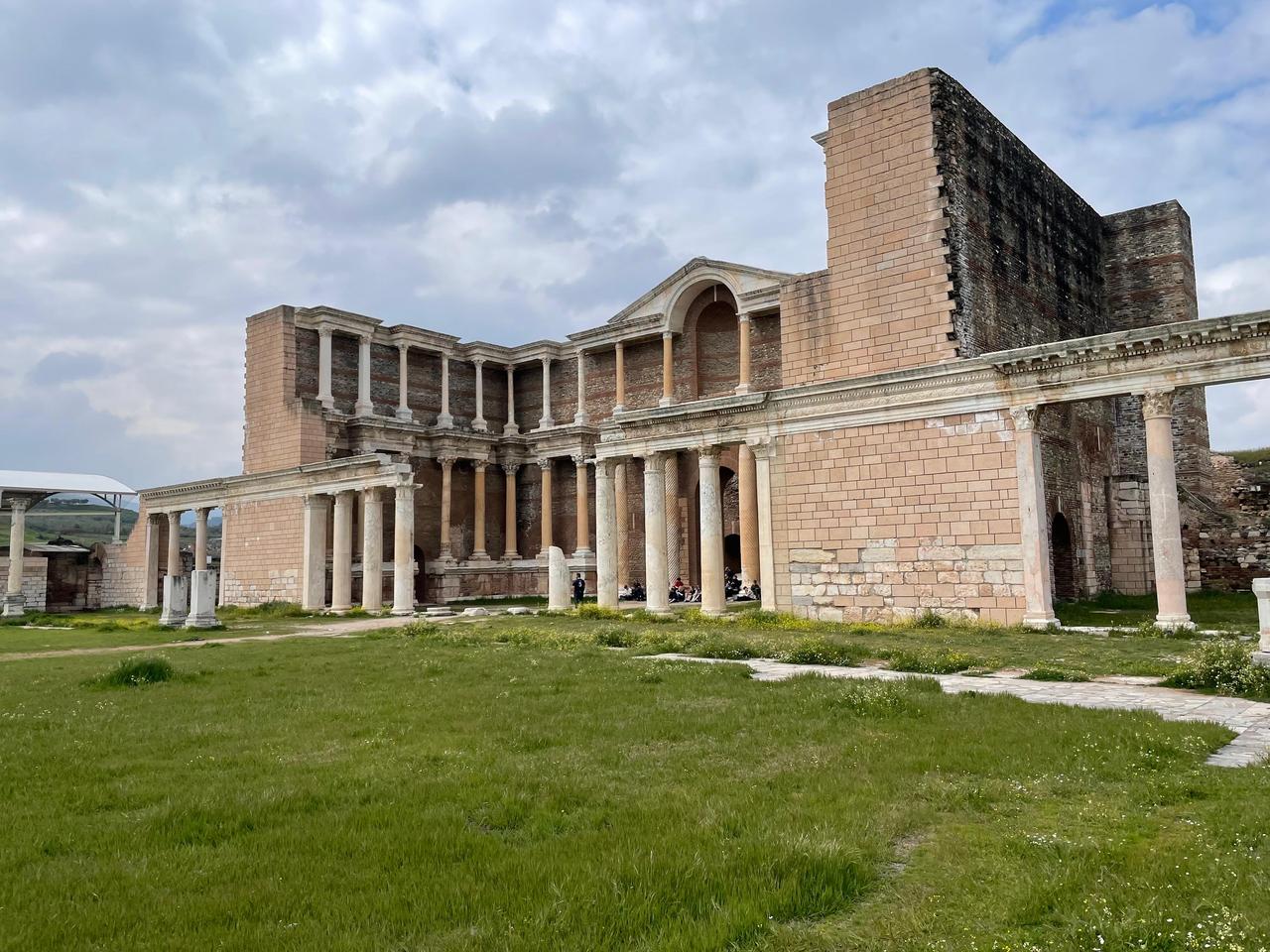
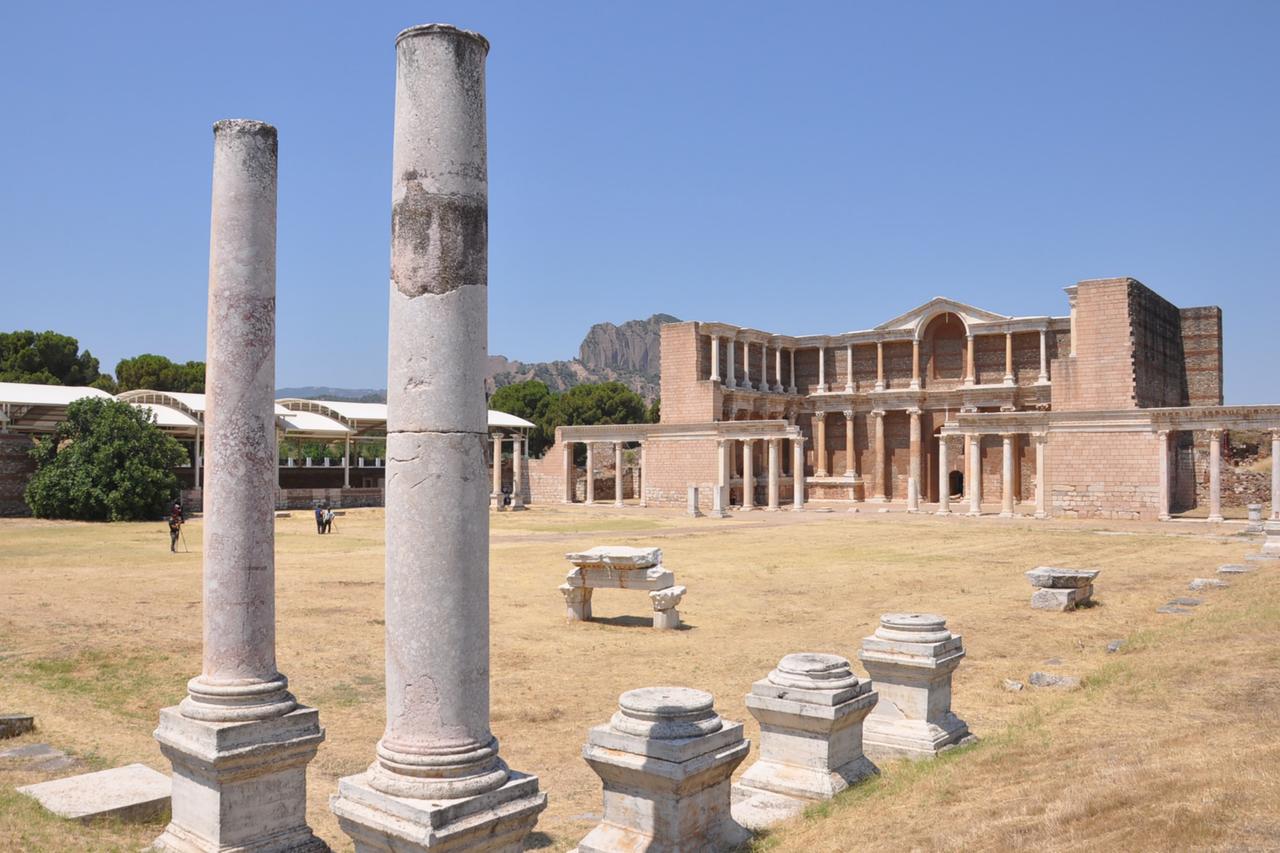
Covering approximately 23,000 square meters, the Sardis complex ranks among the city’s largest public structures and follows a standardized “Imperial” bath design also seen across Asia Minor, including sites such as Ephesus. The layout was arranged symmetrically, with bathing halls aligned along a central axis and supported by large vaulted spaces.
The eastern section opened up into a palaestra, an open courtyard used for exercise and ceremonial gatherings, while the western half housed the main bathing facilities. Together, these areas formed a multifunctional complex that brought together physical activity and social interaction under one architectural framework.
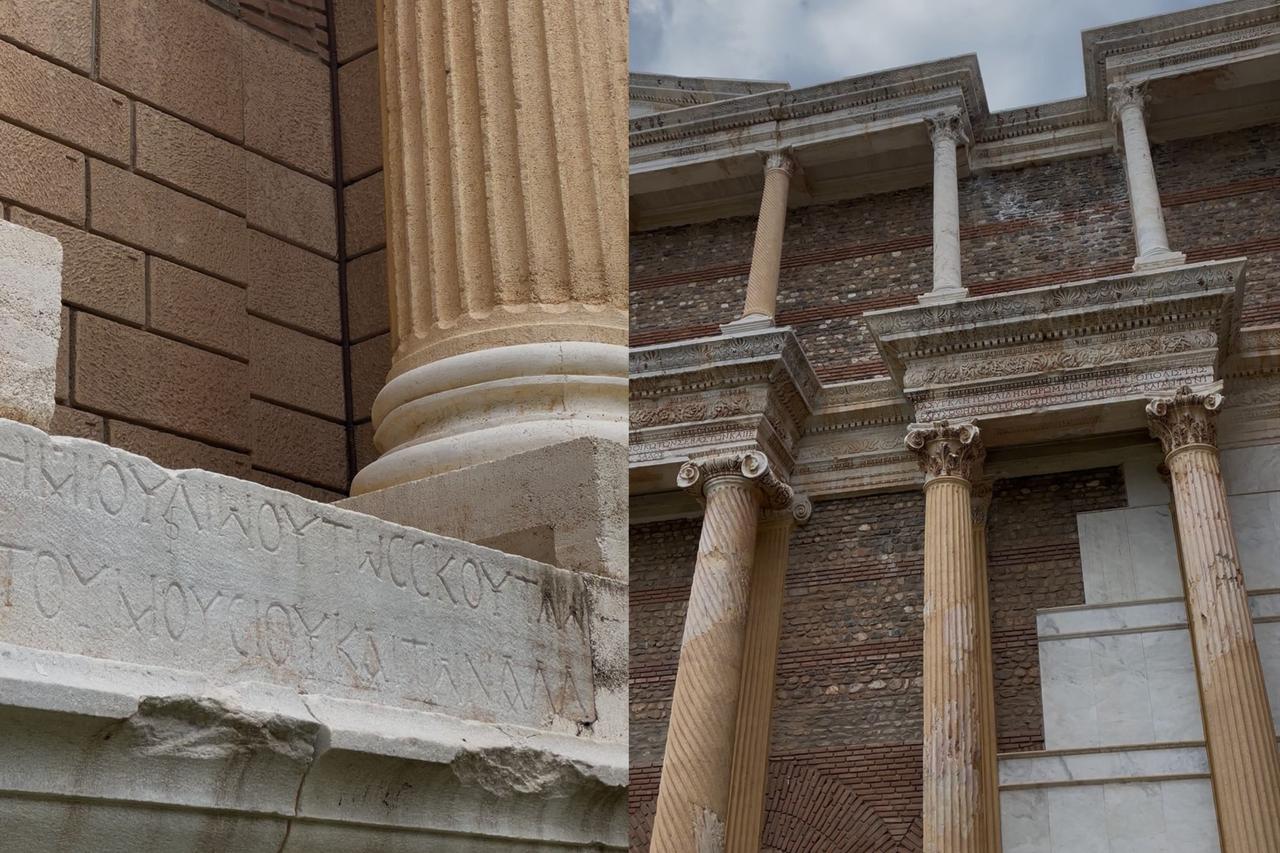
Attached to the complex, yet originally separate, the two-story Marble Court loomed as a ceremonial space framed by colonnades. An inscription with red-painted lettering dedicated the hall to Roman Emperor Caracalla, his co-ruler Geta, and their mother Julia Domna, revealing the city’s connection with the imperial family.
The inscription also mentions that the hall was gilded thanks to contributions from the city and two women of consular rank. One of these, Claudia Antonina Sabina, is linked to a sarcophagus discovered at Sardis, which is now preserved at the Istanbul Archaeological Museum.
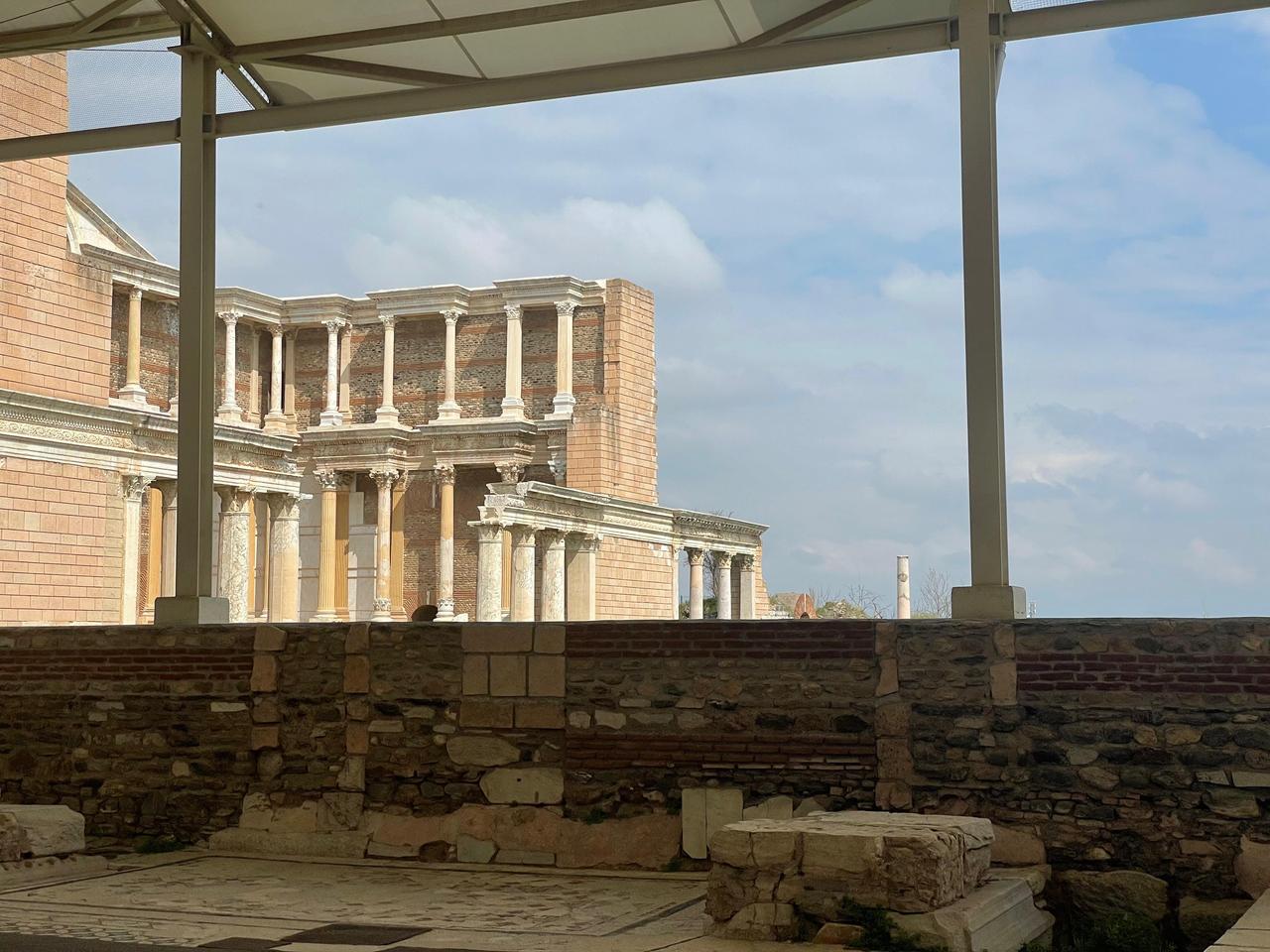
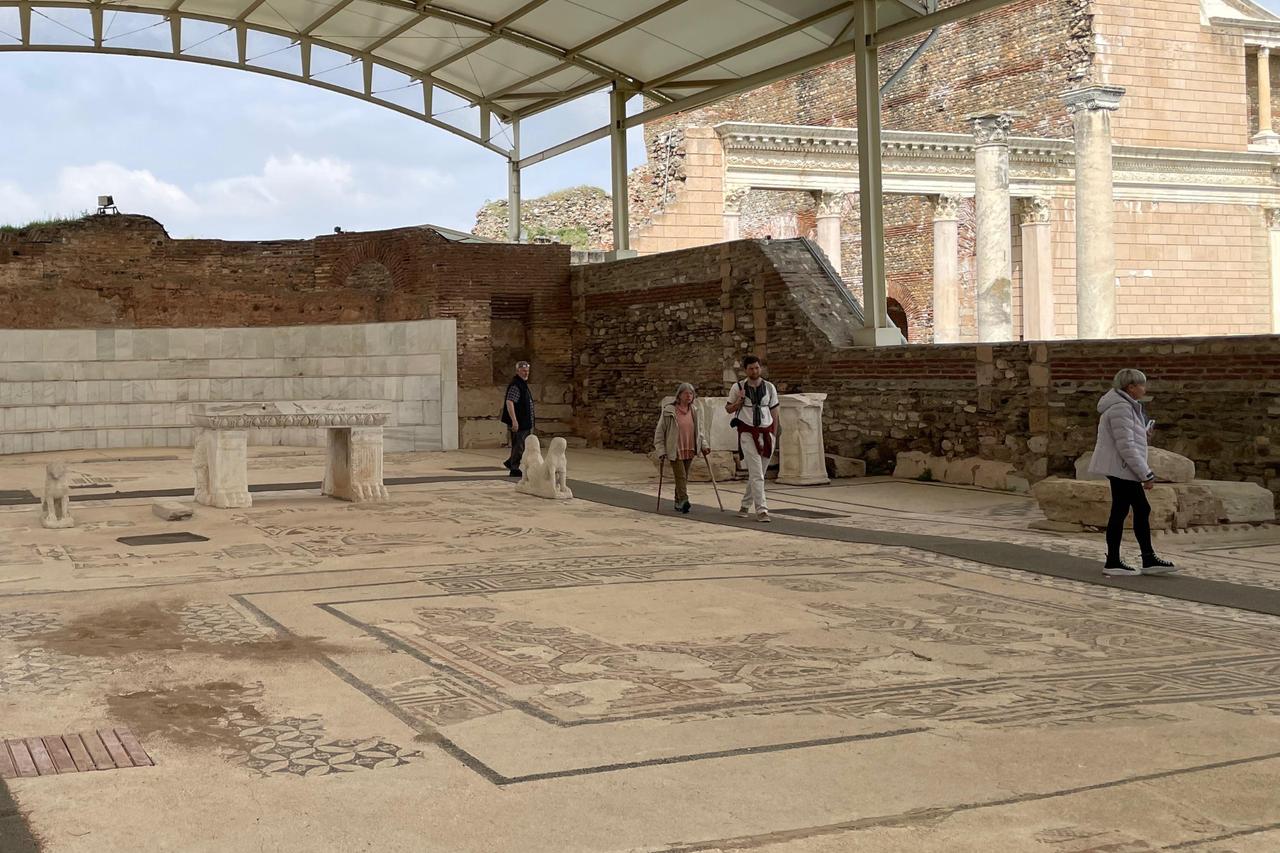
Completed in the late second or early third century A.D., the complex continued to evolve over time. In later centuries, parts of the structure were modified, including the conversion of one hall into a synagogue, reflecting changing cultural and religious dynamics within the city.
By the seventh century A.D., the bath had fallen into ruin, marking the end of its active use. Modern restoration efforts carried out between 1964 and 1973 brought key sections, including the Marble Court and synagogue, back into view.
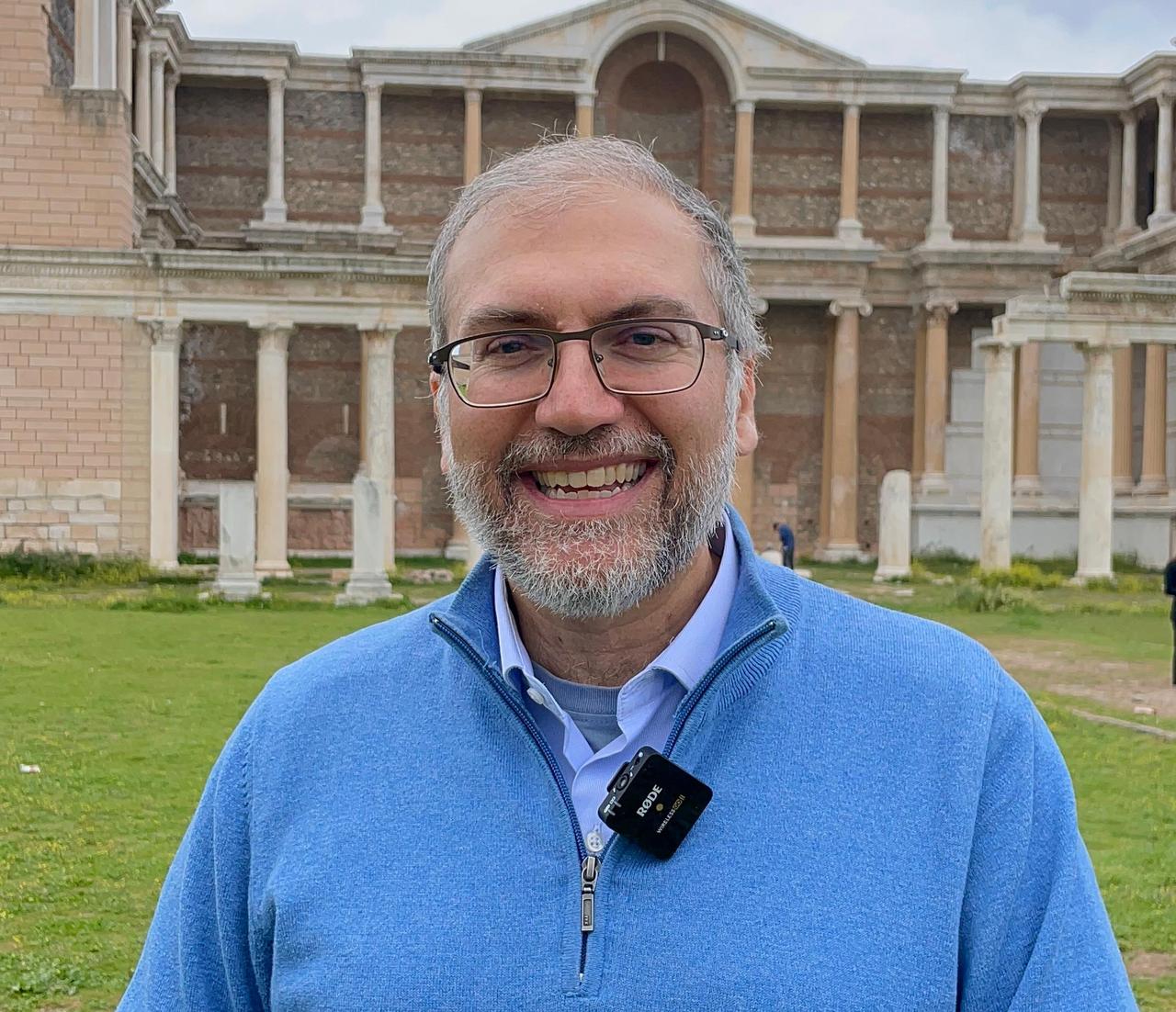
Bahadir Yildirim, first assistant director of excavations at Sardis, detailed the long-standing collaboration behind the site’s study to Türkiye Today. He explained that following initial studies by Princeton University in the early 20th century, a joint mission between Harvard and Cornell has continuously led the research for over six decades.
He described the project as a strong partnership between the Turkish Ministry of Culture and international institutions, noting that today more than half of the team consists of scholars and students from Turkish universities. He added that this collaboration has grown into a lasting model of cooperation and expressed hope that it will continue for many years.


 Set as preferred source
 Set as preferred source


 2 min read

 1 min read