Newsletters


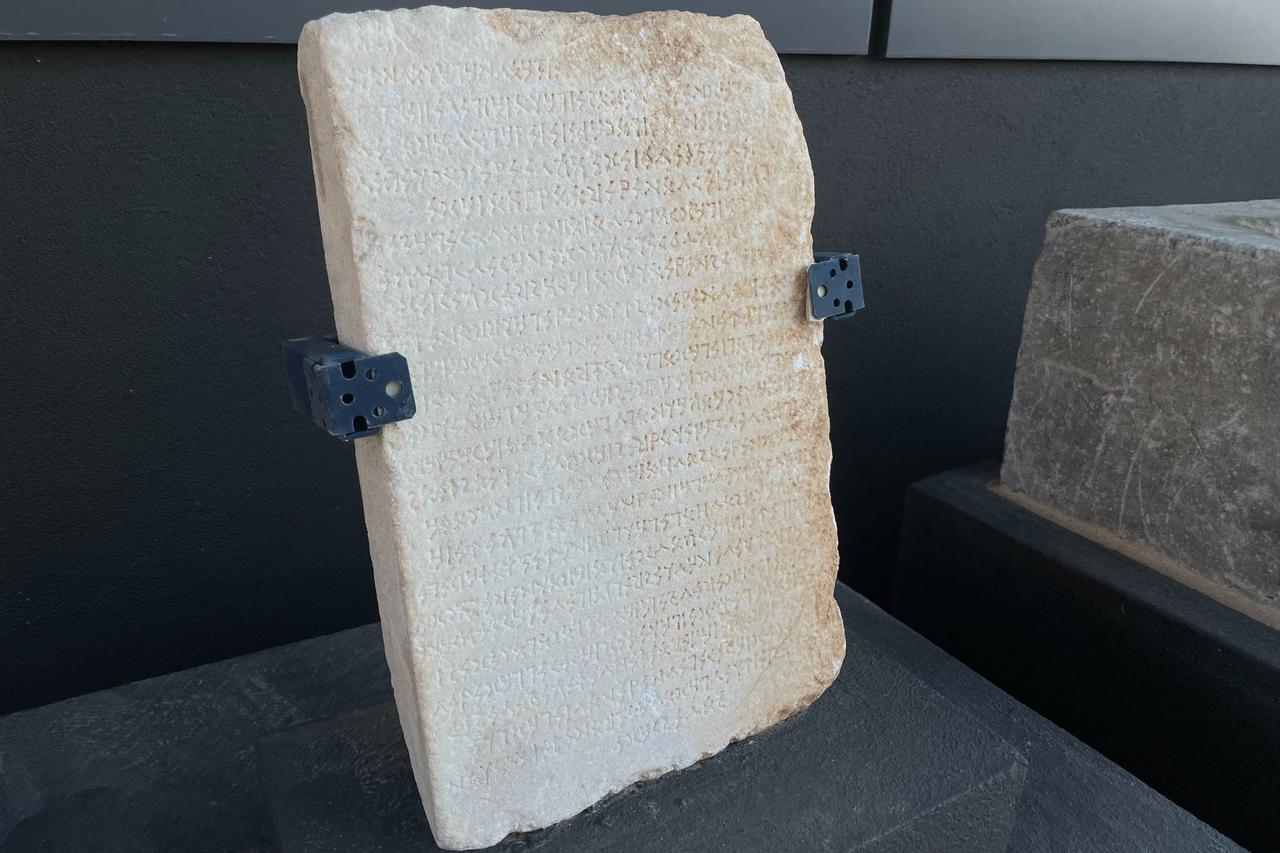


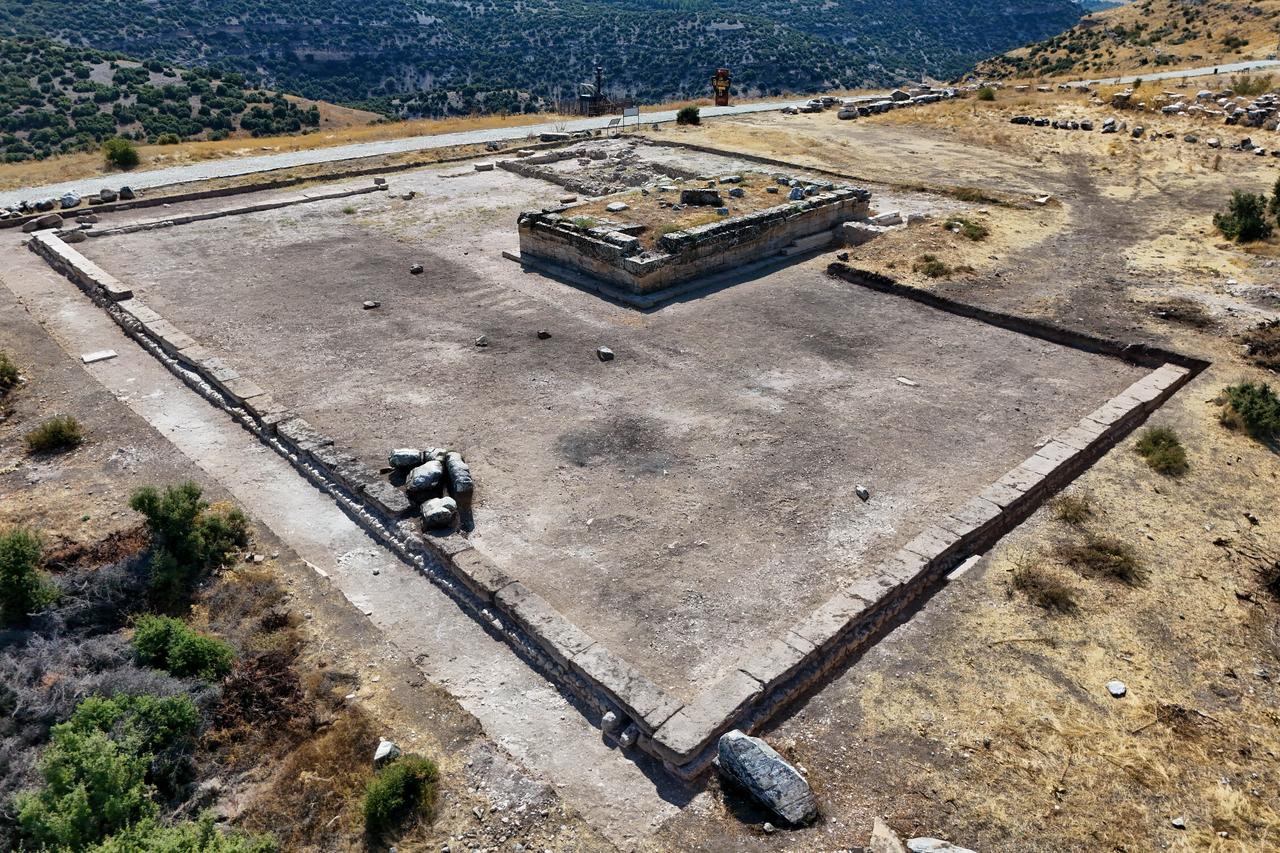
At Side Museum in Antalya’s Manavgat district, a renewed display now brings together Sidetic inscriptions for the first time, placing fresh focus on one of the last understood ancient languages of Anatolia. Seen inside the museum’s restored Roman-era Agora Bath, the section connects the language of ancient Side with the city’s wider role as a cultural and commercial center on the Pamphylian coast.

The available texts and related studies show that Sidetic belongs to the Anatolian branch of the Indo-European language family. Its grammatical structure is especially close to the Luwian languages of the Anatolian origin, while its vocabulary preserves clear traces of Anatolia alongside words borrowed from Hellenic, such as istratag, derived from strategos. Personal names also reflect this mixed background, with both Anatolian and Hellenic forms appearing in Sidetic use.
What survives of the language is limited. The total length of Sidetic texts discovered so far is less than 450 words. The brief inscriptions found on coins date to the fifth and fourth centuries B.C., while the stone inscriptions are thought to belong mainly to the fourth and third centuries B.C.
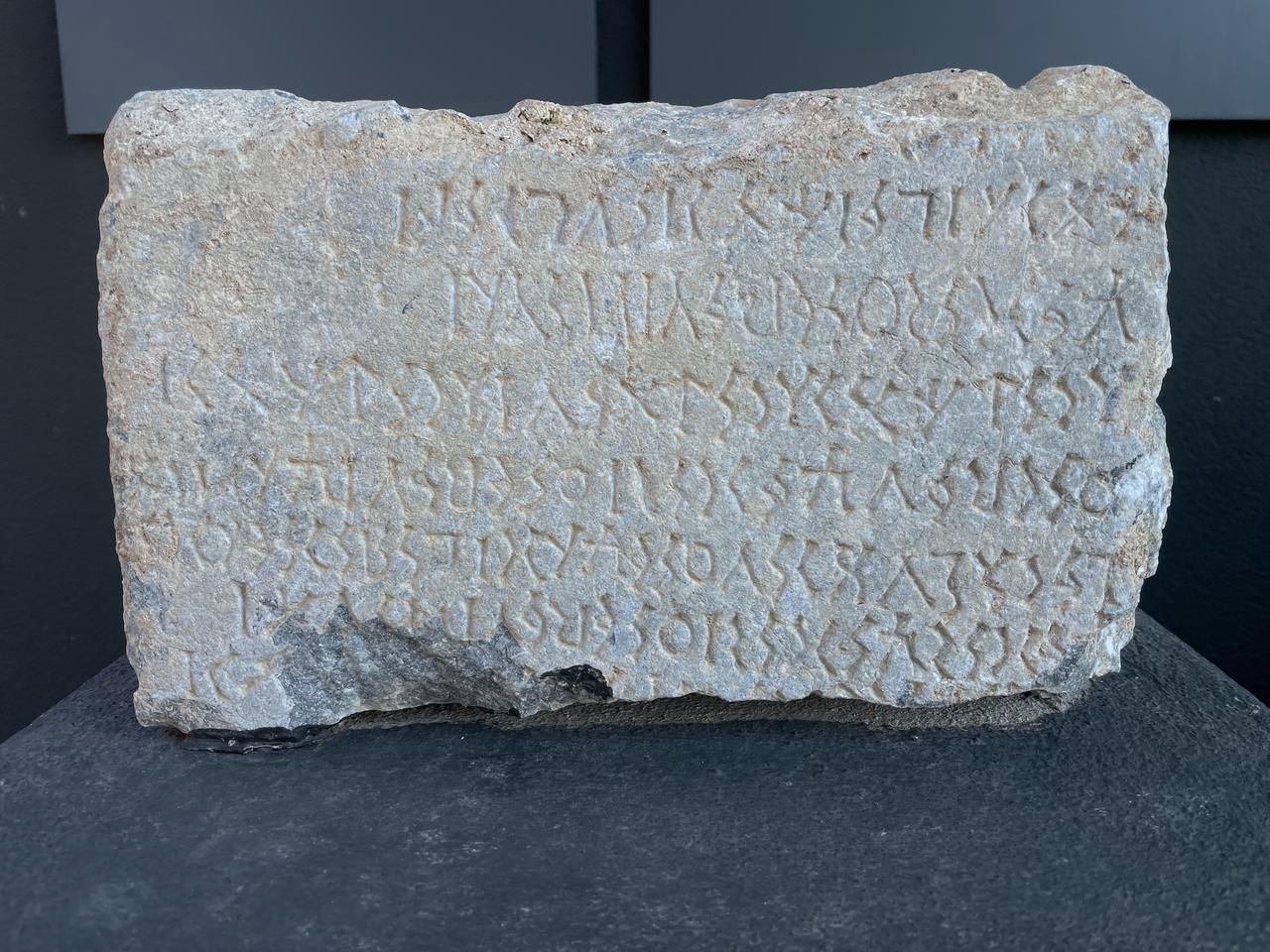
Only three short bilingual Sidetic-Hellenic inscriptions have been identified to date, yet these have made it possible to decipher much of the Sidetic alphabet and read a large part of the known inscriptions.
Sidetic was spoken in Side and along the Pamphylian coast east of Antalya. Around 10 Sidetic inscriptions dated to the third and second centuries B.C. have been found, and two of them are bilingual in Greek and Sidetic. The language is also known from coin legends struck between the fifth and third centuries B.C. in Side and Aspendos.
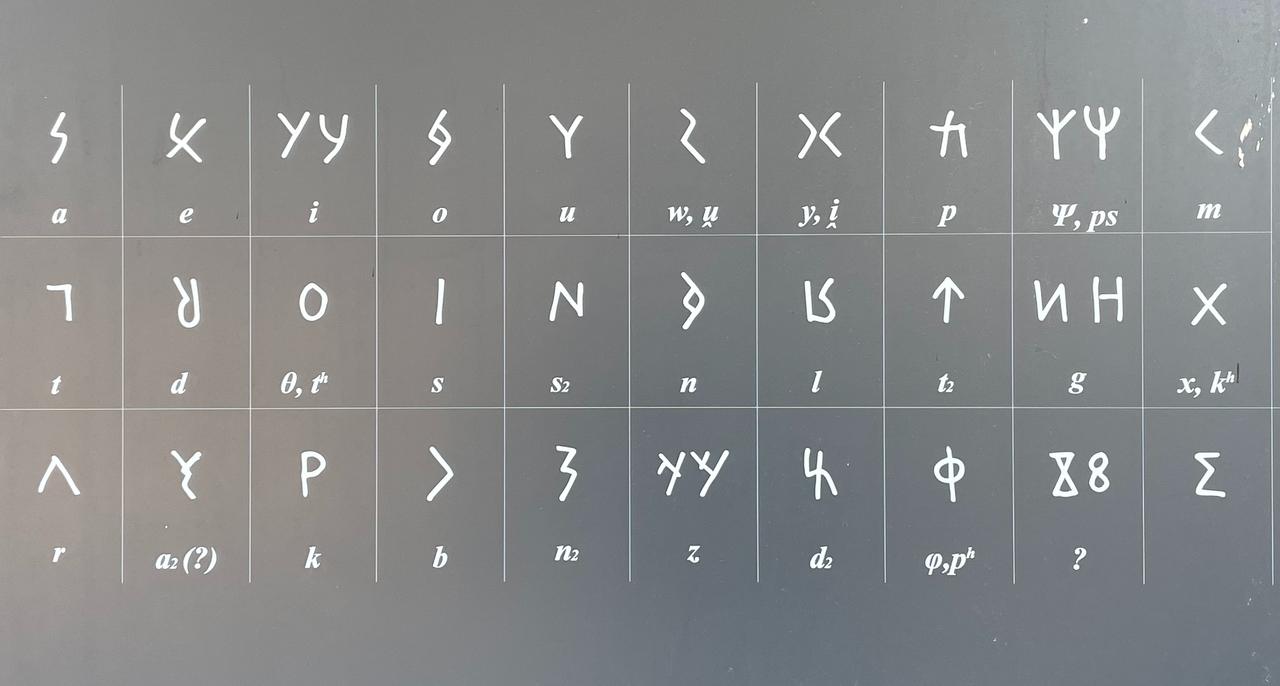
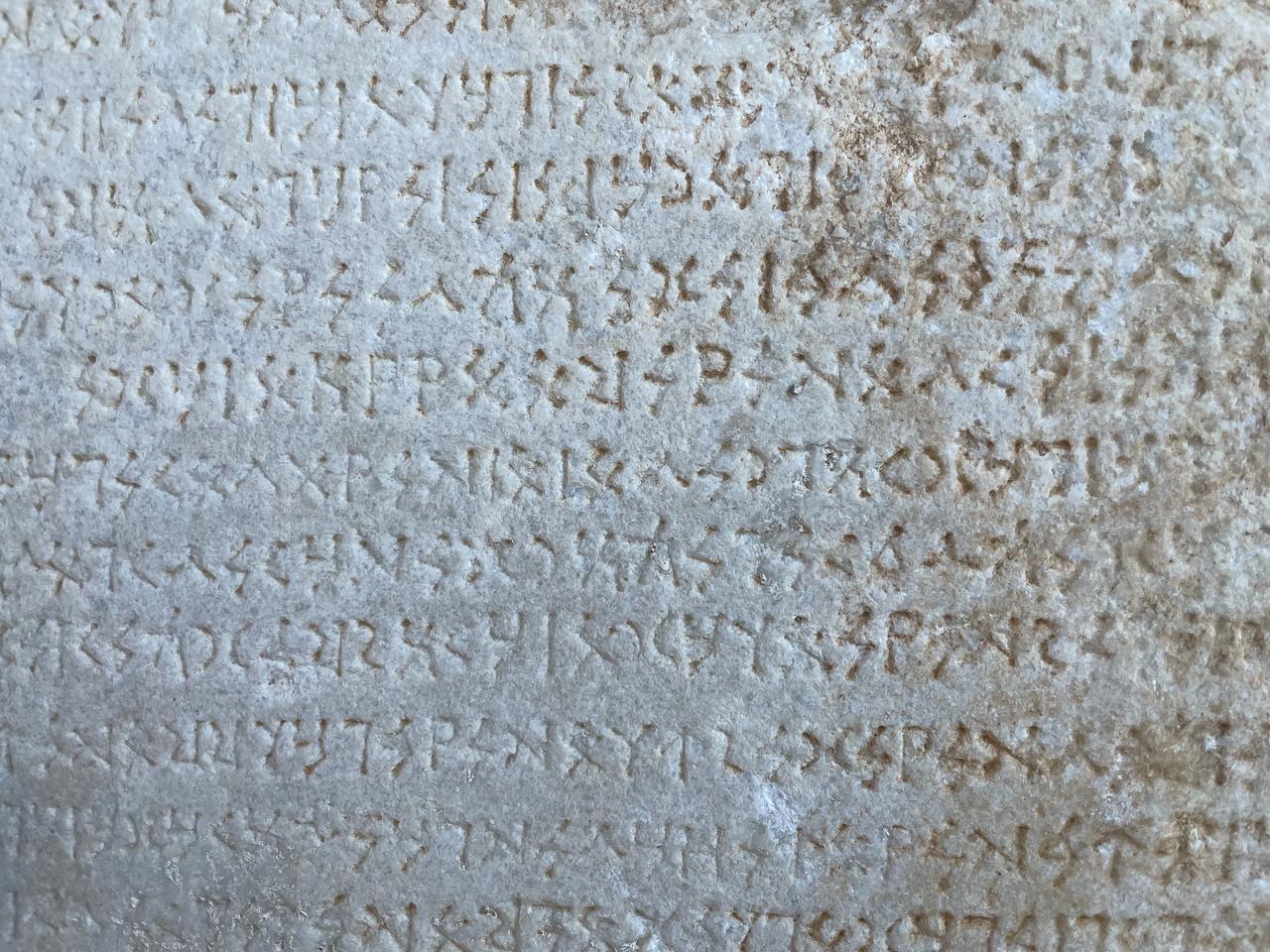
The Sidetic writing system is described as a mixture of Semitic and Greek letters, and some of its signs still do not have agreed-upon sound values. Even so, the language is thought to have used a phonetic system markedly different from the surrounding alphabetic languages.
This makes Sidetic part of a broader story about writing in Anatolia. Written sources indicate that writing first reached Anatolia through Akkadian and Assyrian traders in the late third and early second millennia B.C. The first written records in Anatolia belong to the period of the Assyrian merchant colonies and were largely tied to trade, law, credit, labor, and commercial disputes.
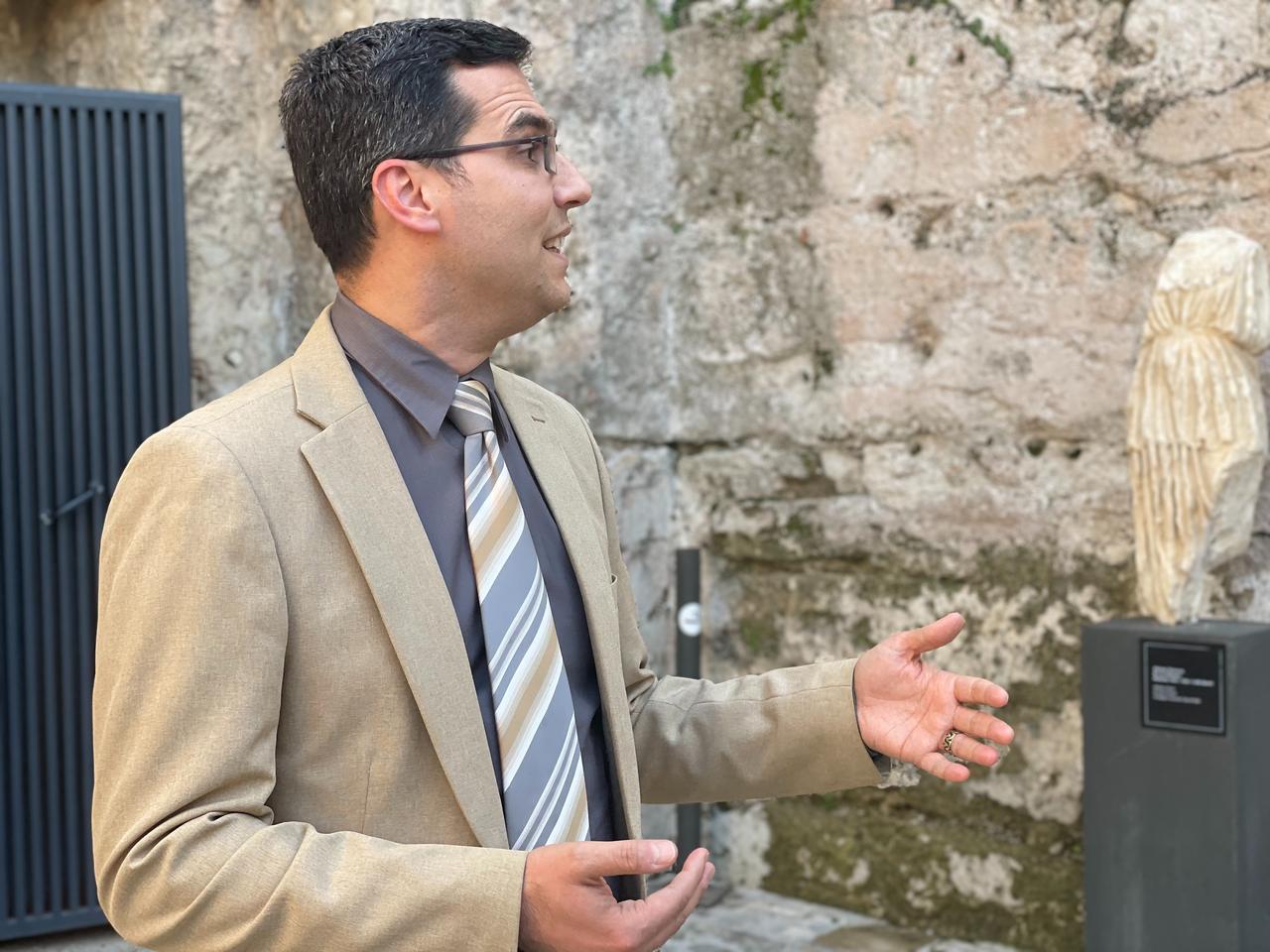
Over time, Anatolia saw a wide variety of scripts, from cuneiform in the east to alphabetic systems in the south and west.
Against this backdrop, Side held onto a local written tradition. From the Hellenistic period onward, many local scripts disappeared as Hellenism spread widely across Anatolia. The people of Side and Pamphylia are presented as an exception, resisting this process of linguistic replacement with their own original writing system.
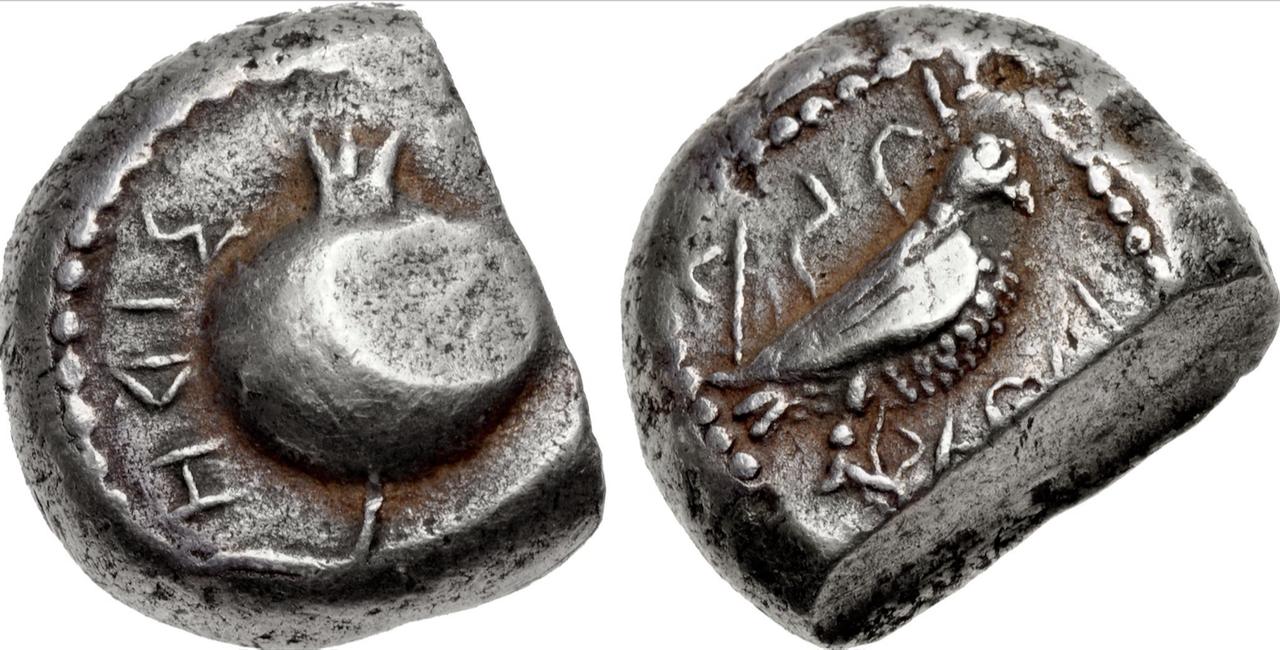
The language is visible not only in inscriptions on stone but also on coins. An early silver coin from Side, dated to the beginning of the fifth century B.C., shows the city’s emblem, the pomegranate, on the obverse together with the Greek name of the city. On the reverse appears an eagle and a Sidetic inscription whose meaning remains unclear. Another series of silver coins, minted in nearby Aspendos, carries two wrestlers on the obverse and an archer on the reverse, together with the city’s name in Sidetic.
Among the best known finds is a bilingual votive inscription for Athena, discovered in Side in 1914 by Italian researchers Paribeni and Romanelli and re-deciphered by Johannes Nolle in the 1980s. Dated to the fourth or third century B.C. and carved in marble, the text records a dedication by Artemon, son of Athenobios, to the goddess Athena in thanks.
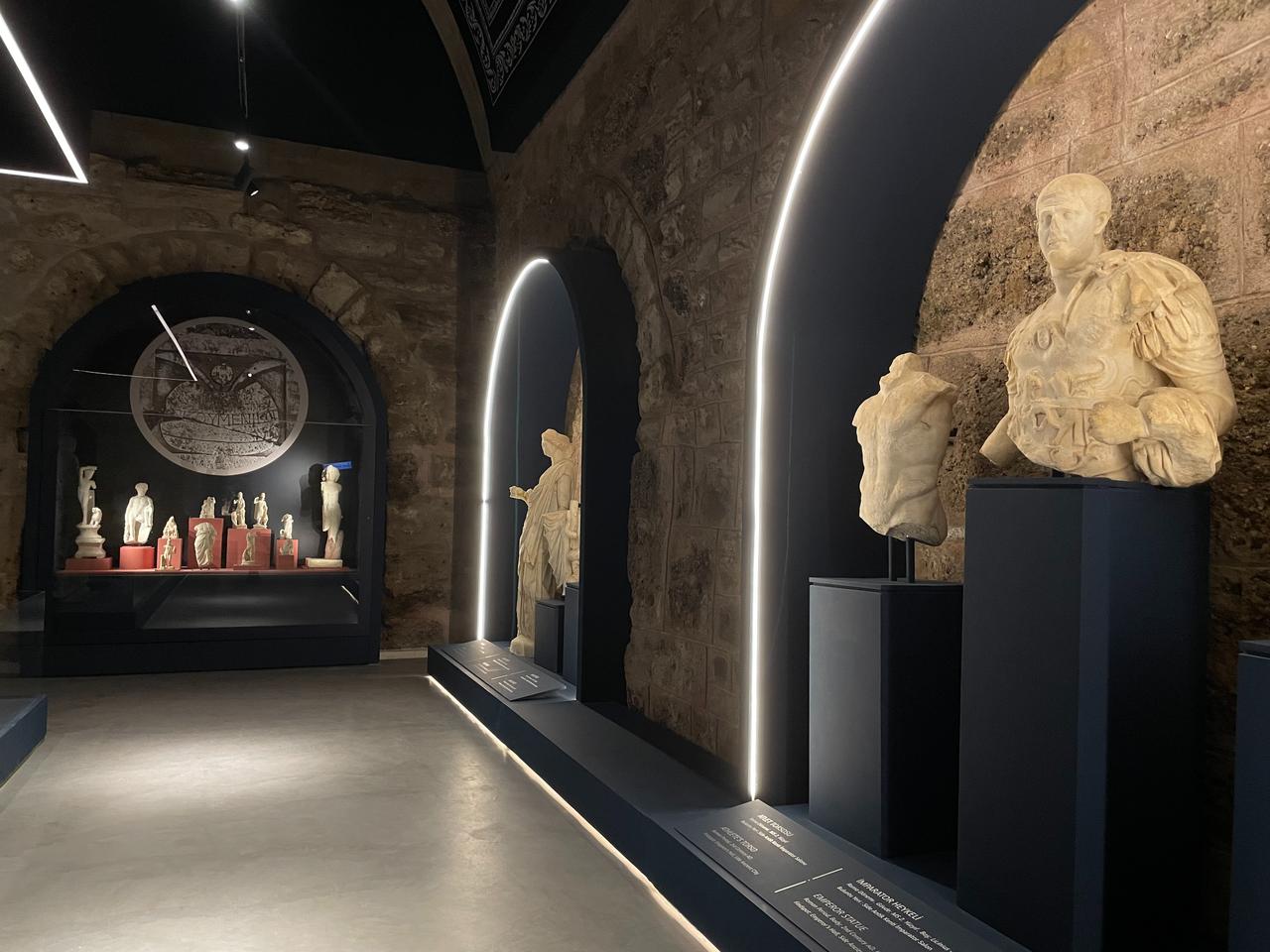
Side Museum stands at the center of the ancient city of Side, inside a Roman bath that was later reshaped and partially restored before opening as a museum in 1962. Surrounded by major monuments such as the theater, the agora, and the Vespasian Monument, the building itself forms part of the historical setting it presents.
The museum’s collection is built on finds uncovered through excavations that have continued since 1947. In recent years, new discoveries and previously unexhibited works have enriched the displays, which have been renewed under the Culture and Tourism Ministry’s "Heritage for the Future" project. Within these updated exhibition spaces, Sidetic inscriptions can now be seen together for the first time.
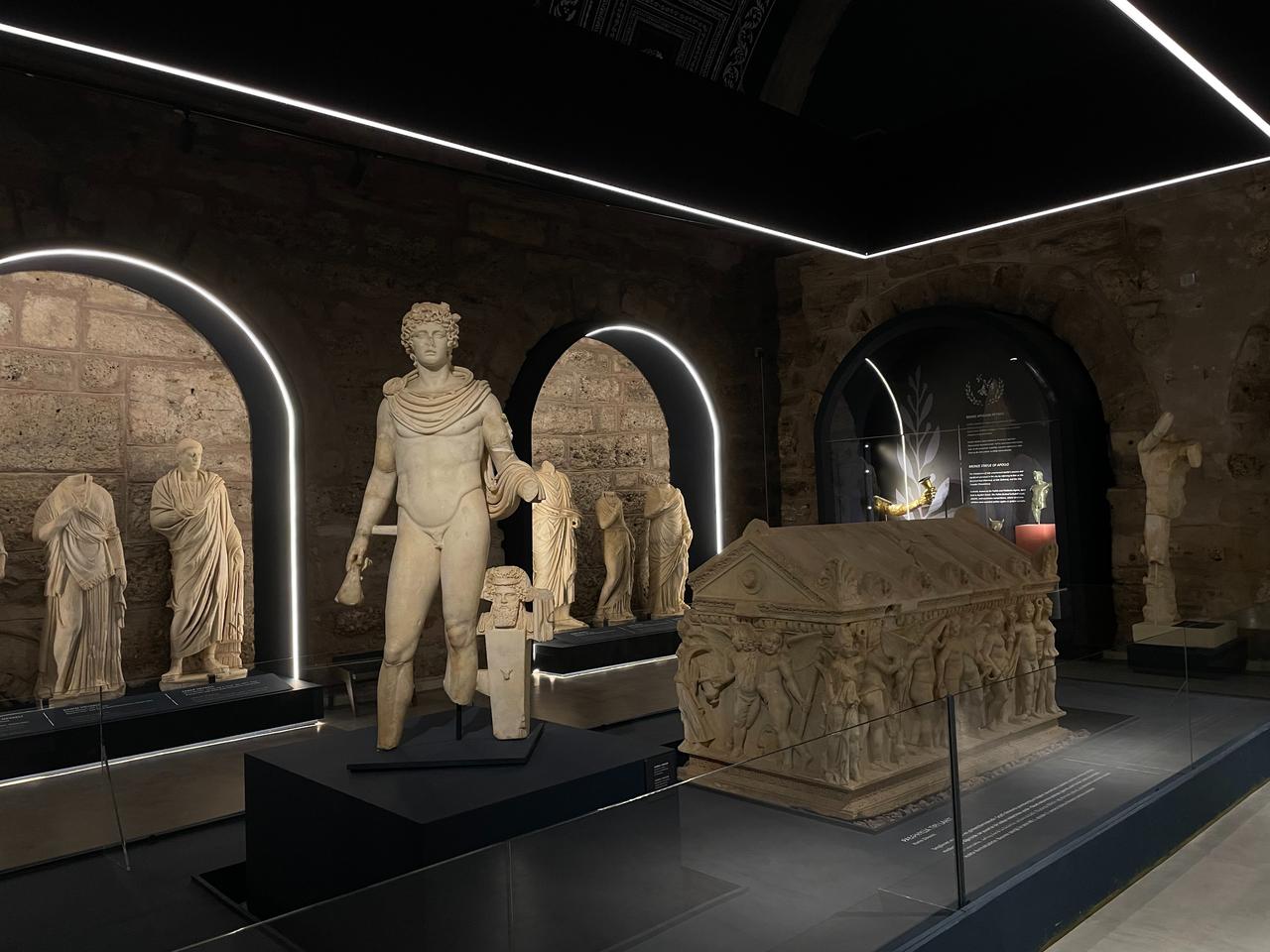
In the indoor galleries, visitors move through material ranging from the Late Bronze Age to the Roman and Byzantine periods.
Terracotta figurines from early settlement phases, scales and weights linked to Side’s commercial past, statues of gods and goddesses from the city’s public buildings, friezes with marine themes, relief architectural pieces, coins, jewelry, amphorae, sarcophagi with Eros figures, and bronze and marble statuettes all help place the Sidetic section within the city’s longer history.
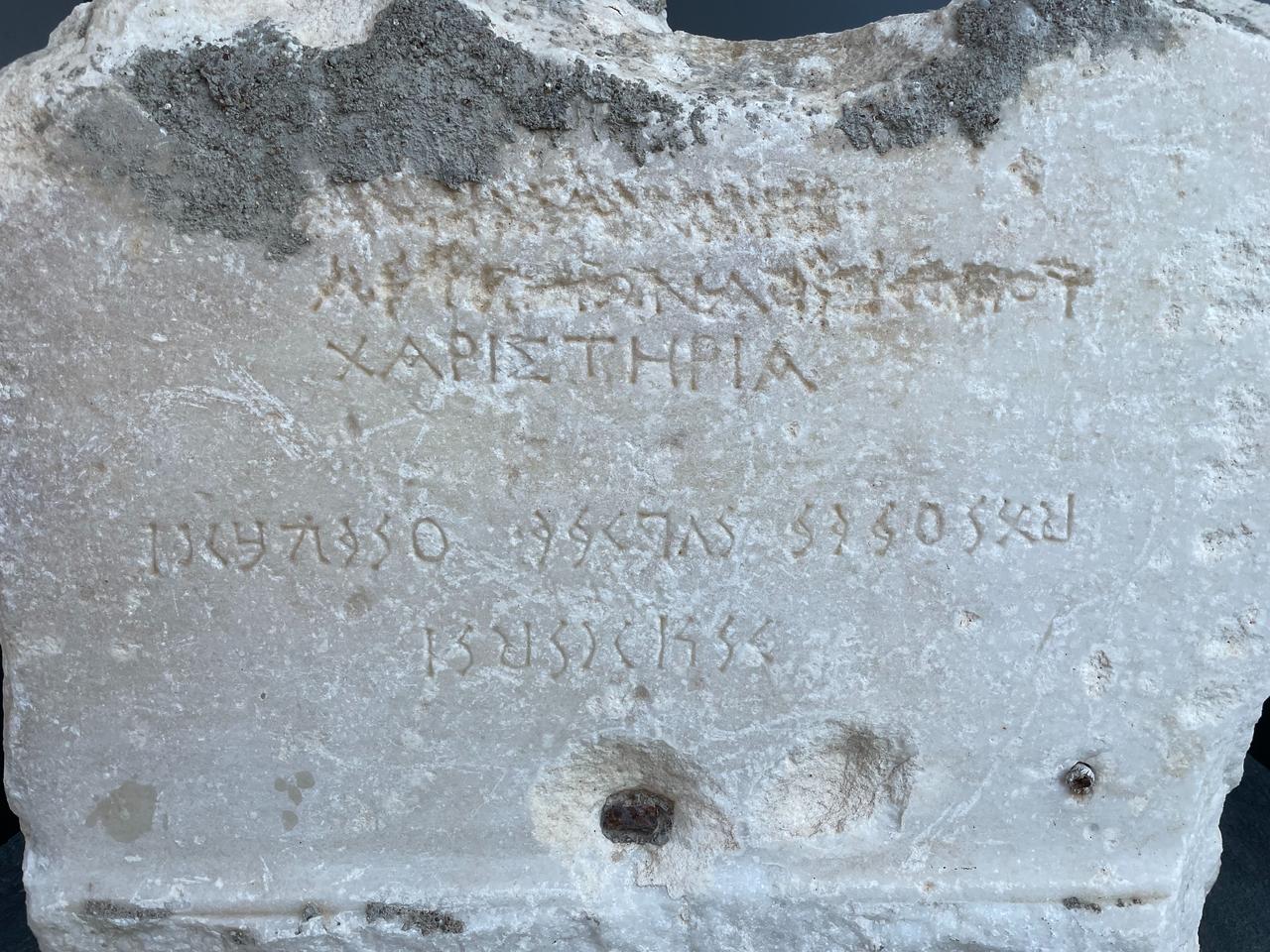
The museum presents Side not simply as a seaside destination, but as a historic port city shaped by its Luwian-rooted language, its distinctive writing system, its monumental architecture, and its Mediterranean trade connections. Archaeological data points to settlement from at least the eighth century B.C., while some finds from the area reach back to the Late Bronze Age.


 Set as preferred source
 Set as preferred source


 3 min read