Newsletters




The Louvre Museum has rolled out a new ticket pricing structure that raises admission for visitors from outside Europe to €32 ($37.3), while keeping the standard price for European citizens at €22 ($25.6), a change that has stirred criticism over what some describe as dual pricing.
The increase applies to visitors from outside the EU as well as outside the wider European grouping named by the museum, which includes EU countries plus Iceland, Liechtenstein, and Norway.
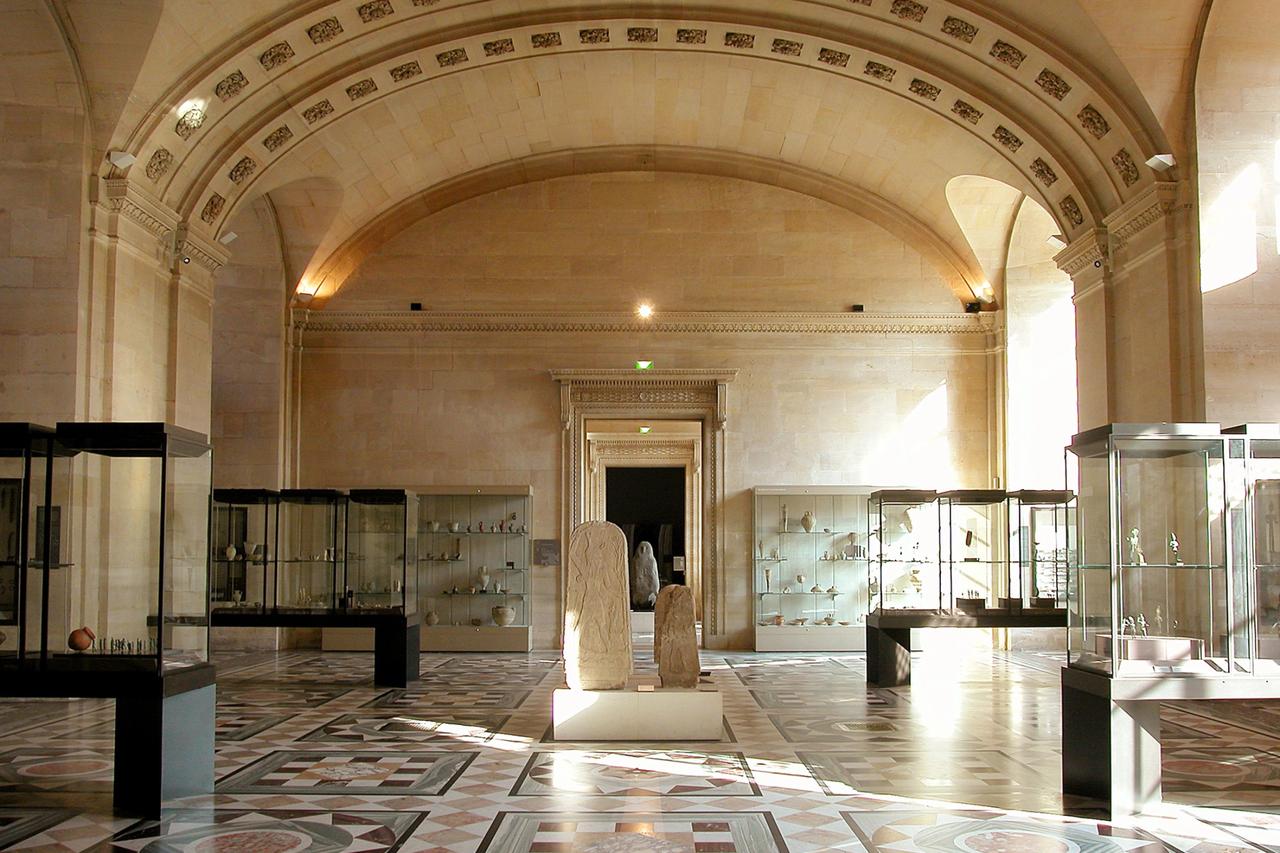
The shift comes as the Louvre continues to stand out not only as one of the world's biggest museums but also as a place that holds thousands of objects linked to Anatolia and modern-day Türkiye, according to its own online collection database.
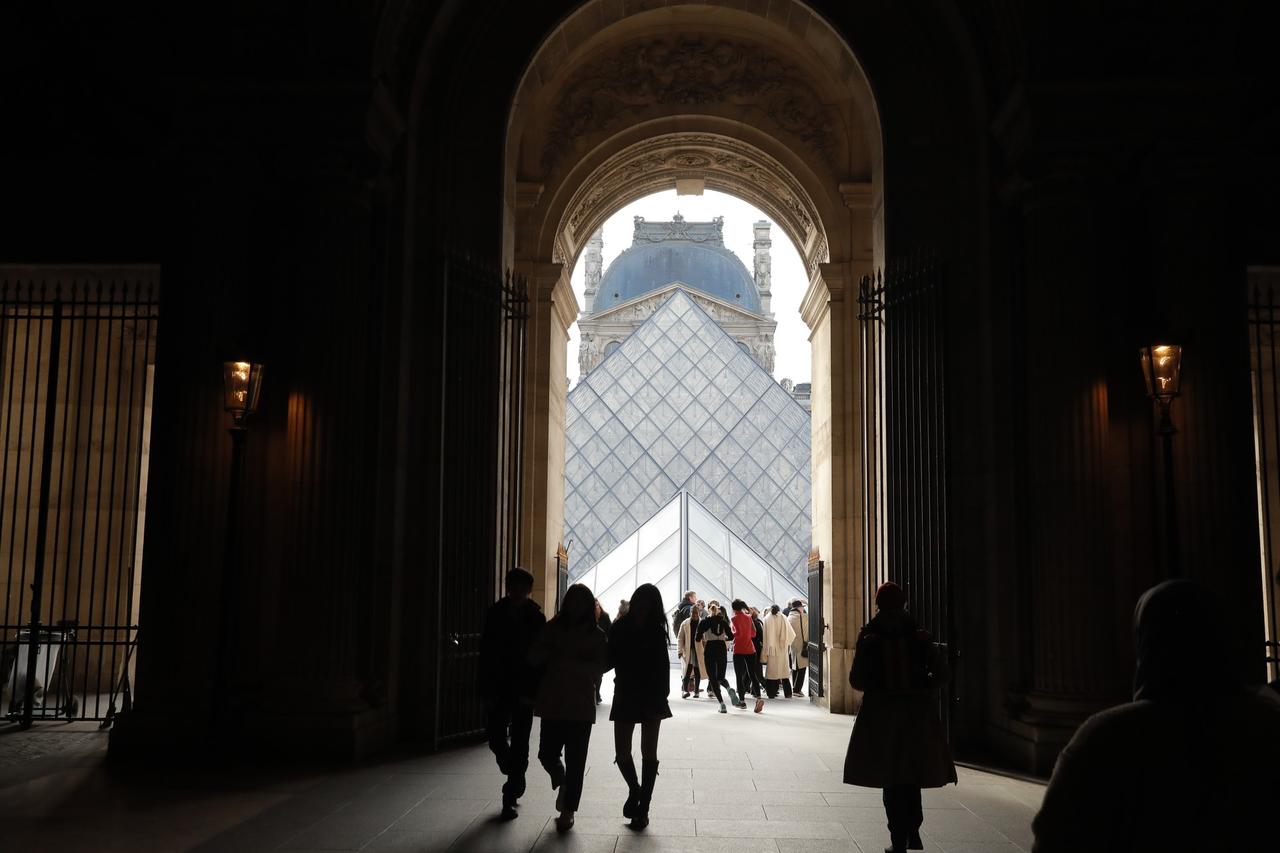

The higher ticket price for non-European visitors took effect on Wednesday, after the Louvre Board of Directors approved the revised structure in November. The museum expects the adjustment to bring in an additional €15-20 million ($17-23 million) in annual revenue for its budget.
Criticism followed soon after the change went into force, with visitors interviewed in Paris describing the gap as a barrier for access and a matter of fairness. Julia Estimado, a French national, said the price rise limits access to culture while also linking the move to revenue needs following a major jewelry theft. Angel Sangronis, a Venezuelan tourist, summed up the difference as “not fair.” South Korean tourist Hyewon Lee also said she views the fee as expensive for a student.
The comments surfaced against the backdrop of a reported $102 million jewel heist at the museum in October last year, which was cited by one visitor as part of the context for the decision.
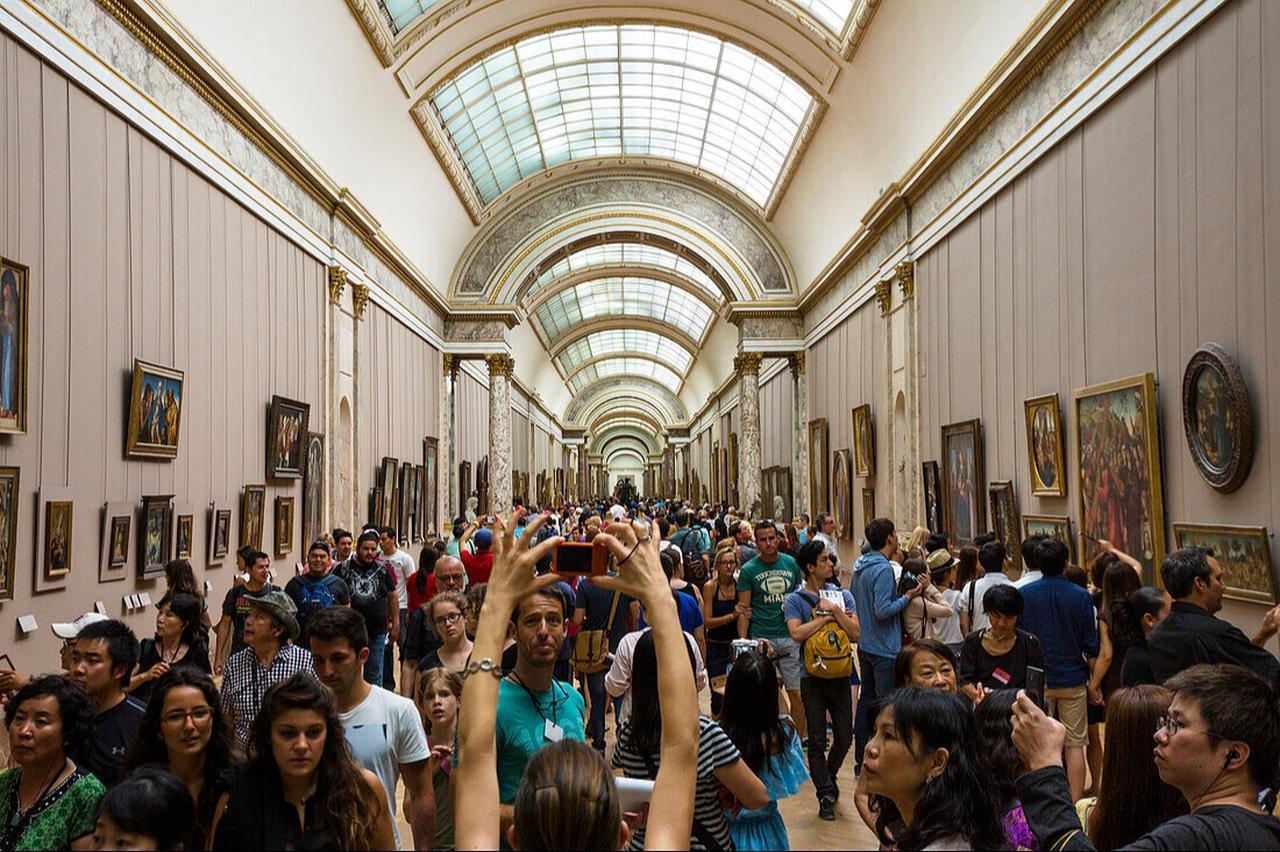
The Louvre holds a collection spanning from prehistory to the 21st century. Official figures cited in the museum context put the overall inventory at over 550,000 objects, with roughly 35,000 on display at any given time, meaning most pieces remain in storage, on loan, or rotated through temporary exhibitions.
Within that larger total, the Louvre online database shows around 3,000 objects linked to Anatolia (Türkiye). Most of them appear under the Department of Near Eastern Antiquities, where around 2,953 Türkiye-origin records are listed, while smaller numbers are logged under Greek, Etruscan and Roman Antiquities (27 pieces) and Byzantine and Eastern Christian Art (13 pieces).
The database also suggests that roughly 80 of these Anatolia-linked works are being shown in Paris, with the rest kept in reserve collections or sent out on loan.
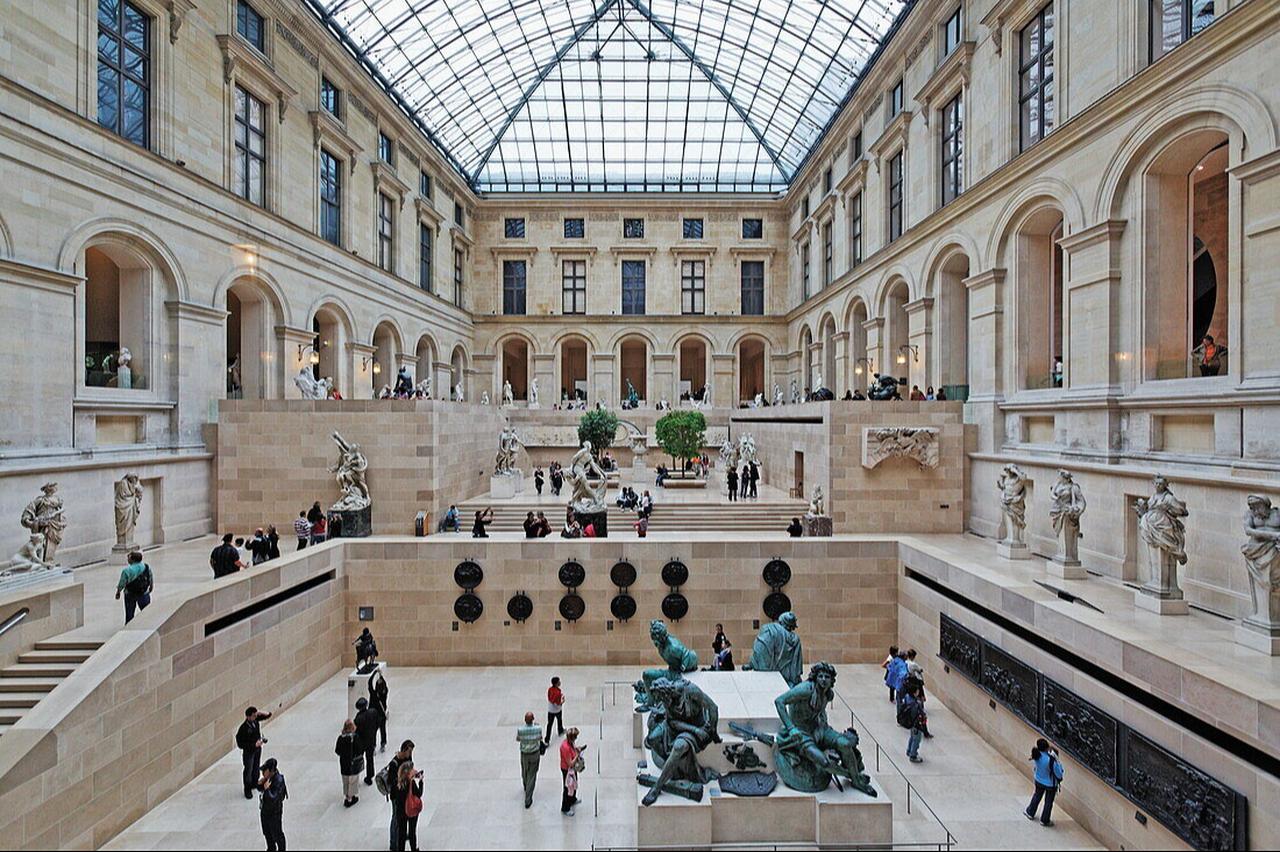
Among the best-known Anatolia-linked works at the Louvre are large stone sculptures associated with the Hittite and Aramaean world in southern Anatolia.
In 1922, a set of Neo-Hittite pieces was added to the museum's holdings through a donation by French officer Colonel Normand, with items brought from the Gaziantep region.
Three sculptures are highlighted as currently displayed: a gate lion from Zincirli (Samal) and two sphinxes from the Yesemek open-air sculpture workshop.
The lion is recorded with inventory number AO 8188, described as a basalt lion head and neck with an open mouth, and it is presented as one of five lions found at Zincirli, alongside parallels in Berlin and Istanbul. The two Yesemek sphinxes are listed as unfinished basalt pieces, registered as AO 8189 and AO 8180, and displayed in the same gallery space.
The Louvre Near Eastern holdings also include smaller Hittite-era objects such as cuneiform tablets, seals and seal impressions, and hieroglyphic inscriptions, with many kept for research access rather than permanent display.
Urartian material is also described as part of the Anatolia-linked holdings, sometimes labeled in museum records as “Urartu (Armenia)” because the Urartian kingdom was centered in eastern Anatolia and surrounding regions.
The text points to Urartian bronze work as especially notable, citing a bronze plaque registered as AO 28359, alongside belts, plaques, figurines, helmets, and weapons that were largely collected or acquired from excavations in the 19th century.
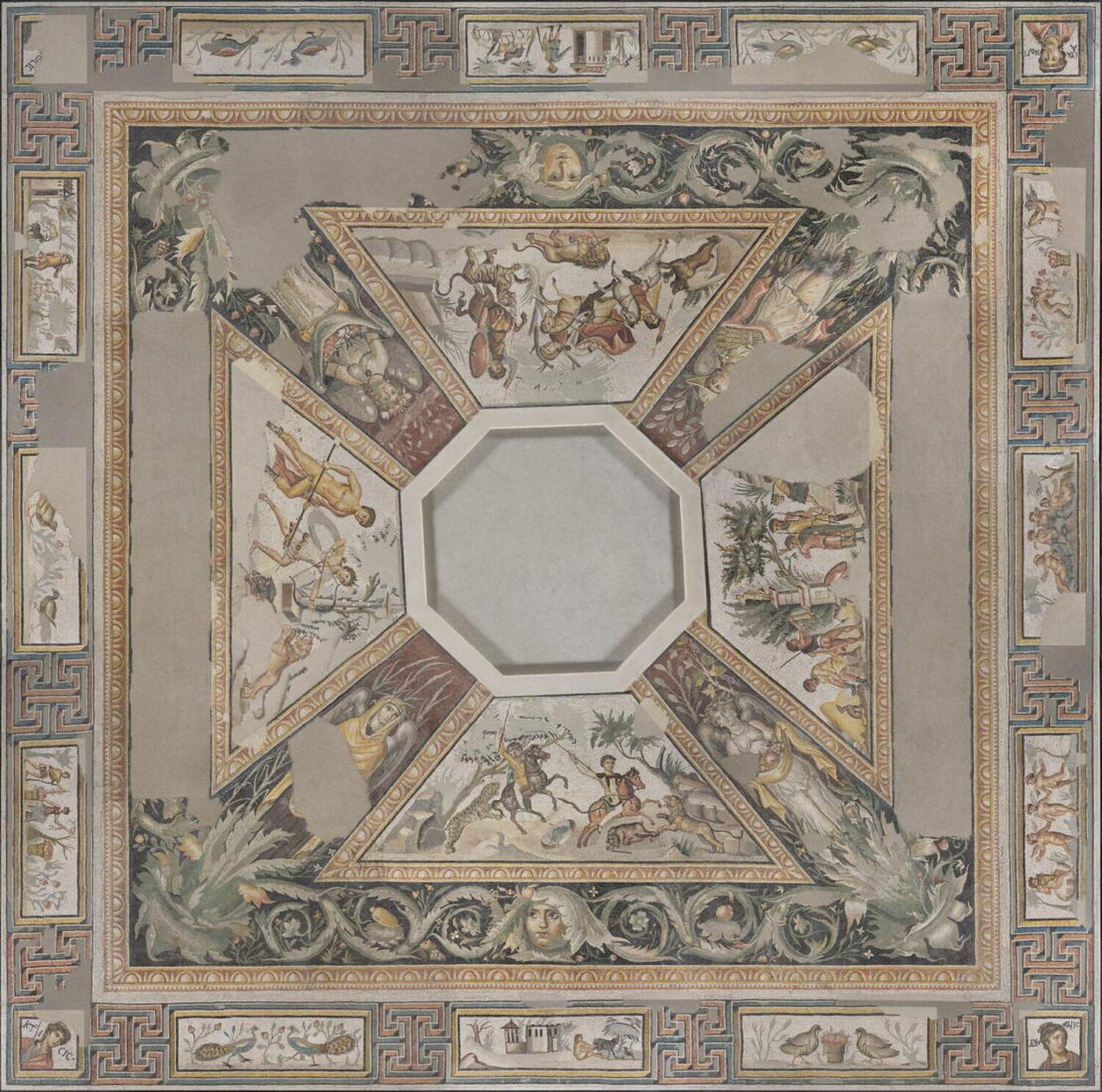
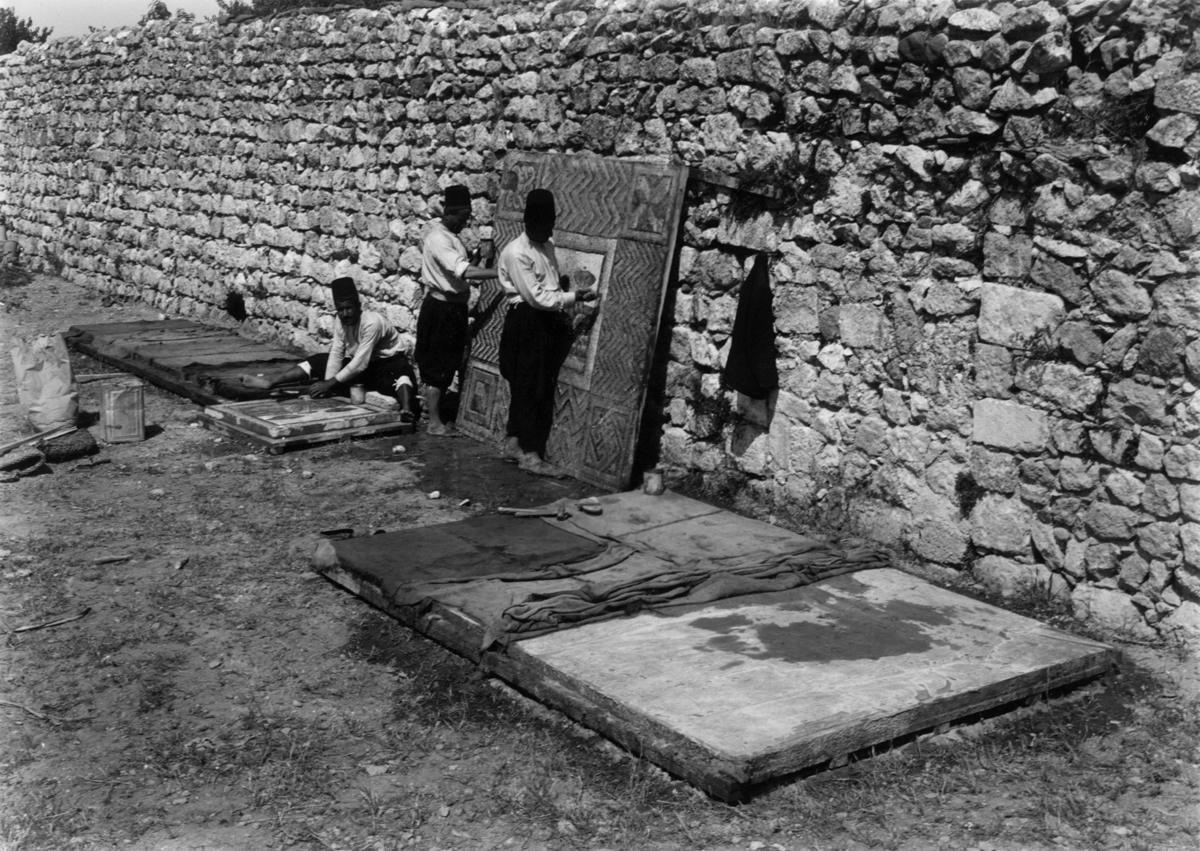
Anatolia-linked works also appear in the Louvre Greek and Roman collections, including mosaics from Antioch (Antakya) unearthed in excavations led by Princeton University in the 1930s. One key example cited is the “Judgment of Paris” mosaic, dated to the second century A.D. and registered as Ma 3443, which depicts the myth of Paris choosing among Hera, Athena, and Aphrodite.
Another highlighted piece is a “Seasons Mosaic” featuring personifications of the four seasons, also shown at the Louvre.
In the Byzantine and Eastern Christian Art area, the text points to a limited number of Türkiye-linked records and singles out the Harbaville Triptych, an ivory triptych made in 10th-century Constantinople (Istanbul).
It is described as a refined Byzantine ivory icon linked to the Macedonian dynasty period, acquired by the Louvre after it surfaced in Europe in the 19th century. The database also shows Istanbul-linked Byzantine ceramics and fragments cataloged from Ottoman-era excavations, along with other small objects that may be held largely outside permanent display.
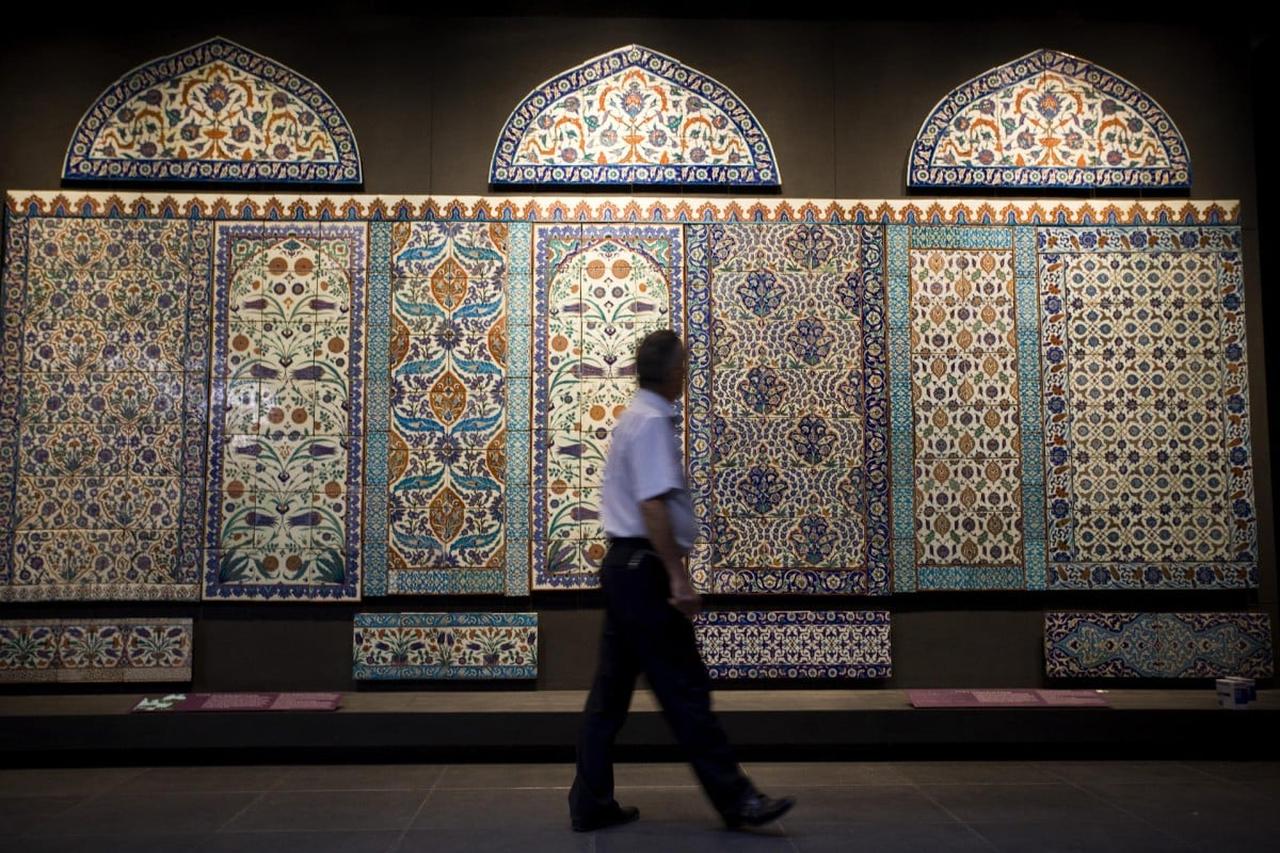
The Louvre Islamic Art department is described as presenting more than 1,000 works across 1,300 years of Islamic history, and the text notes that Ottoman-era pieces are a significant part of that panorama. Ottoman works are often cataloged by production place, such as Iznik or Istanbul.
Iznik ceramics are highlighted as central to the Louvre Ottoman holdings, with examples including a 1560-1575 Iznik bowl featuring carnation motifs (OA 6325) and a late-17th-century Iznik tile panel depicting the Kaaba (OA 3919).
The database also shows Ottoman metalwork, weapons, textiles, and carpets and mentions that the museum acquired an elegant 17th-century Ottoman writing set (divit), registered as OA 13048, described as coming from the Alexandre Sauvageot collection, donated to the museum in 1856 and currently kept in storage.
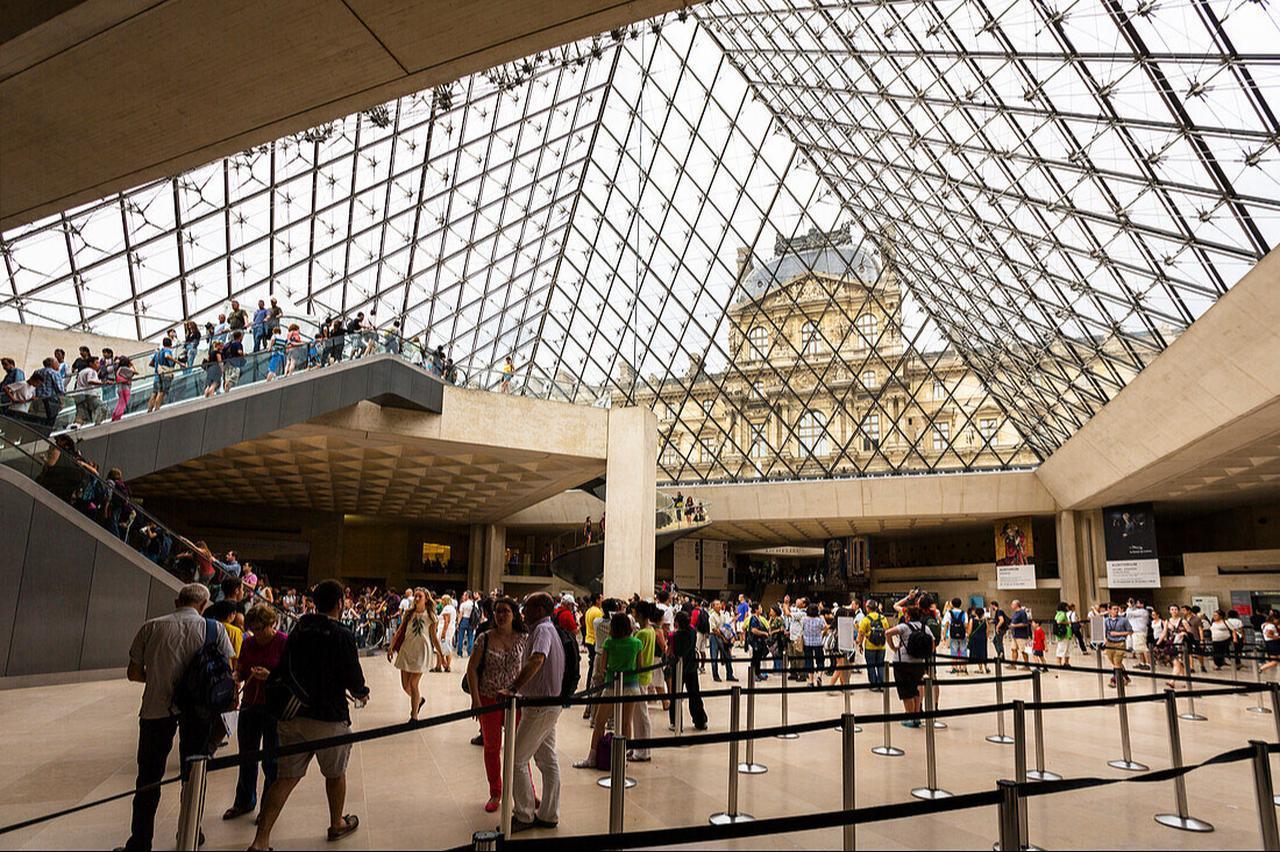
As the Louvre charges higher admission for visitors from outside Europe, the museum's own collection data underscores how widely its holdings draw on regions far beyond the continent, including thousands of objects tied to Anatolia and modern-day Türkiye.
The price change, visitor reactions, and the scale of the museum's global collections are now being read together by critics who frame the issue around access, equity, and how cultural heritage is presented and paid for in one of the world's most-visited institutions.


 Set as preferred source
 Set as preferred source


 2 min read
 1 min read