

 Newsletters


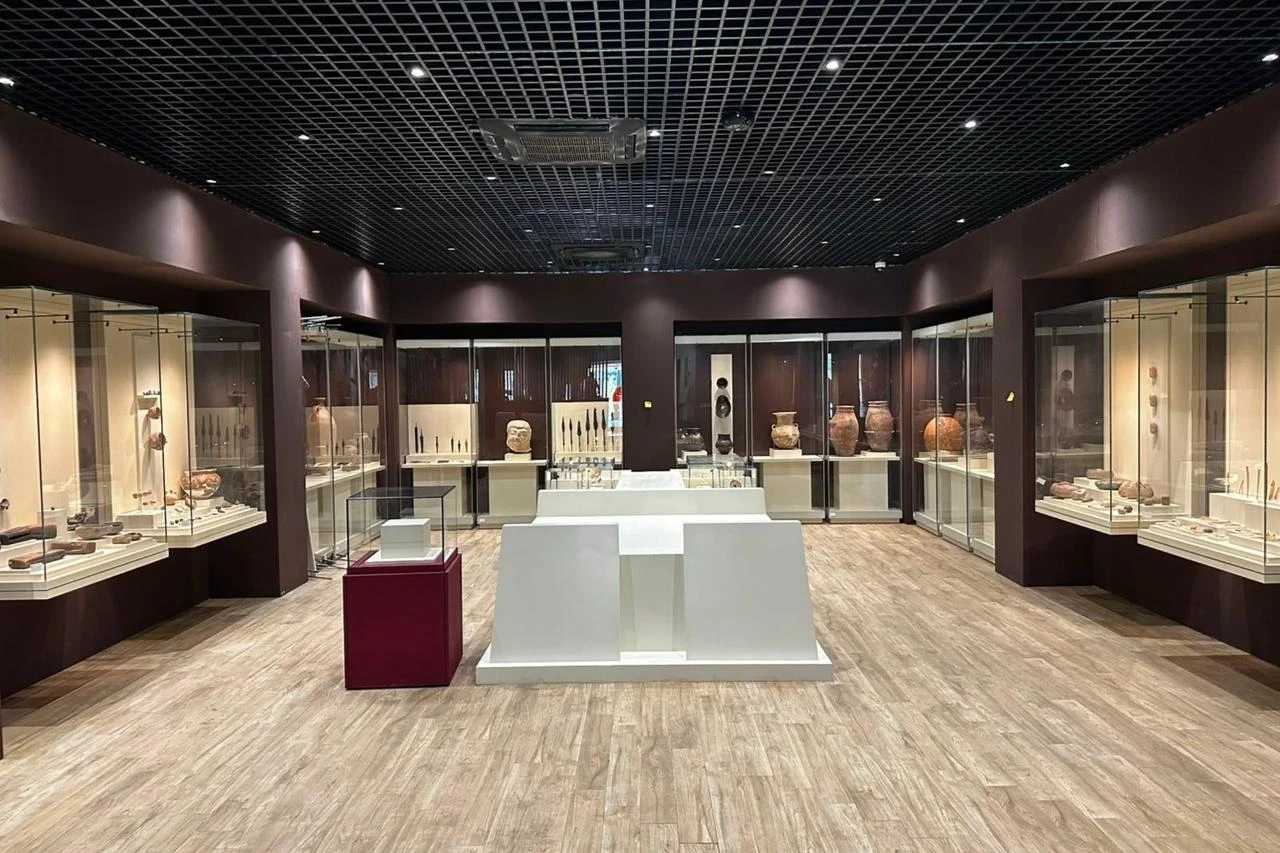


Malatya Archaeology Museum in eastern Türkiye will reopen to visitors on Saturday after restoration and reinforcement work carried out following damage caused by the Feb. 6 earthquakes.
Culture and Tourism Minister Mehmet Nuri Ersoy announced the completion of the project on social media, saying the museum had been restored, strengthened and reorganized before reopening to the public.
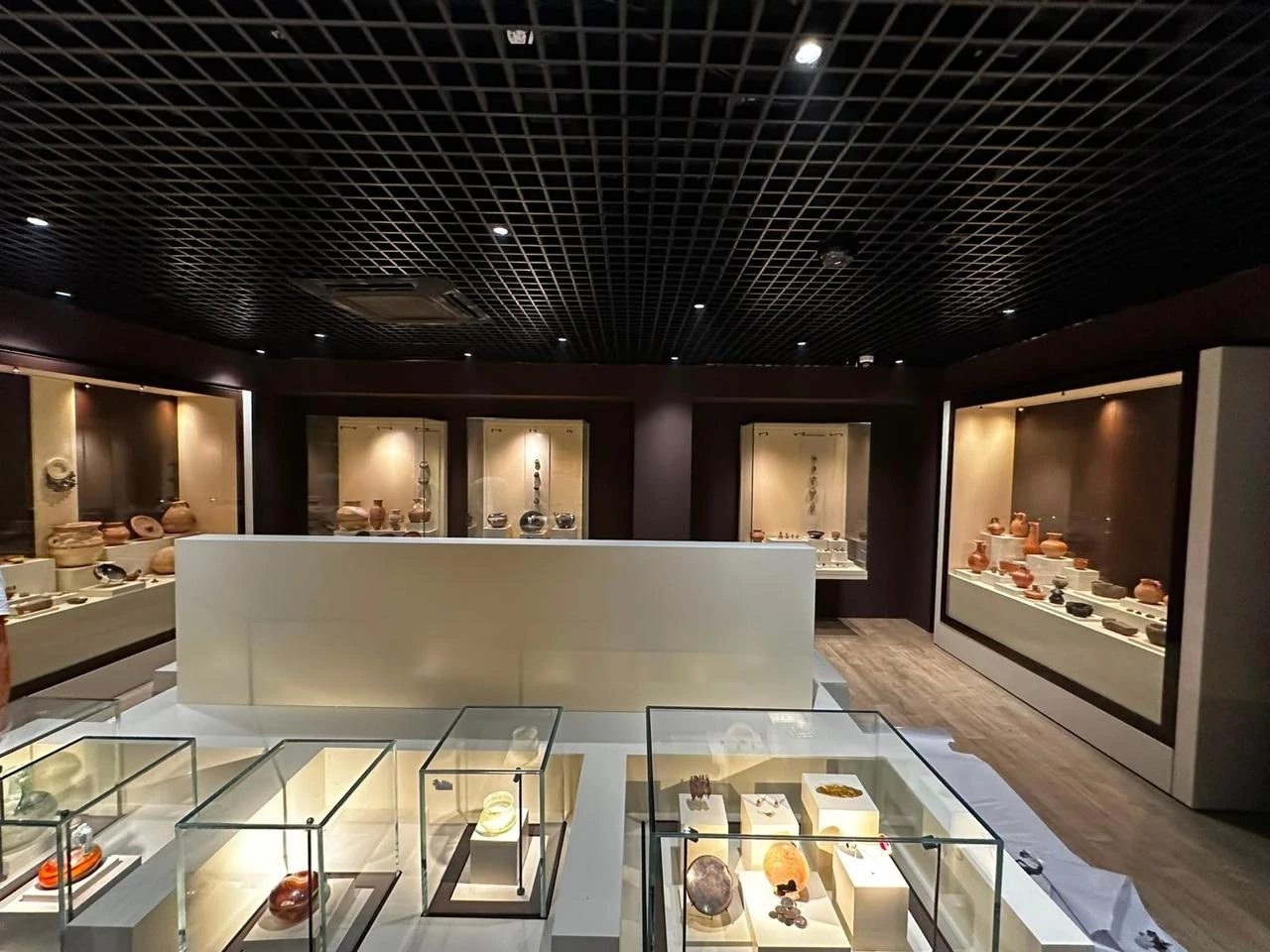

As part of the work, the museum's exhibition halls, administrative areas and storage facilities were completely renewed, while its exterior, roof and surrounding sections were also restored.
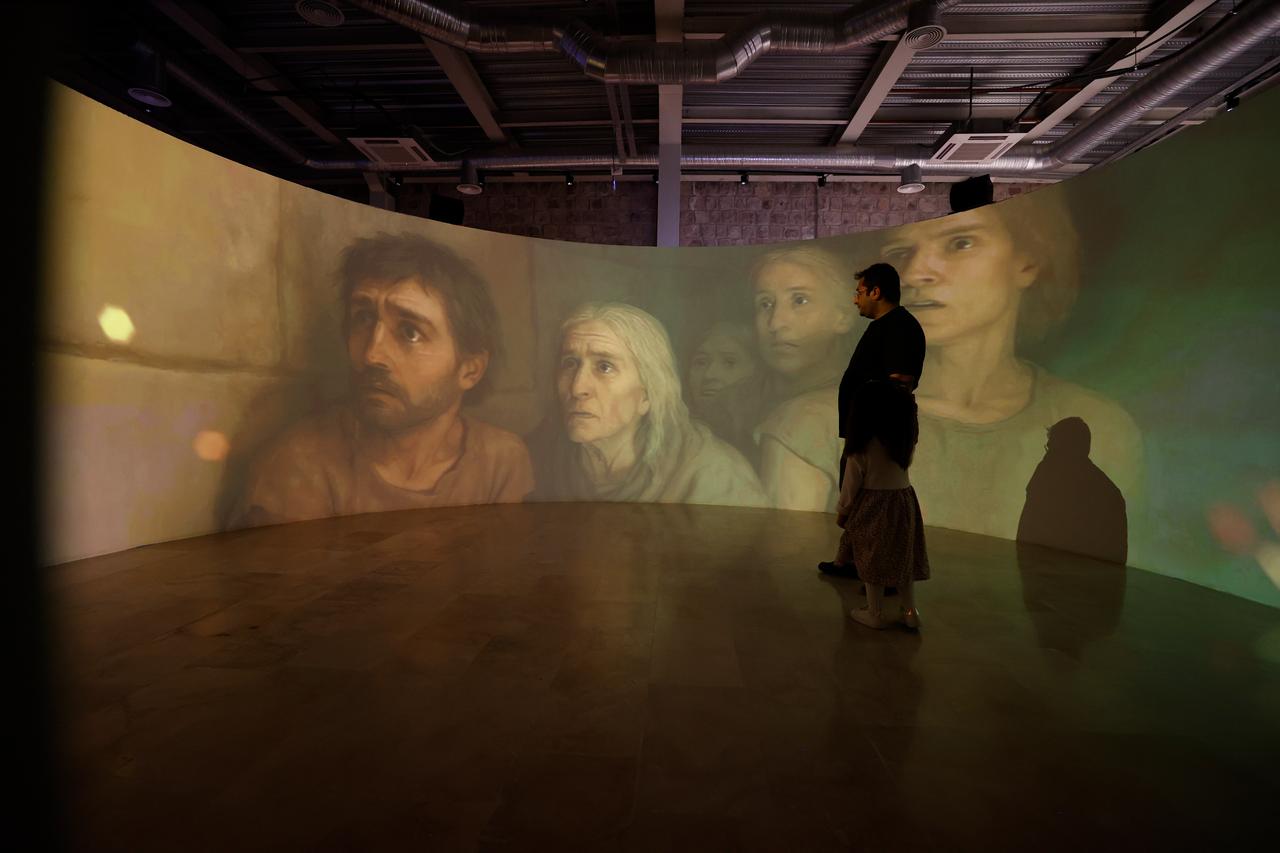
The two-story museum, which has 1,350 square meters of indoor space and a 1,150-square-meter garden, has been reorganized so that its archaeological collections can be presented in chronological and thematic order.
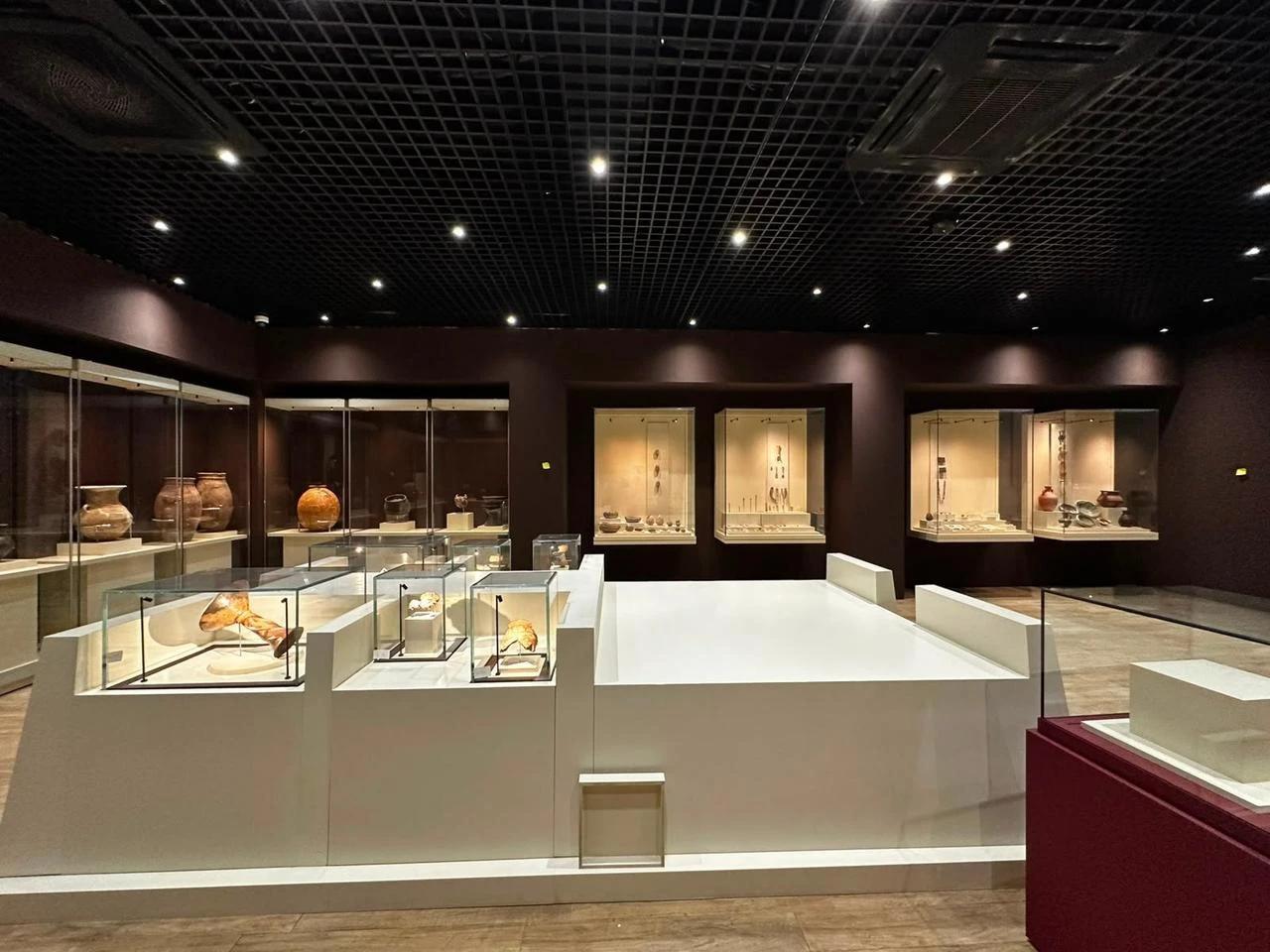
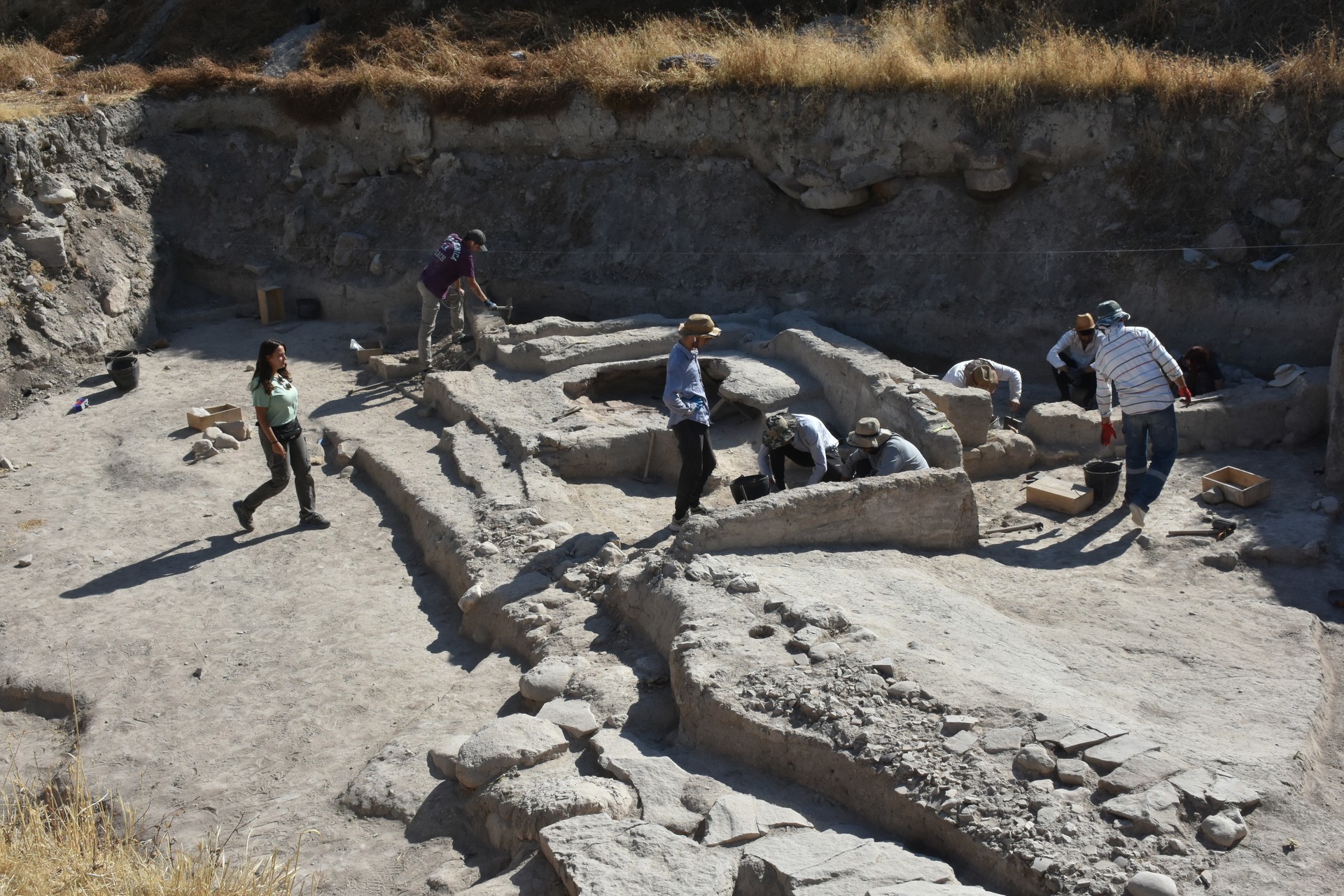
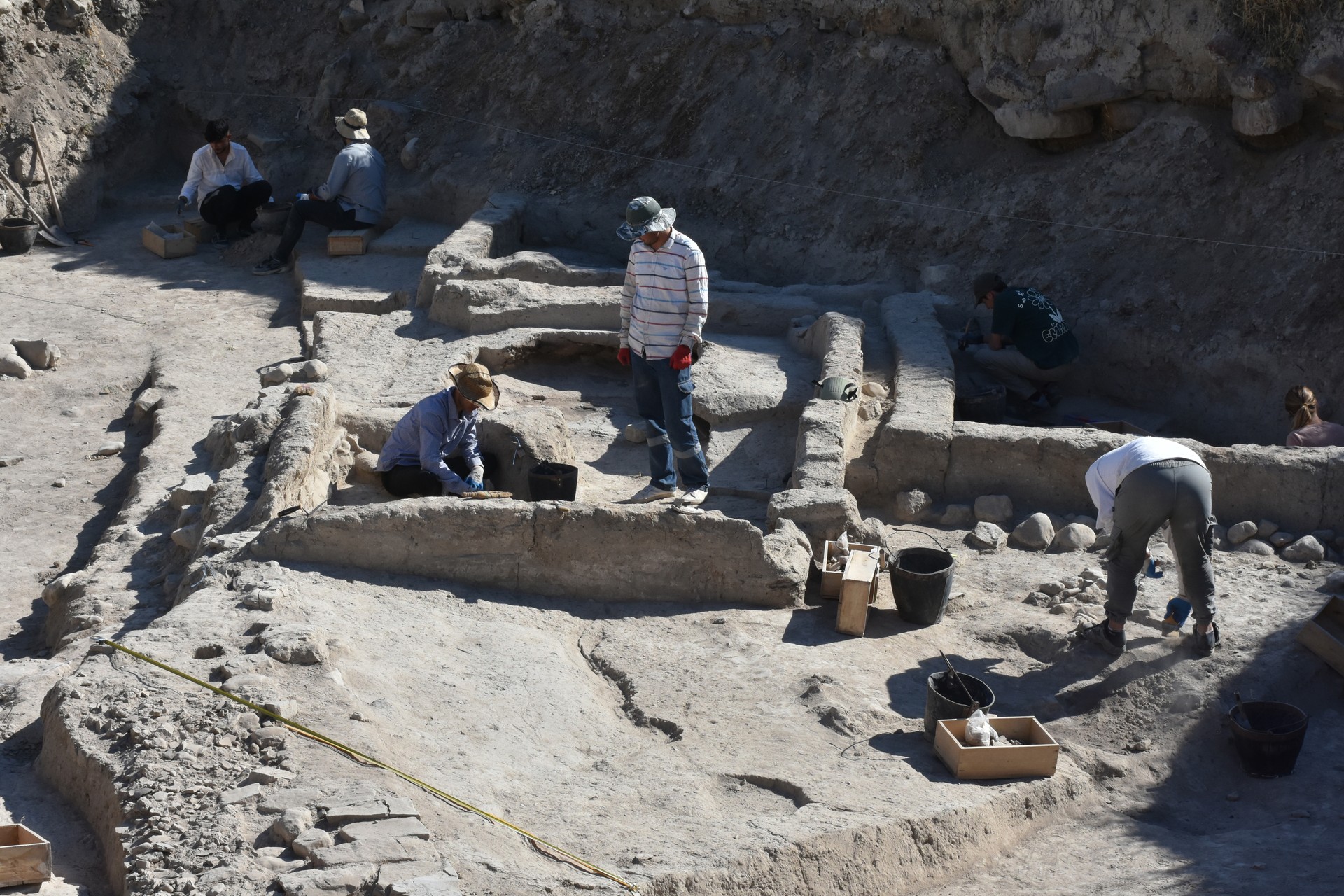
The ground floor brings together artifacts uncovered at Arslantepe Hoyuk, a UNESCO World Heritage Site in Malatya, alongside special coin collections.
Arslantepe, an archaeological mound formed through successive layers of human settlement, represents one of the major archaeological sites featured in the museum's renewed exhibition.
 1 min read
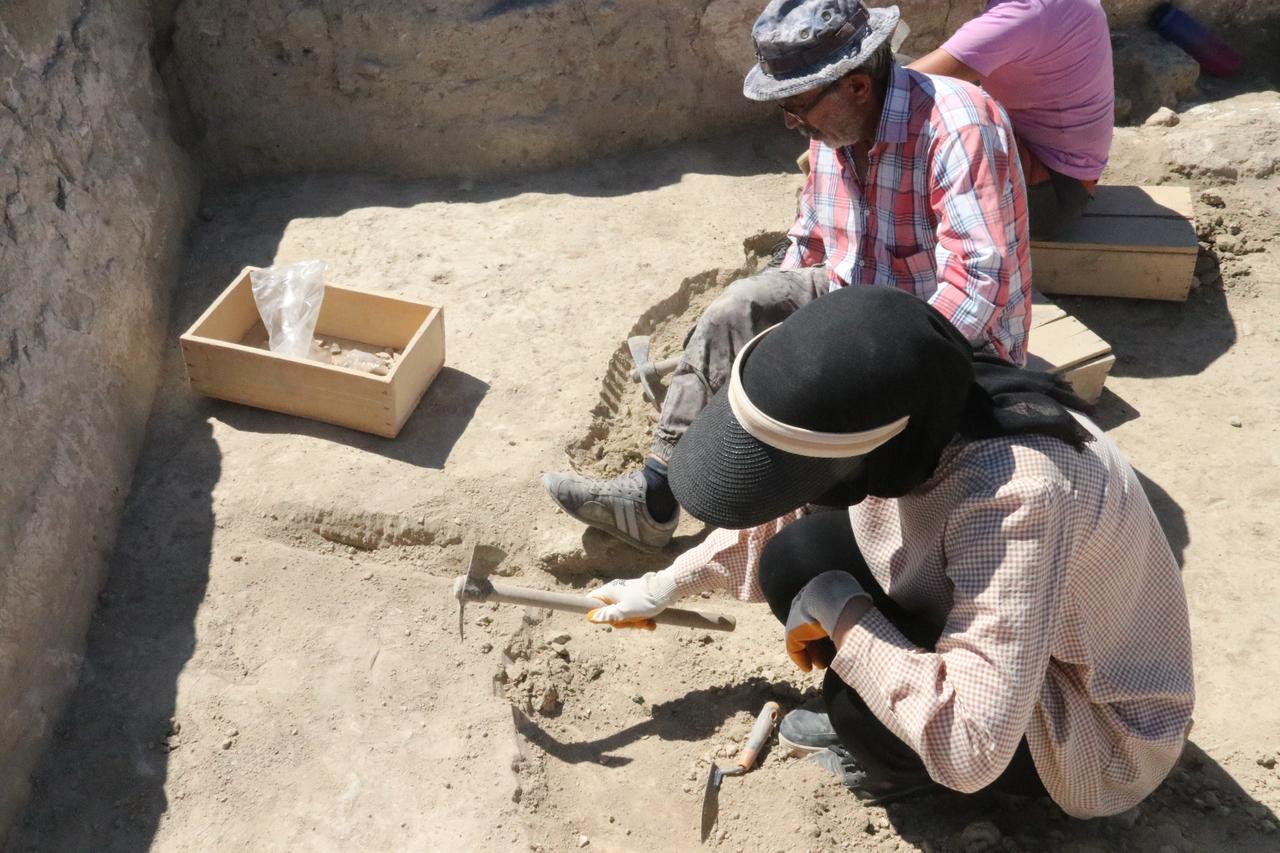
The upper floor, meanwhile, focuses on finds from excavations carried out across Malatya and the Upper Euphrates Basin.
Objects recovered from Cafer Hoyuk, Degirmentepe and Pirot, archaeological sites that were later submerged beneath the Karakaya Dam reservoir, are displayed chronologically.
A separate exhibition area has also been set aside for artifacts from Akcadag Arga Hoyuk, while the museum includes a specially designed reconstruction section dedicated to the Darende Masattepe Tumulus.


 Set as preferred source
 Set as preferred source


 1 min read


