Newsletters


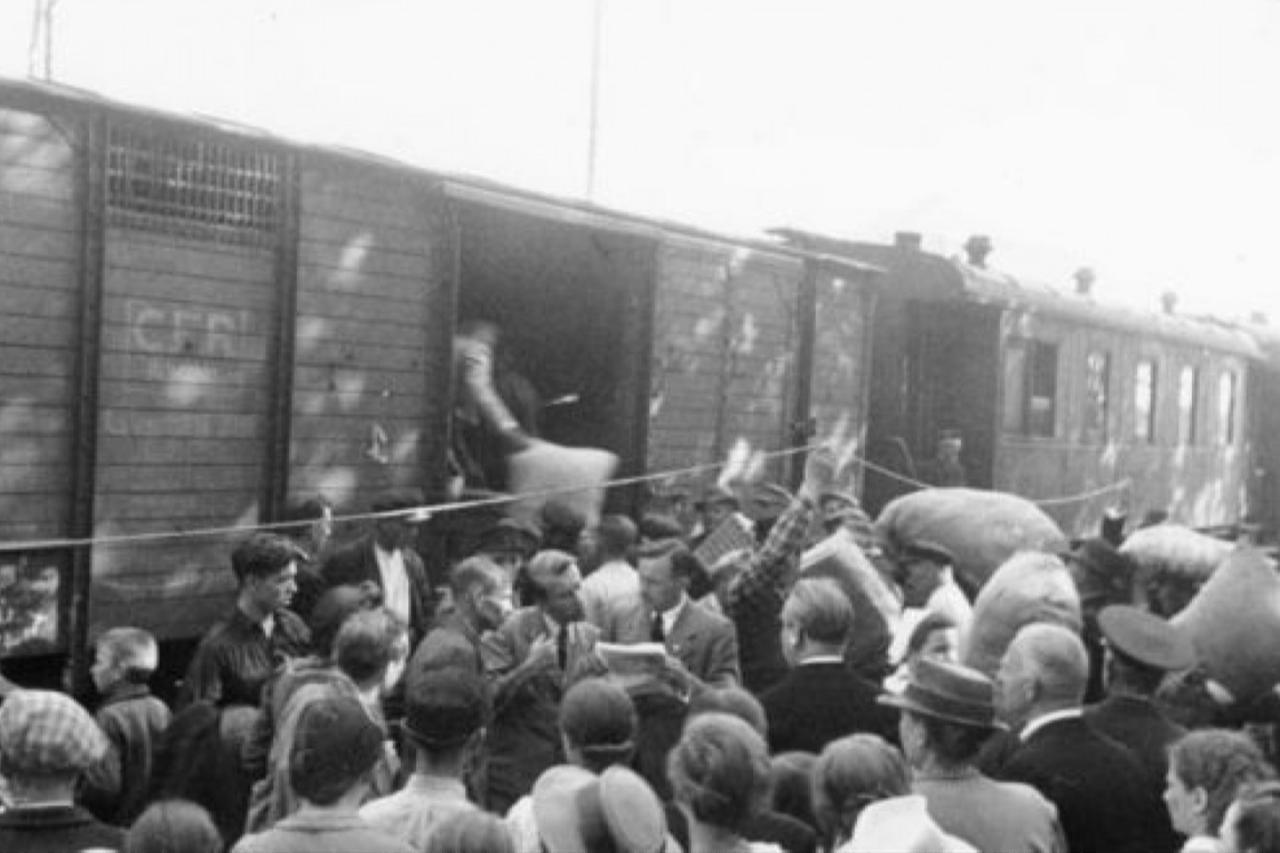


Members of the Meskhetian Turkish community in Kyrgyzstan gathered on Saturday to commemorate the victims of the 1944 Soviet deportation, which forced around 100,000 people from their ancestral homeland in present-day Georgia to Central Asia.
Meskhetian Turks, also known as Ahiska Turks, living in Kyrgyzstan commemorated the 82nd anniversary of their forced deportation under Soviet leader Joseph Stalin on Nov. 14, 1944, remembering those who died during the journey and the years that followed.
The commemoration, organized by the Meskhetian Turks Association of Kyrgyzstan, took place in Kara-Balta, approximately 65 kilometers (40 miles) from the capital, Bishkek.
The event brought together Türkiye's Ambassador to Kyrgyzstan Mekin Mustafa Kemal Okem, Kyrgyzstan People's Assembly Chairman Rahman Meder, Turkish Cooperation and Coordination Agency (TIKA) Bishkek Coordinator Ersin Copur, community representatives and survivors who witnessed the deportation.
The gathering included Quran recitations, prayers and a screening of a documentary titled "Meskhetian Turks Living in Kyrgyzstan."
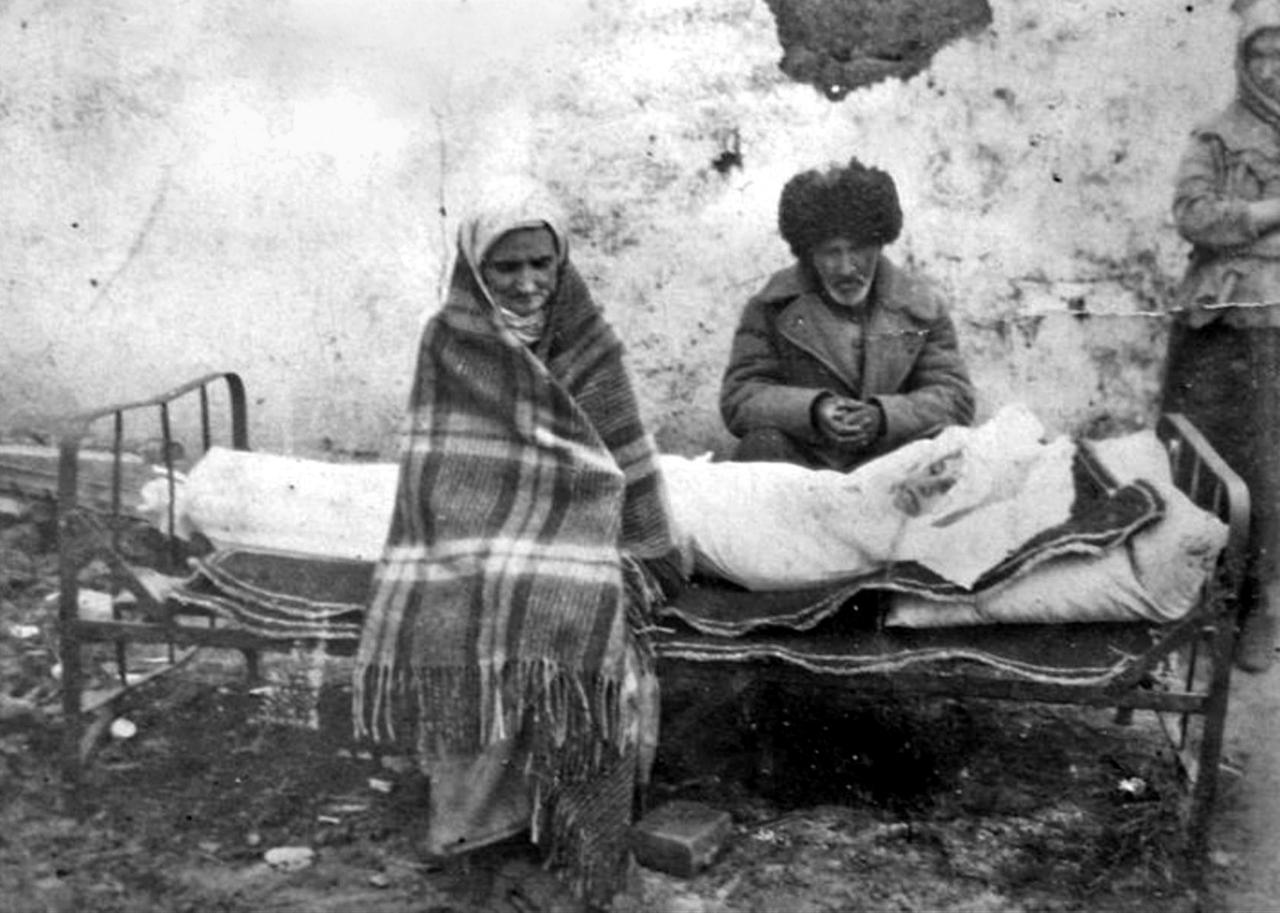

Speaking at the ceremony, Ambassador Okem described Nov. 14, 1944, as a turning point in the community's history, recalling how approximately 100,000 Meskhetian Turks, including women, children and elderly people, were forced onto freight trains and sent to Kazakhstan, Kyrgyzstan and Uzbekistan.
He emphasized the importance of passing down personal accounts of the deportation, particularly through family traditions, language and cultural practices.
Okem highlighted the role of Meskhetian Turkish women in keeping these memories alive and encouraged younger generations to listen to their elders, learn about their family histories and preserve photographs and documents.
He also thanked the Kyrgyz people for taking in displaced families and sharing their limited resources during difficult times.
The ambassador reaffirmed Türkiye's support for Meskhetian Turkish communities regardless of where they live, saying the Turkish Embassy remained open to them.
Kyrgyzstan People's Assembly Chairman Meder described the deportation as one of the most tragic chapters in Meskhetian Turkish history, noting that families were separated and thousands died from hunger, disease and harsh winter conditions during the journey.
He recalled that more than 40,000 Meskhetian Turks were serving on the front lines during World War II when the deportation took place.
Despite widespread hardship, Meder said Kyrgyz, Kazakh and Uzbek communities welcomed the displaced population, offering shelter and sharing food even when their own resources were scarce.
Over time, he added, Central Asia, including Kyrgyzstan, became a second homeland for Meskhetian Turks, who continued to maintain their language, traditions and cultural identity.
Atamsa Dursunov, chairman of the Meskhetian Turks Association of Kyrgyzstan, similarly stressed the need to keep the community's historical memory alive and pass it on to future generations.
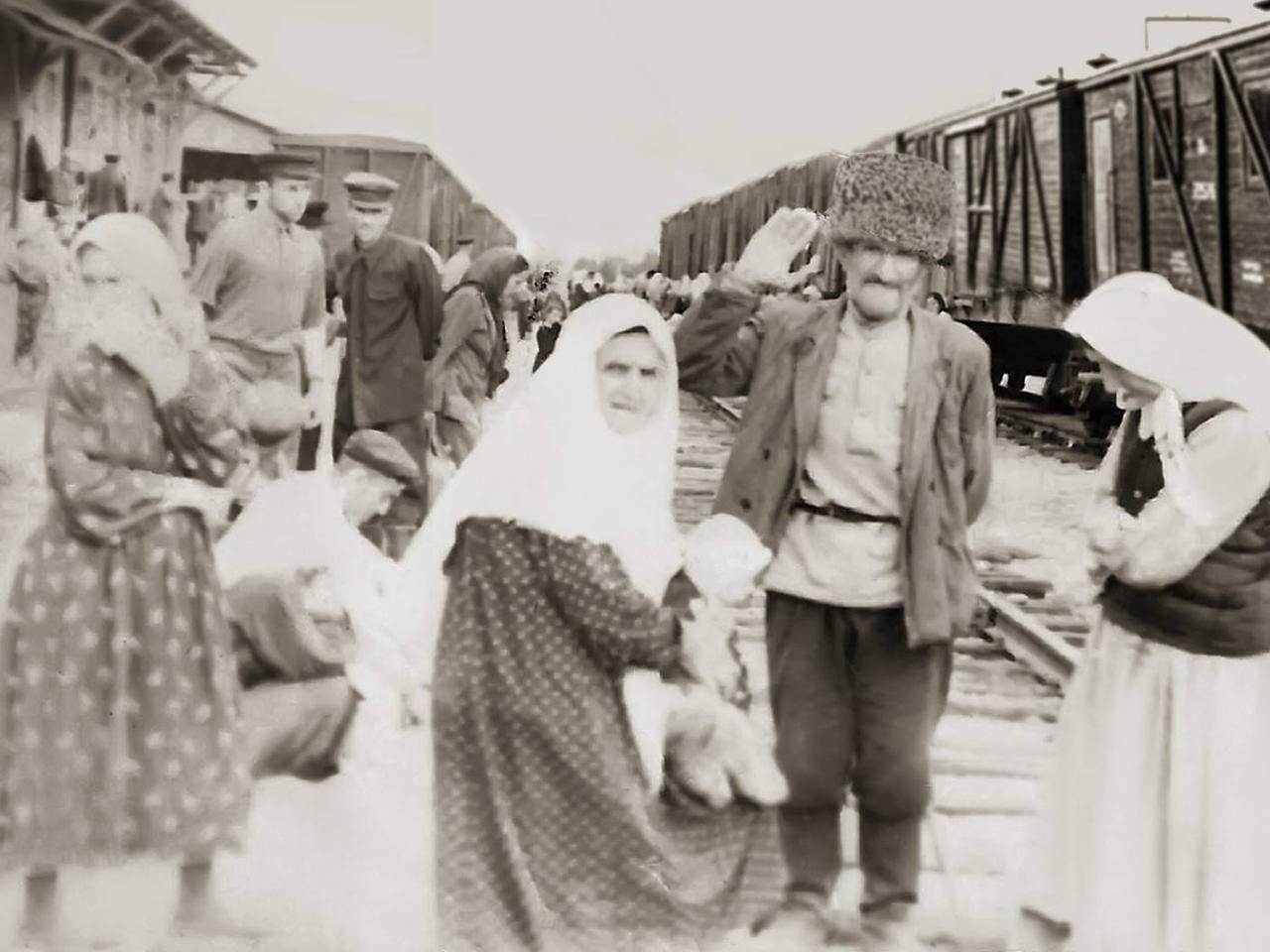
On Nov. 14, 1944, Stalin's Soviet government forcibly removed Meskhetian Turks from the Ahiska region, located in present-day Georgia near the Turkish border, and relocated them to Soviet Central Asia.
Around 17,000 people died from hunger and disease during the deportation, while those who survived were kept under a strict Soviet administrative regime in Central Asia for 12 years.
Following the dissolution of the Soviet Union, archival records revealed that the deportation formed part of Stalin's operation to remove Turkish populations from the Black Sea coastal region.
The anniversary commemorations in Kyrgyzstan brought together survivors, descendants and officials to remember the victims and preserve the history of the community's displacement.


 Set as preferred source
 Set as preferred source


 1 min read

 1 min read