Newsletters


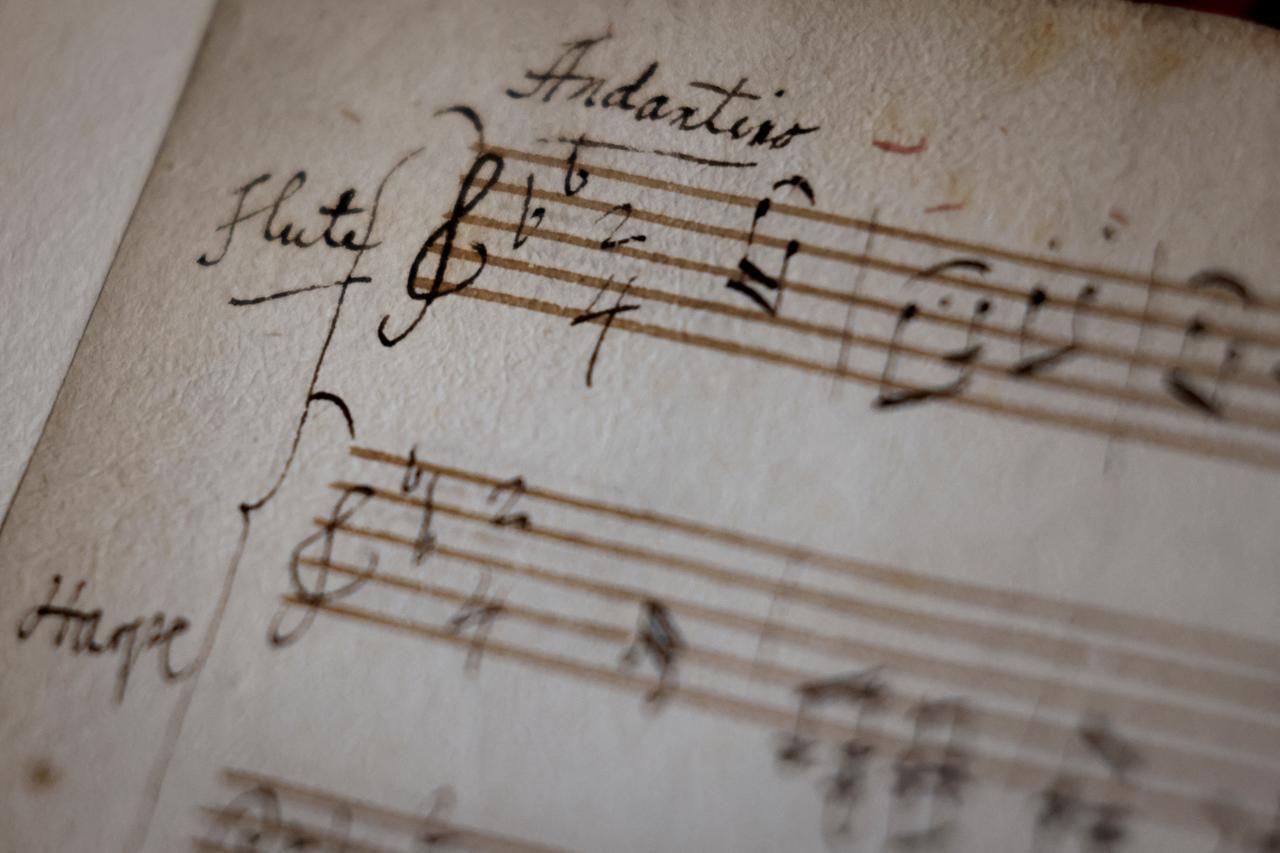


A previously unknown manuscript attributed to Wolfgang Amadeus Mozart will receive its first public performance this Sunday at France’s National Library (Bibliotheque nationale de France), following authentication of what scholars have described as a significant archival discovery.
The 44-page notebook, uncovered in the library’s music department archives, contains a series of daily exercises and seven compositions for flute and harp believed to have been written in 1778, when Mozart was 22 years old and residing in Paris.
The discovery was made by music curator Francois-Pierre Goy during a review of uncatalogued anonymous manuscripts. Goy identified stylistic features consistent with Mozart’s known handwriting, including distinctive forms of musical notation, which prompted further examination.
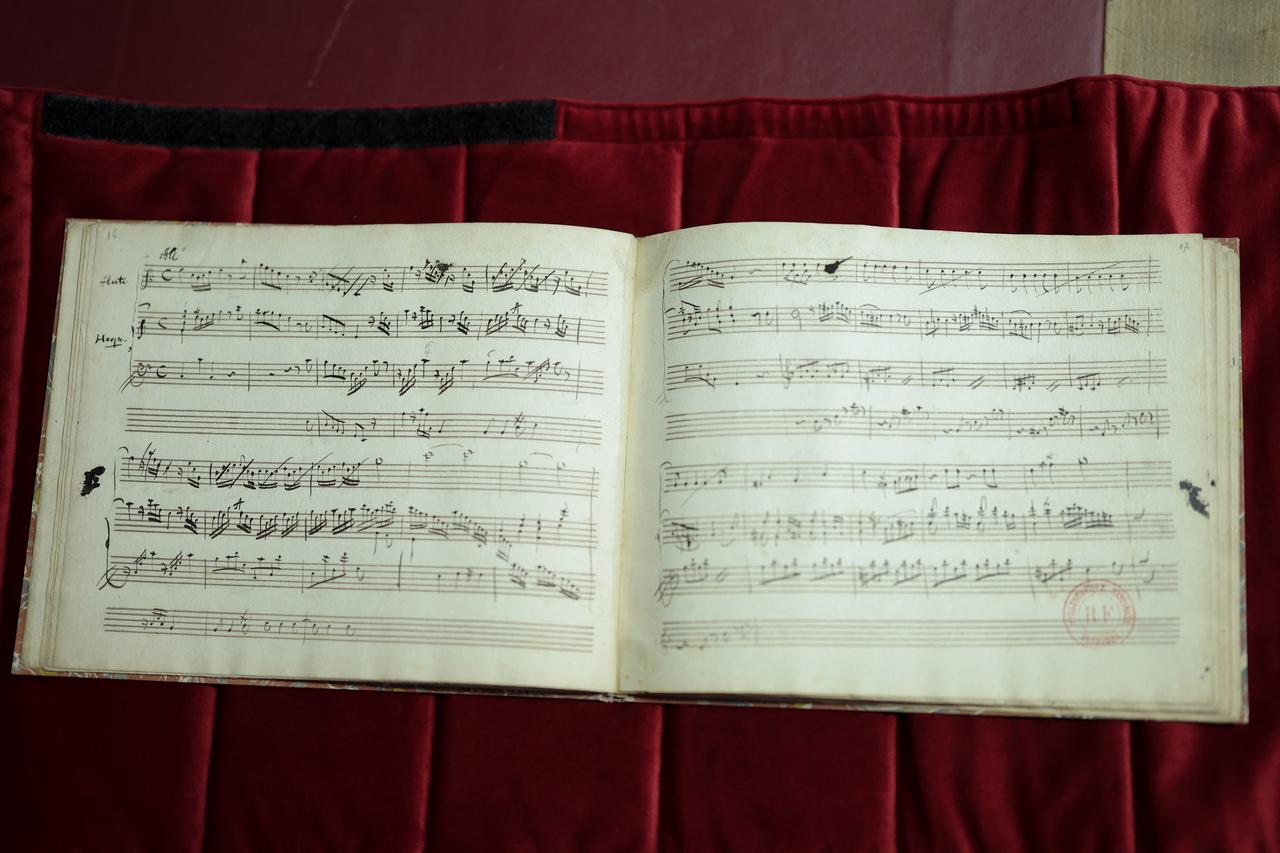

Subsequent analysis comparing the manuscript with authenticated Mozart works, along with assessments of paper type and historical archival markings, supported the attribution. The Mozarteum Foundation in Salzburg later confirmed the document’s authenticity in April.
According to the library, the manuscript is believed to have formed part of a collection of materials confiscated during the French Revolution from the household of the Duke of Guines.
The Duke, a French aristocrat and flautist, had a daughter, Marie-Louise-Philippine de Bonnieres de Guines, who was an accomplished harpist and is known to have been a student of Mozart.
Music historians suggest the compositions were likely created as instructional works during Mozart’s tenure as a teacher in Paris, a period of his life that remains comparatively less documented than other phases of his career.
BnF officials have described the discovery as highly significant, noting that authenticated finds of previously unknown works by major composers are exceedingly rare.
The manuscript is also considered valuable for its insight into Mozart’s pedagogical activity and his engagement with aristocratic musical circles in late 18th-century Paris.


 Set as preferred source
 Set as preferred source


 1 min read

 1 min read